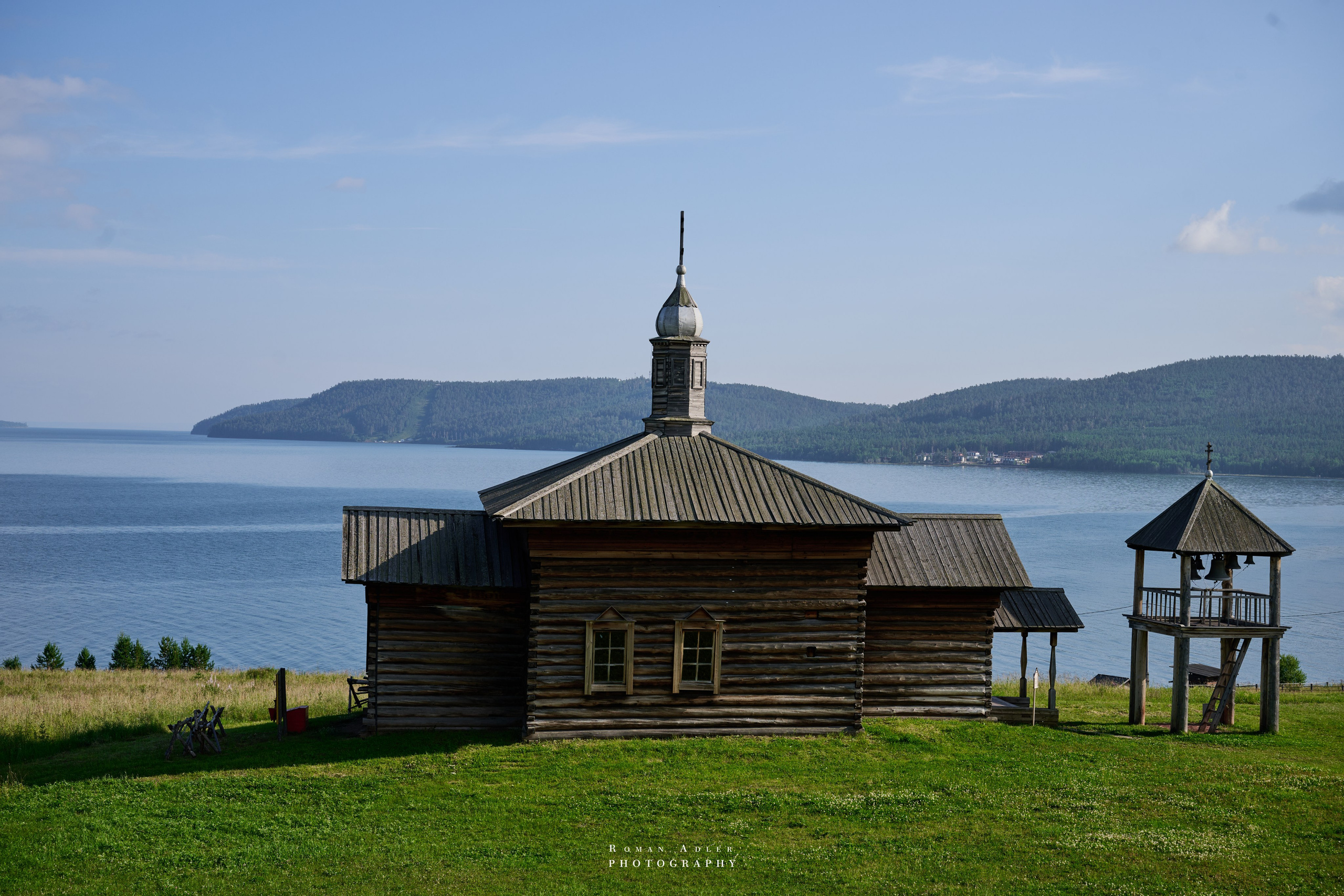
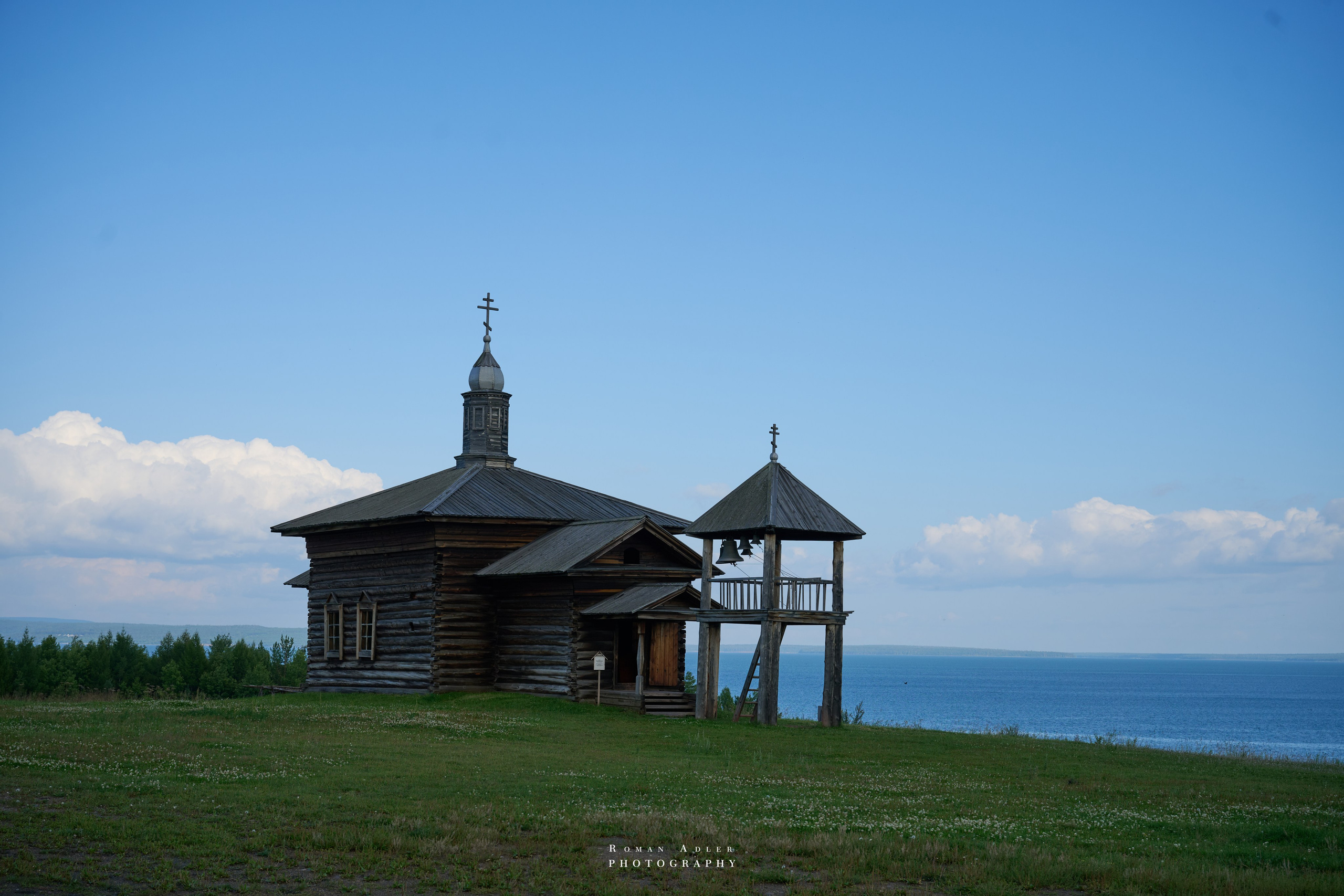
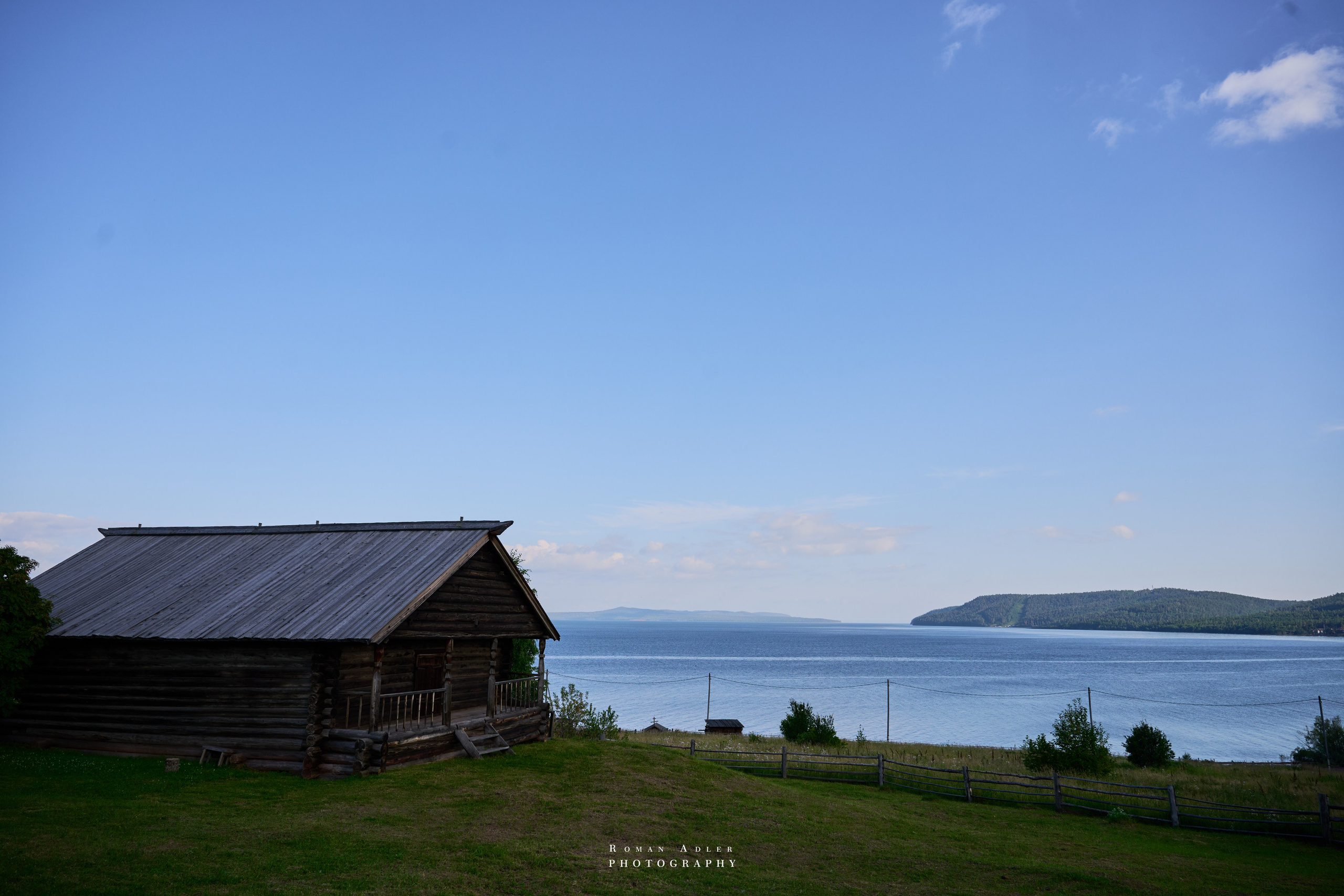
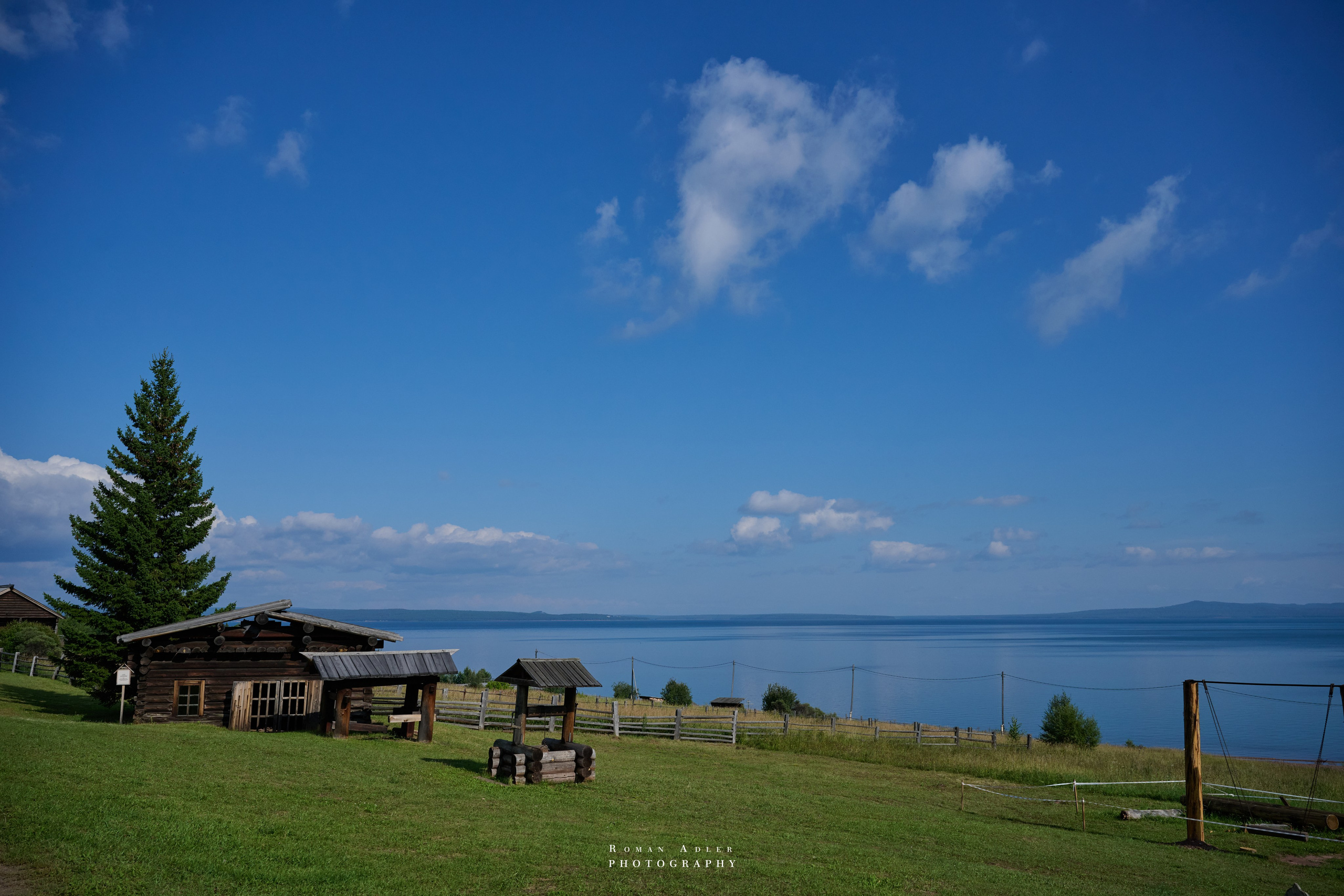
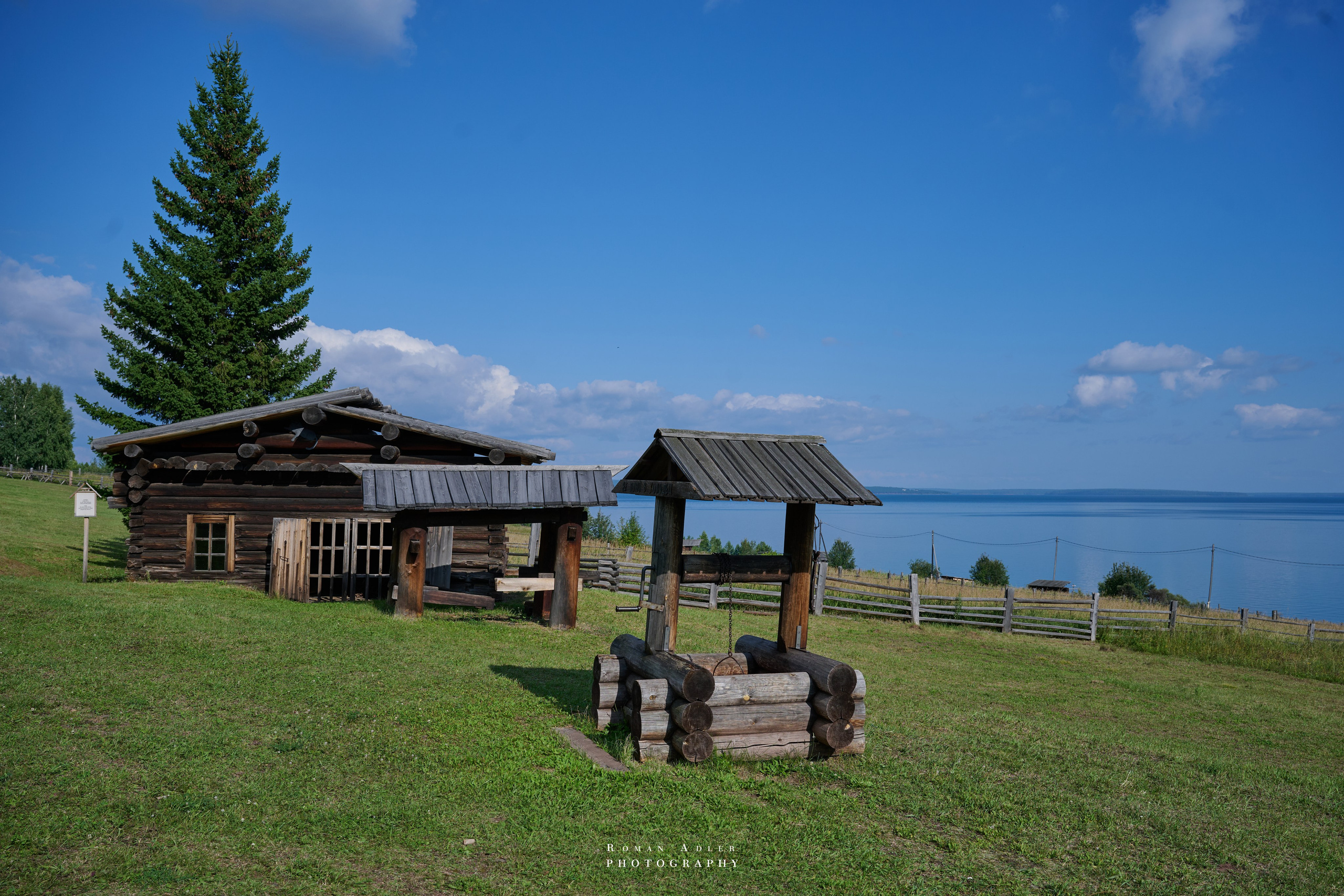
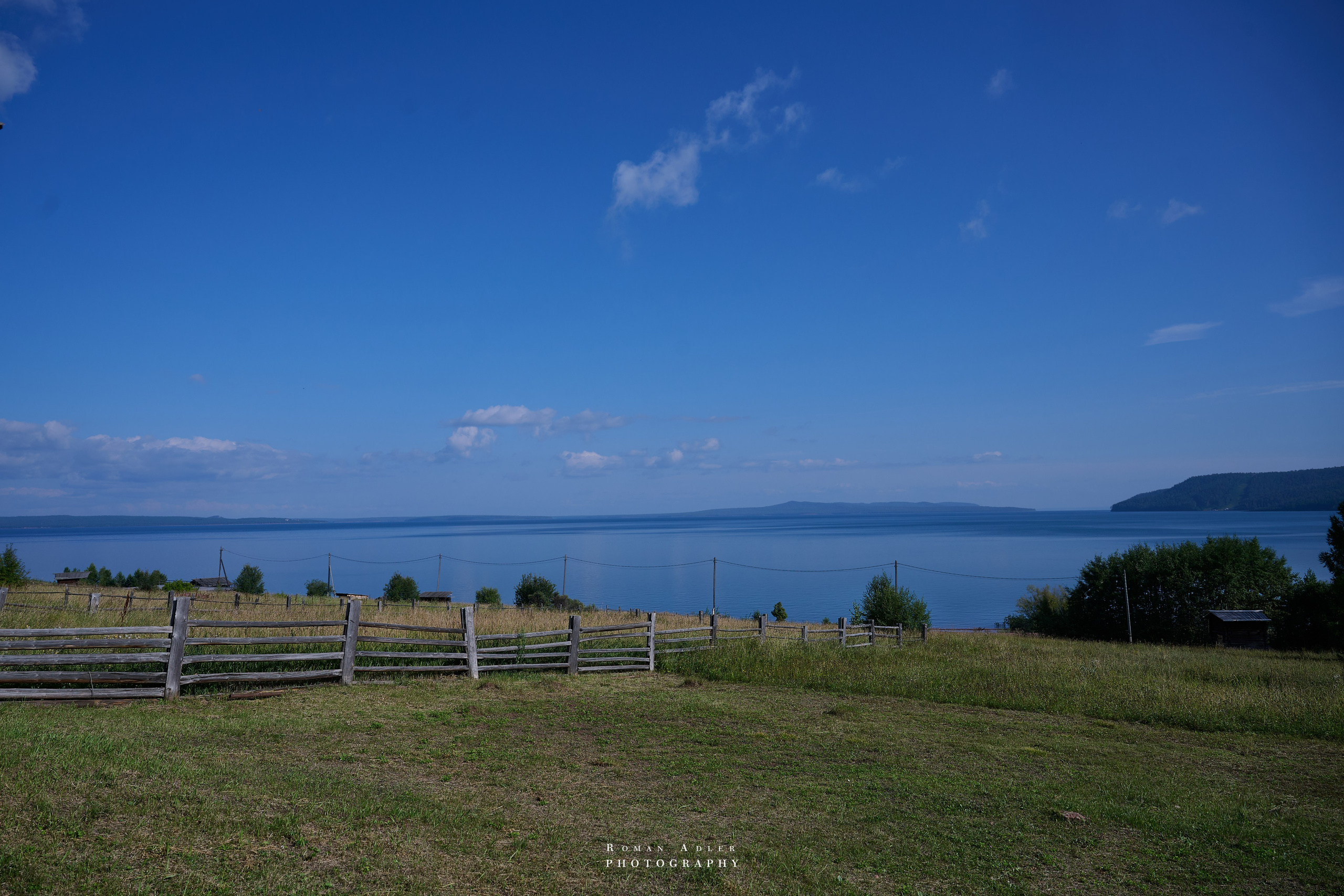
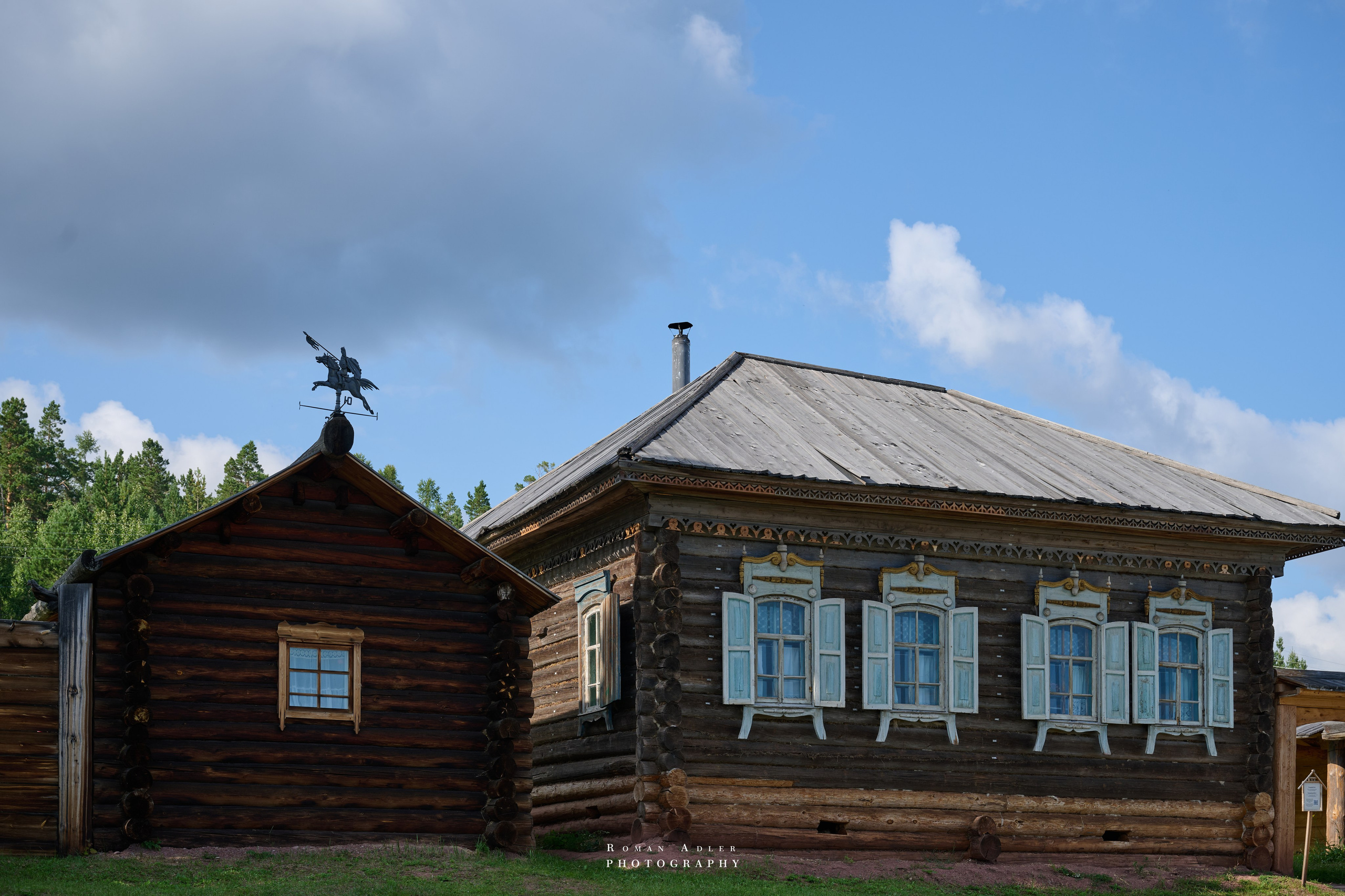
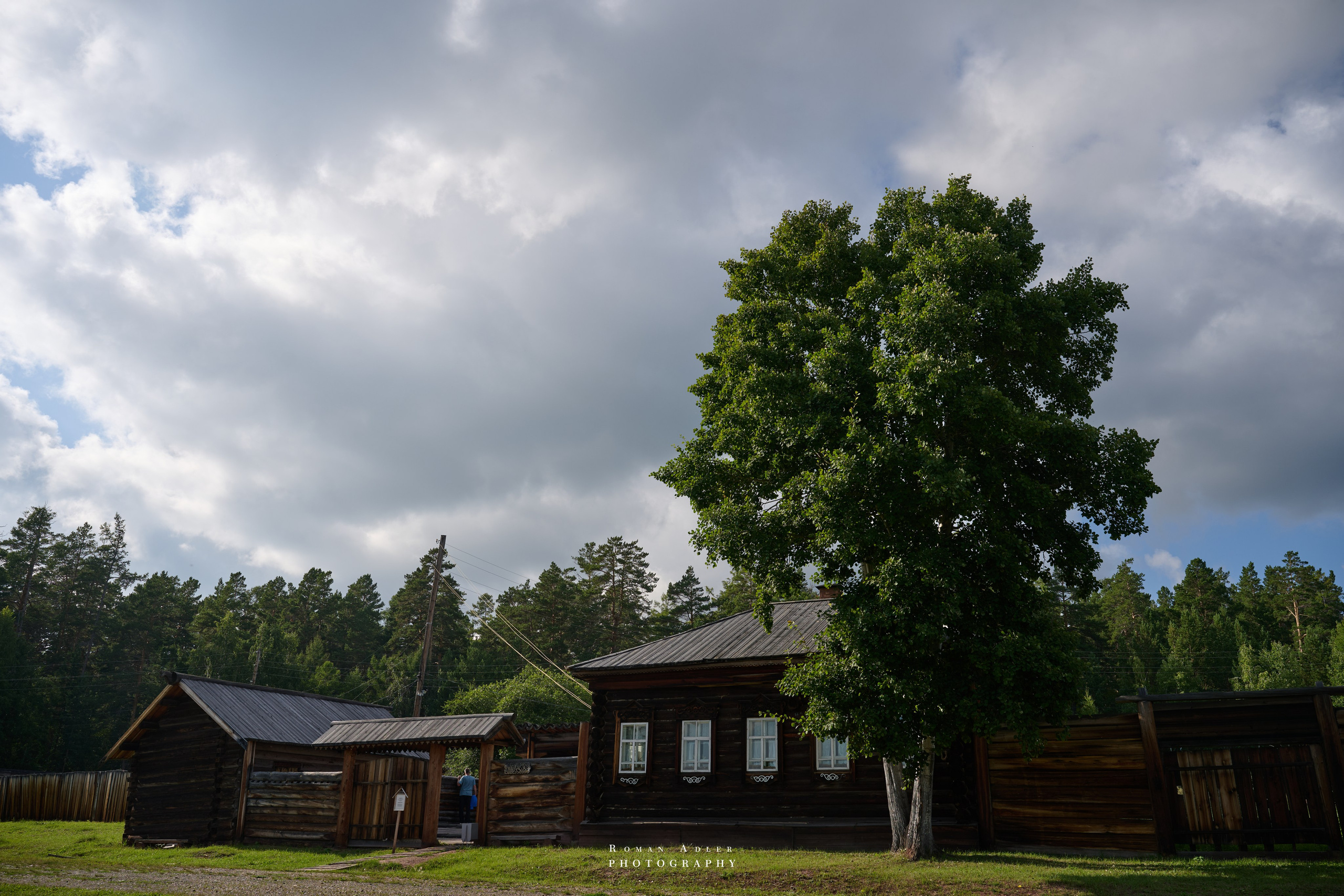
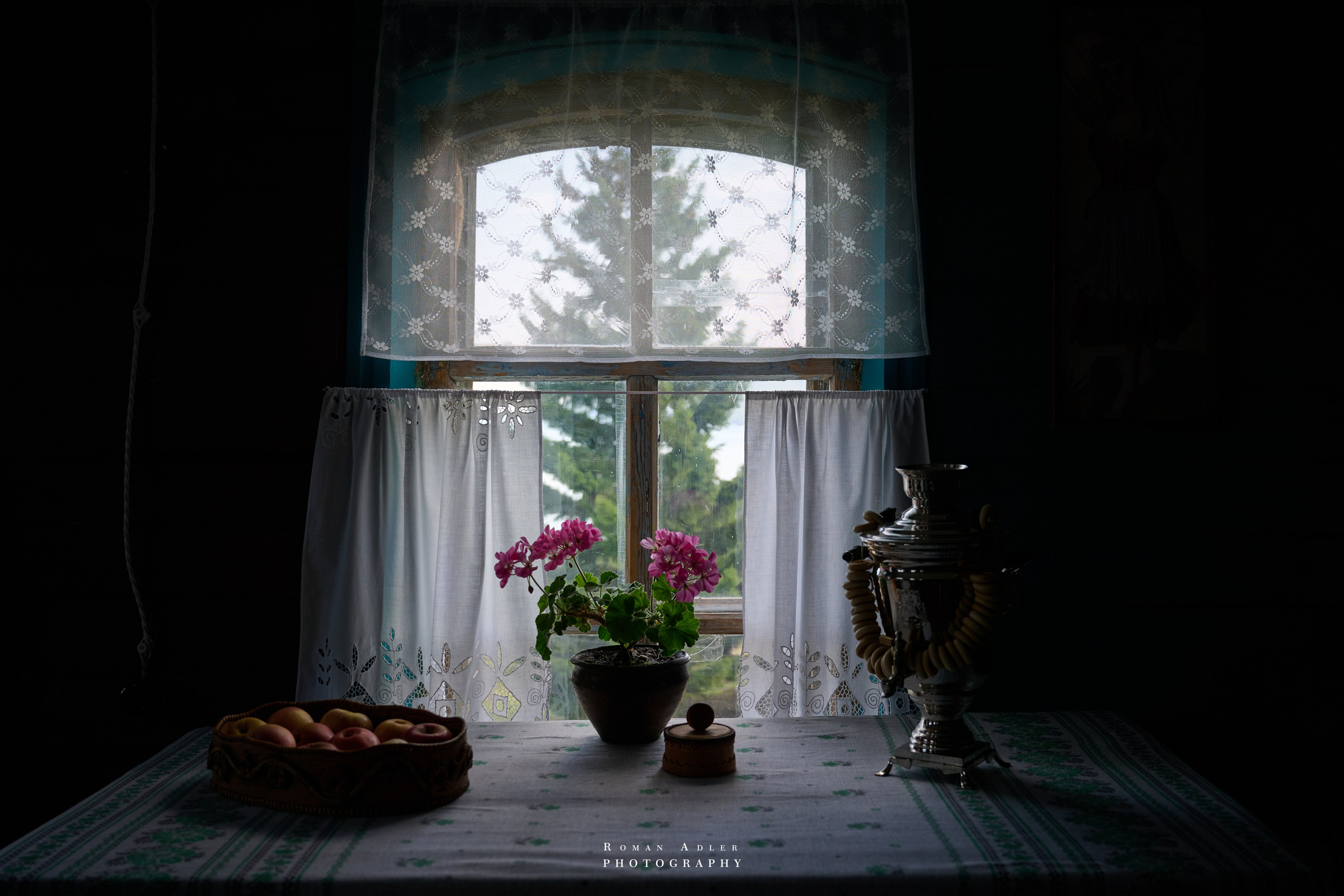
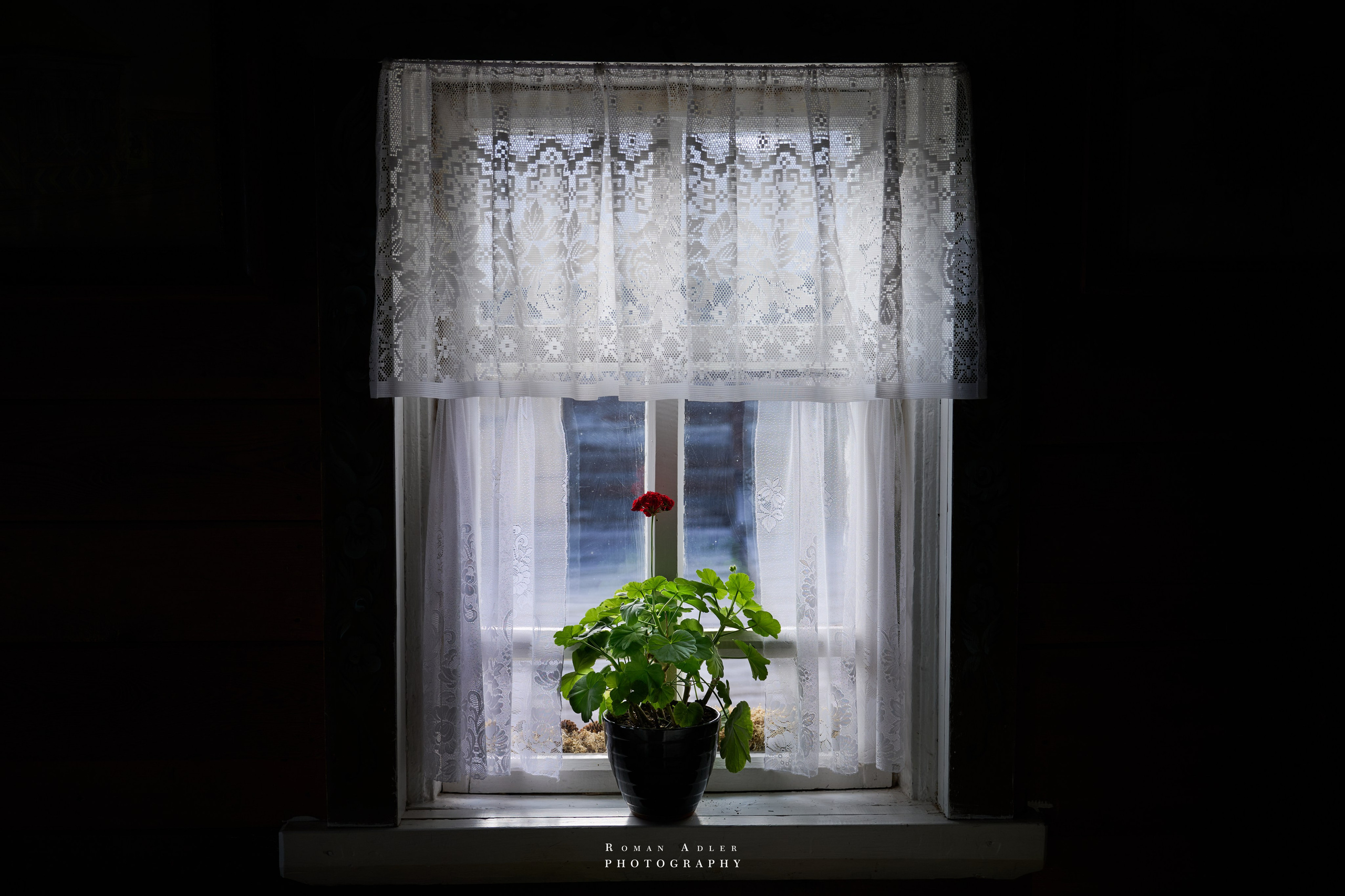
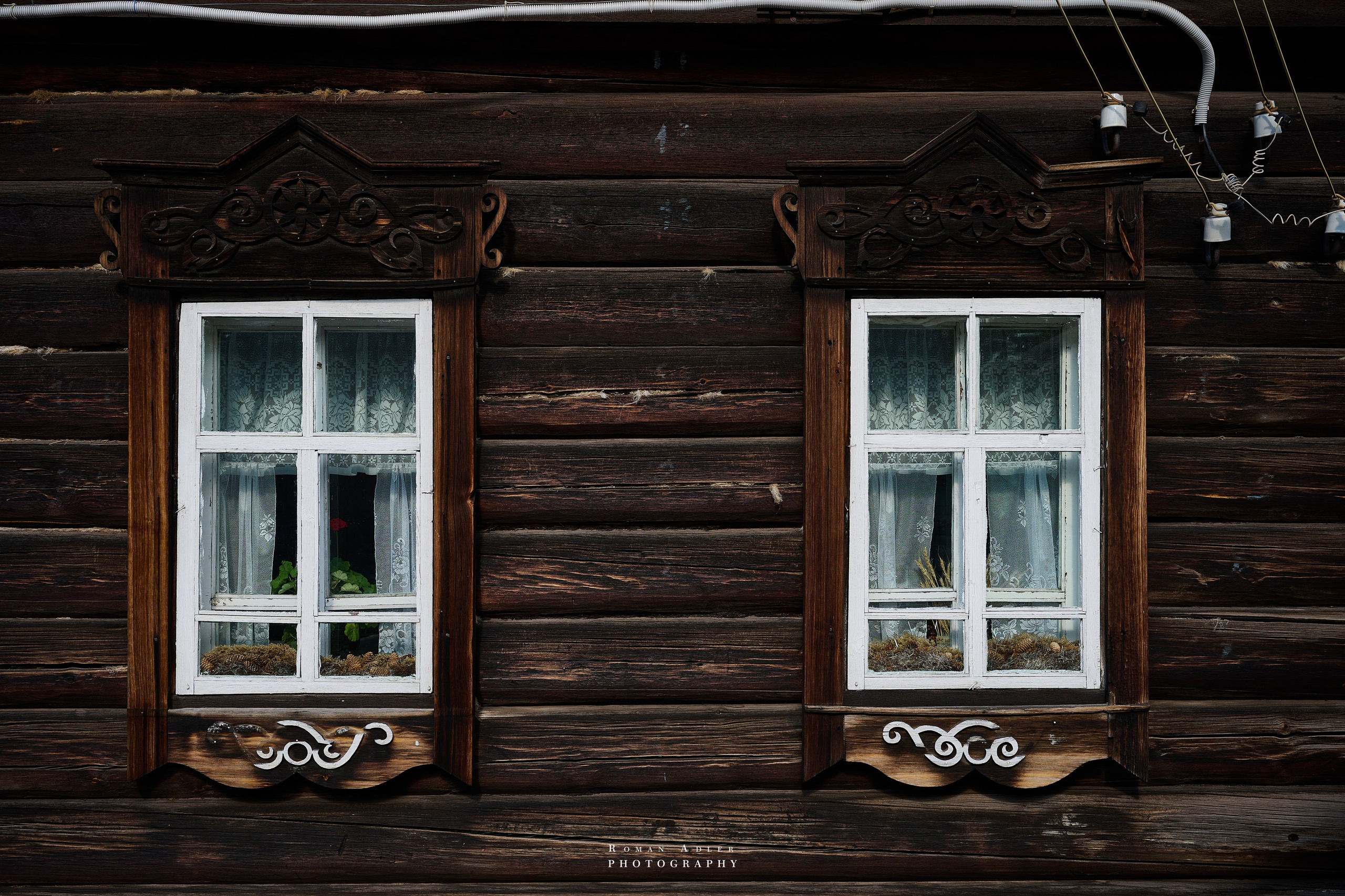
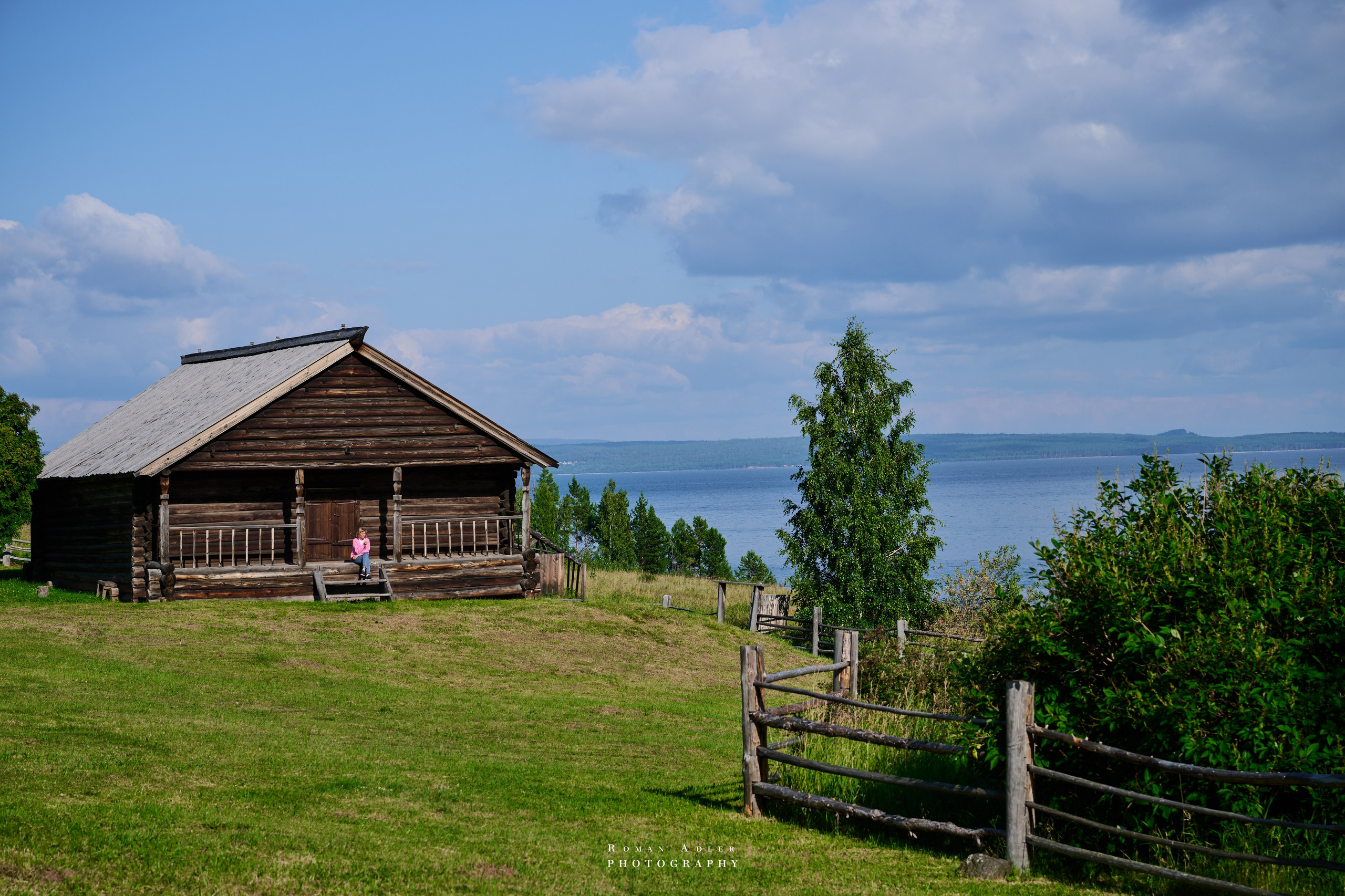

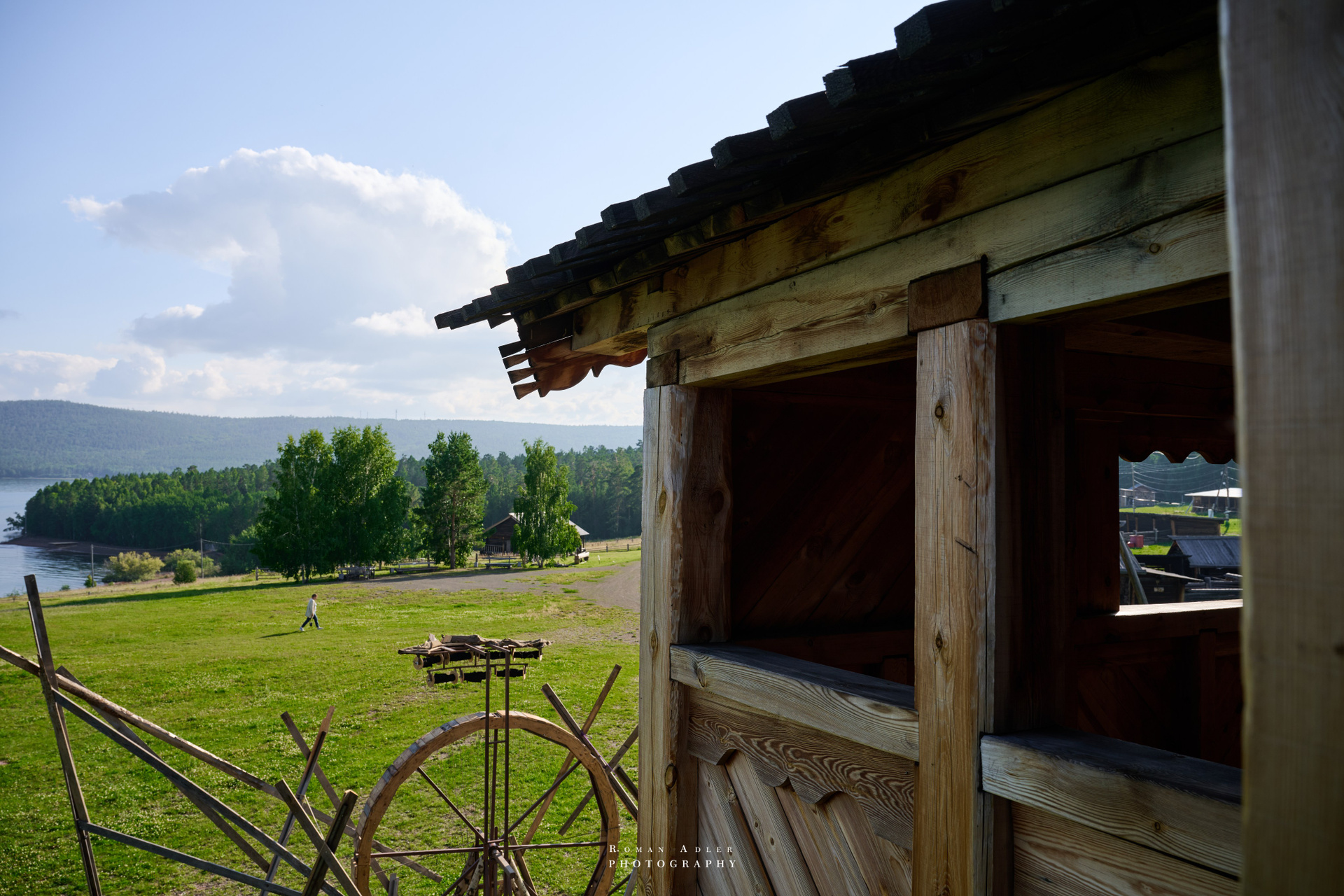
“Angara Village” is an open-air architectural and ethnographic museum in Bratsk. It was founded in 1979 and covers an area of 35 hectares, consisting of Russian and Evenki sectors.
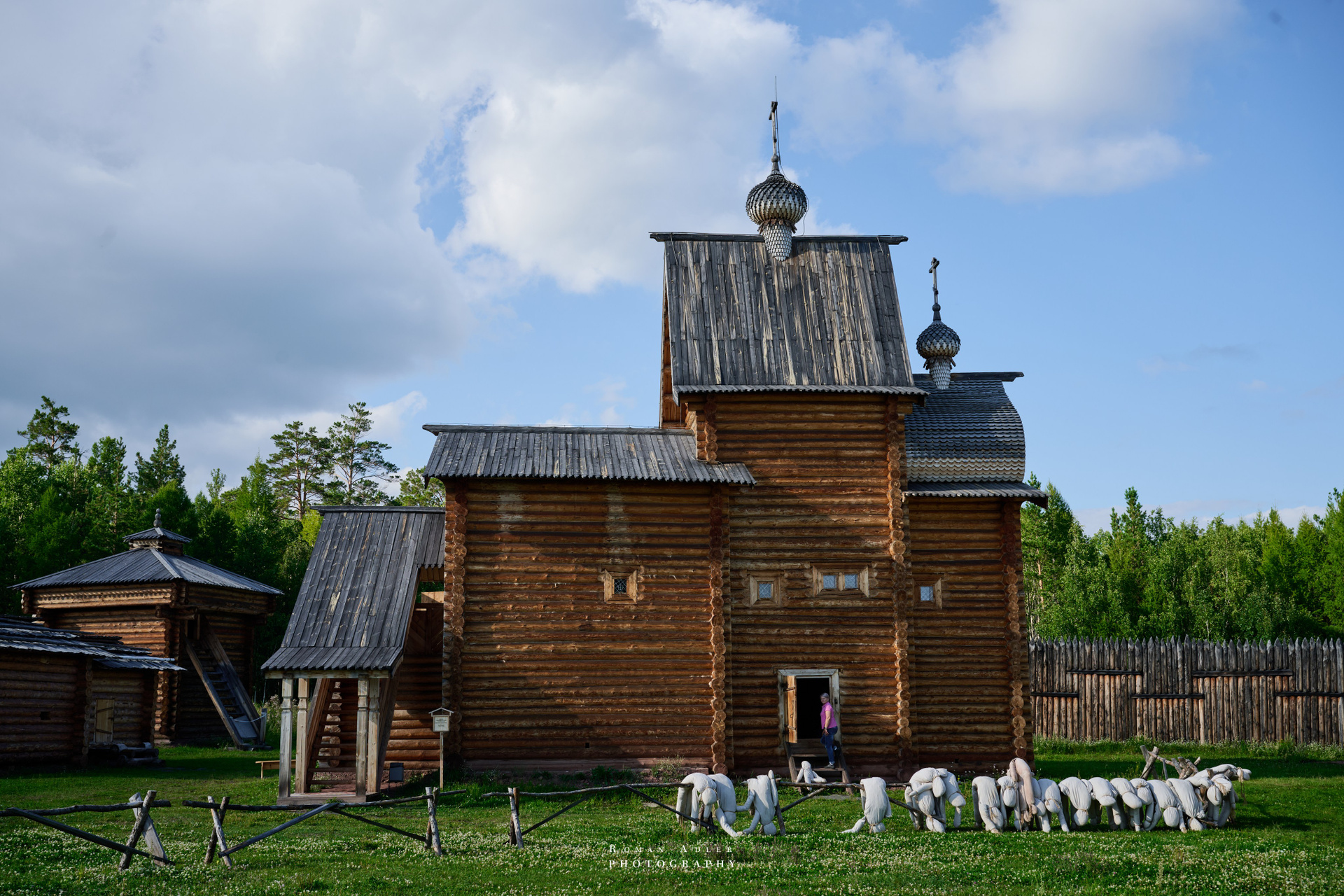
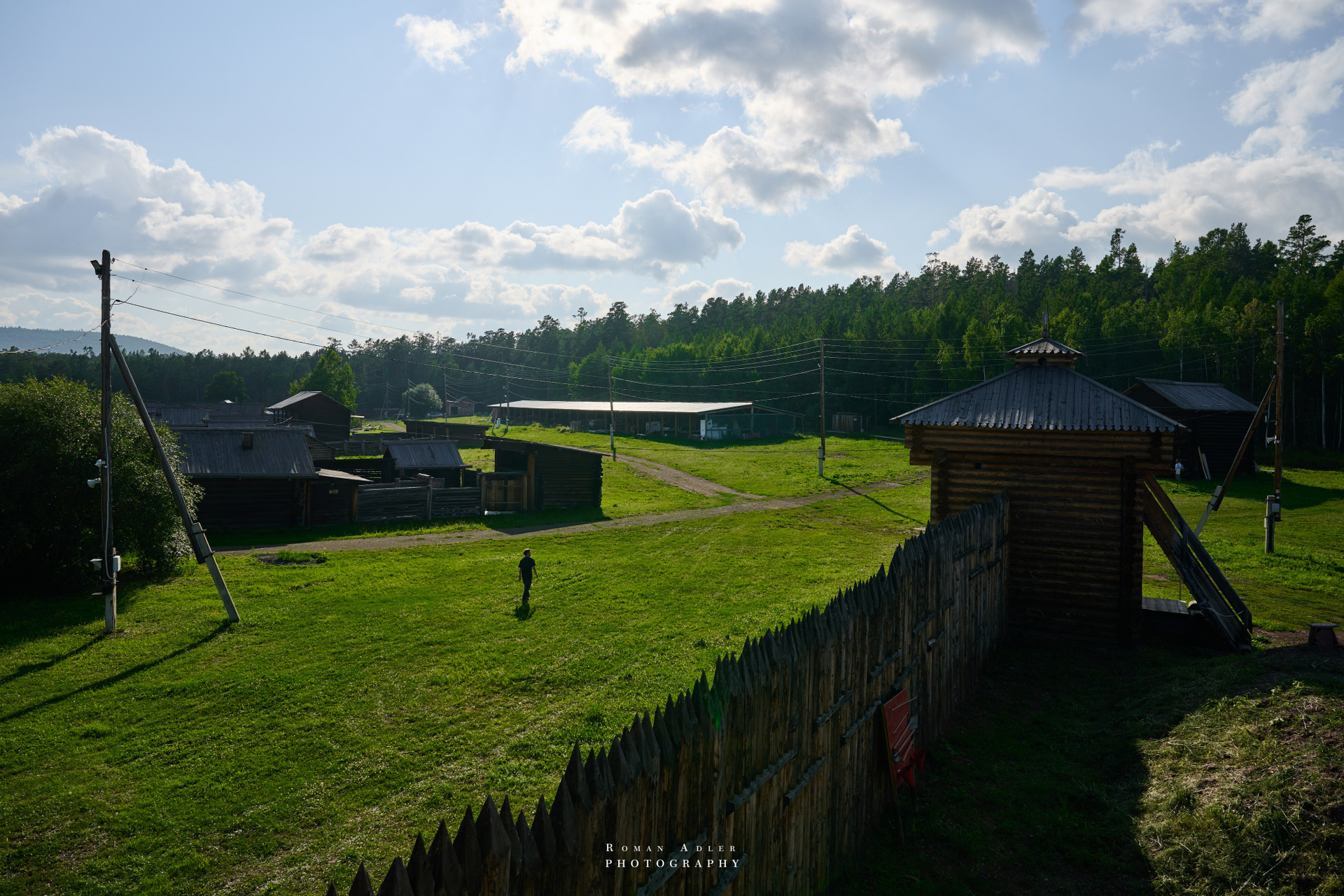
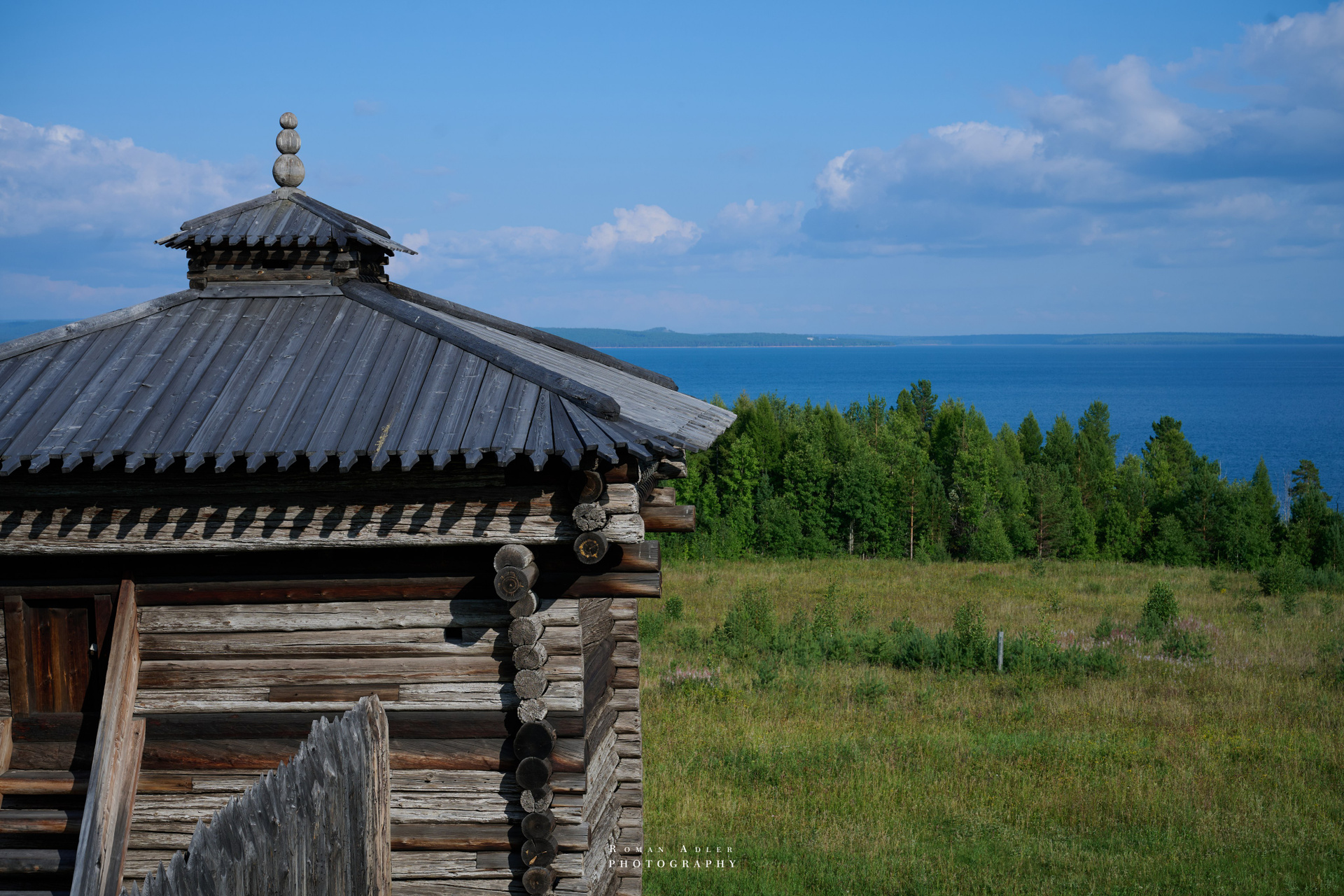
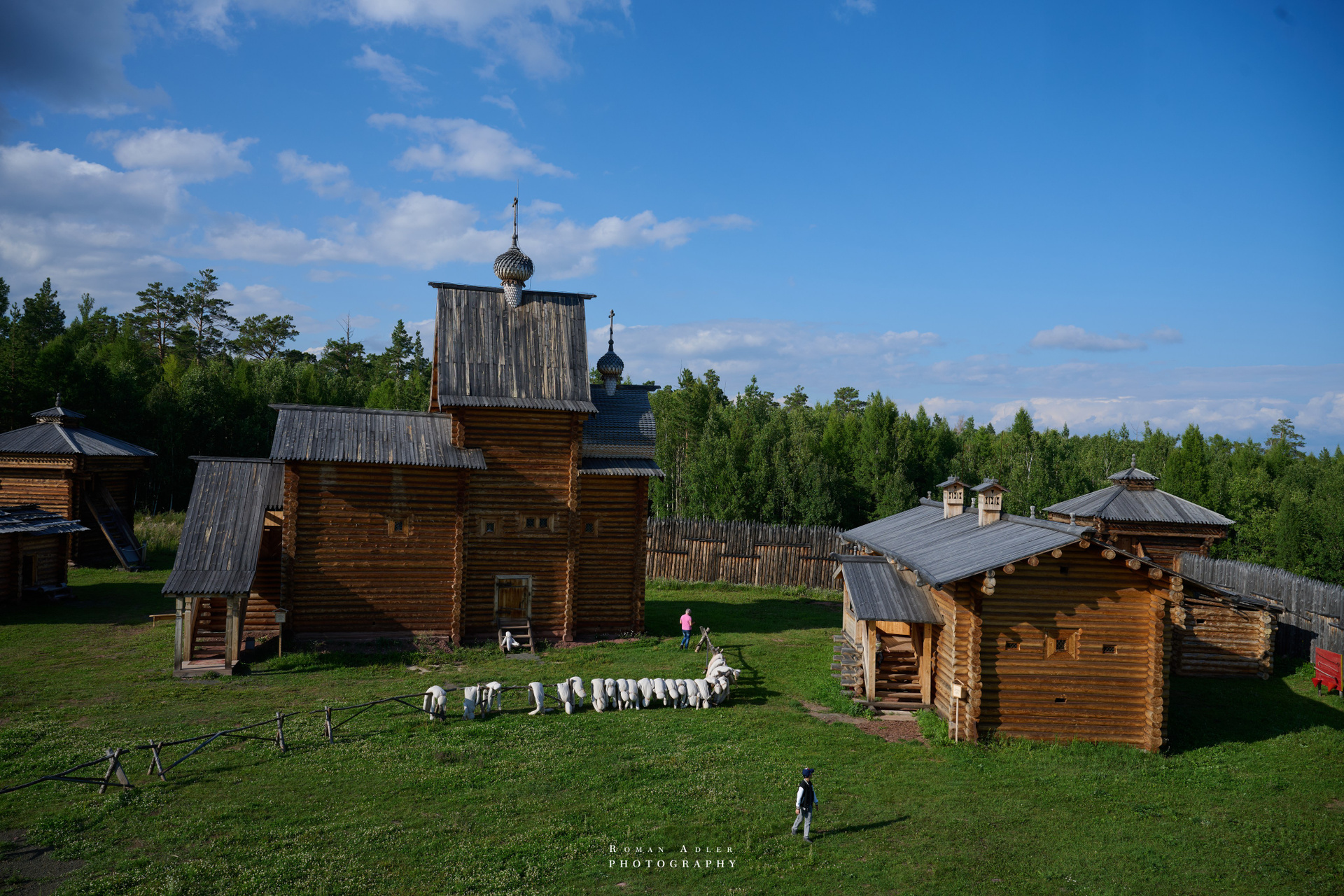
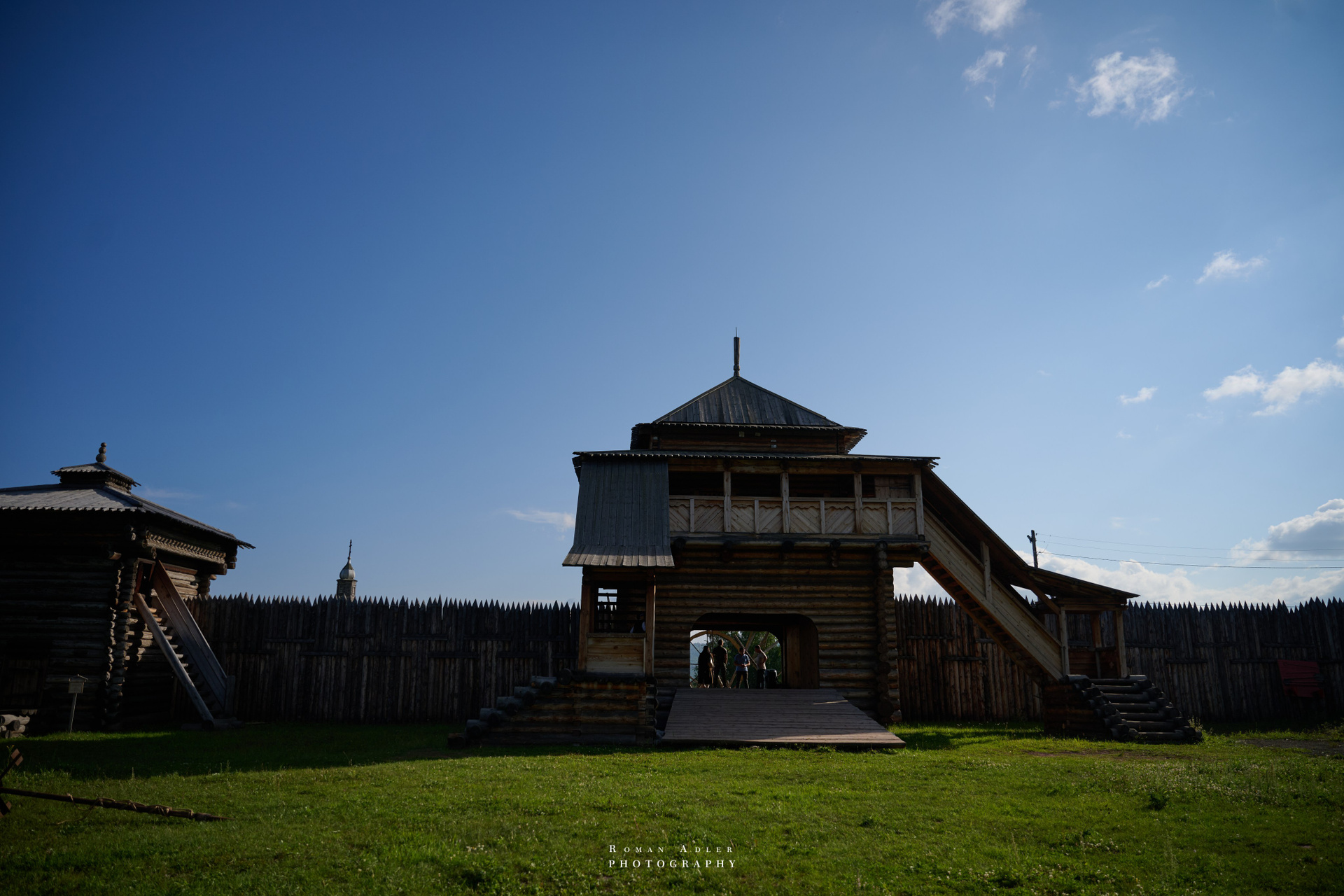
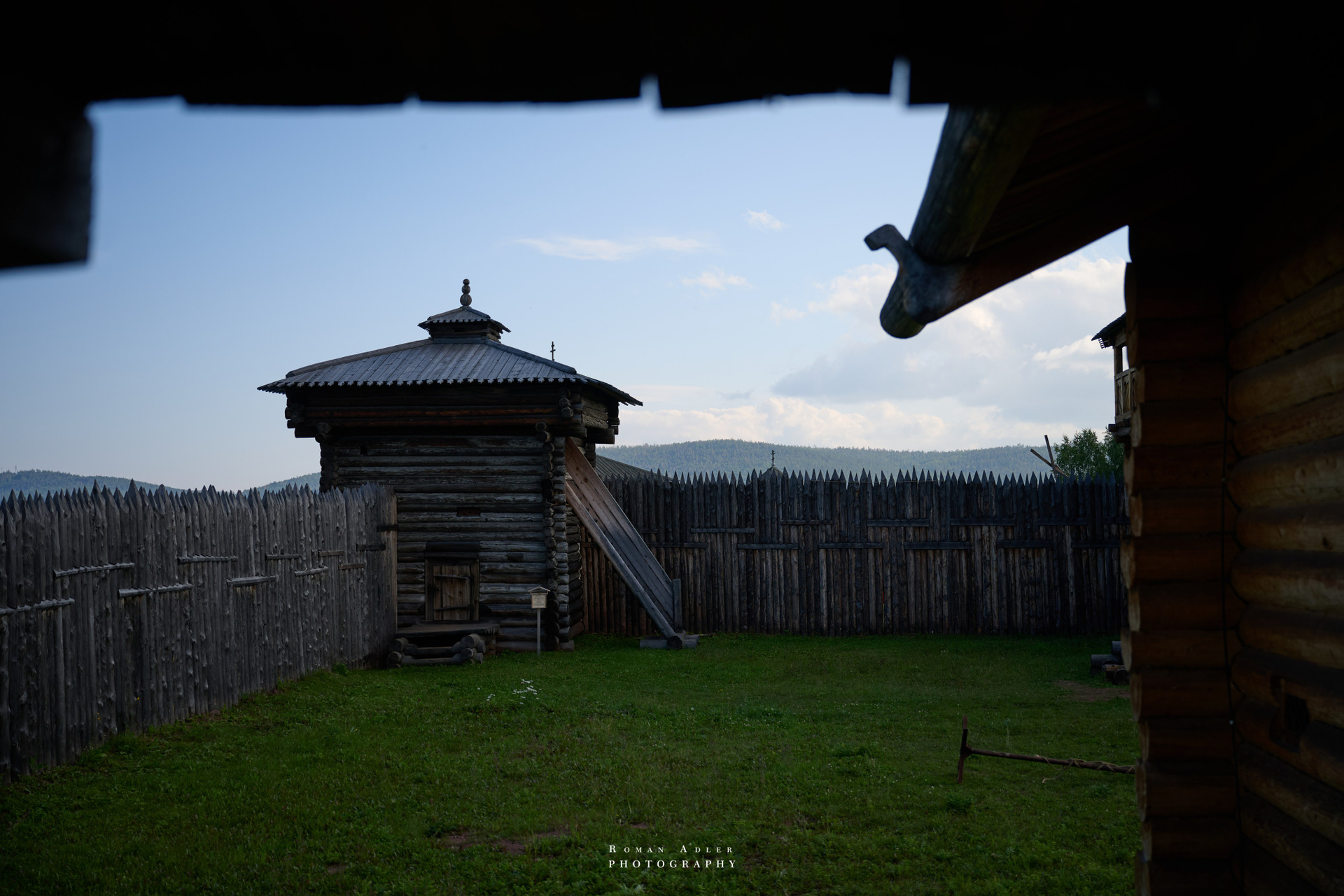
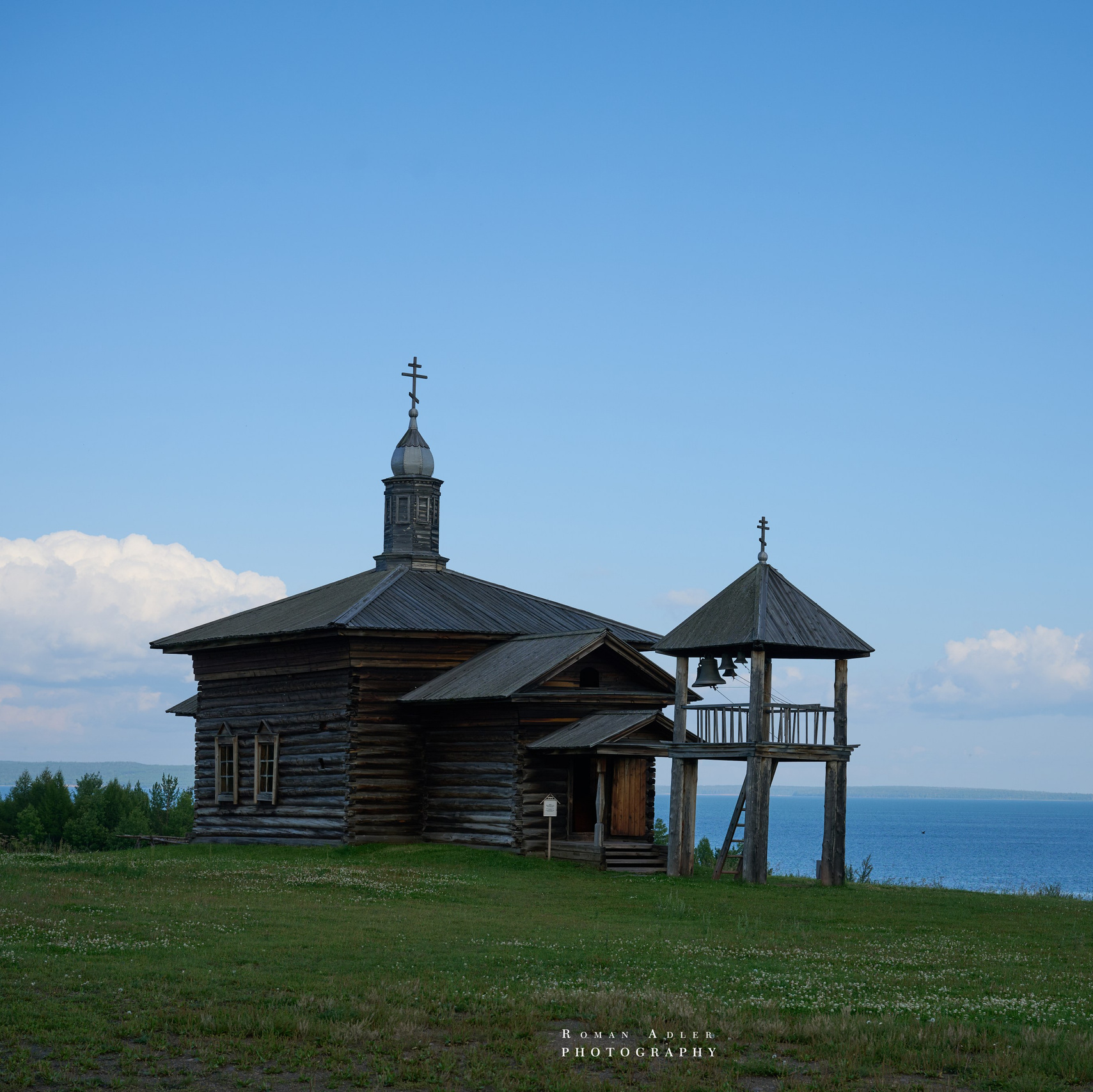
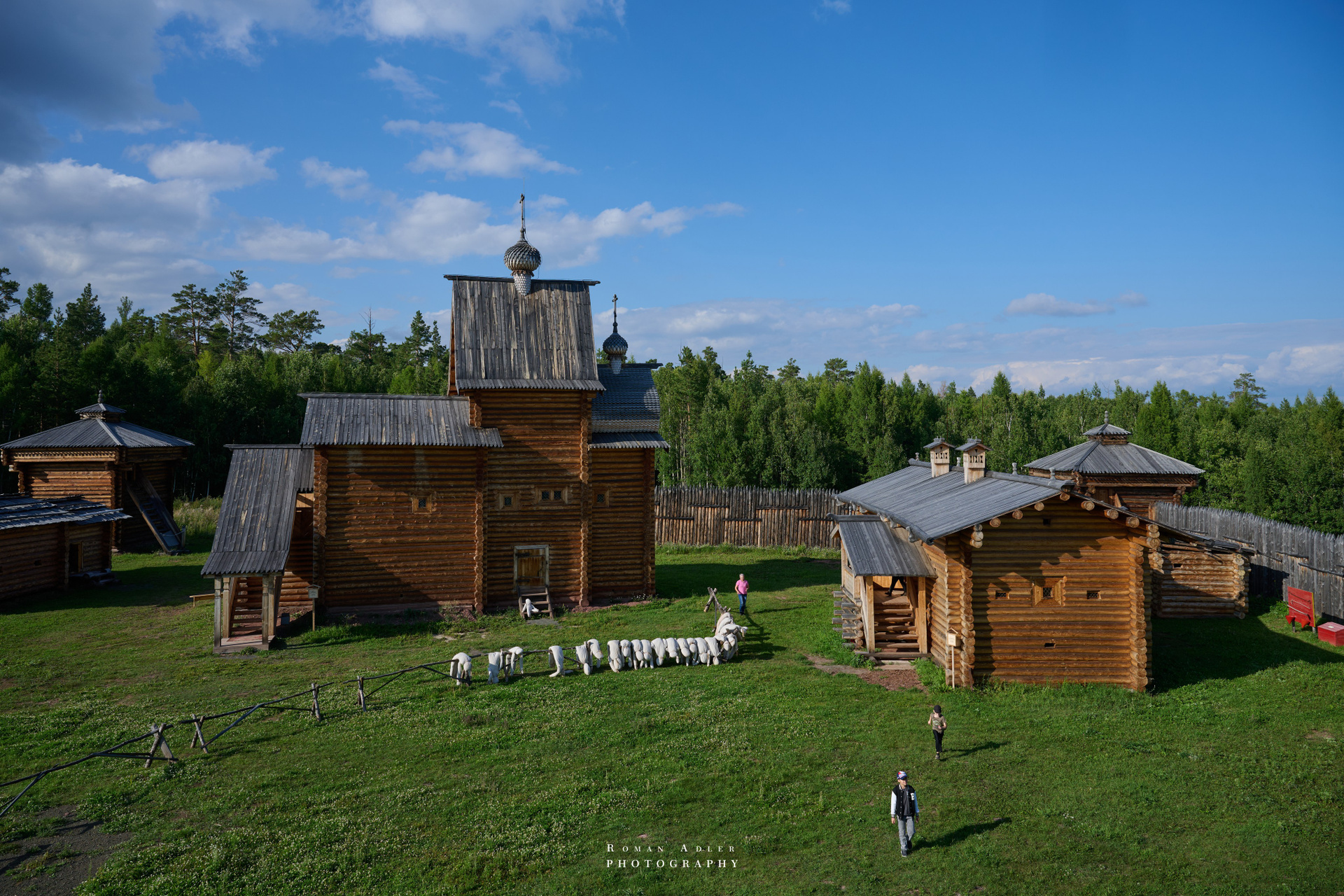
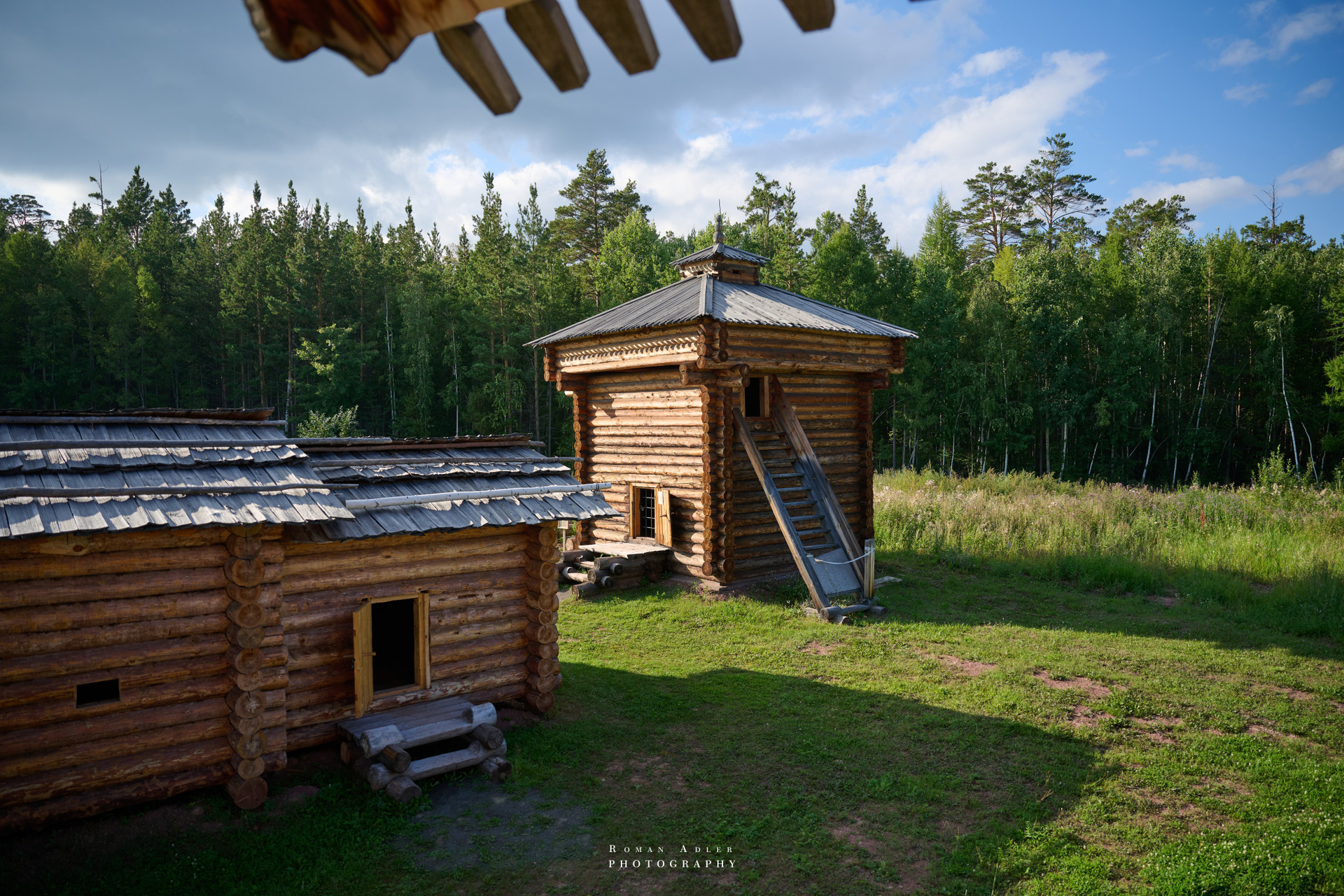
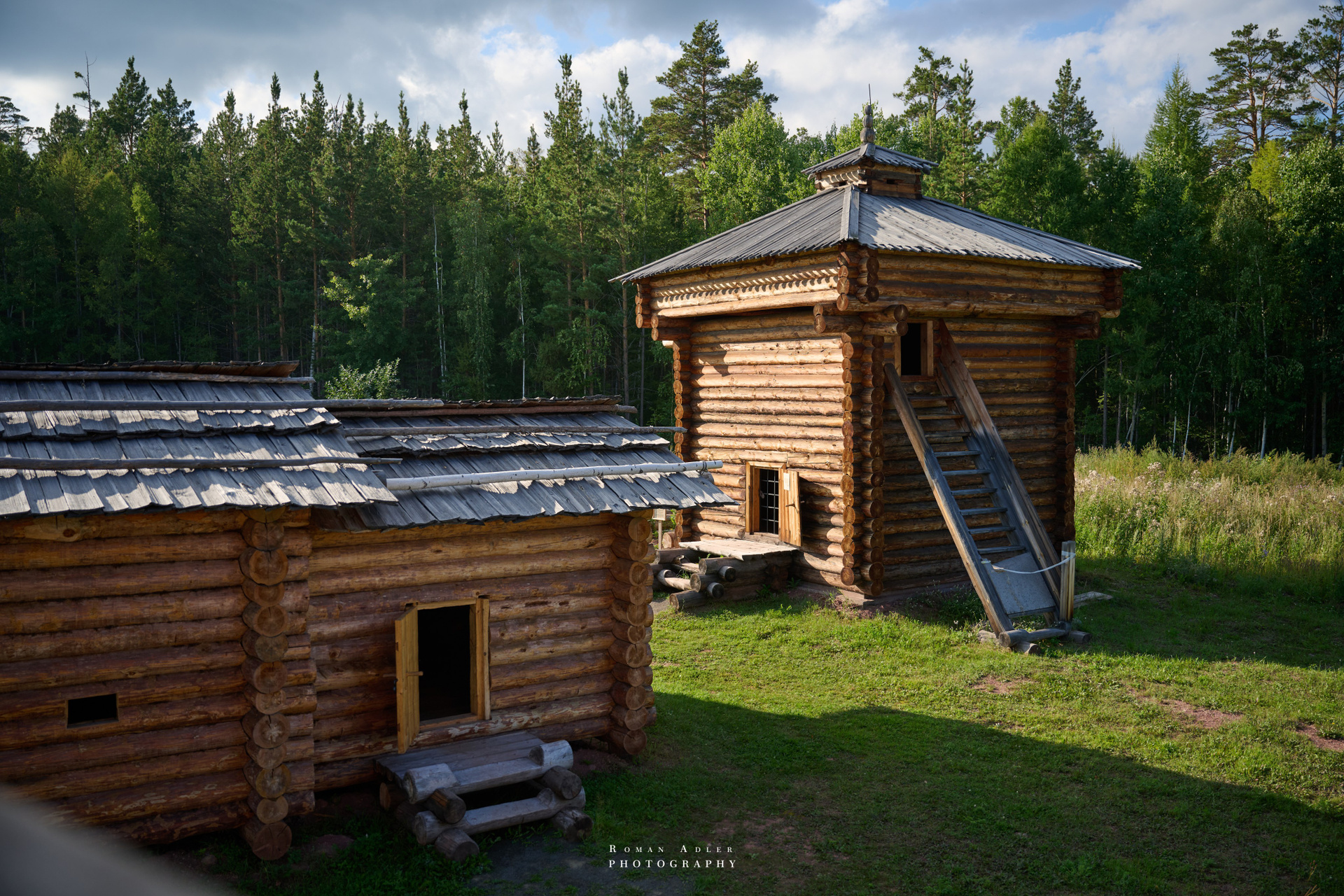
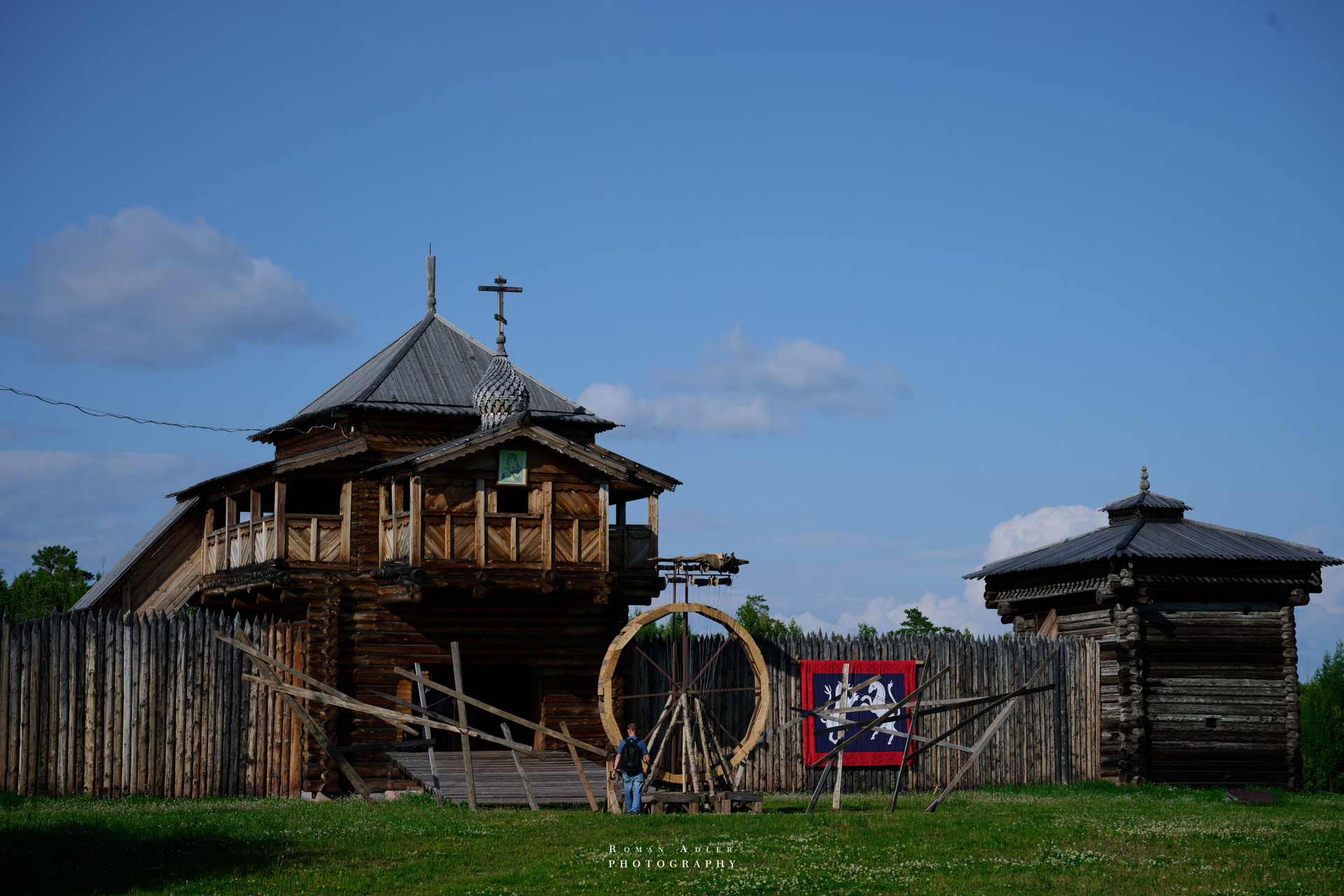
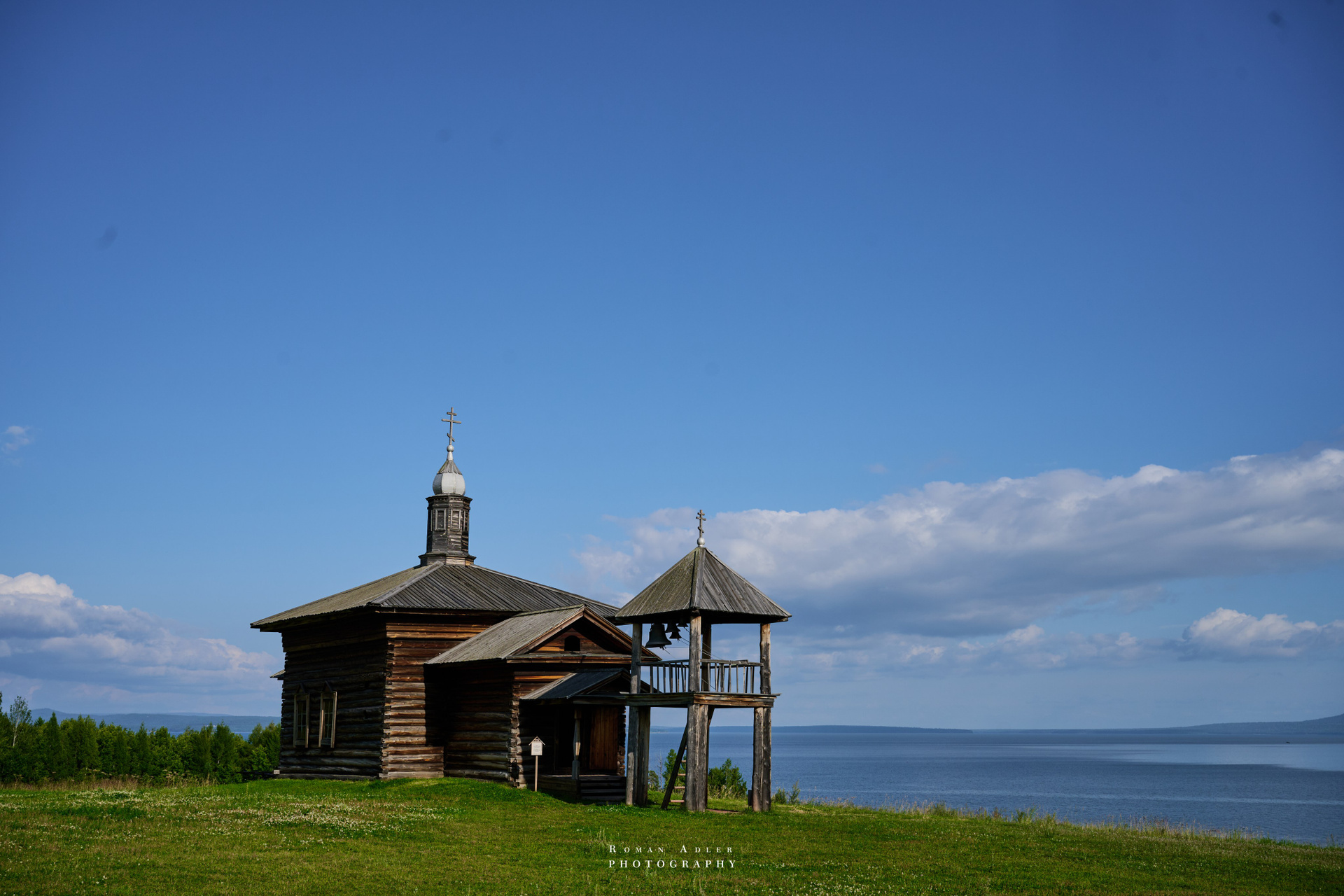
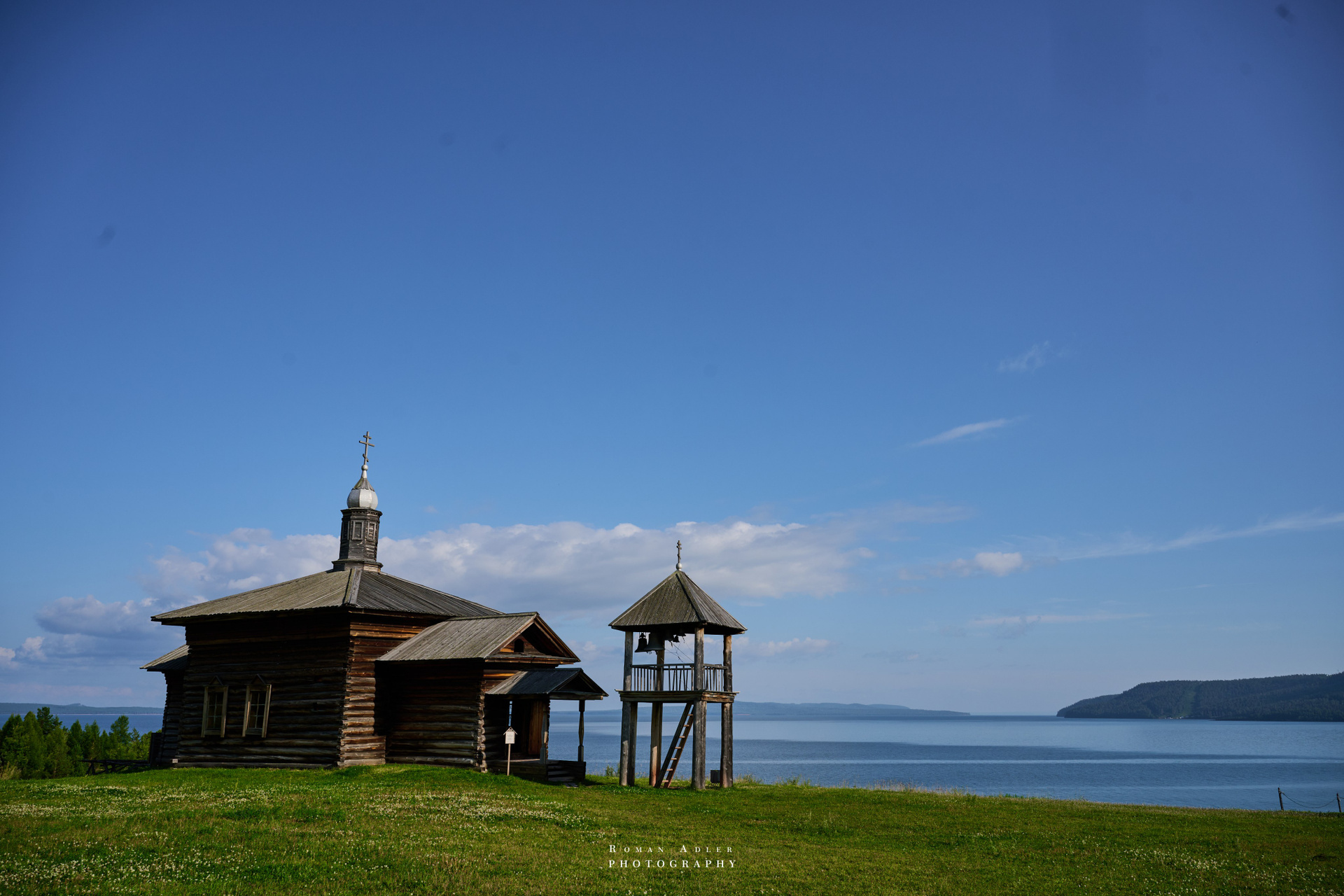
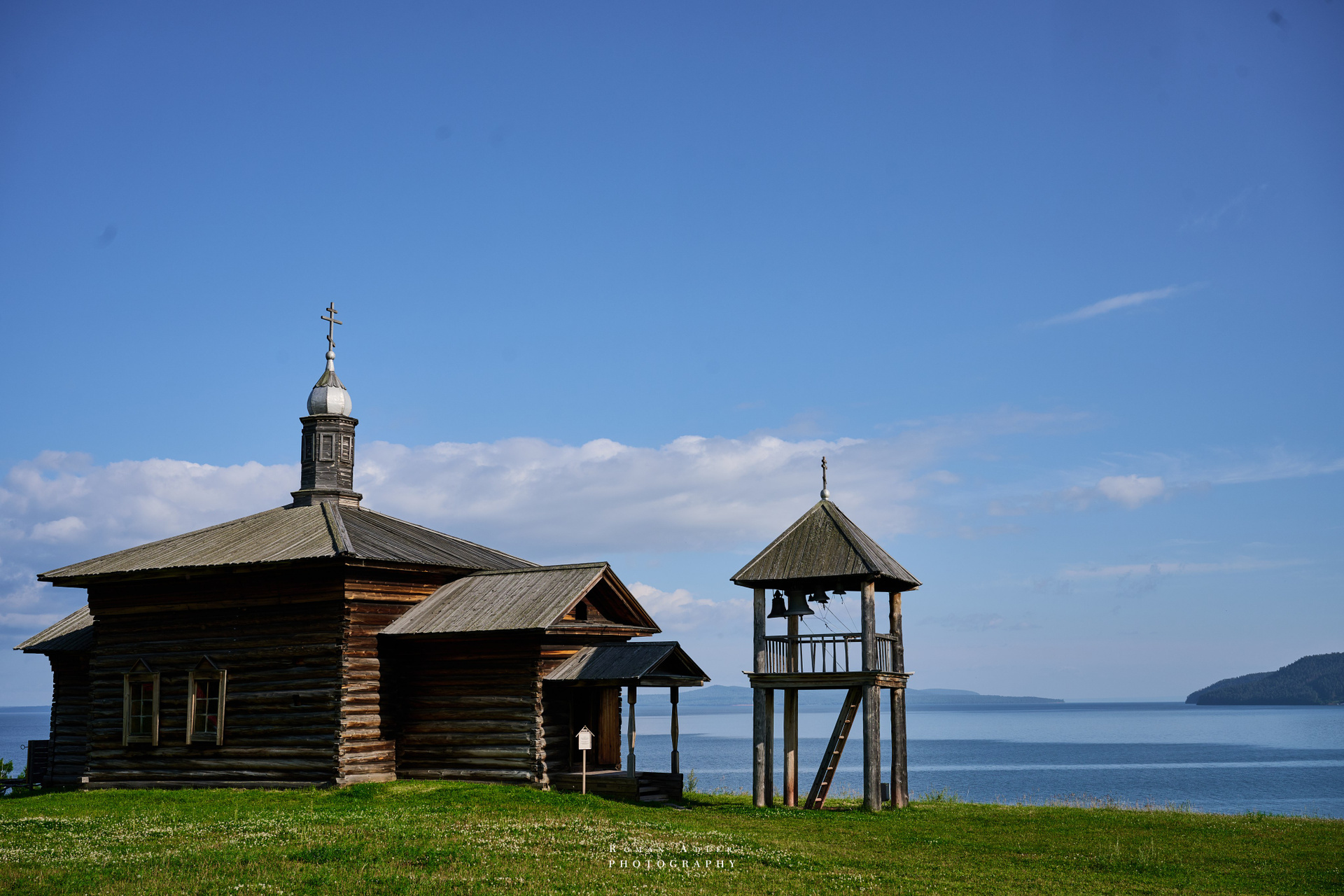
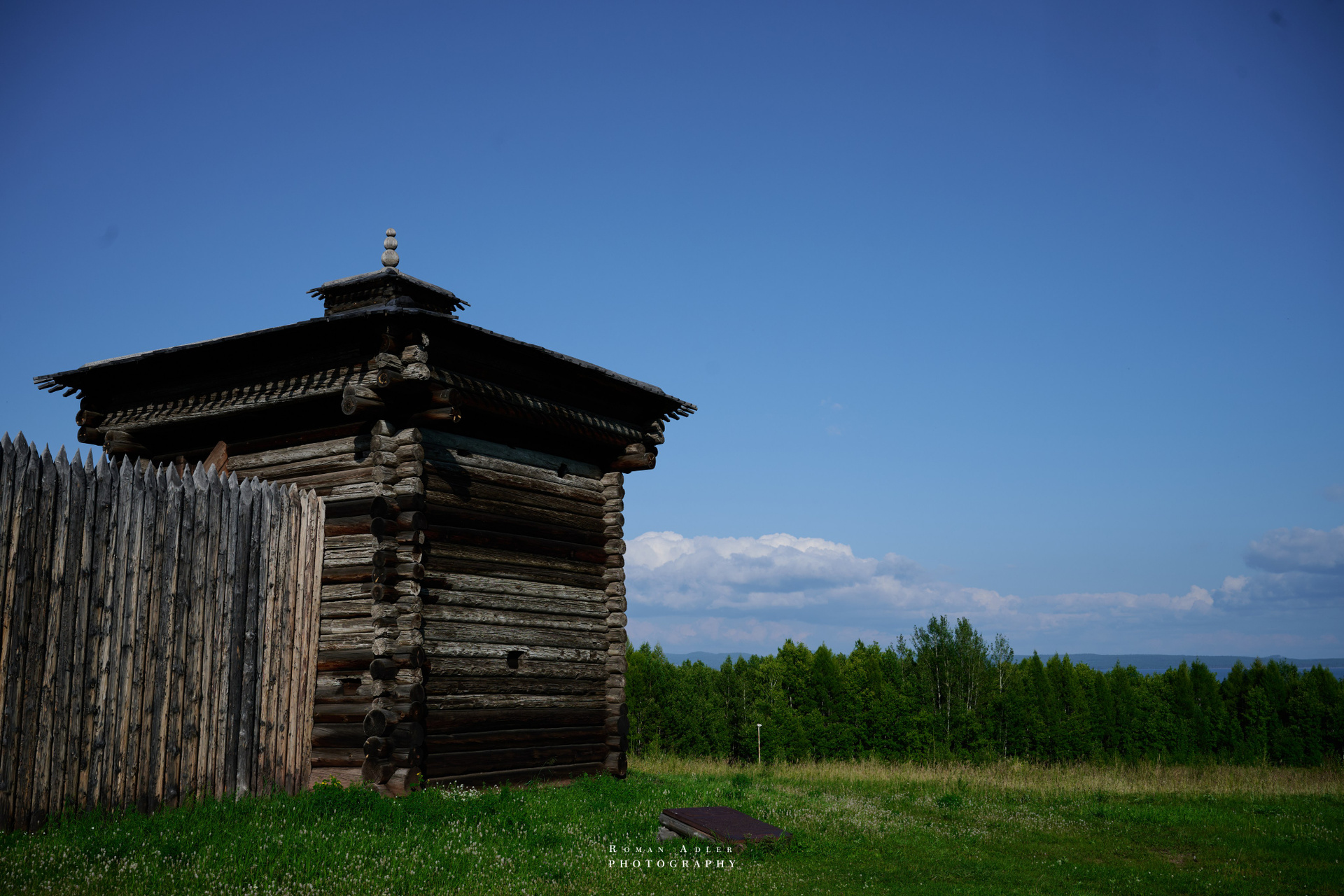
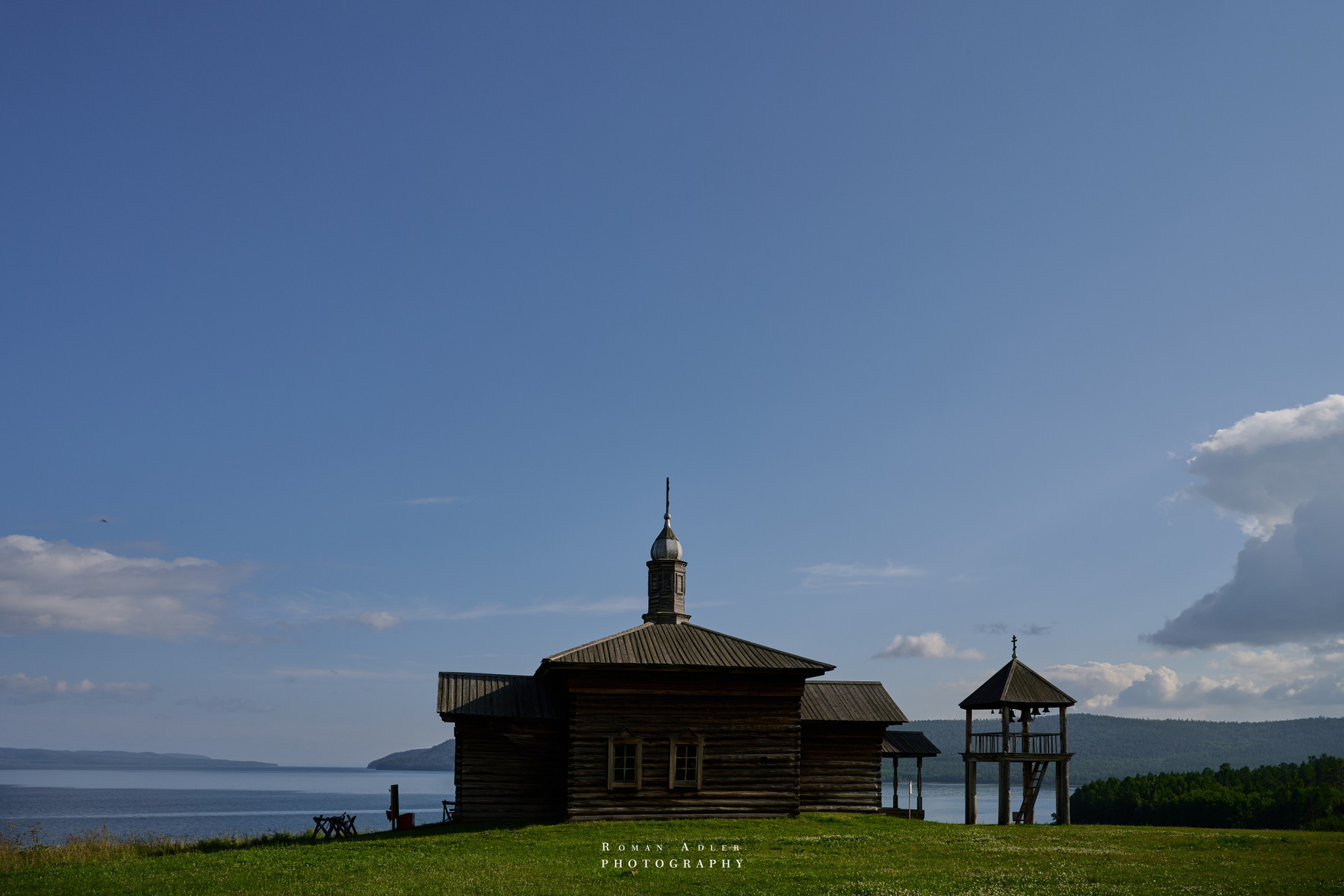
Main attractions: the tower of the Bratsk stockade (17th century), St. Michael the Archangel Church (1875), and the powder magazine.
A Journey to Bratsk
How the “Angara Village” Saved Siberia’s History
Imagine: you walk through an ancient taiga, where the air is filled with pine scent, and suddenly around the bend you see not just a hut, but a real fortress tower from the 17th century. One more step — and before you lies a settlement of indigenous peoples with shamanic masks. This is not a historical film set. This is the “Angara Village” — one of Russia’s most unique open-air museums.
The Birth of the Museum
The museum began to be created in 1979 by decision of the Ministry of Culture of the RSFSR. The idea, however, was born earlier: in 1968 a local history museum appeared in Bratsk, and in 1970 activists began to speak of preserving wooden architecture. The official opening to visitors took place on 1 June 1983.
Initially the museum was built with the participation of the city’s largest enterprises — Bratskgesstroy, BrAZ and BLPK. And the first exhibits were buildings that fell into the flood zone during the construction of the hydroelectric station — they were literally saved from disappearing under water. Today the museum bears the name of O. Leonov, occupies 35 hectares and receives more than 30 thousand visitors a year.
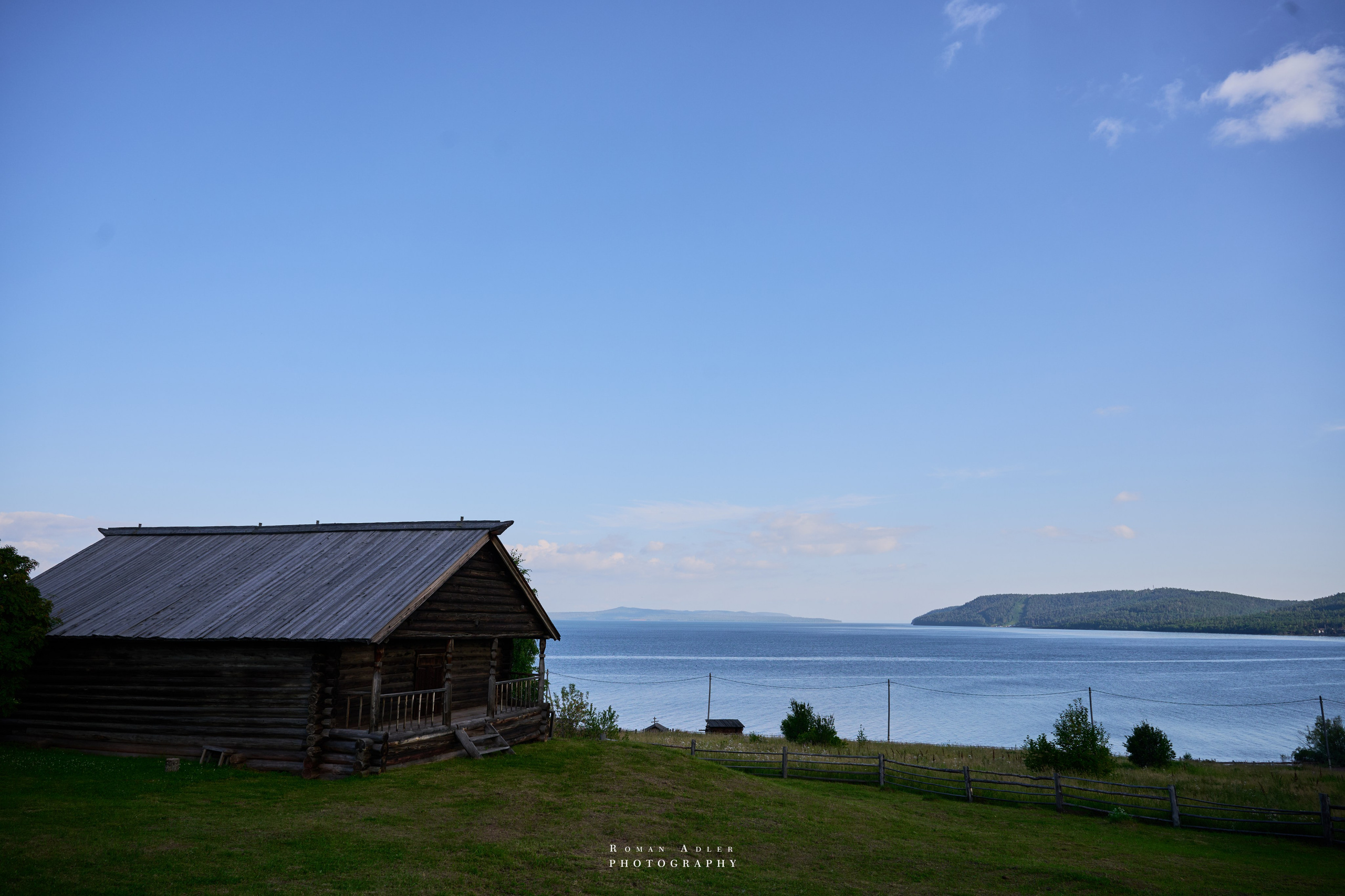
Two Worlds on One Land
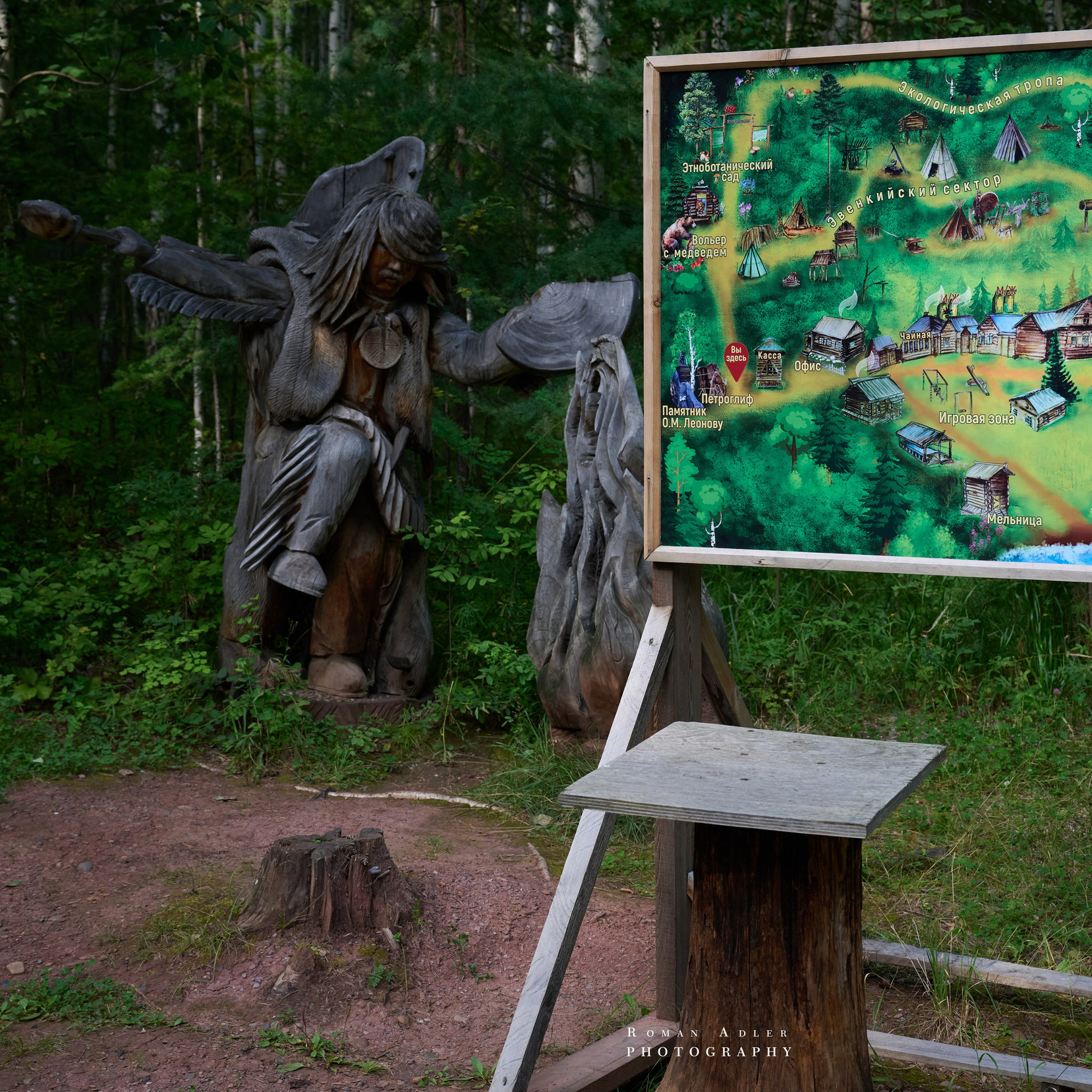
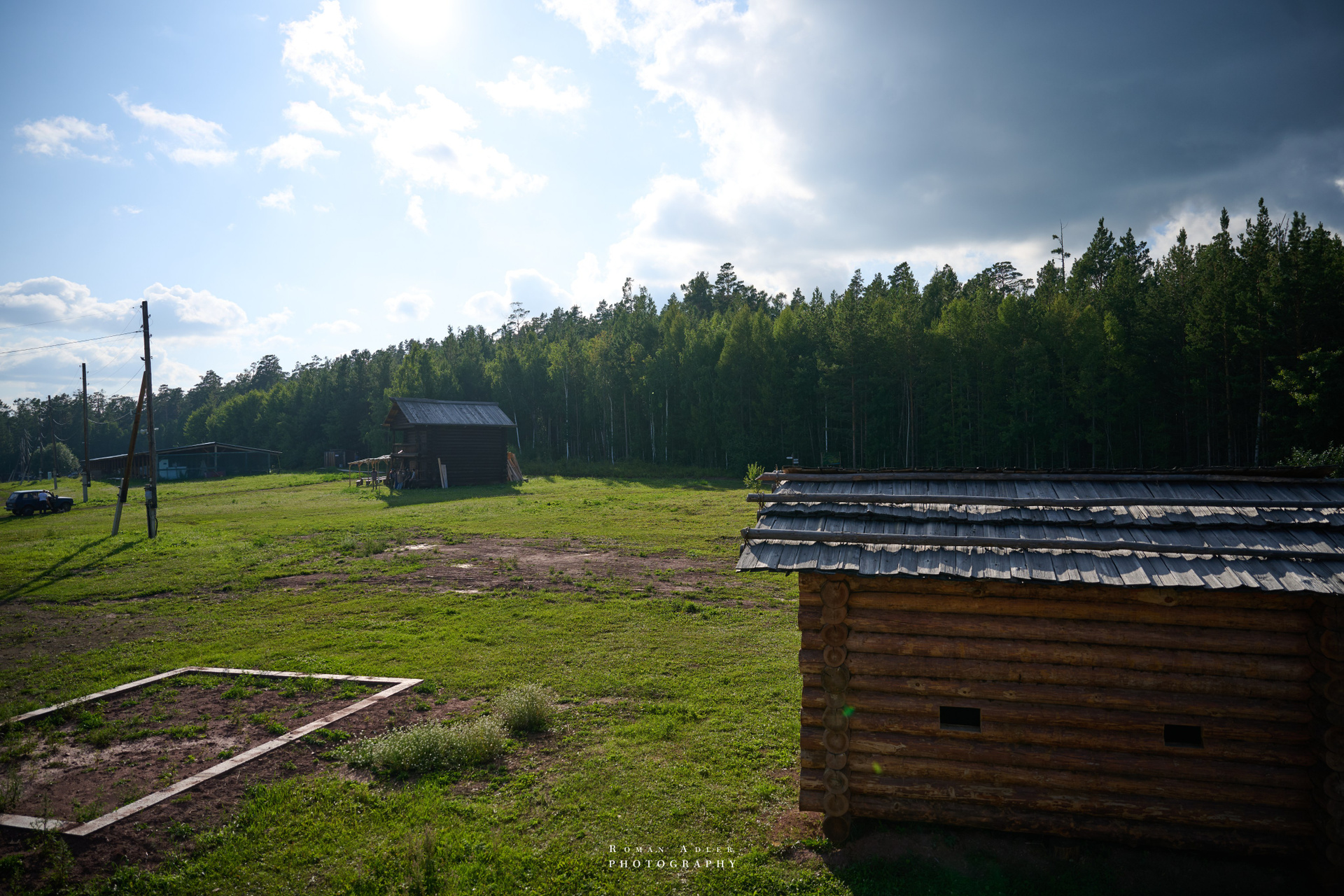
The museum is divided into two sectors — Evenki and Russian. Among the open-air museums of Eastern Siberia, the “Angara Village” is unique for its forest landscape, almost untouched by human hands.
Russian Sector: Siberia of the 19th Century
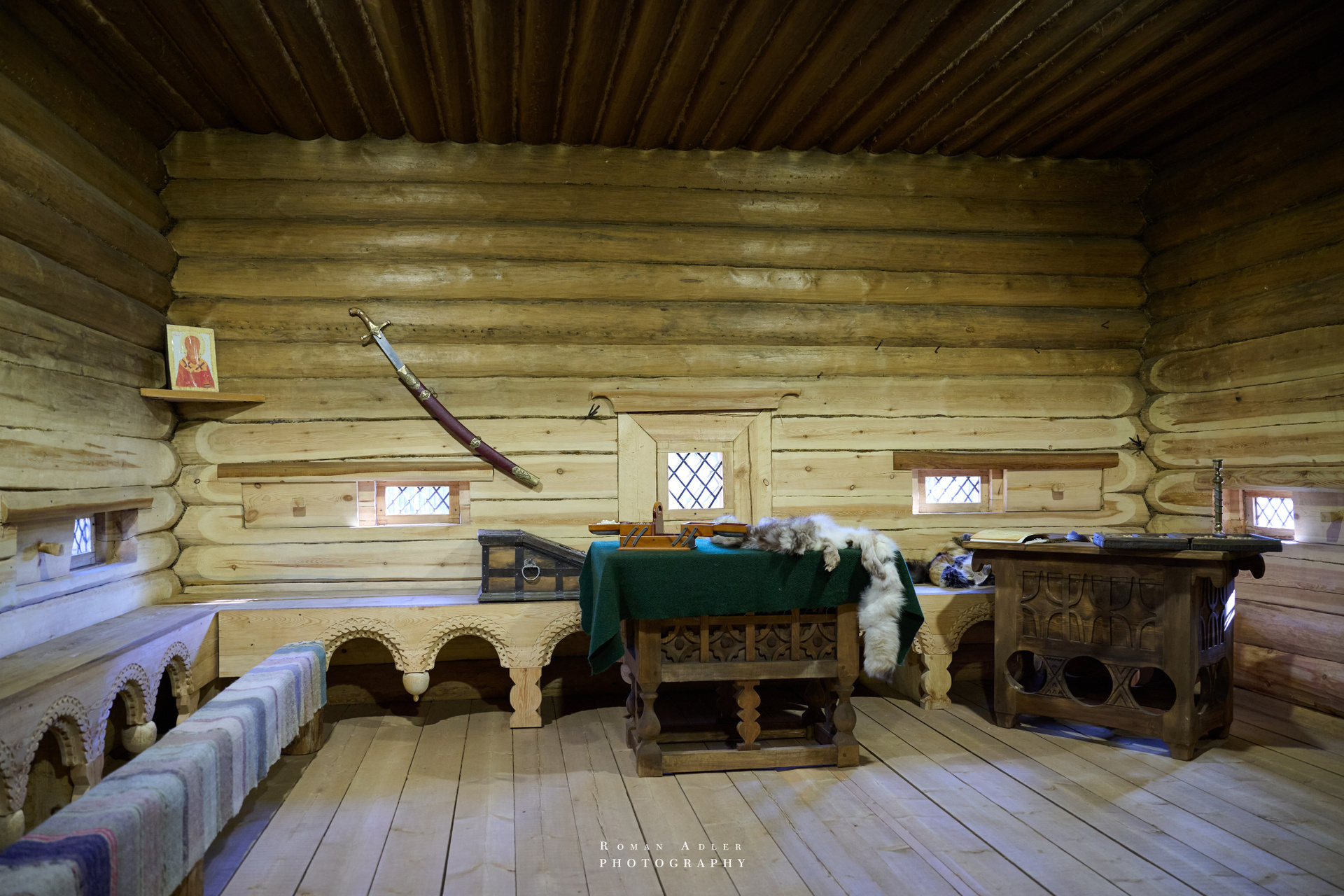
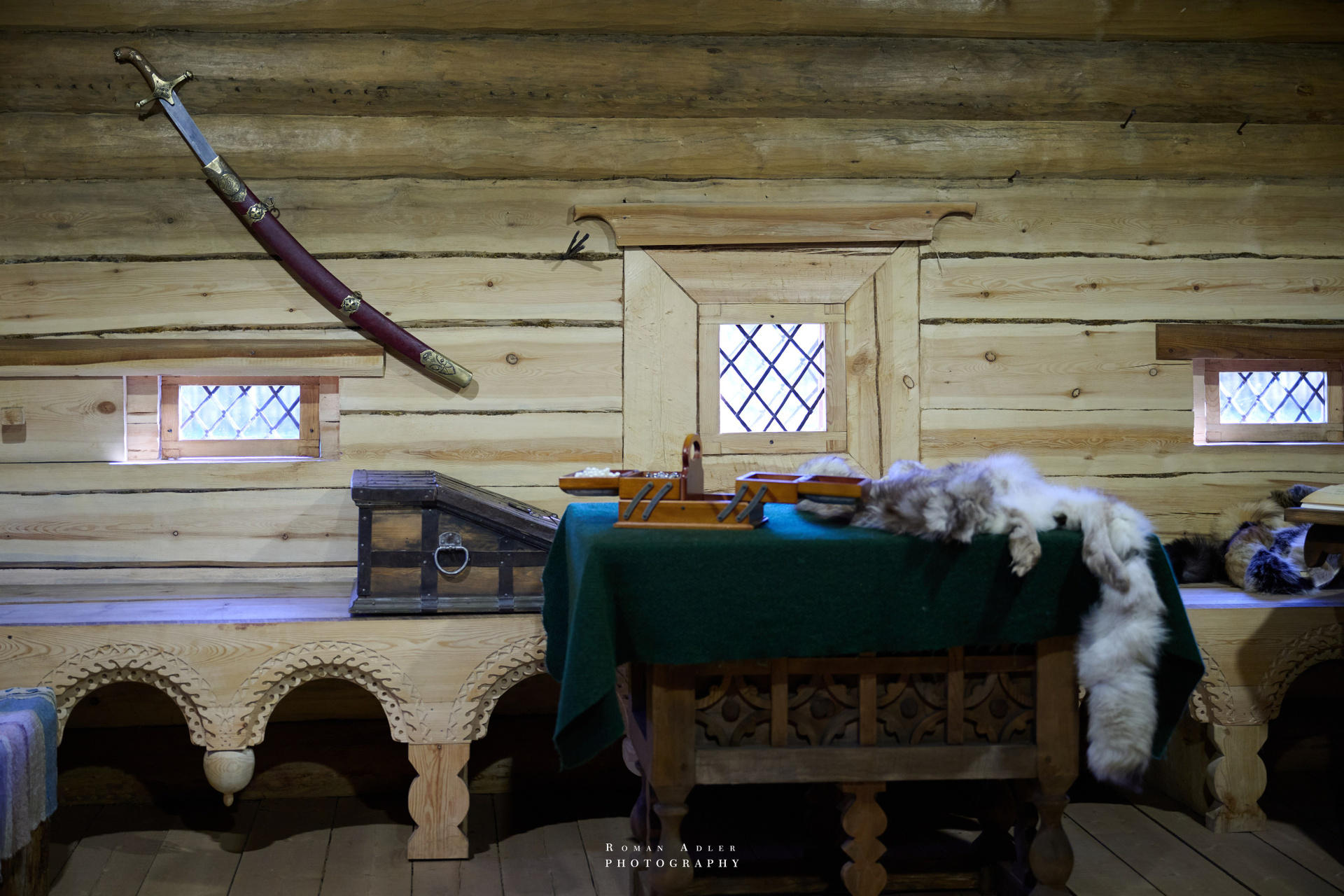
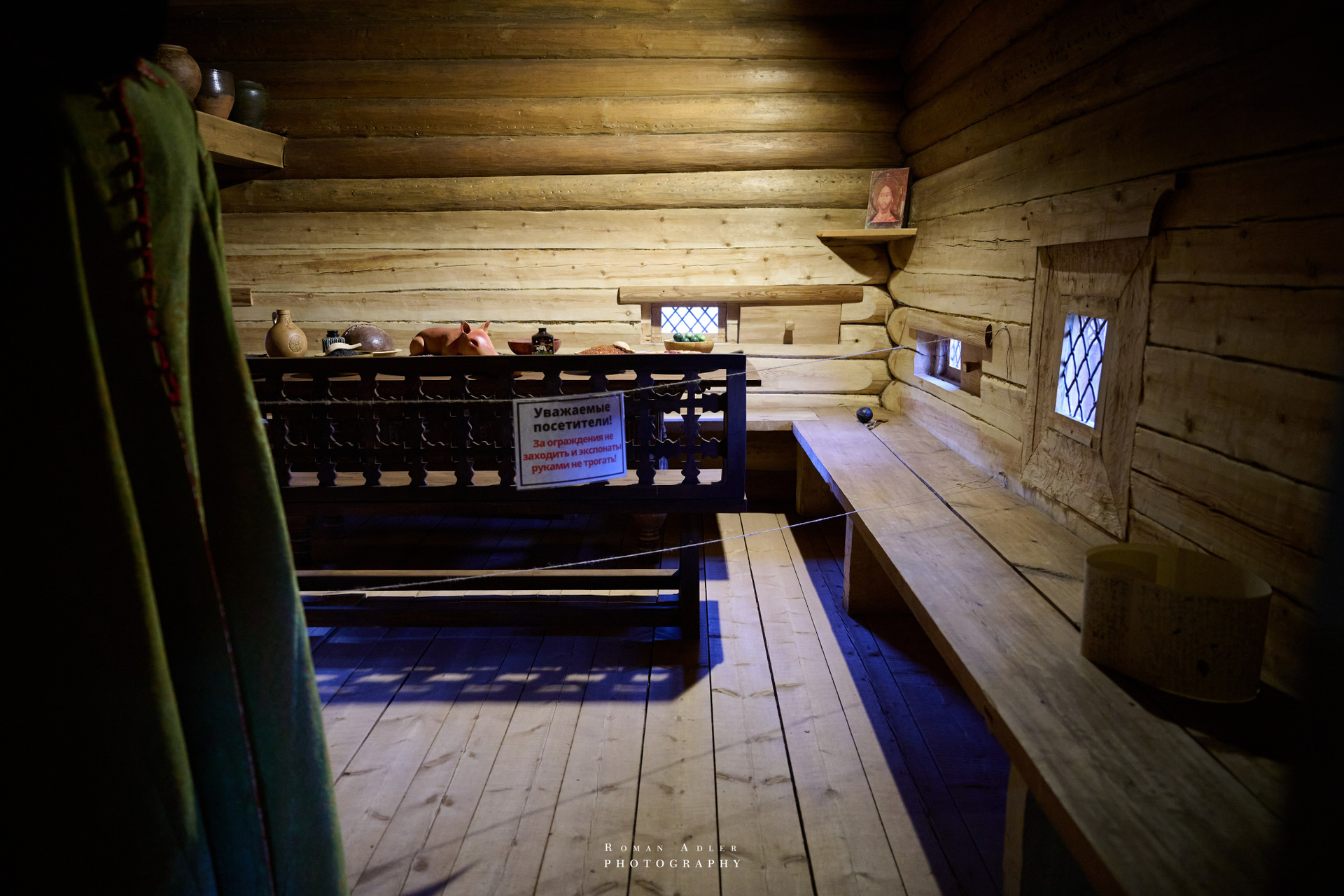
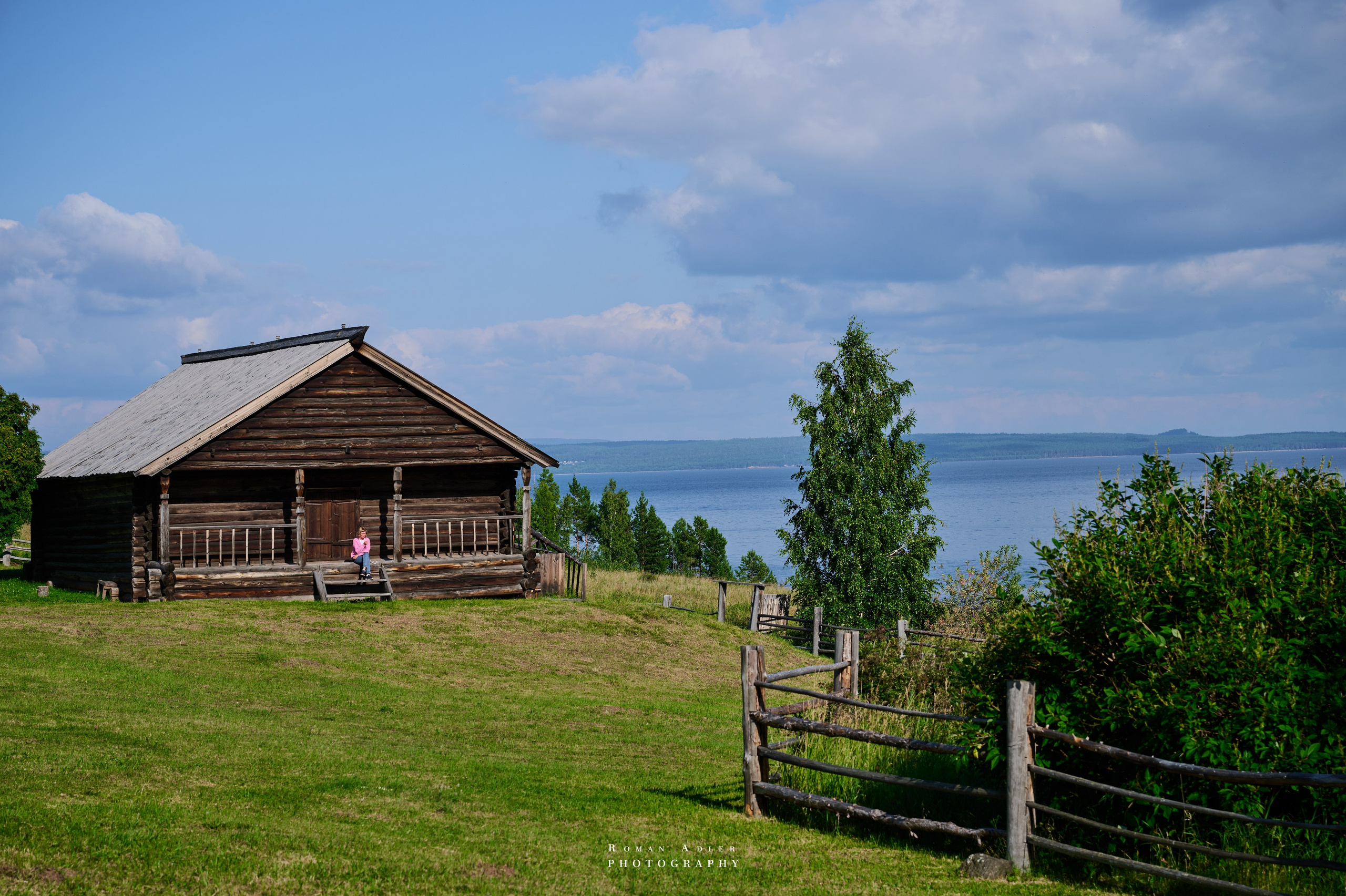
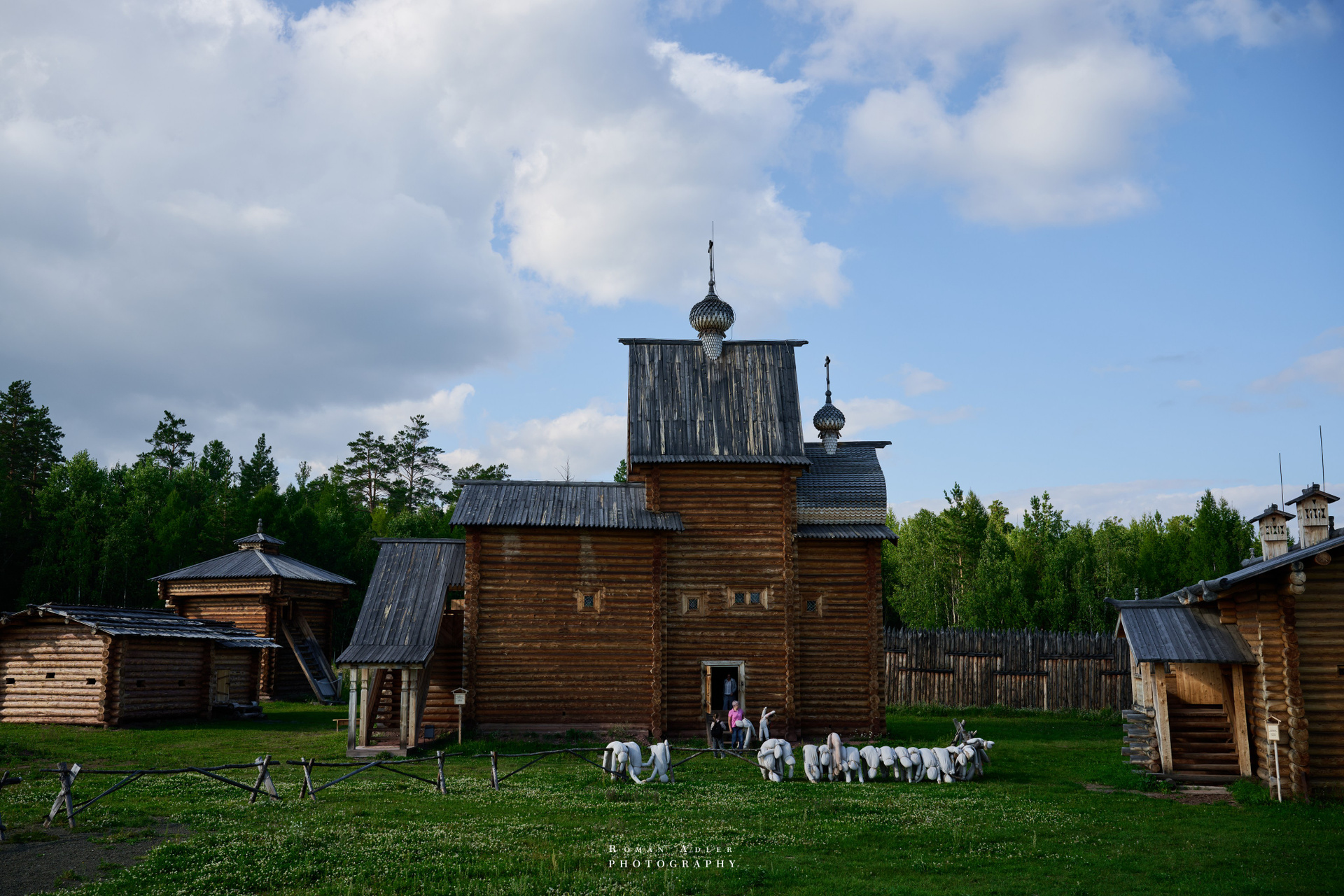
Here, 32 authentic monuments of wooden architecture are gathered, transported from villages along the Angara River. Four estate complexes, a smithy, and a Mangazeya granary recreate the atmosphere of a real Angara village from the late 19th — early 20th centuries.
Main Gems:
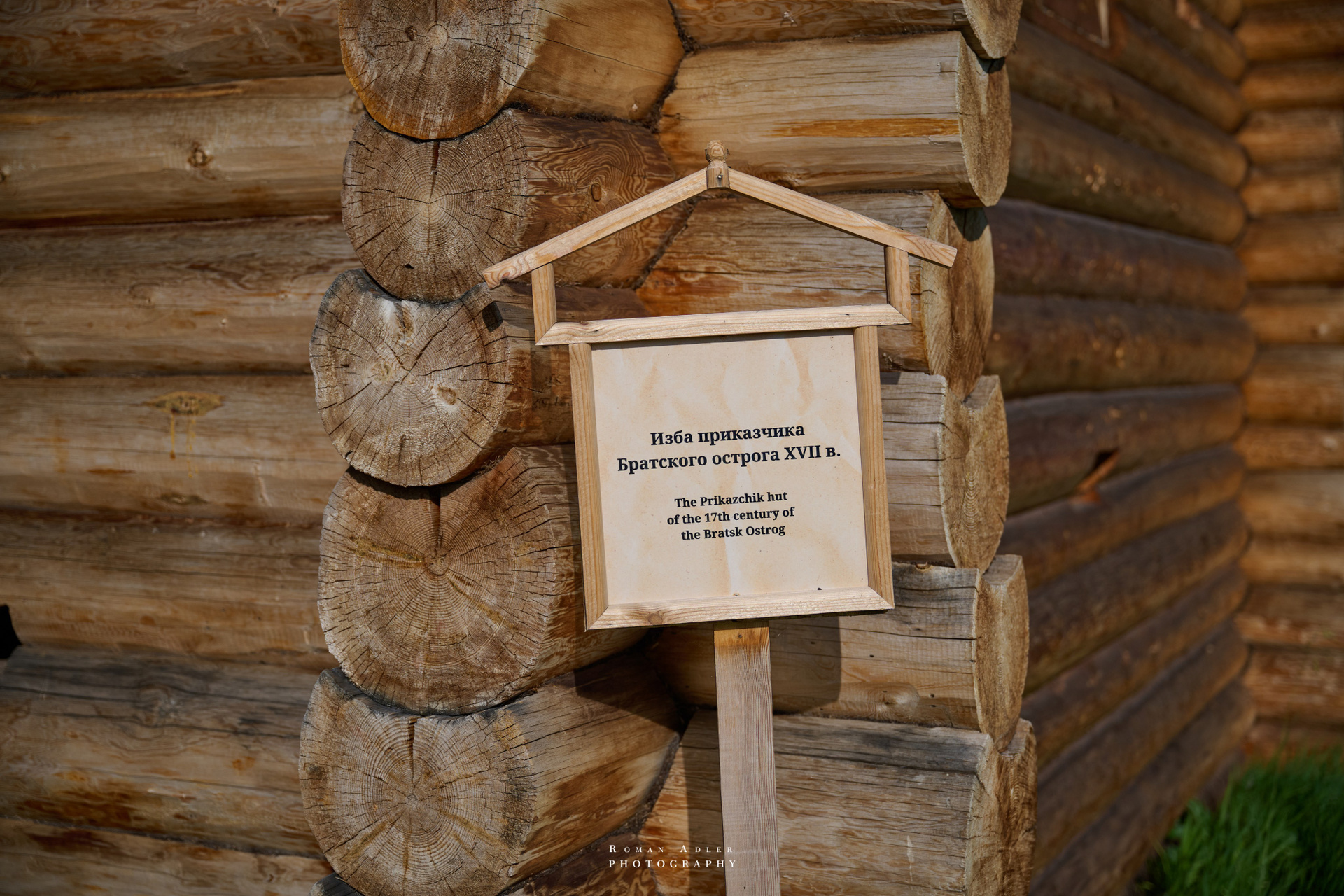
- · Tower of the Bratsk stockade (1654) — a testament to the Russian pioneers' exploration of Siberia.
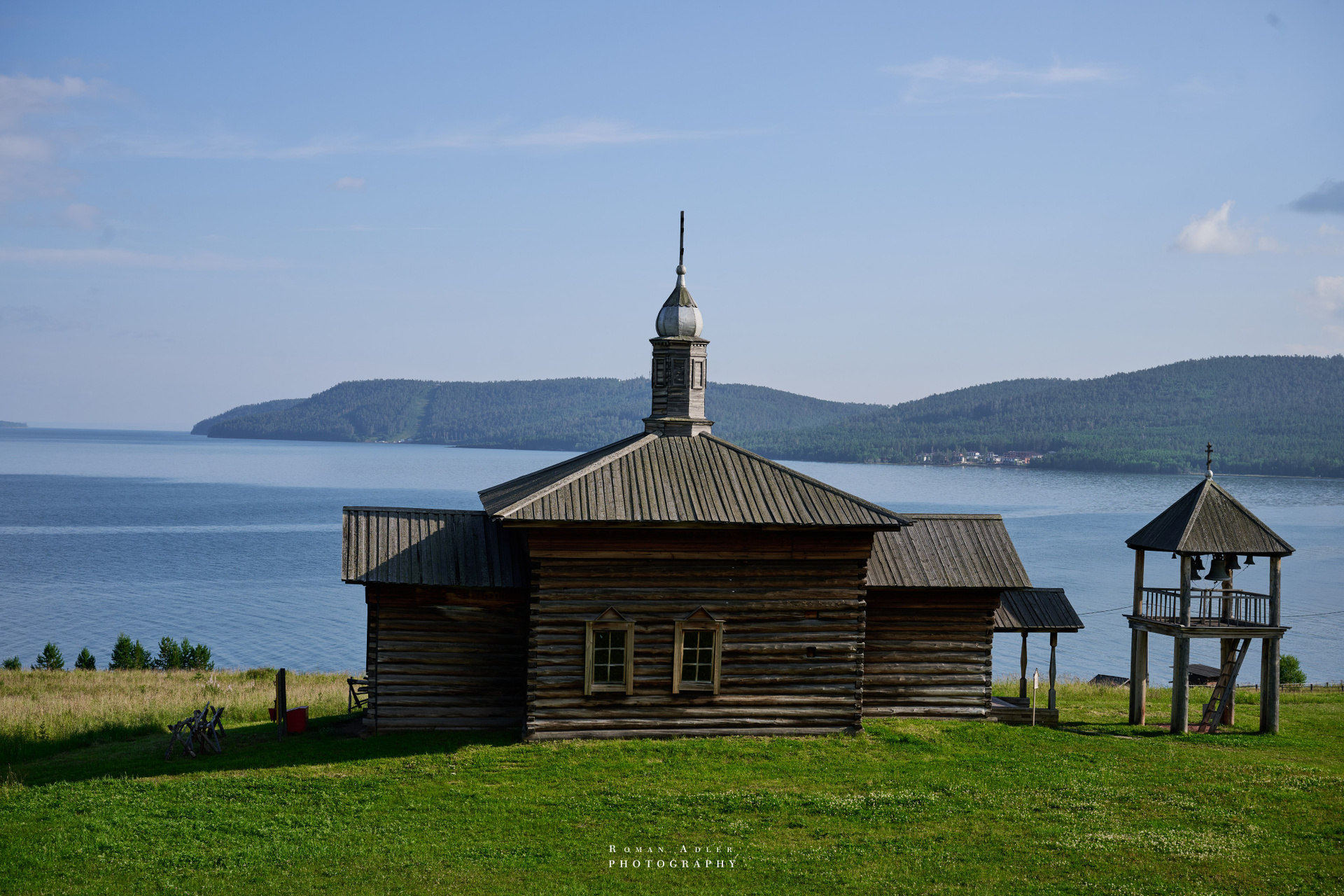
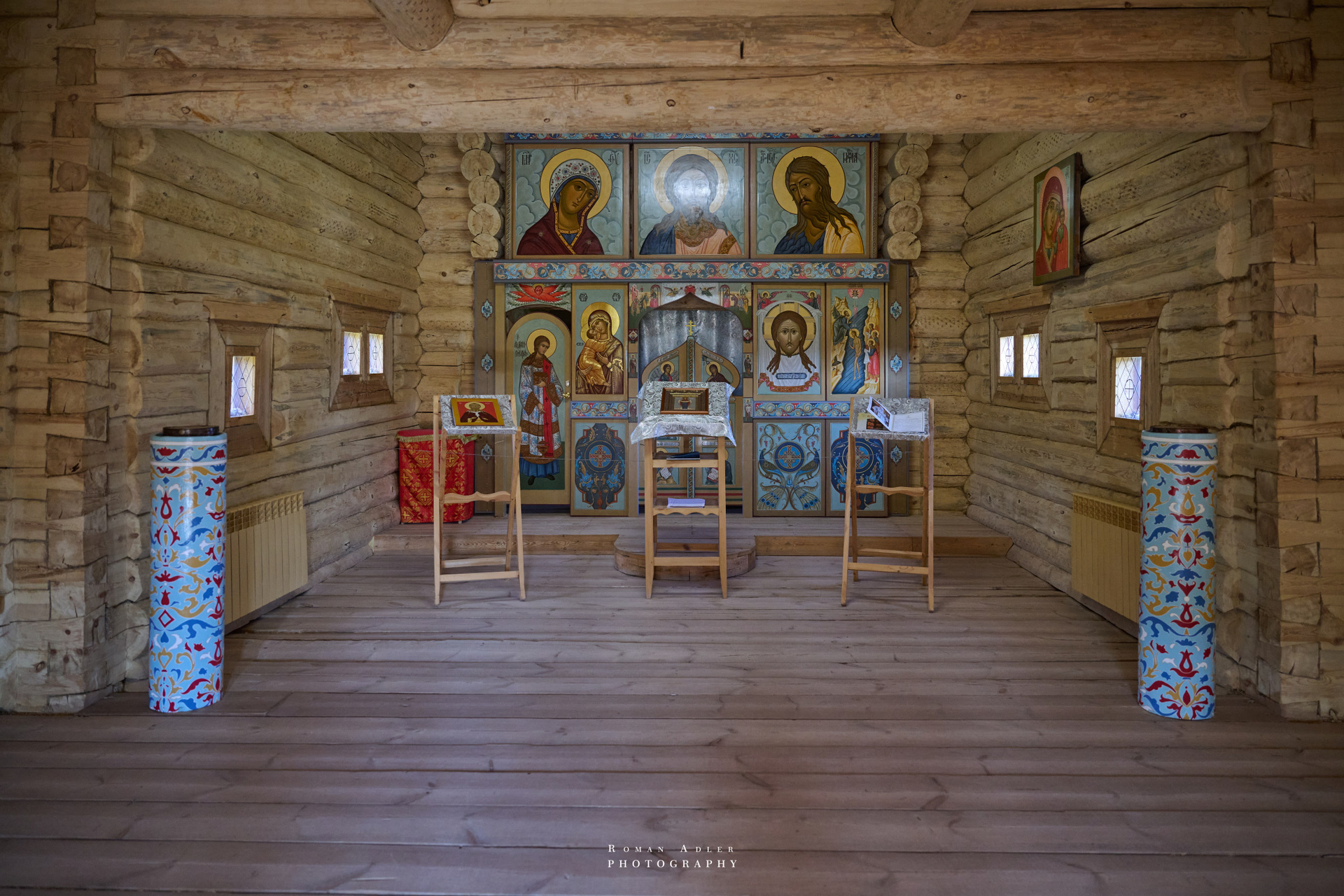
- · St. Michael the Archangel Church (1875) — an example of religious wooden architecture.
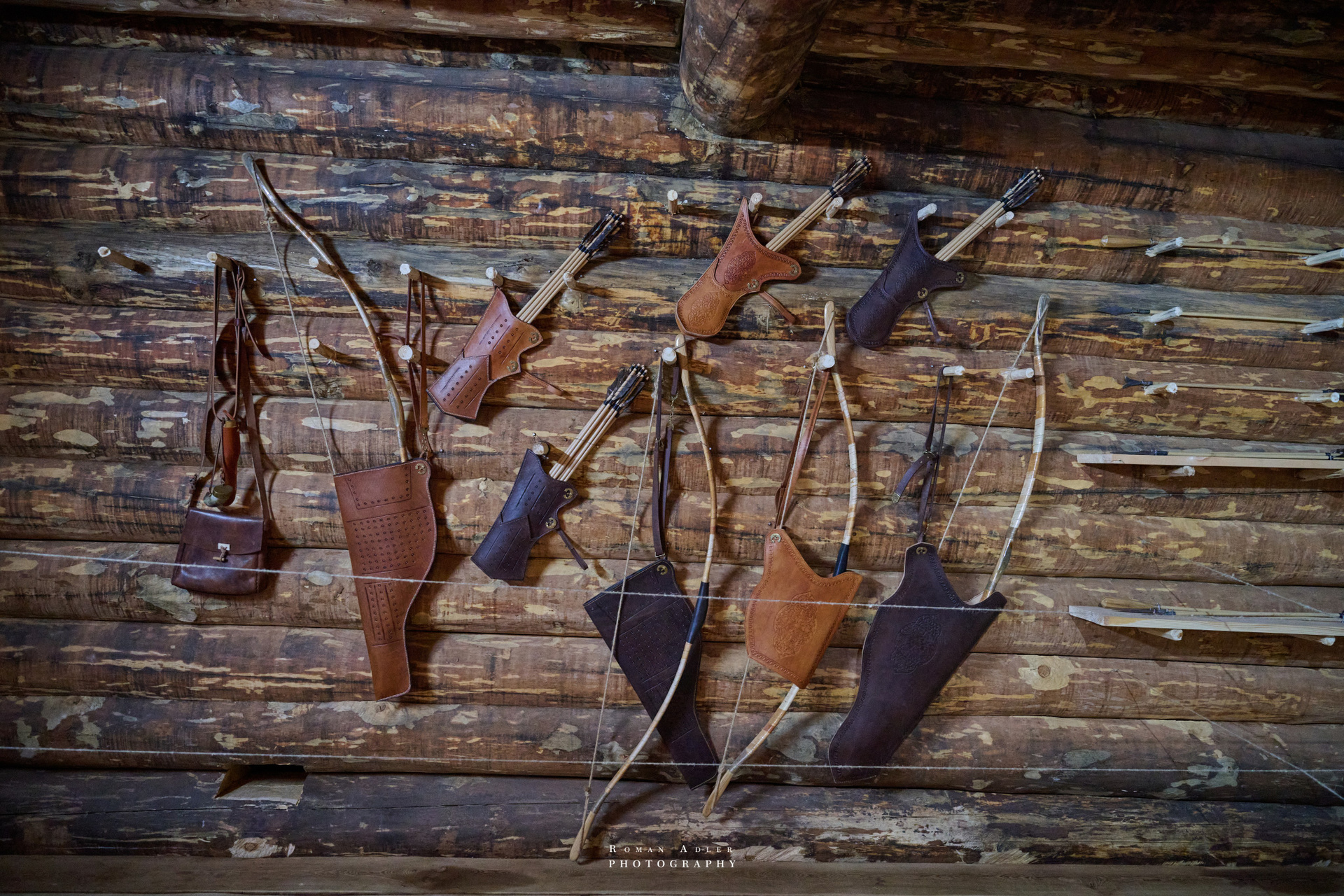
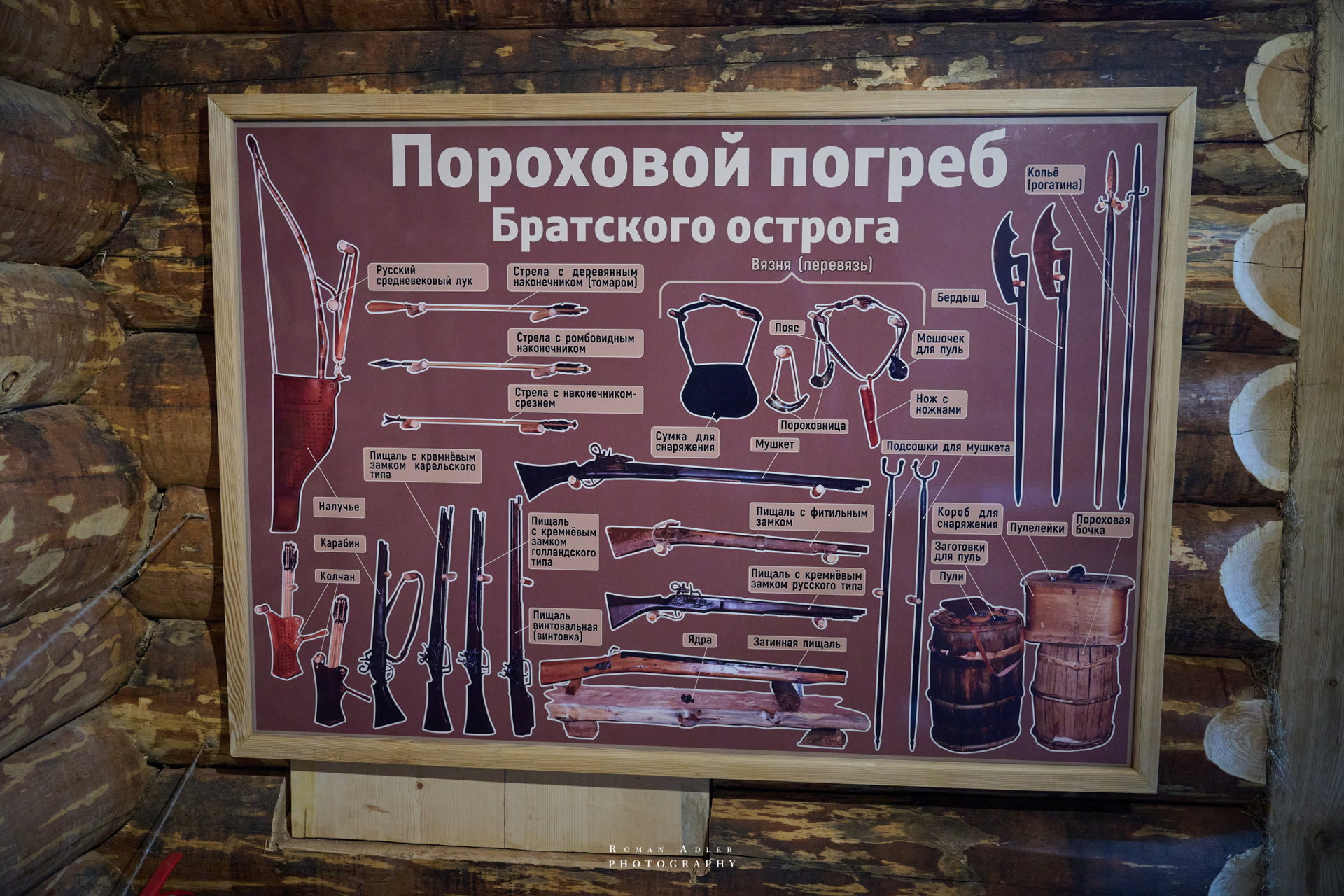
- · 17th-century powder magazine — a unique structure, recreated in 2025 as part of the “Bratsk Stockade” complex.
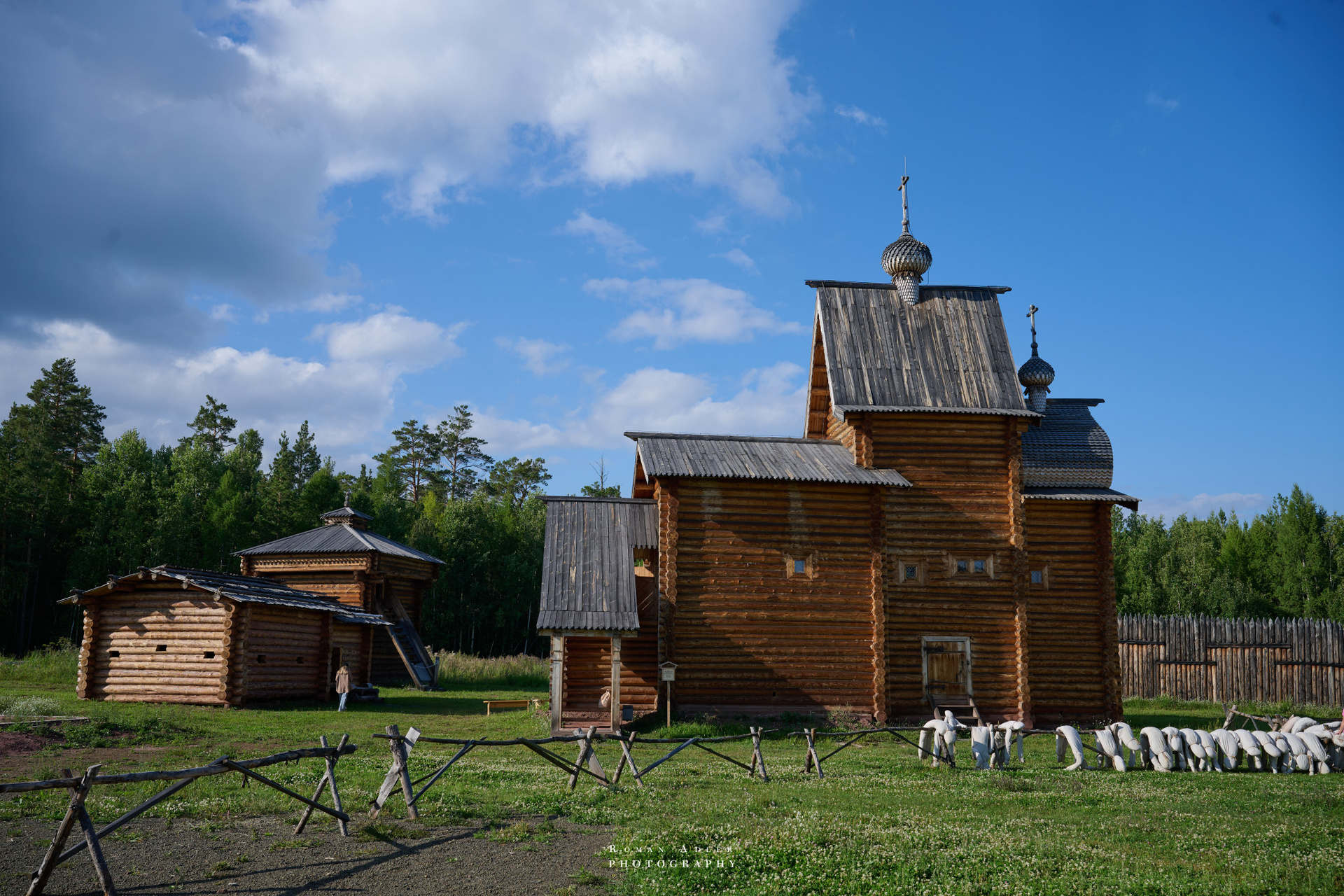
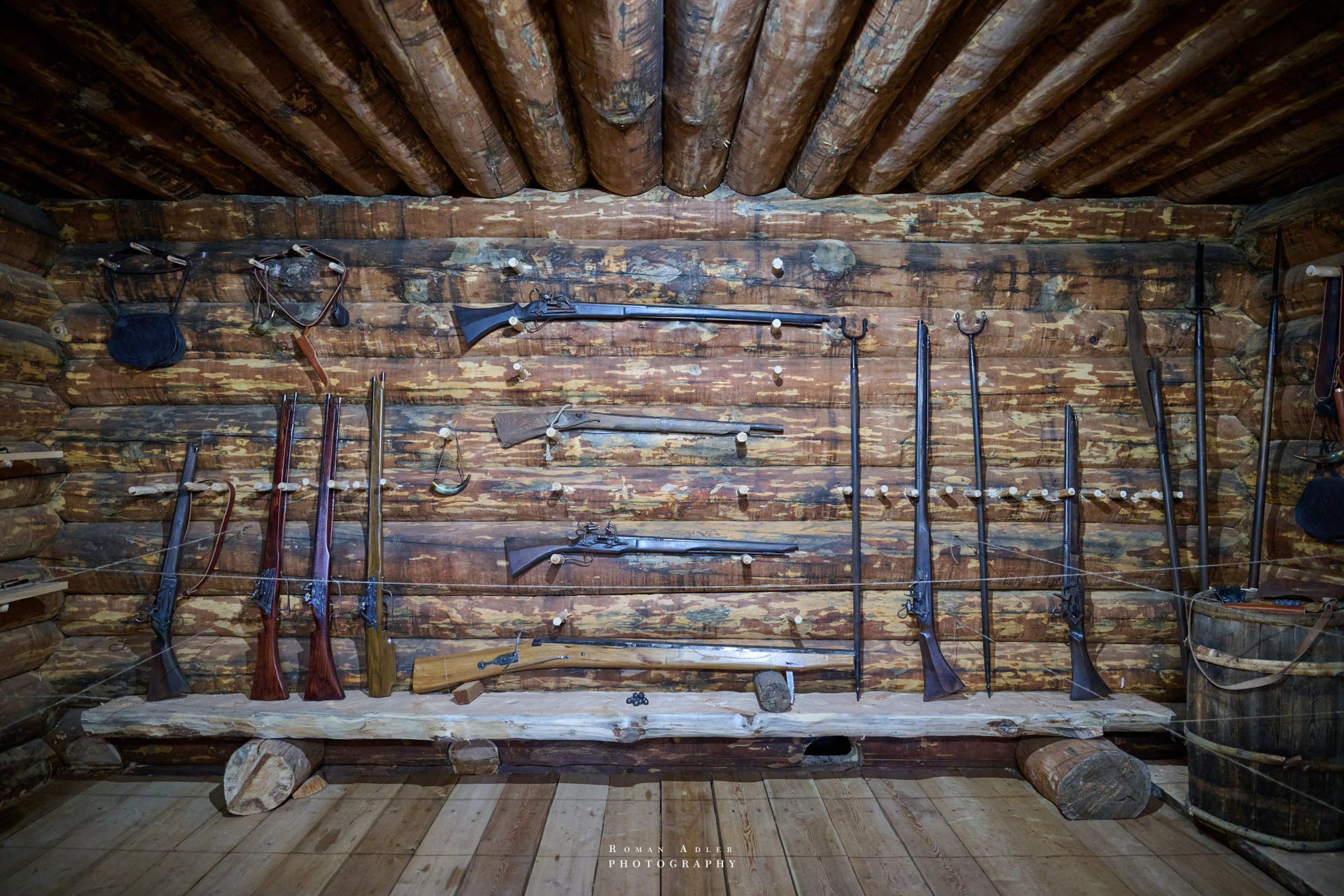
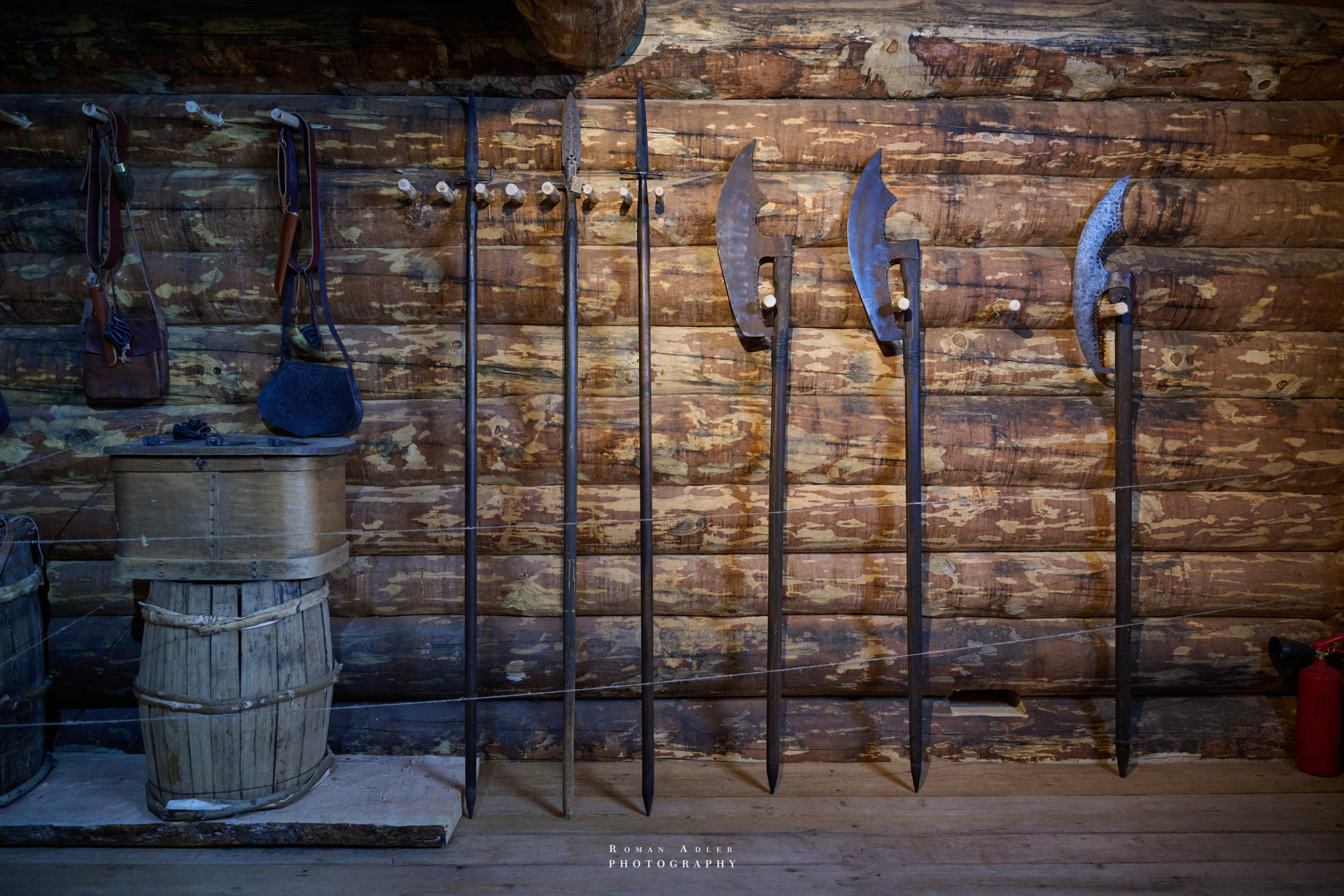
What to See and What to Do
The museum offers overview and themed tours:
· The culture and daily life of the Evenks
· The culture and daily life of the Russian population of the Angara region
· The Bratsk Ostrog in the 17th century
Environmental classes are held, as well as interactive programmes with folk games, and New Year and Christmas matinees.
How to Get There
The museum is located 12 km from the centre of Bratsk, in the city’s green zone. Address: Irkutsk Oblast, Bratsk, Vilyuy Federal Highway.
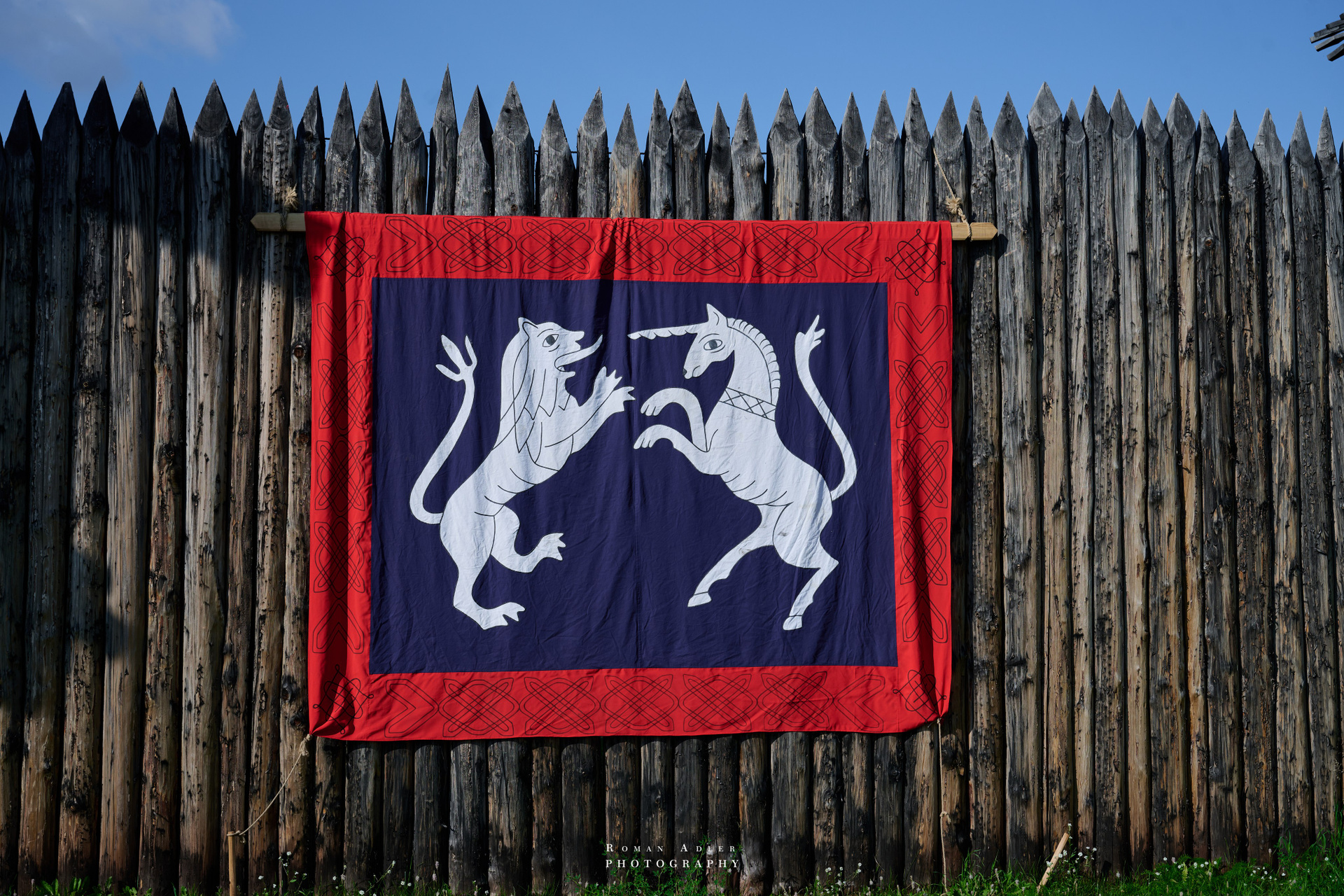
Photo gallery of the complex.
“Angarskaya Derevnya” is not just a museum. It is living history, where every log frame remembers the hands of its makers, and the century-old pines keep the secrets of nomadic tribes. A place where time stops and a real journey into Siberia begins.
Enjoy the view.
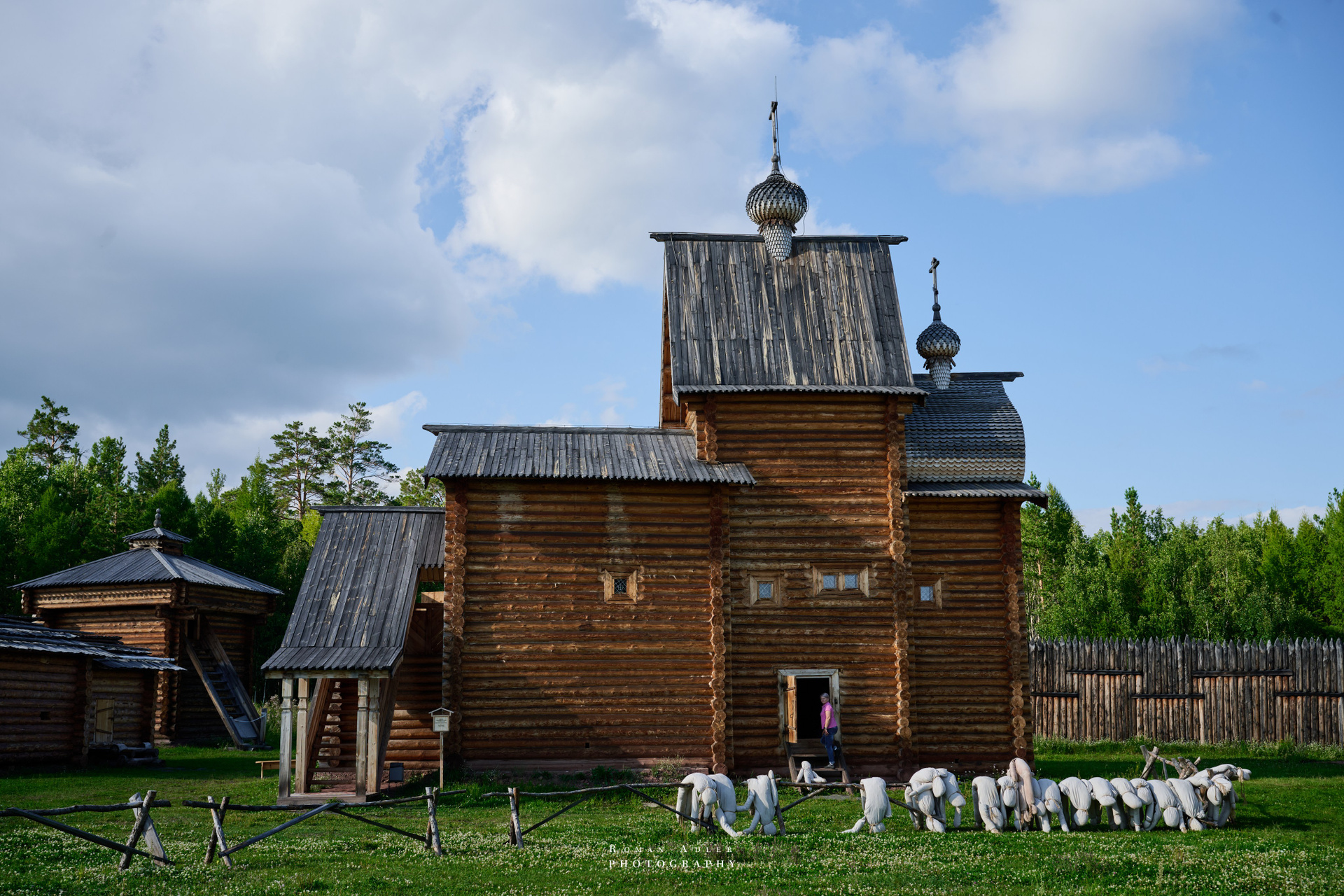
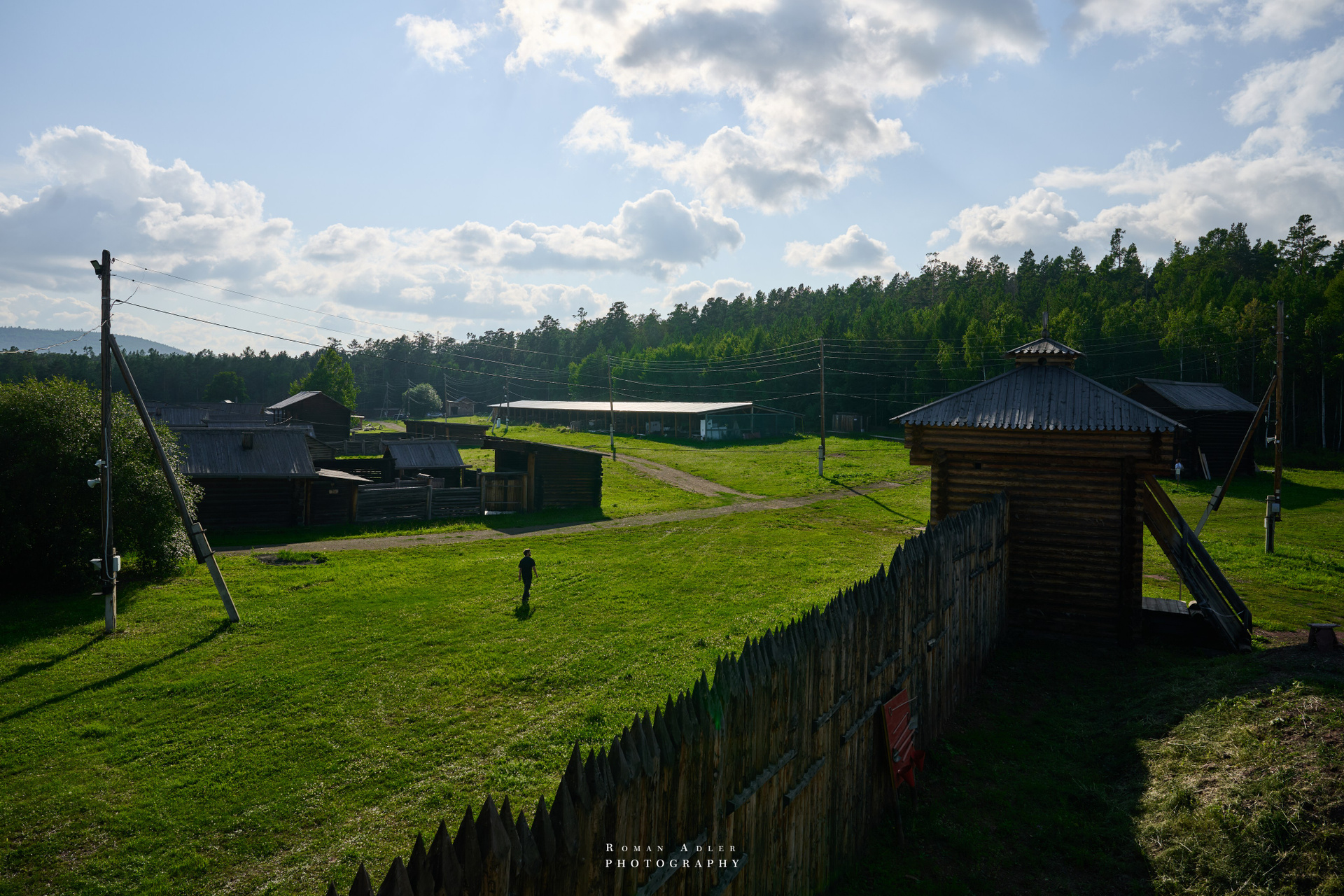
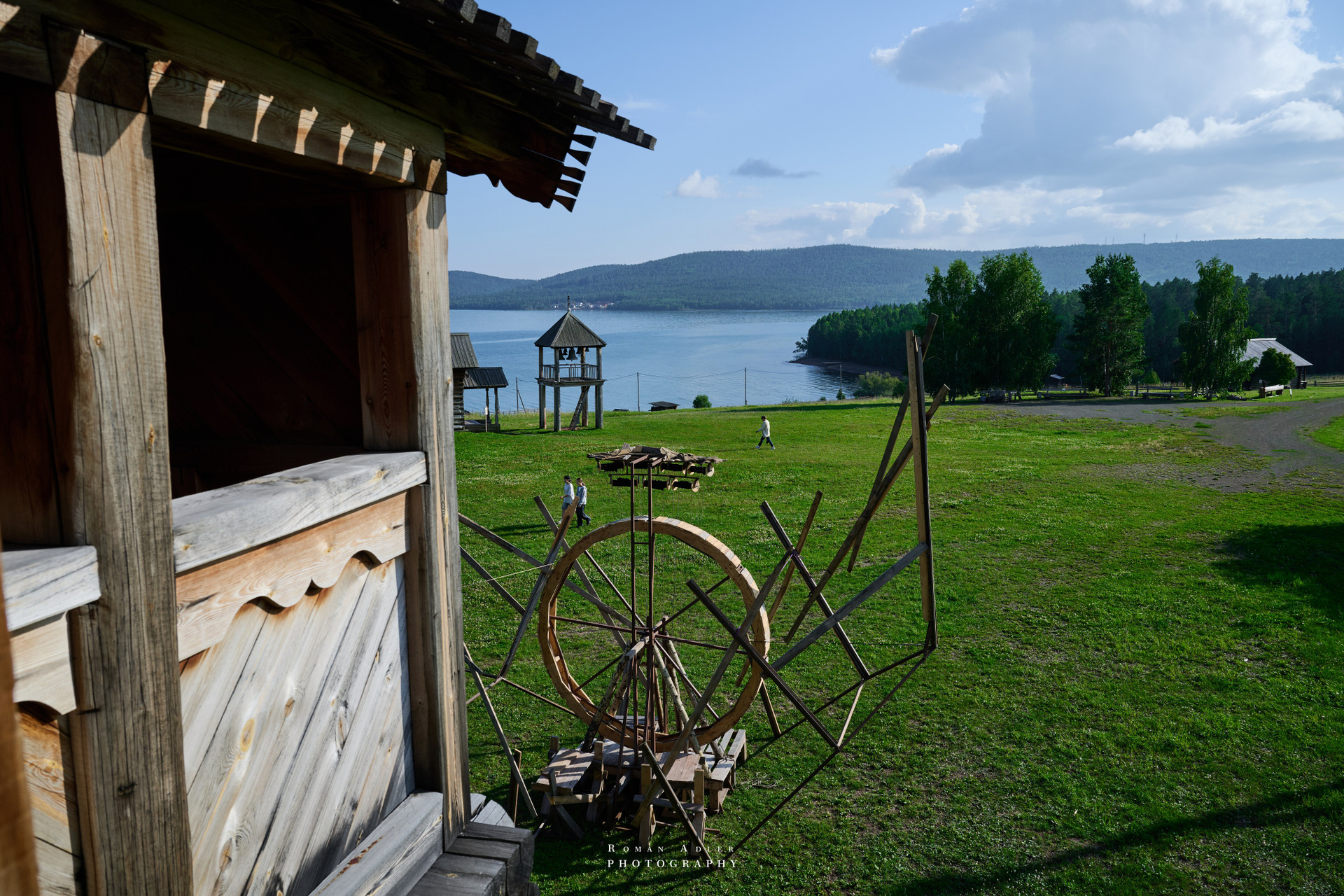
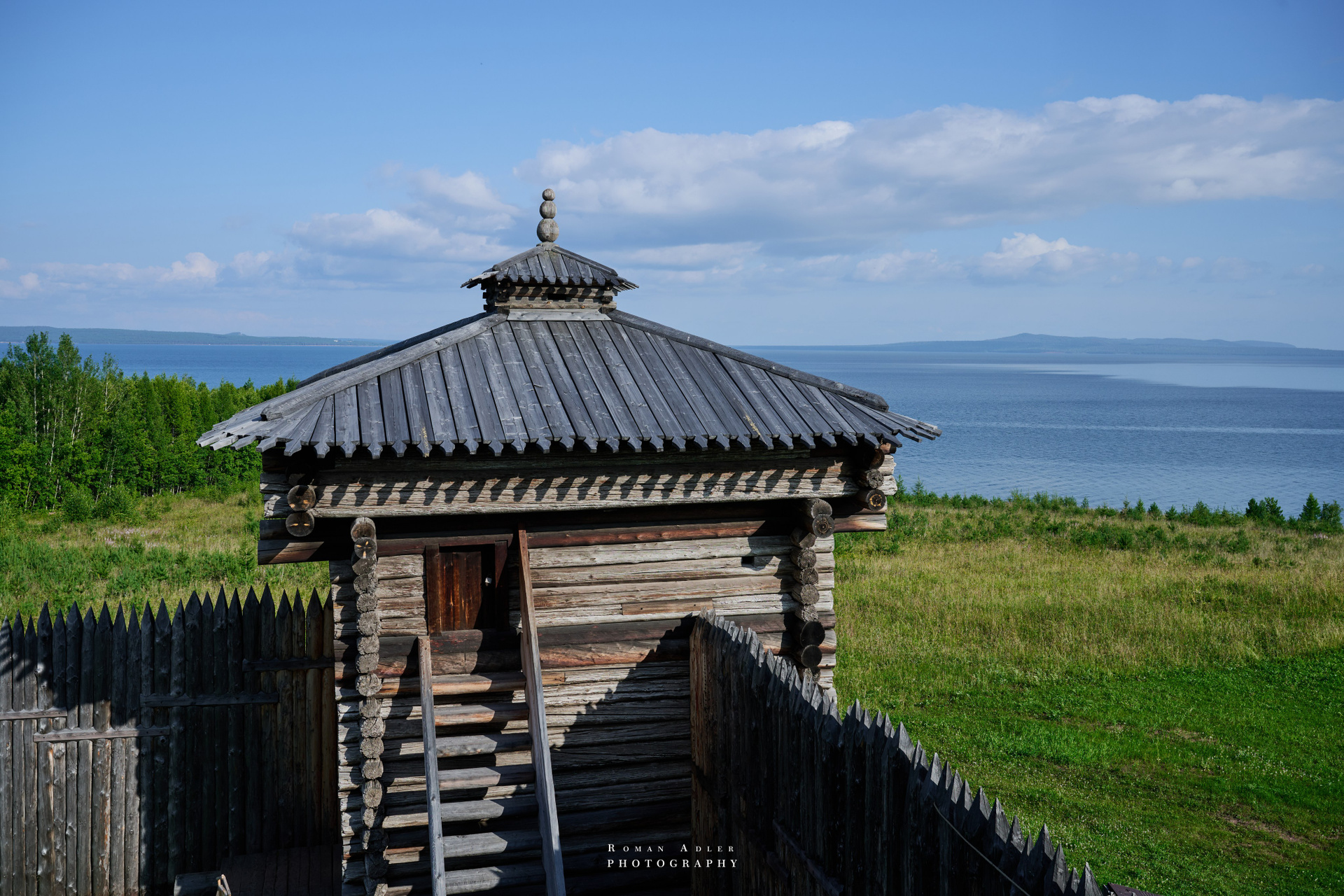
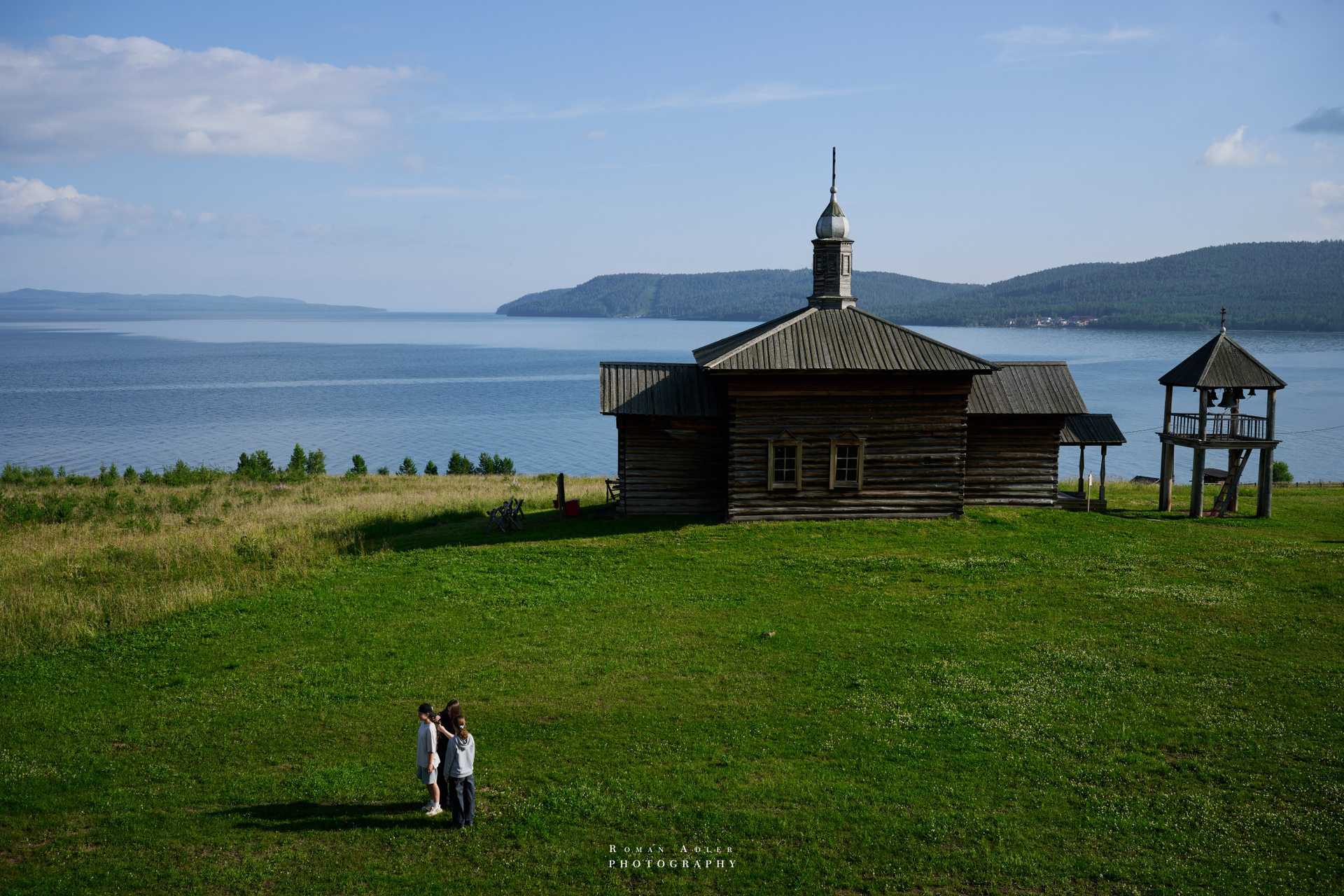
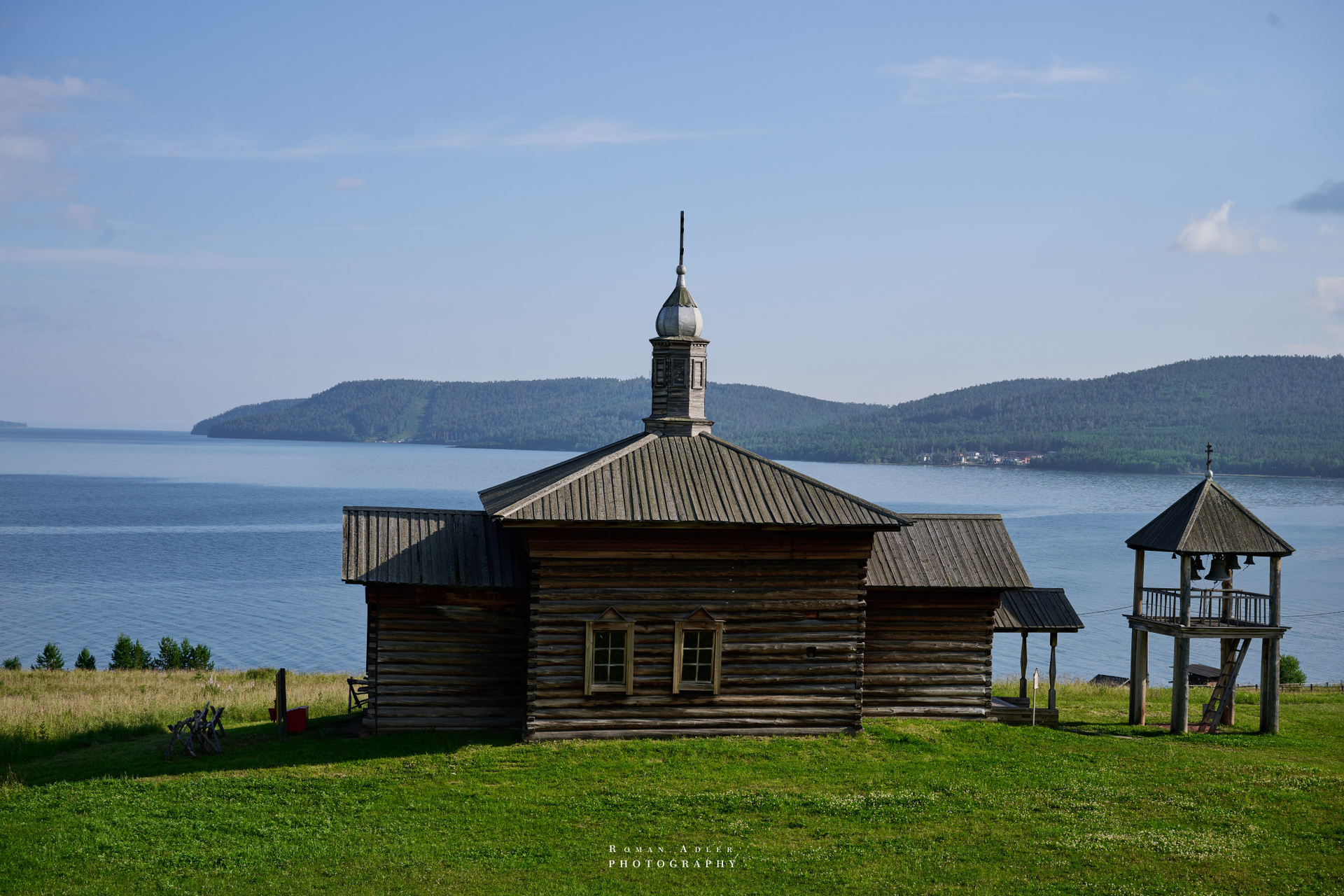
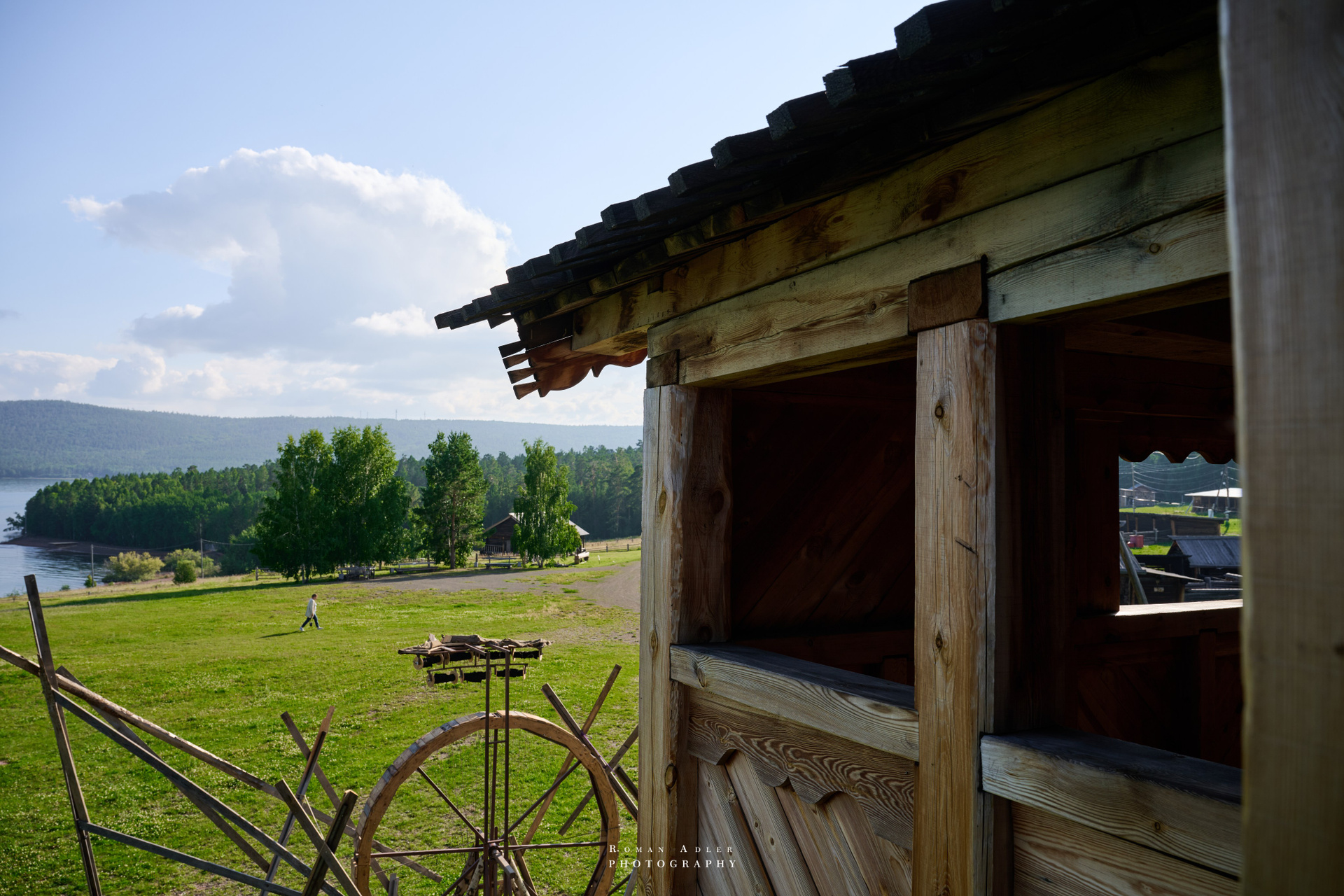
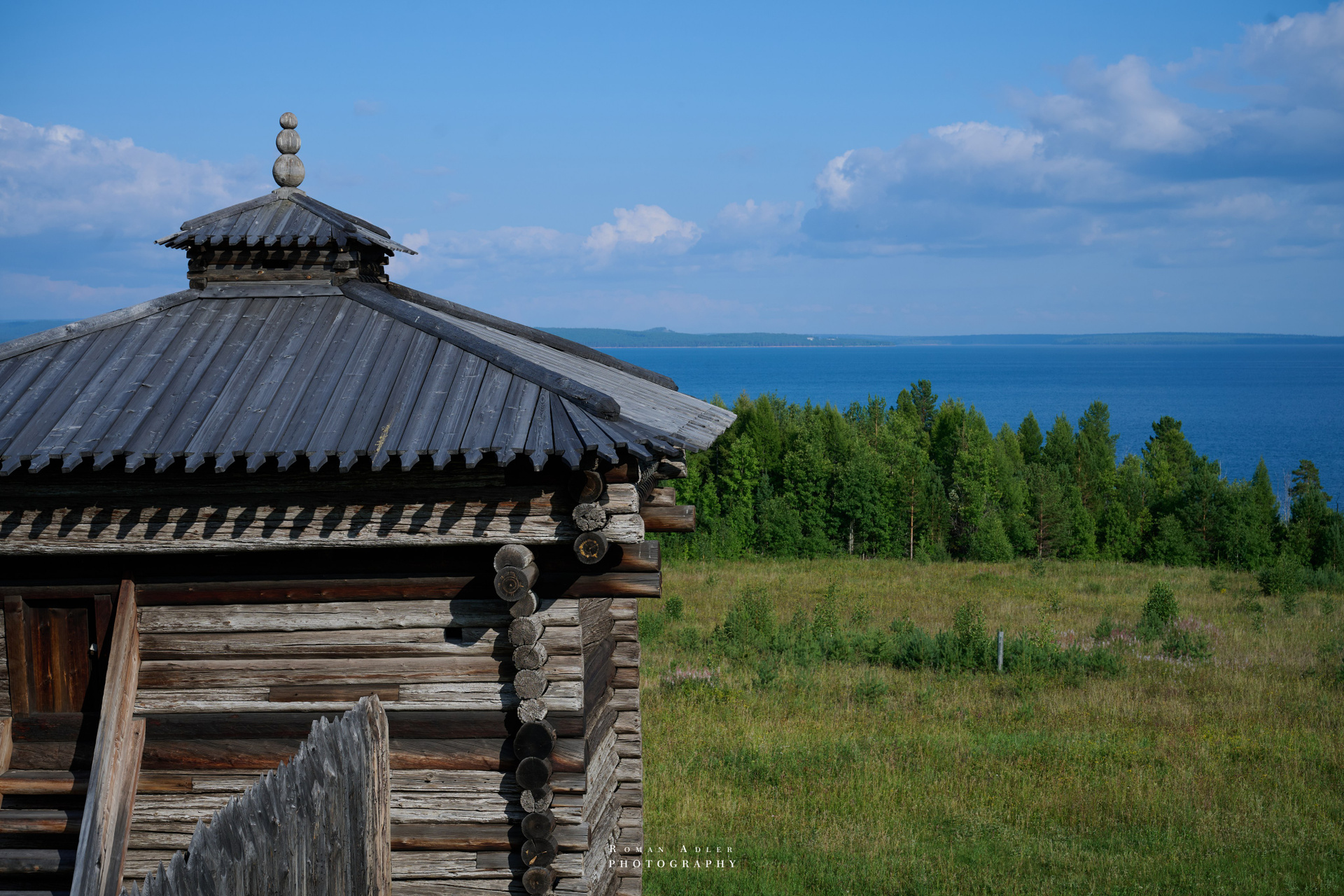
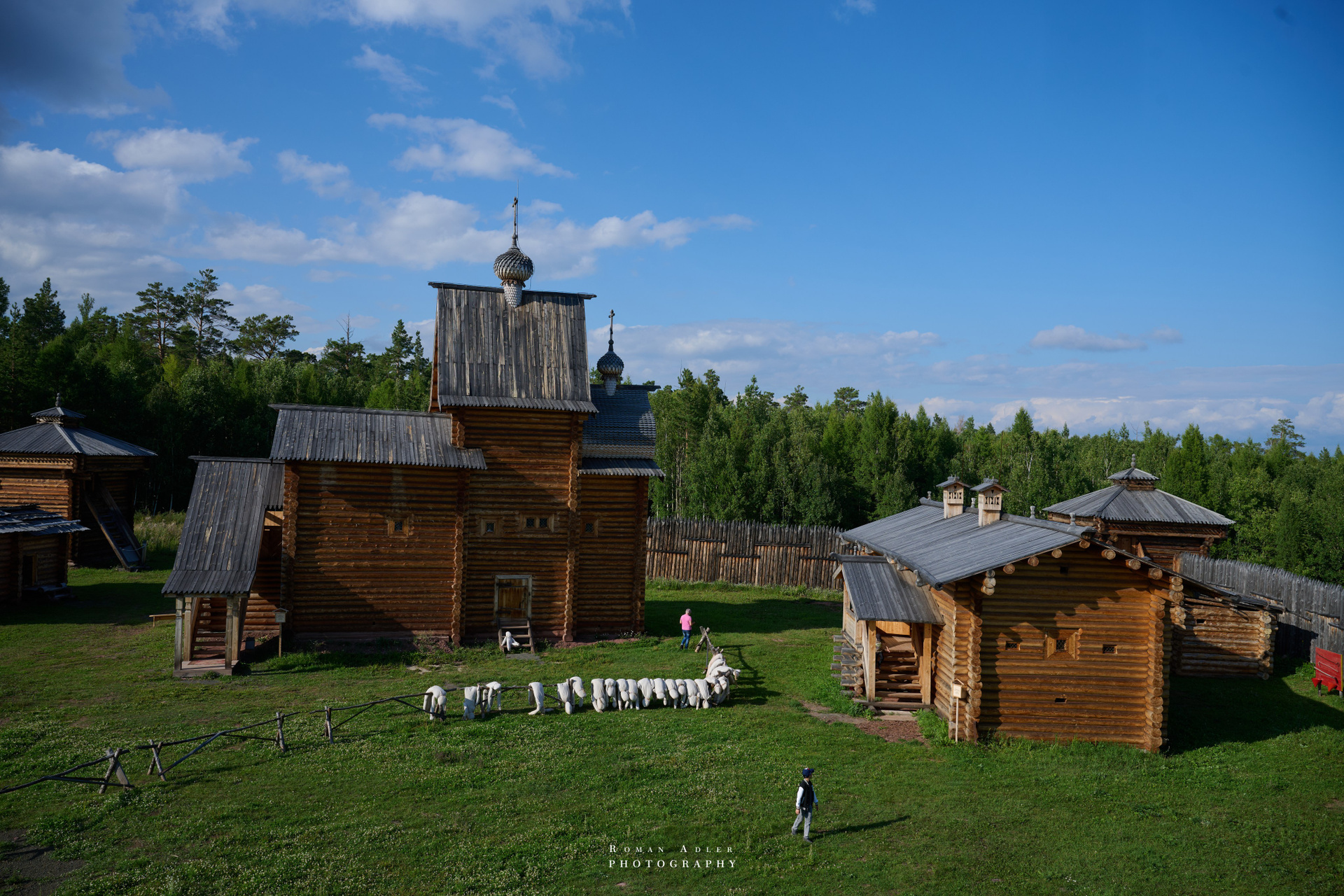
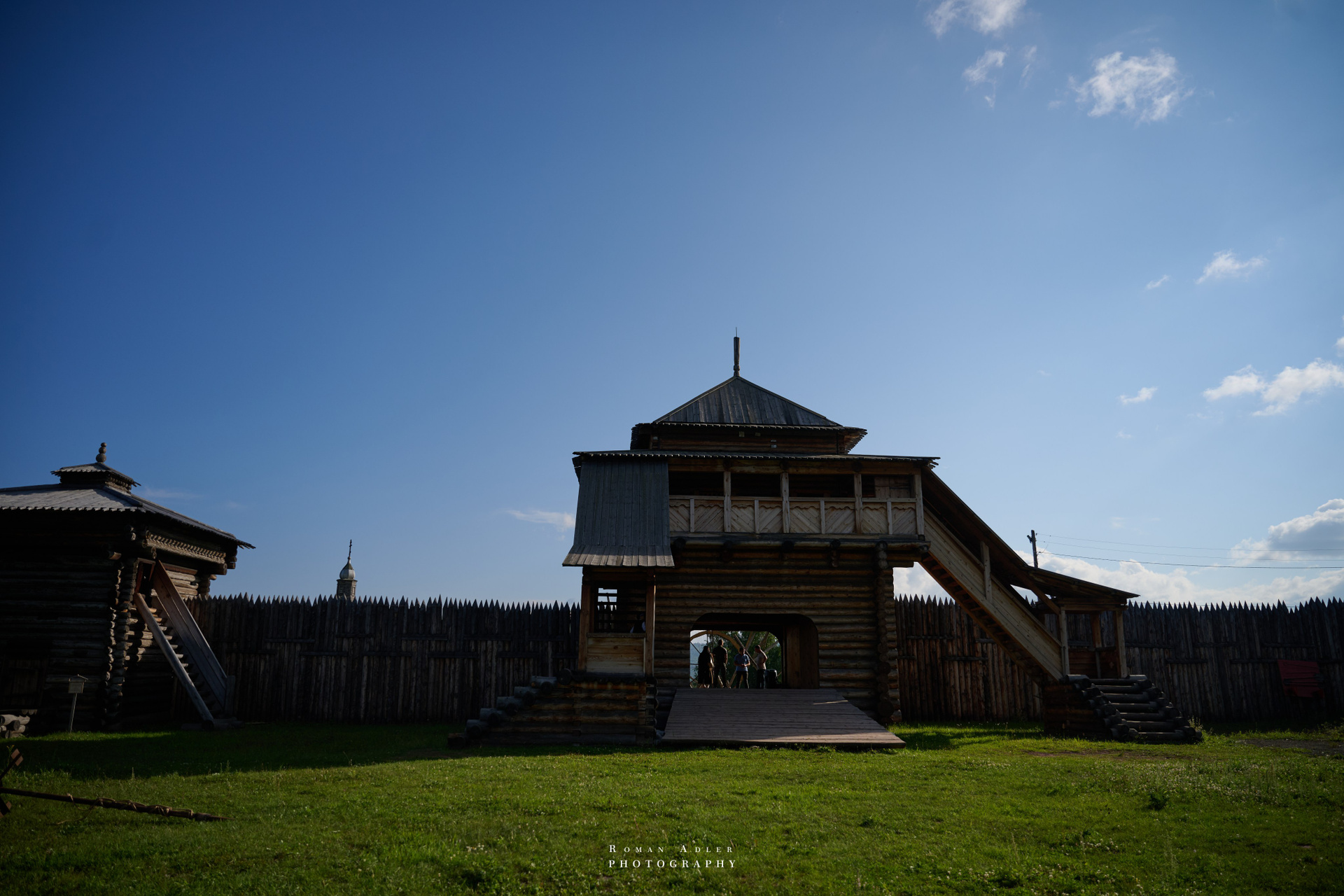
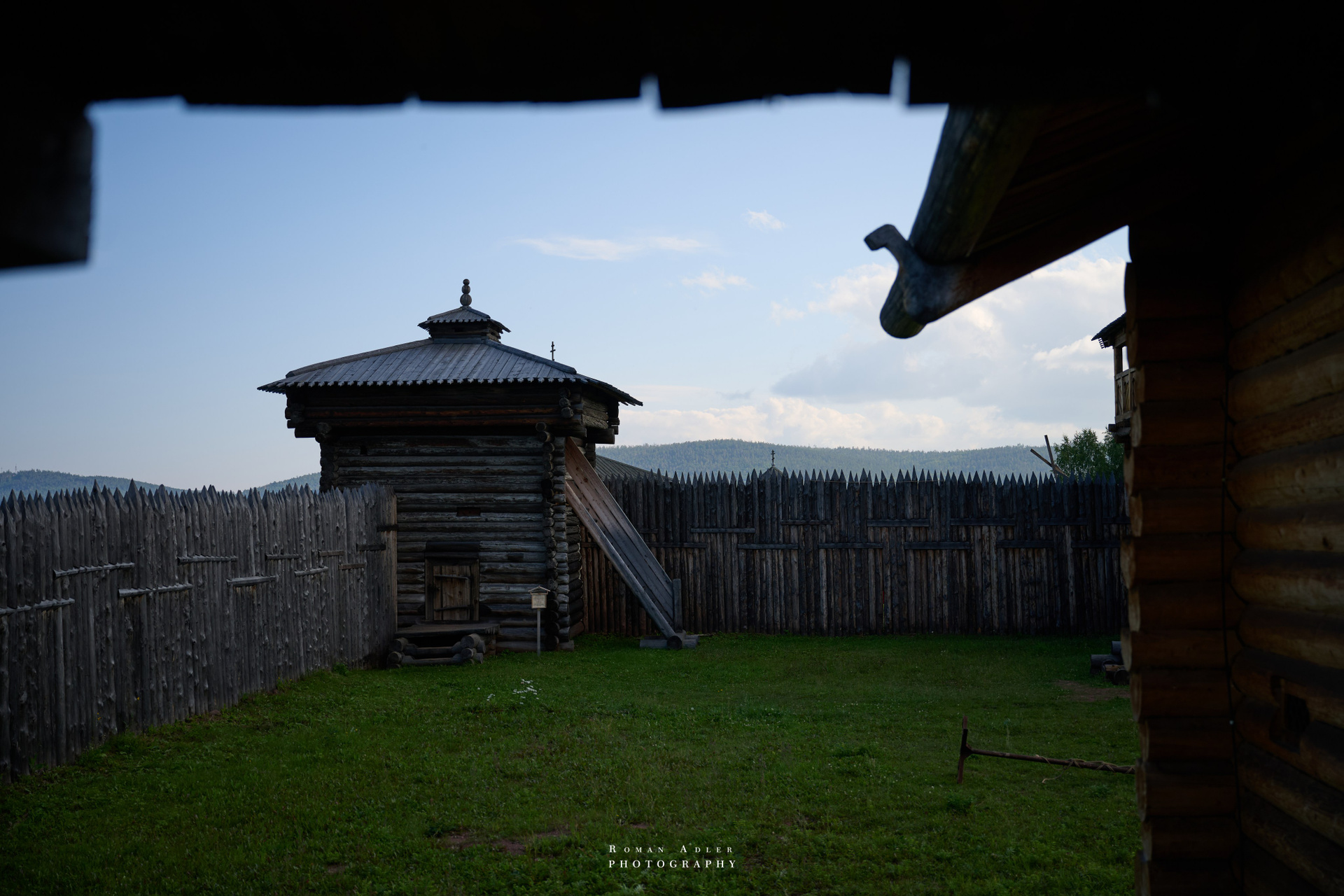
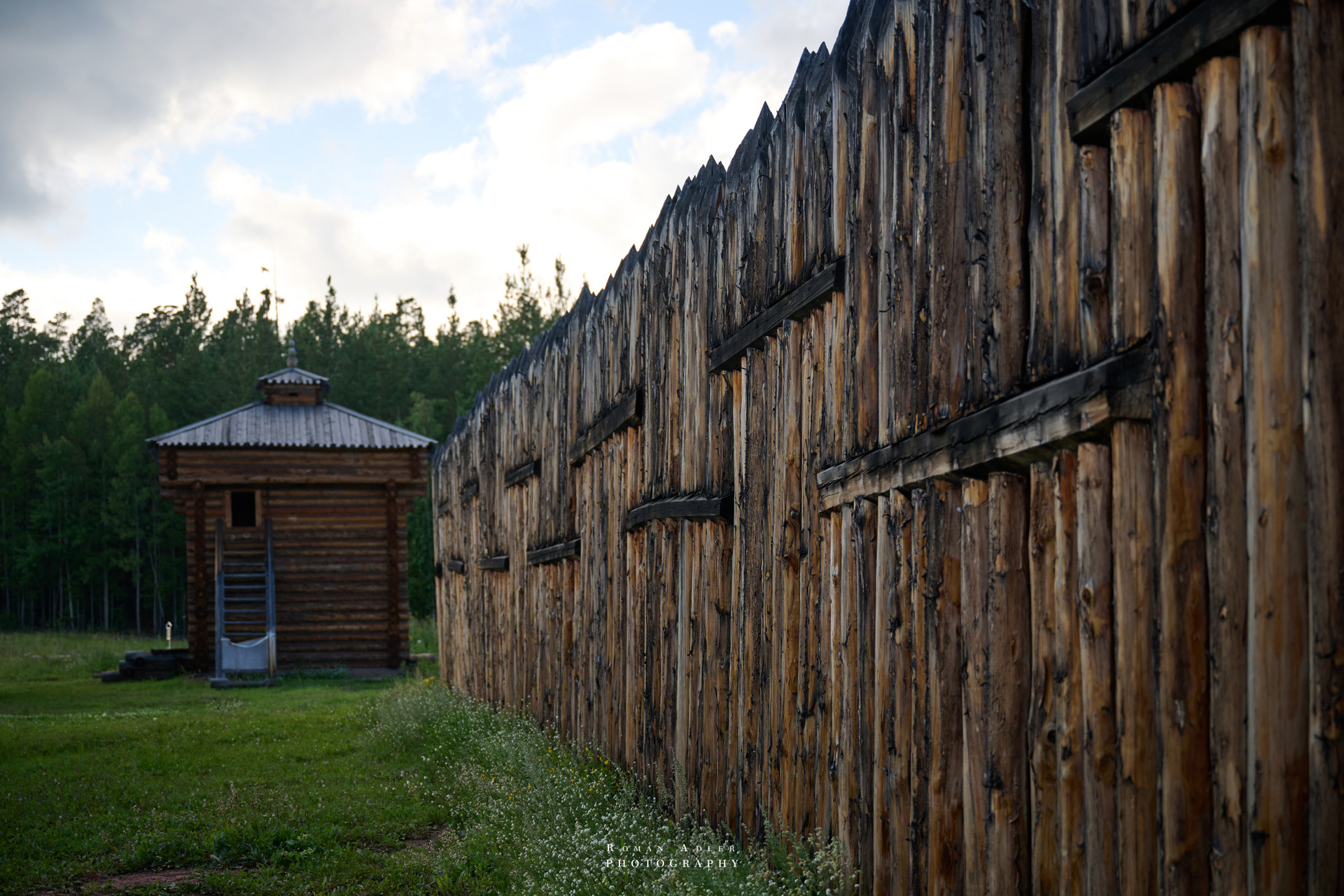
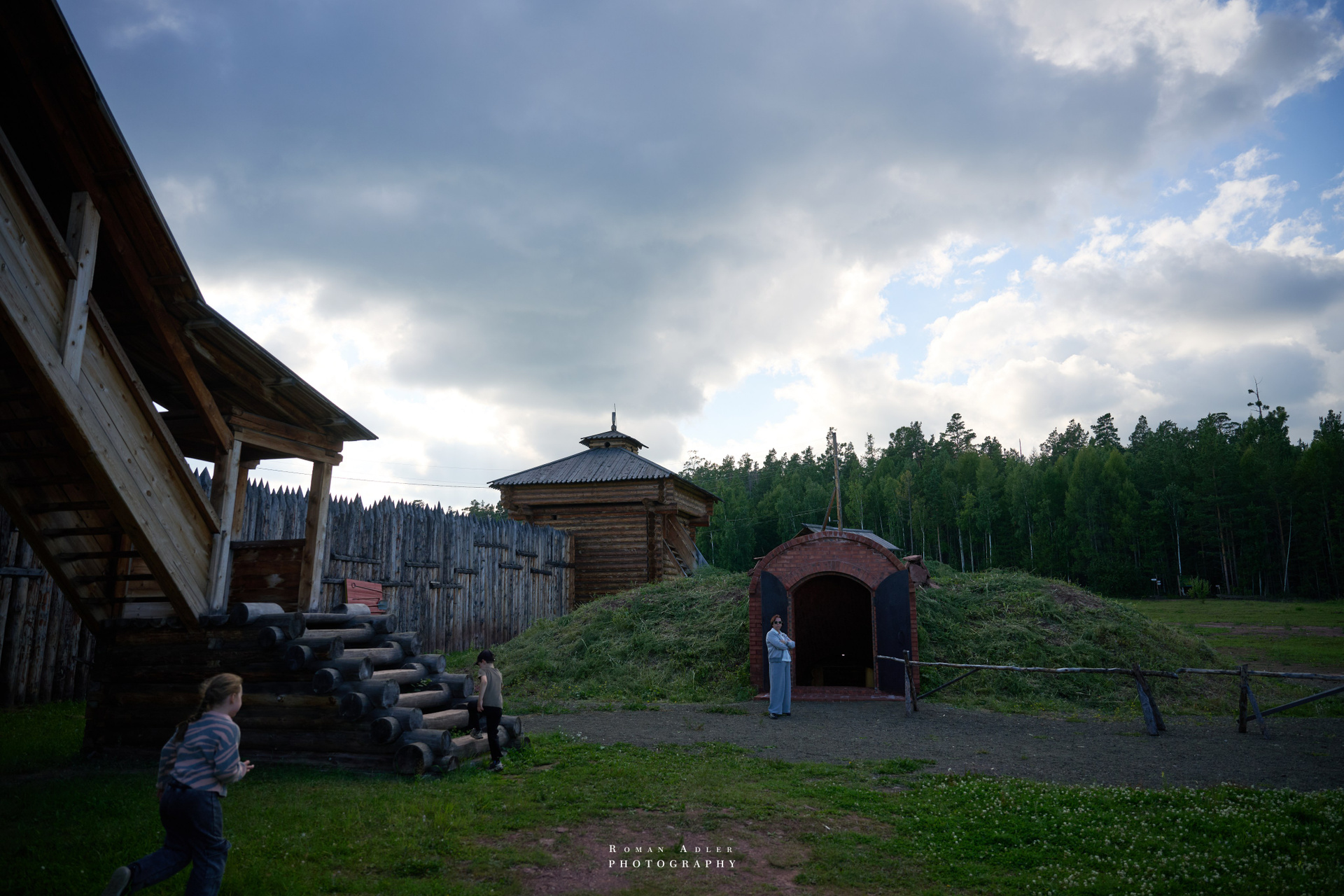
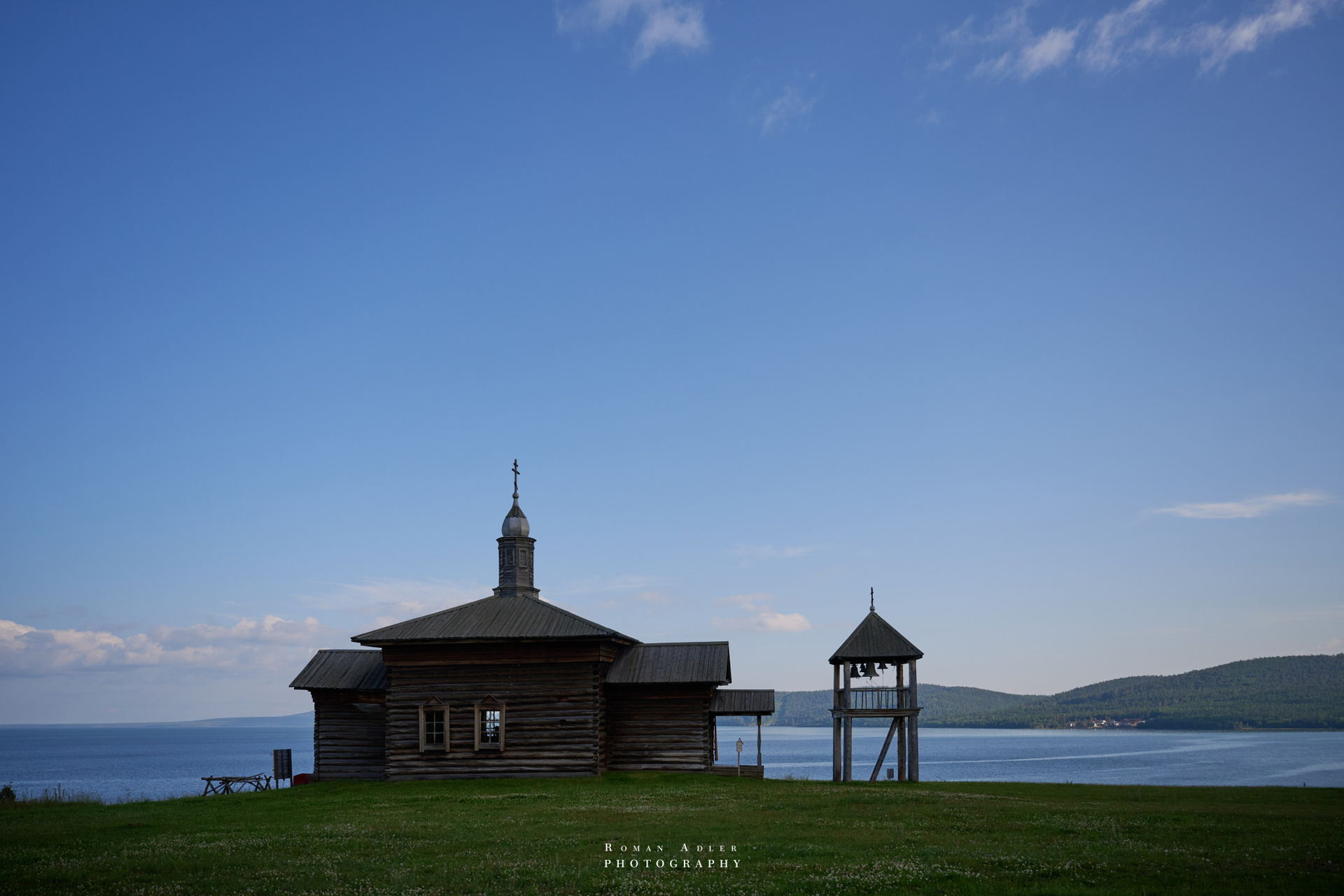
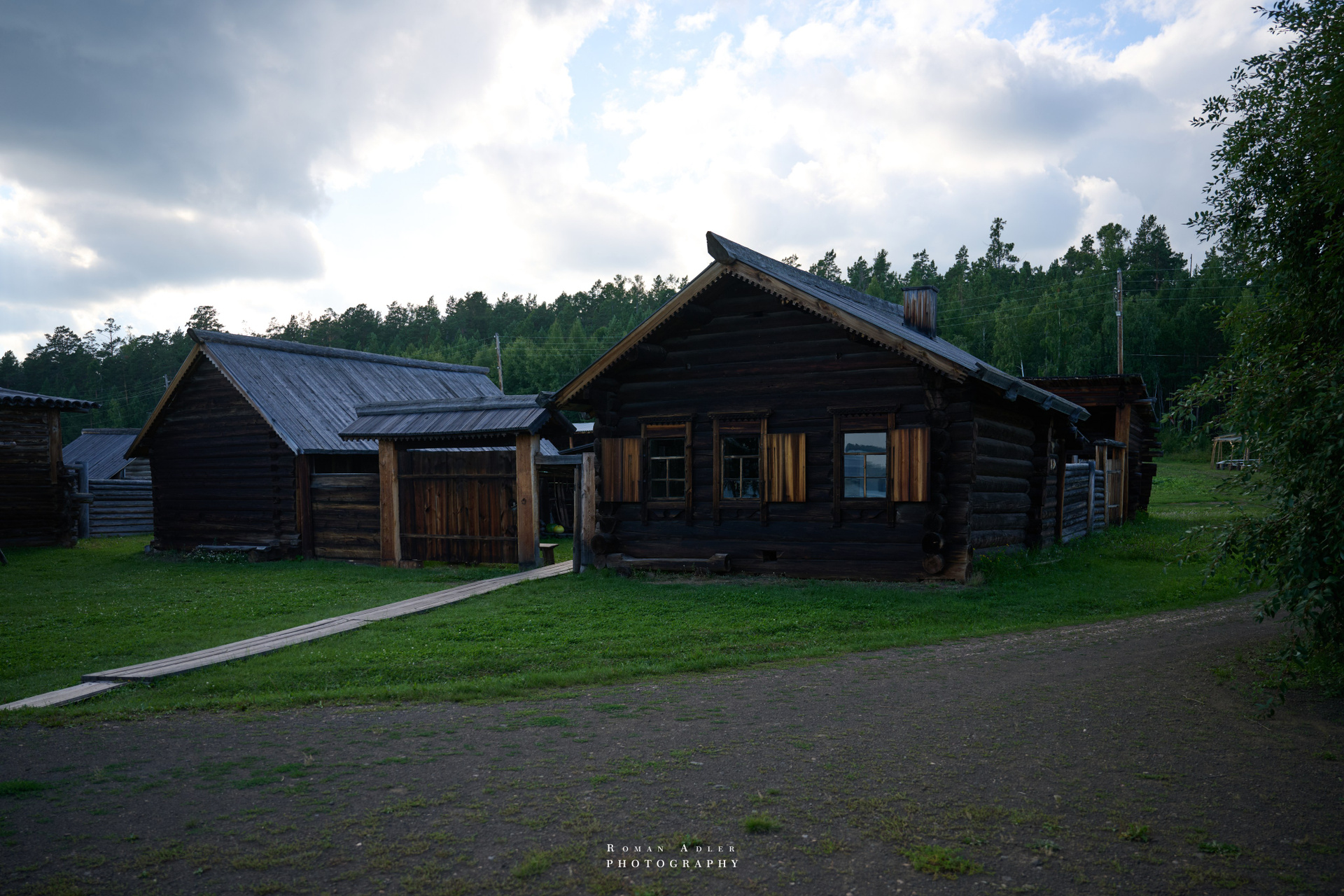
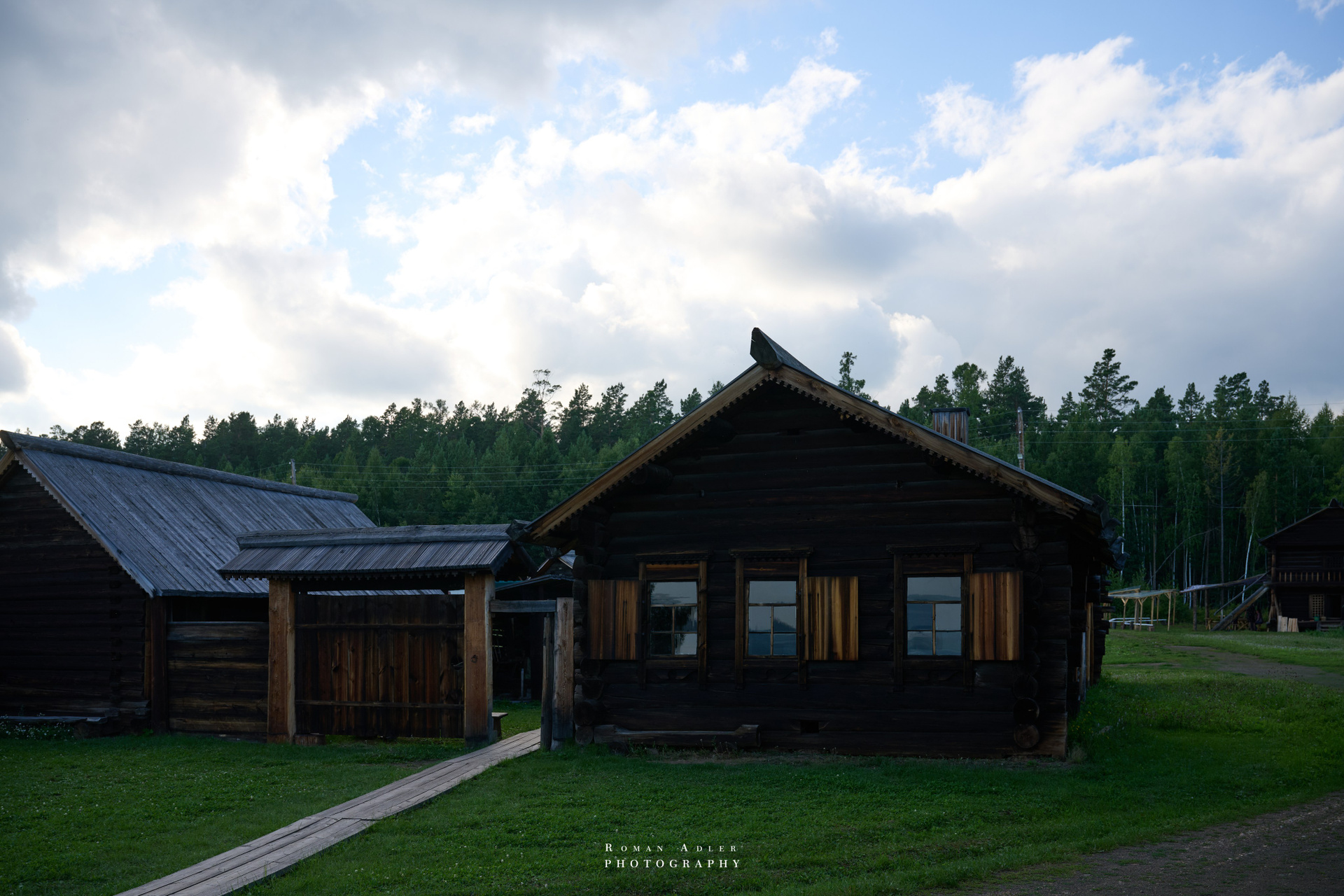
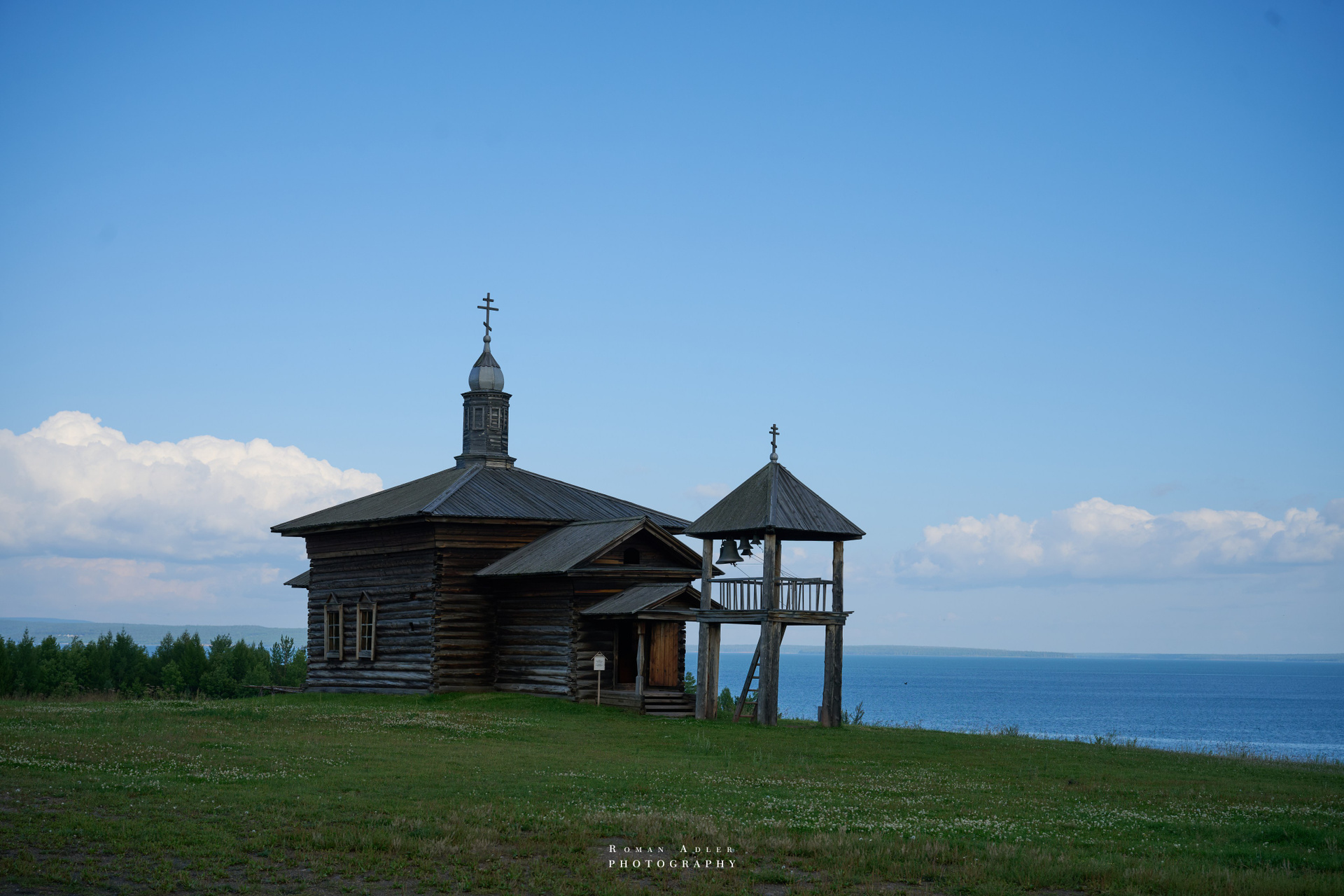
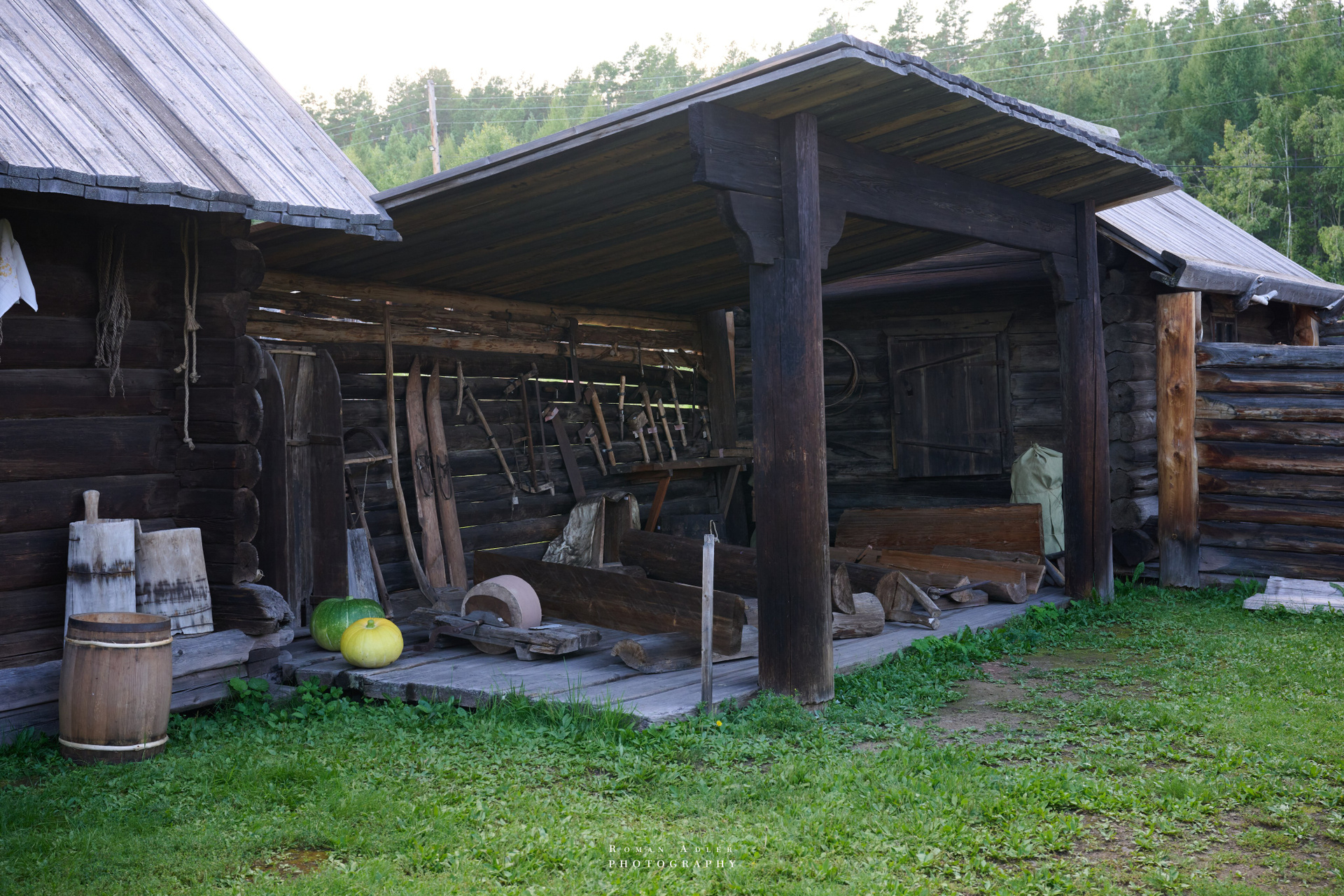
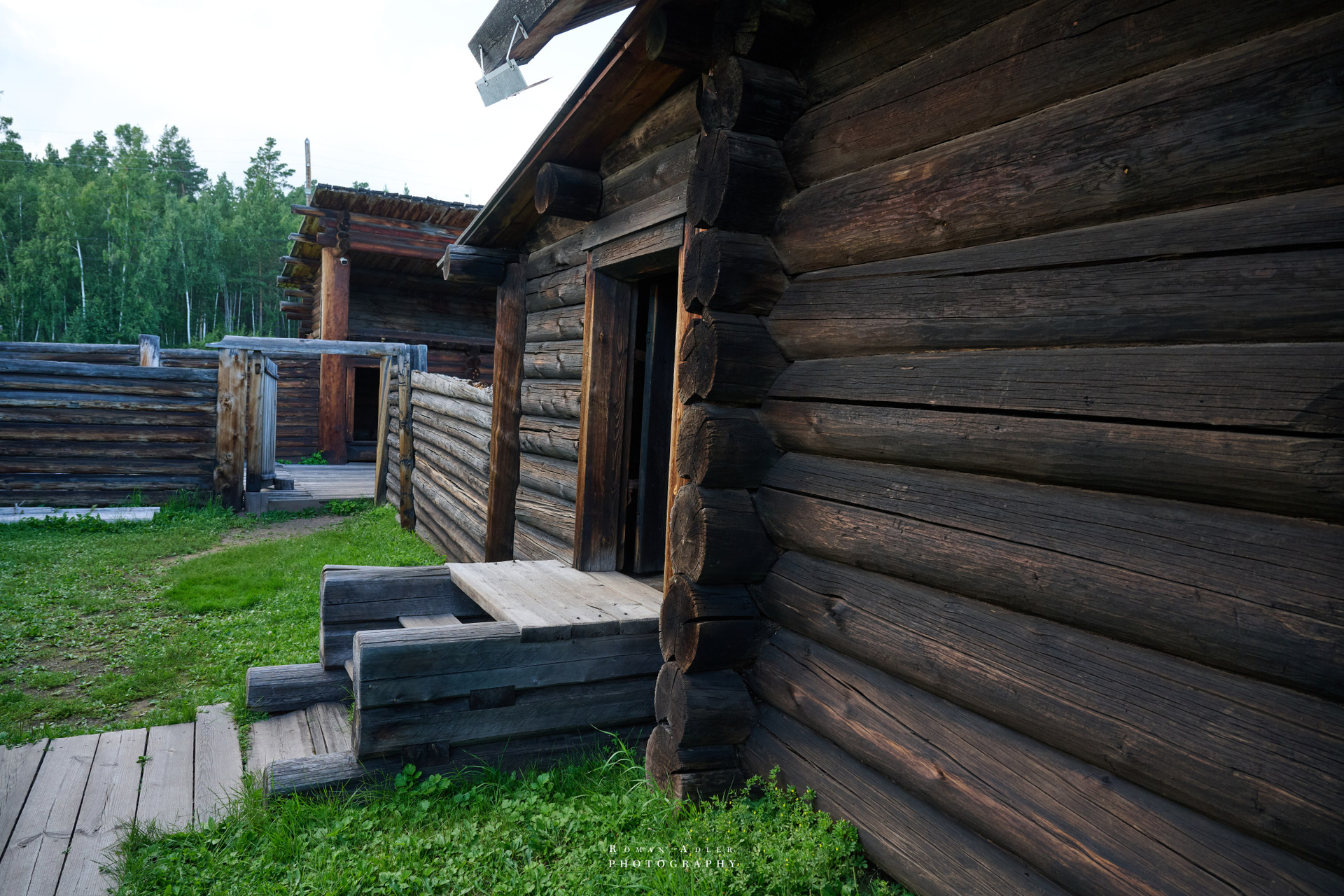
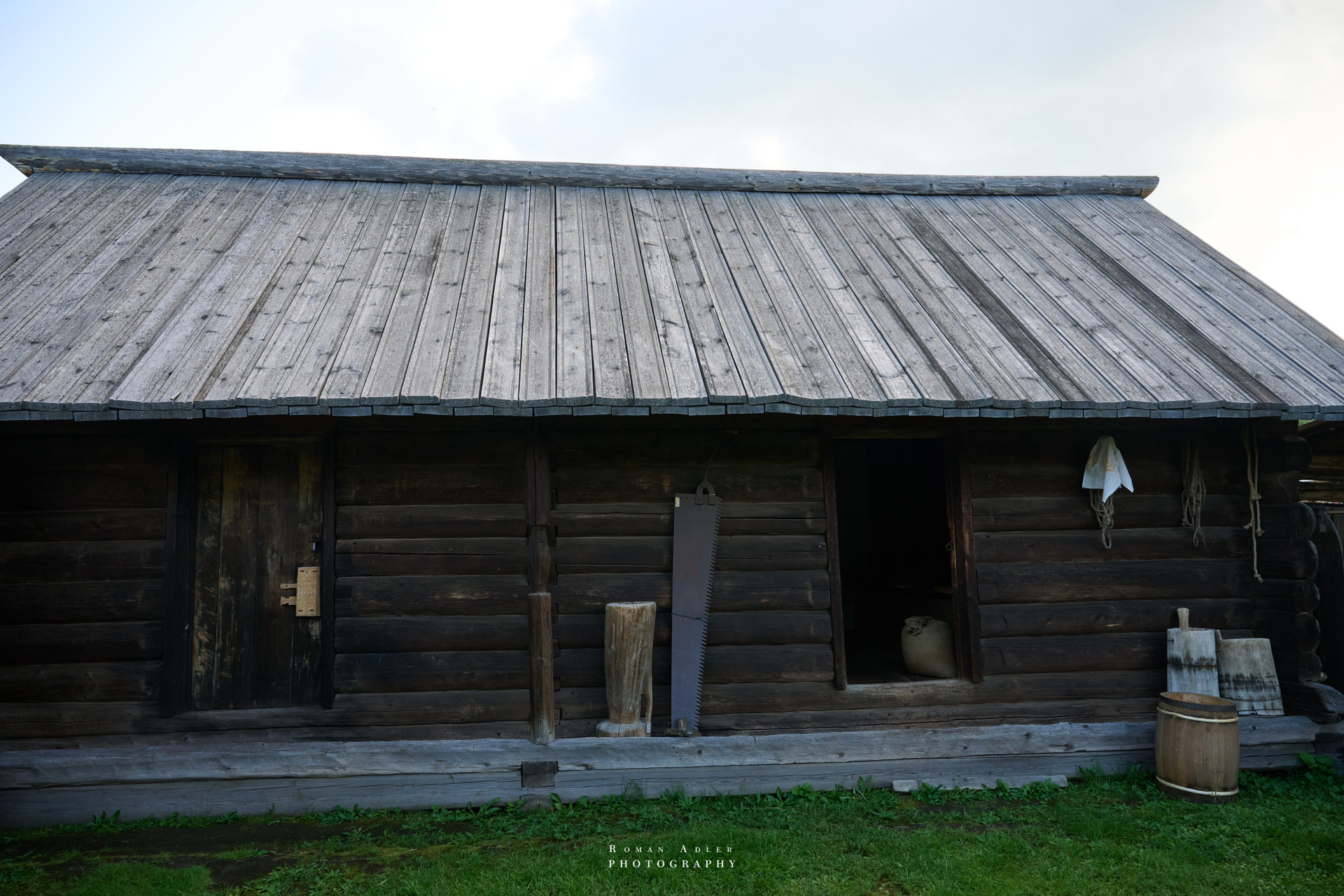
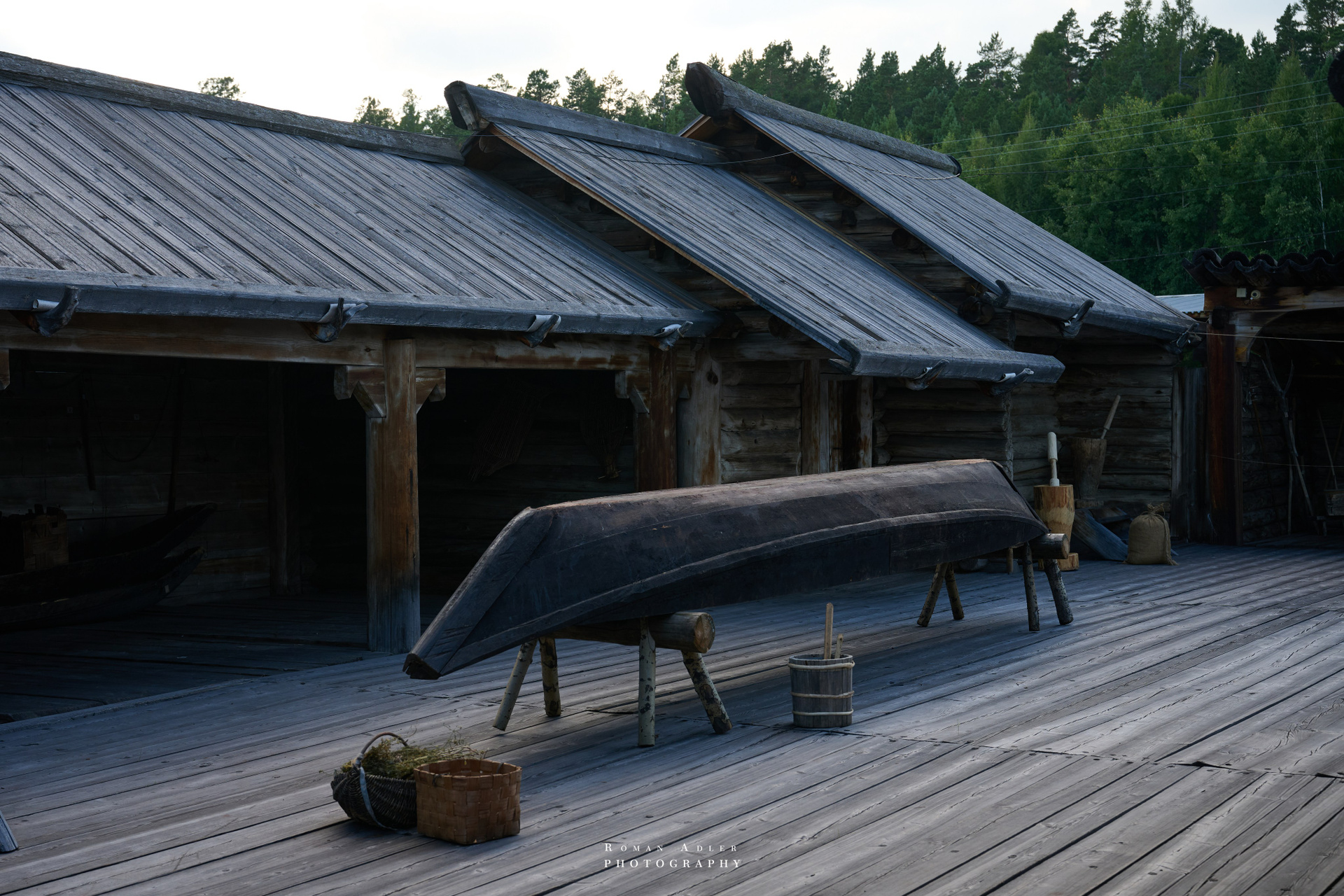
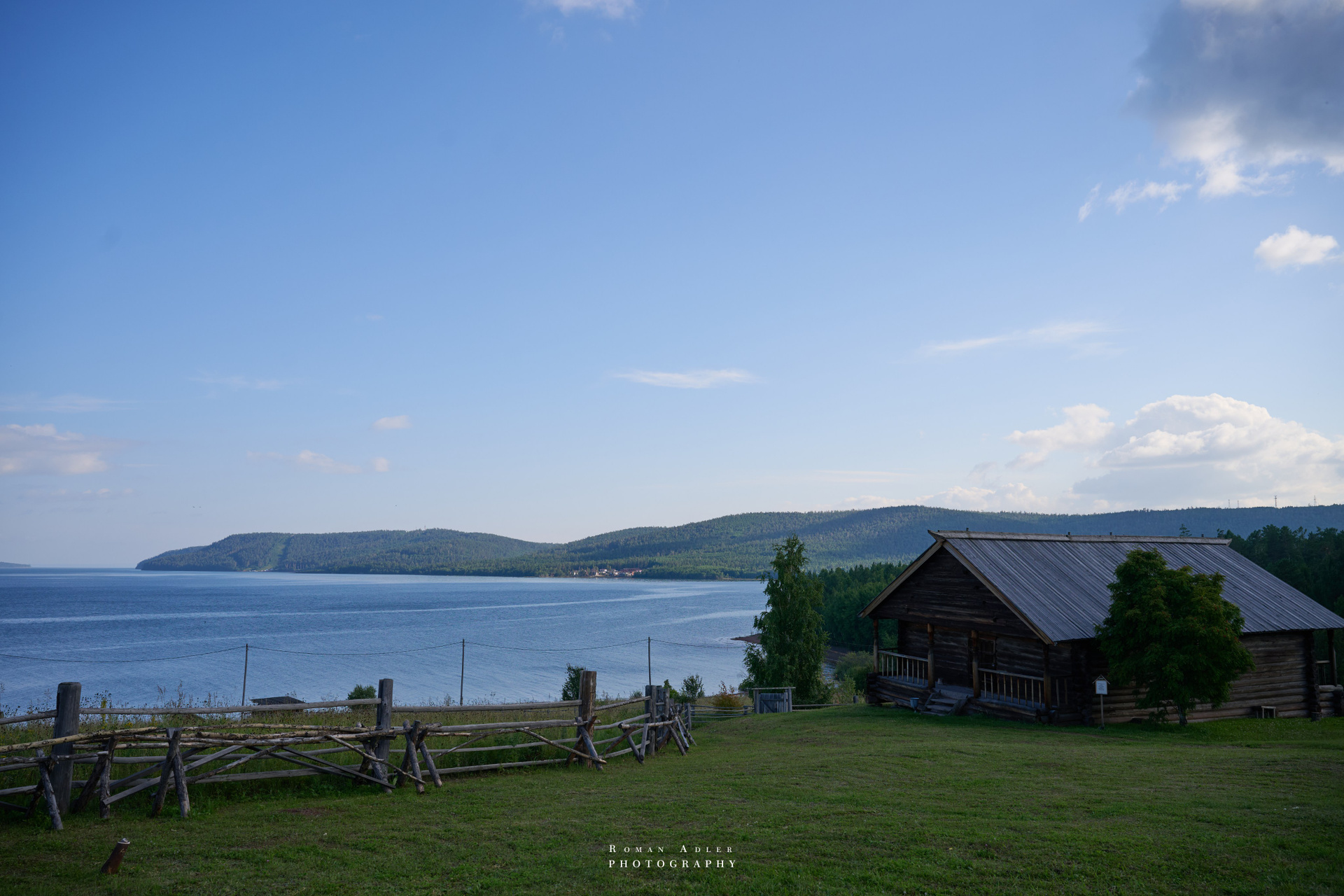
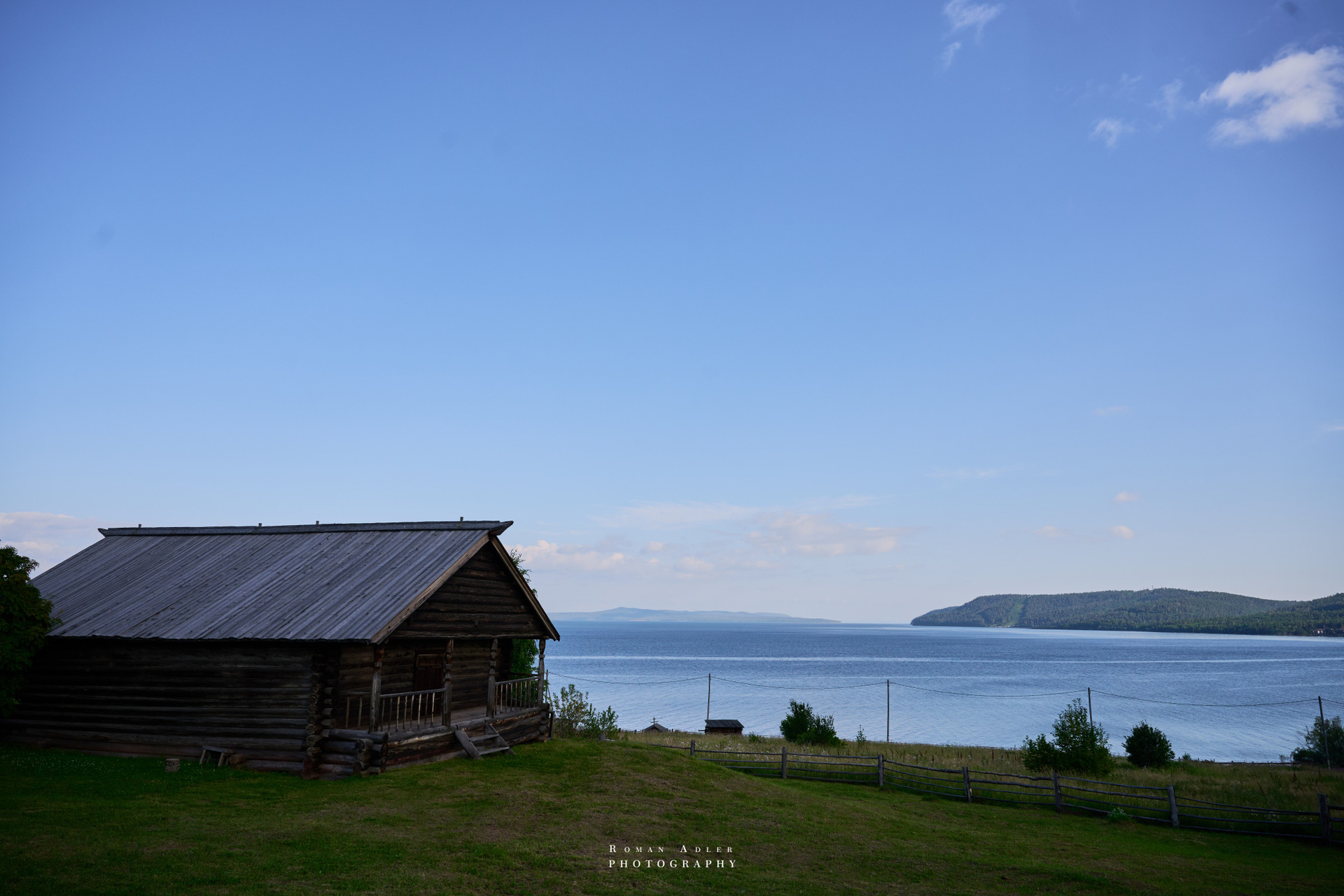
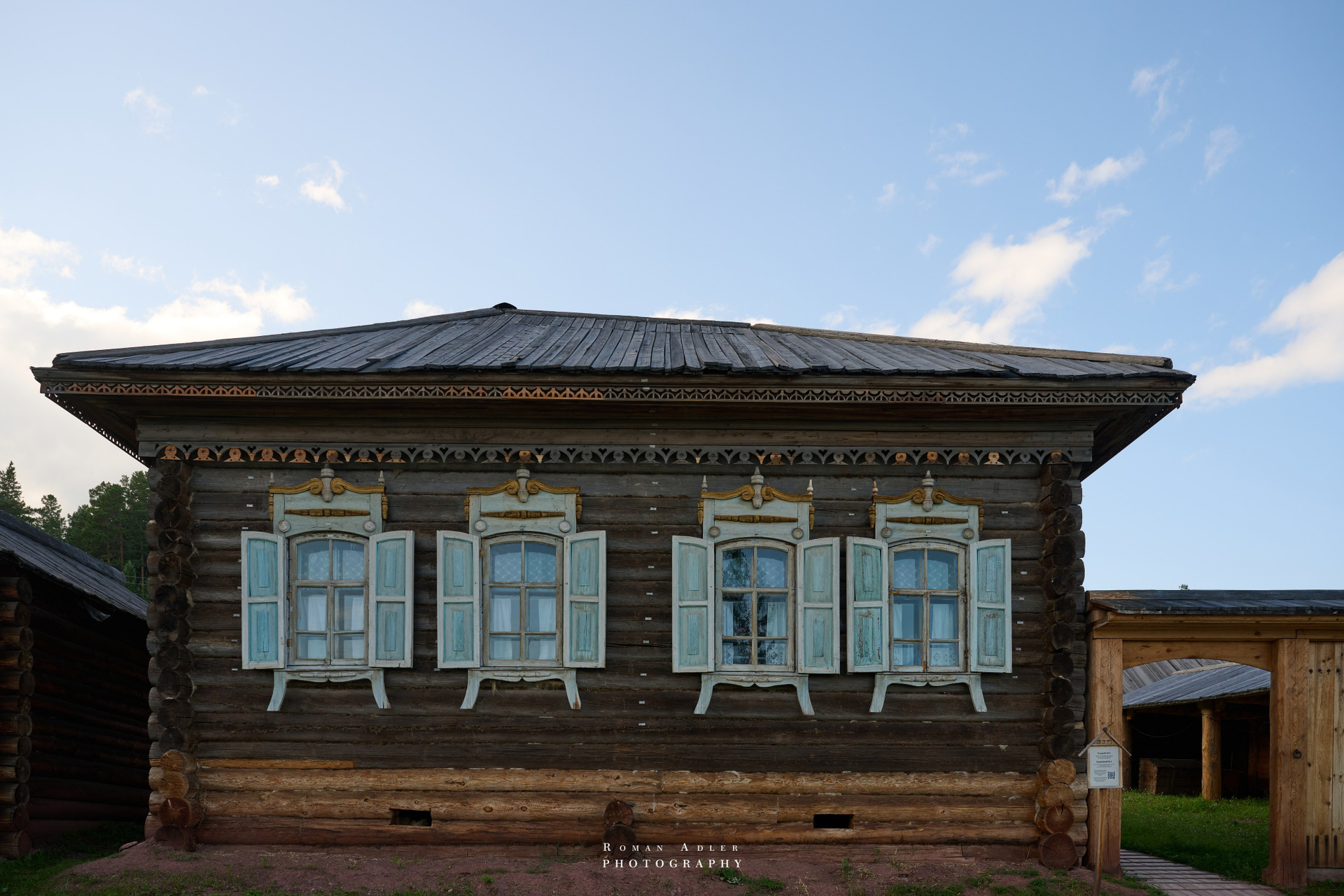
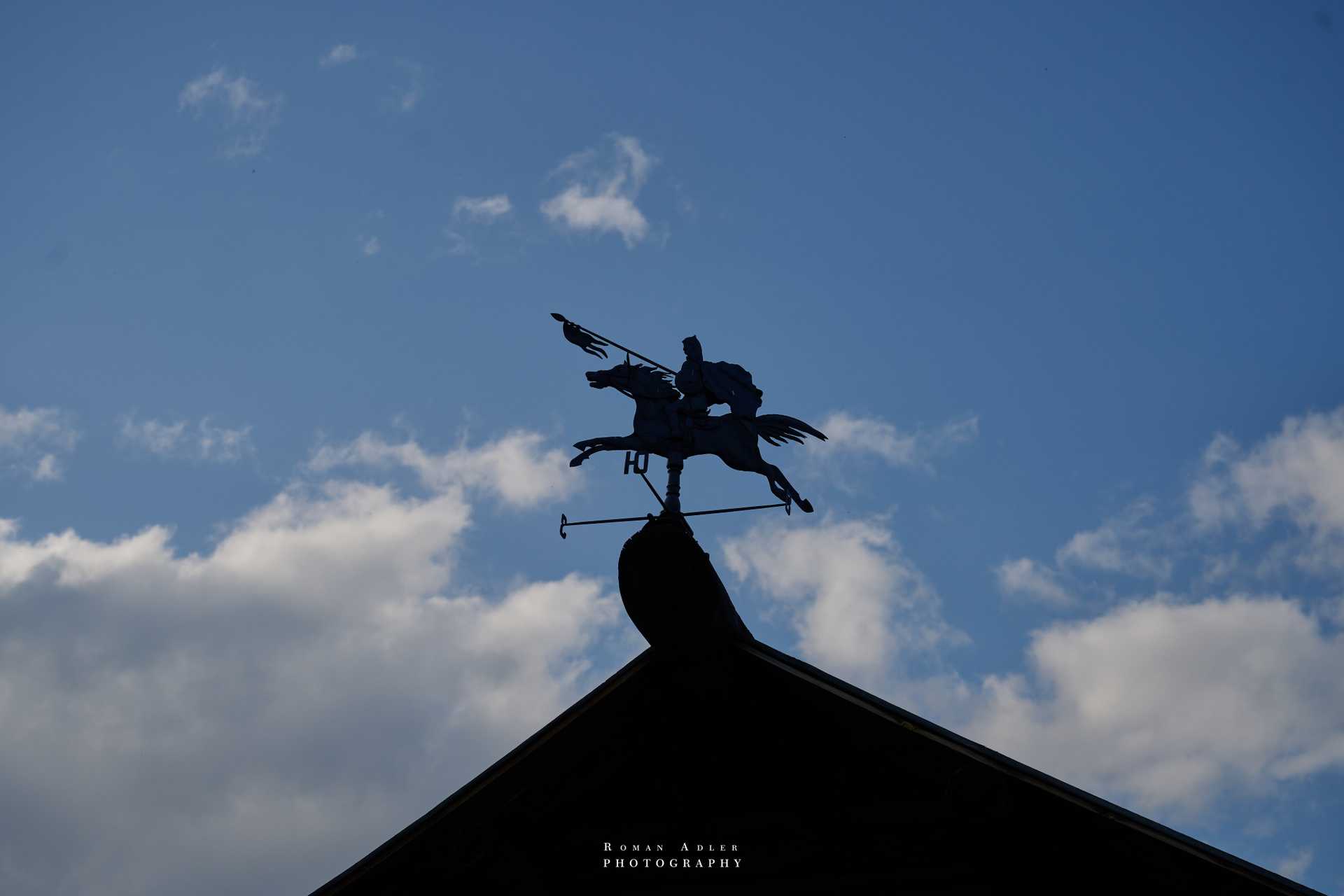
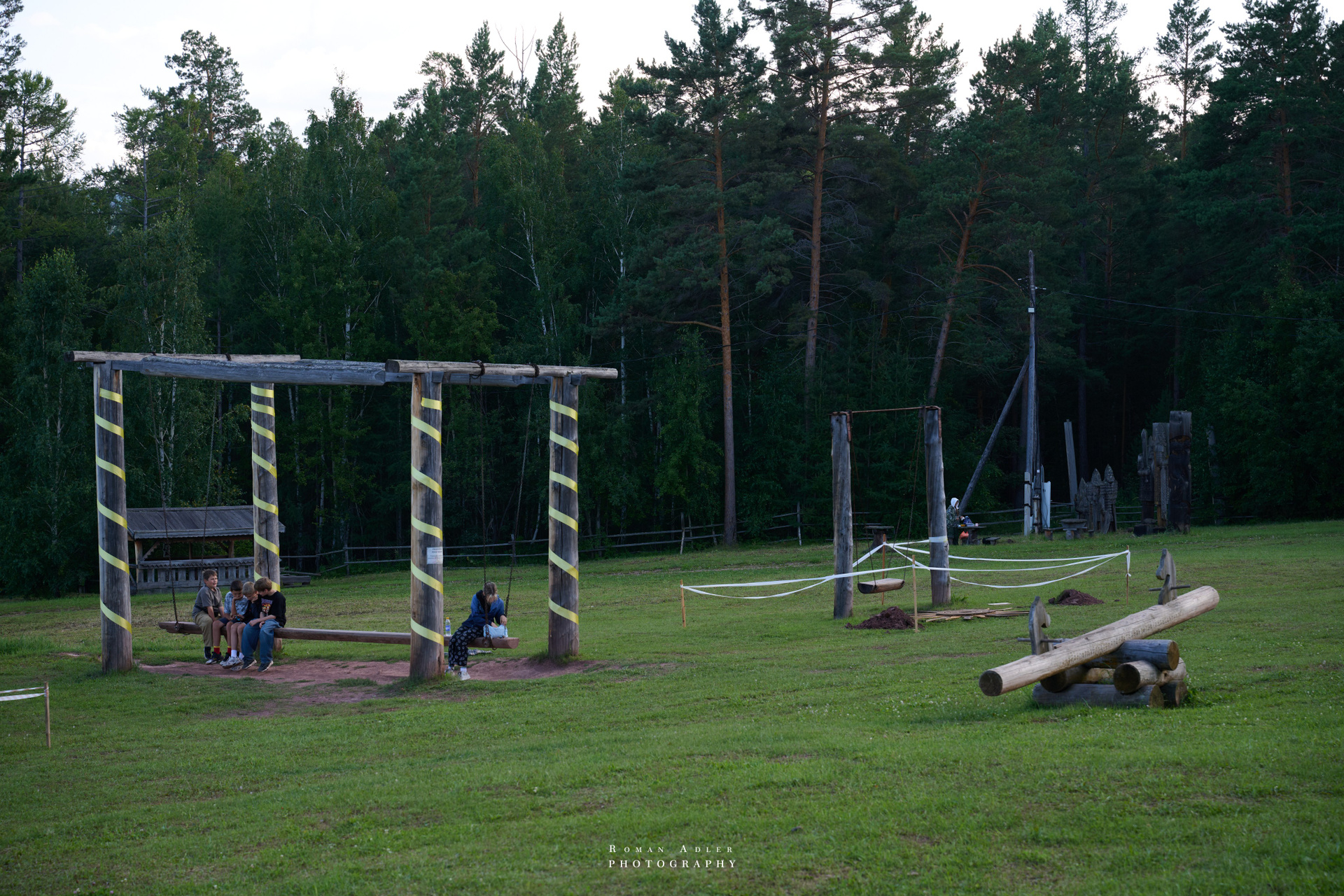
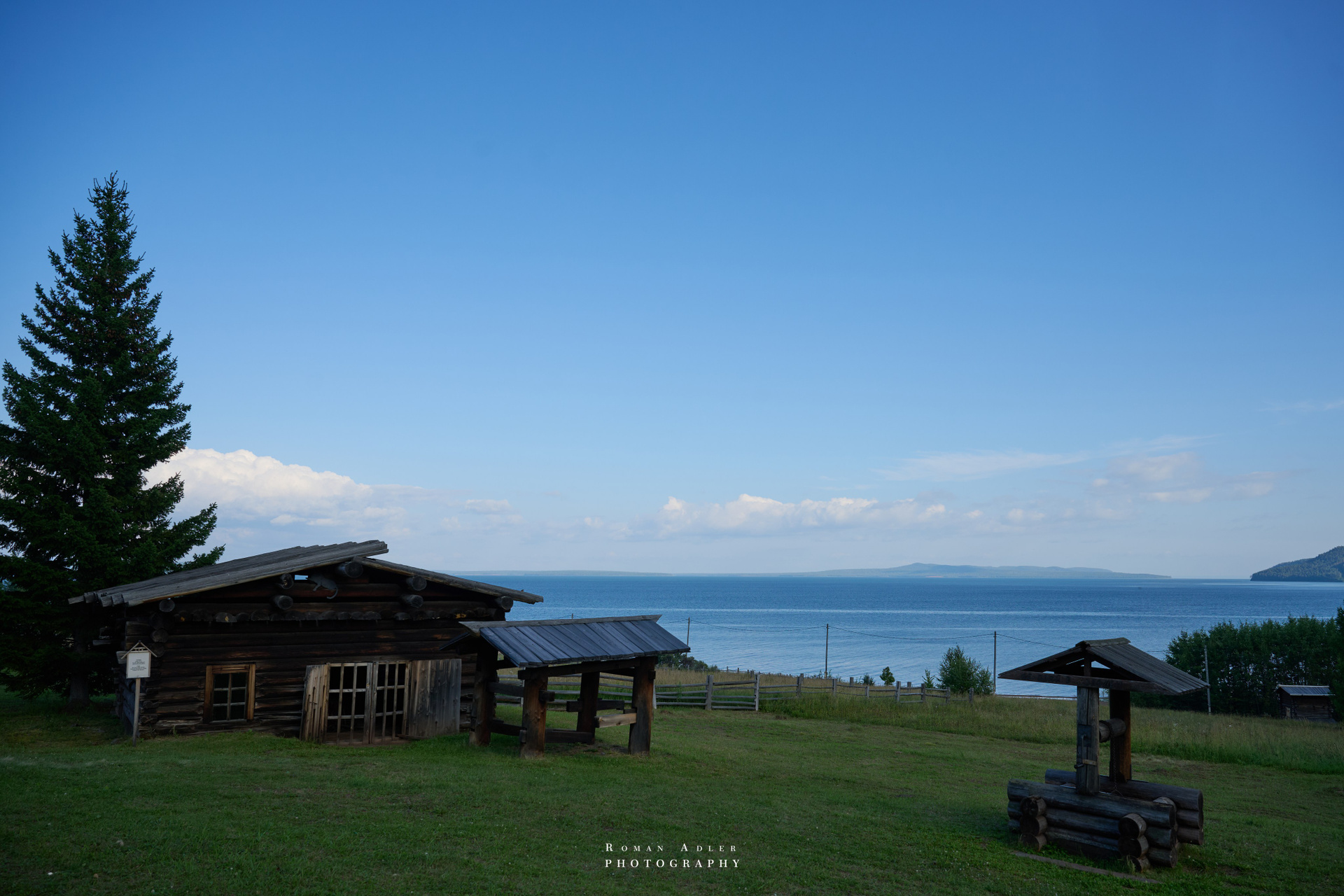
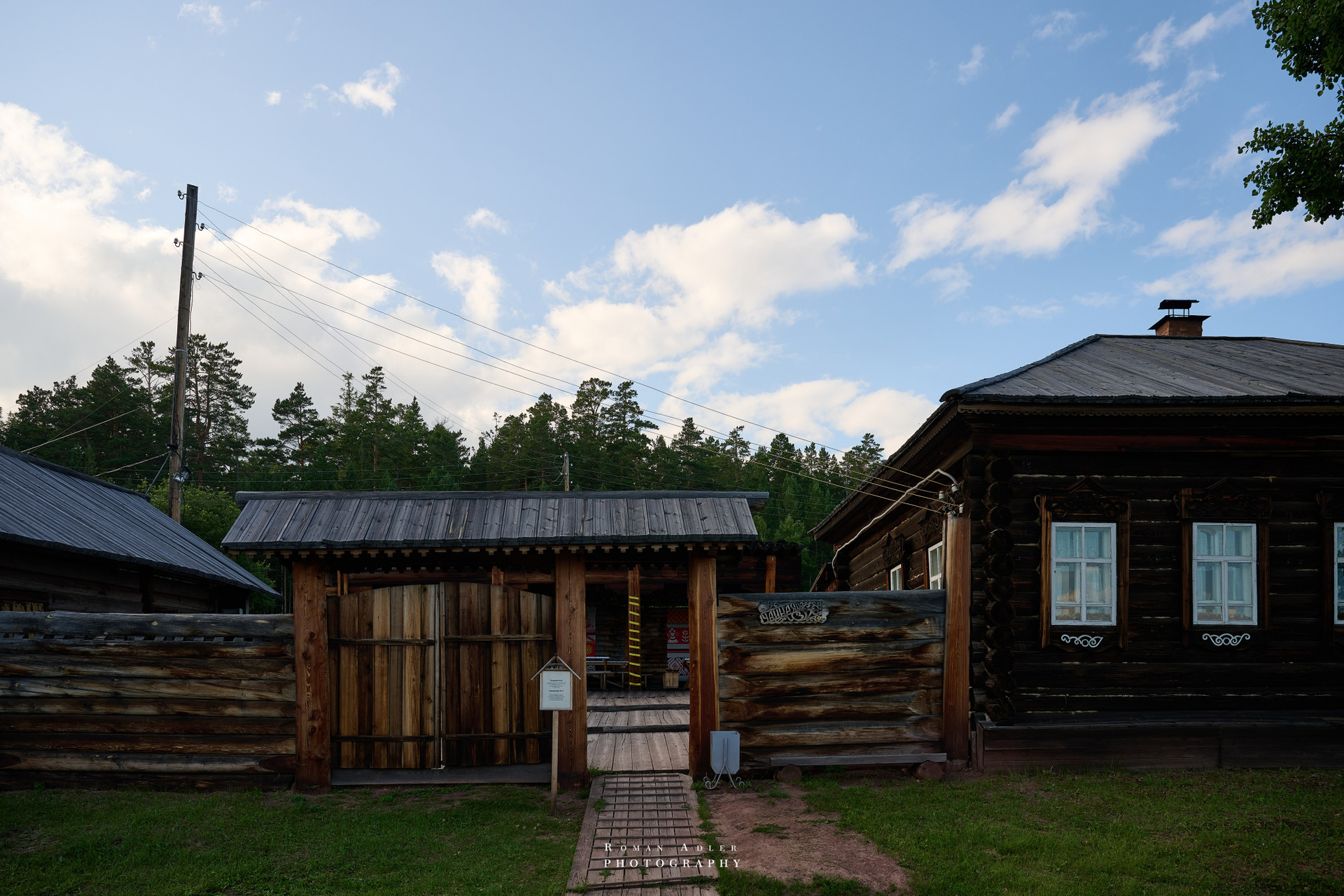
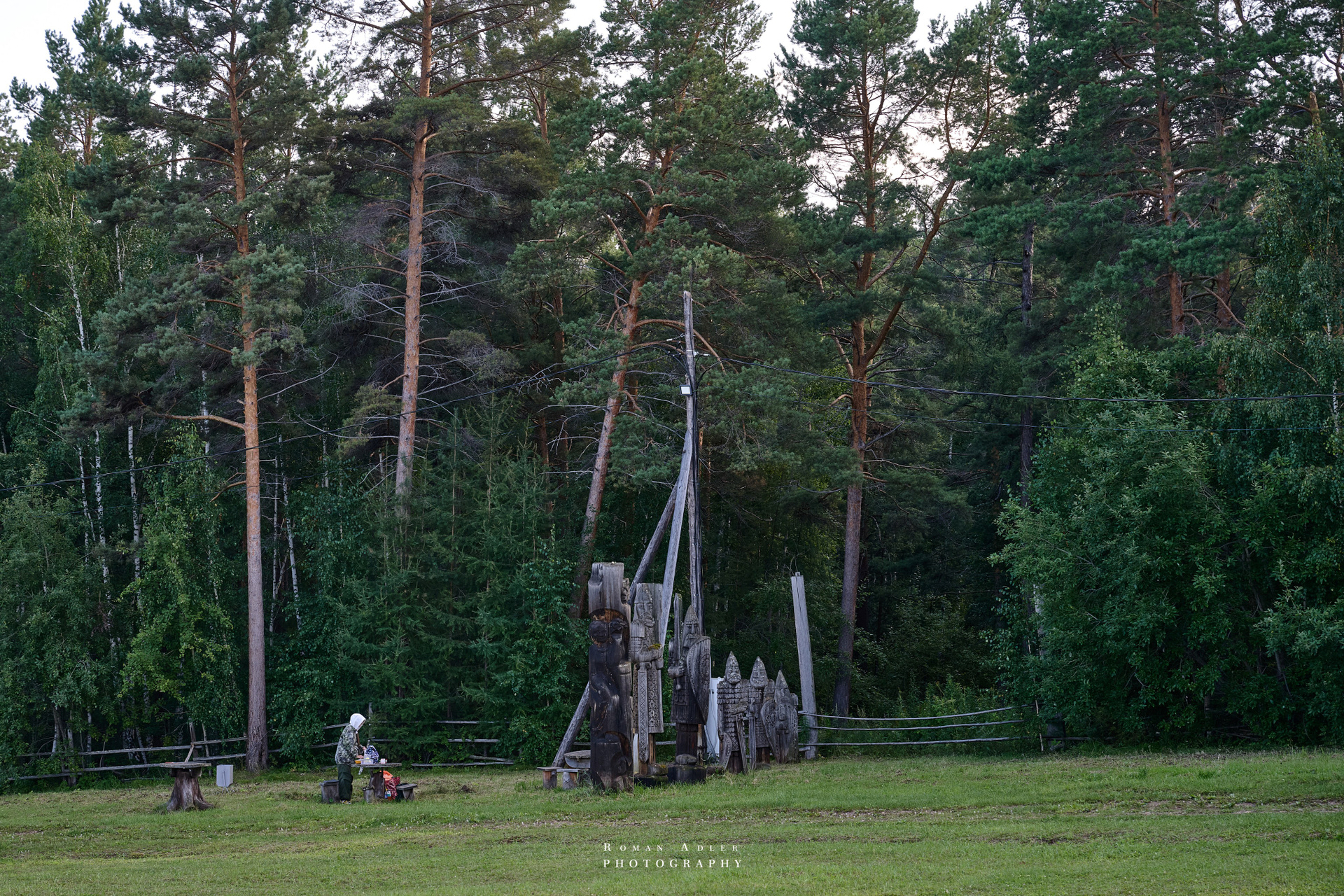
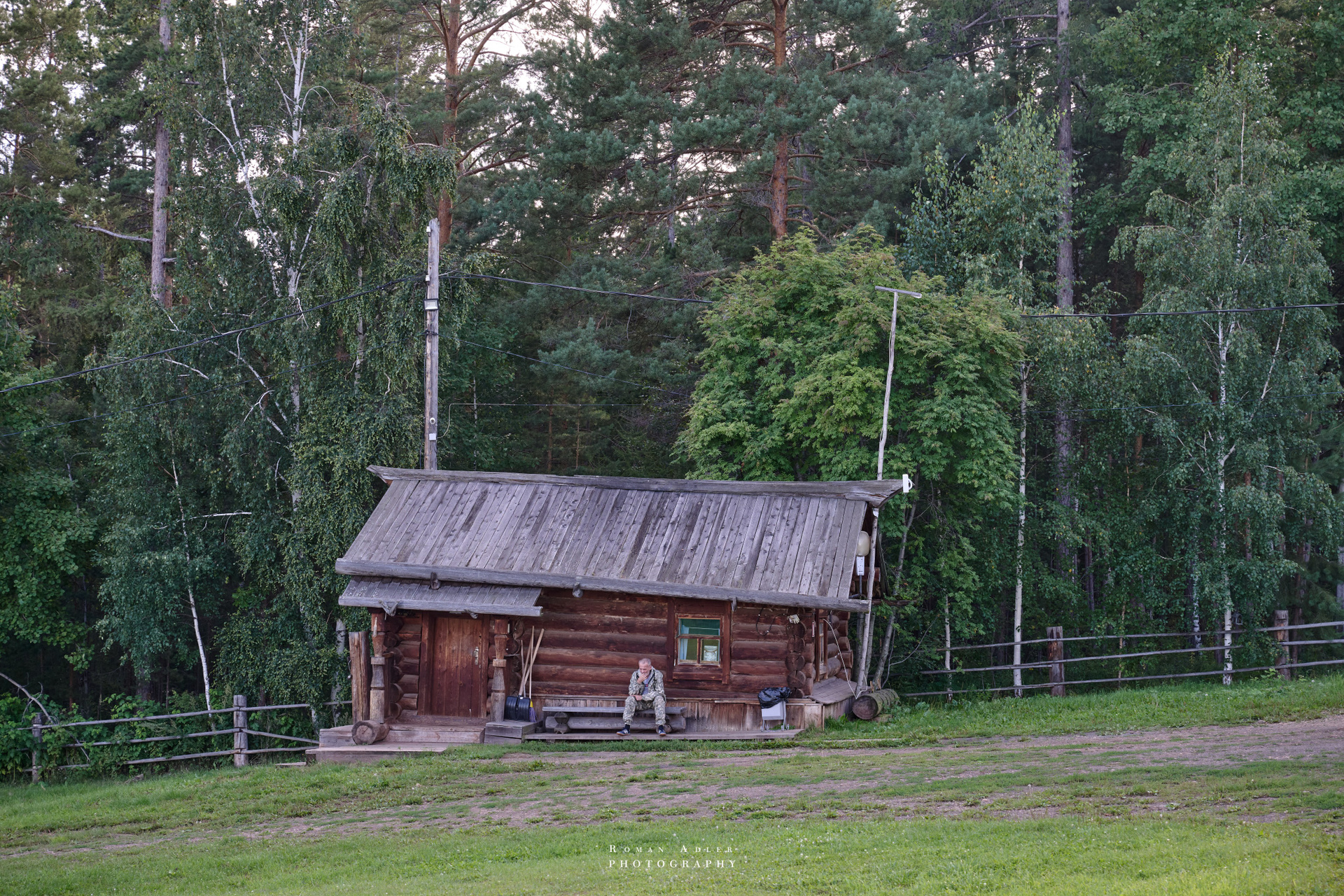
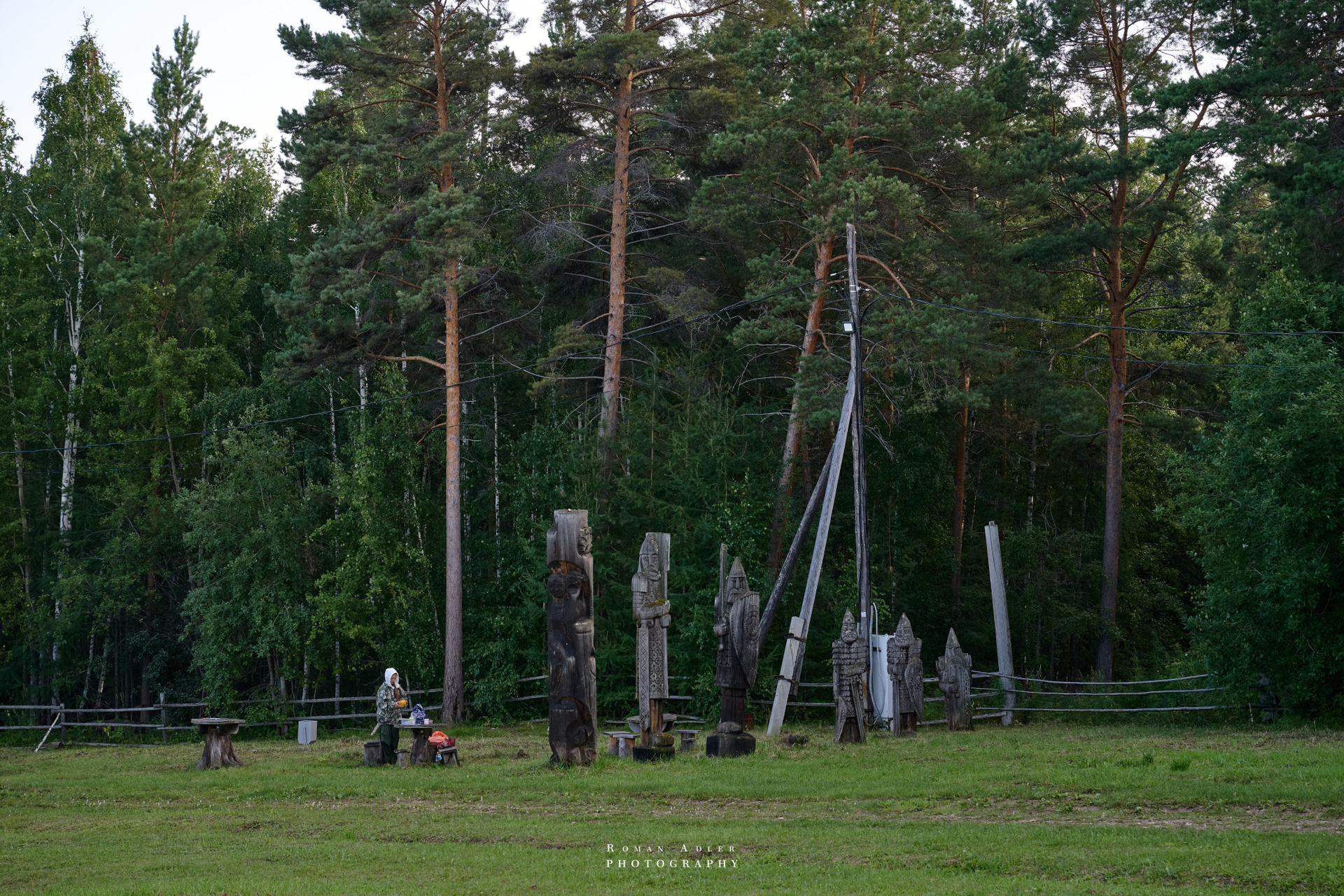
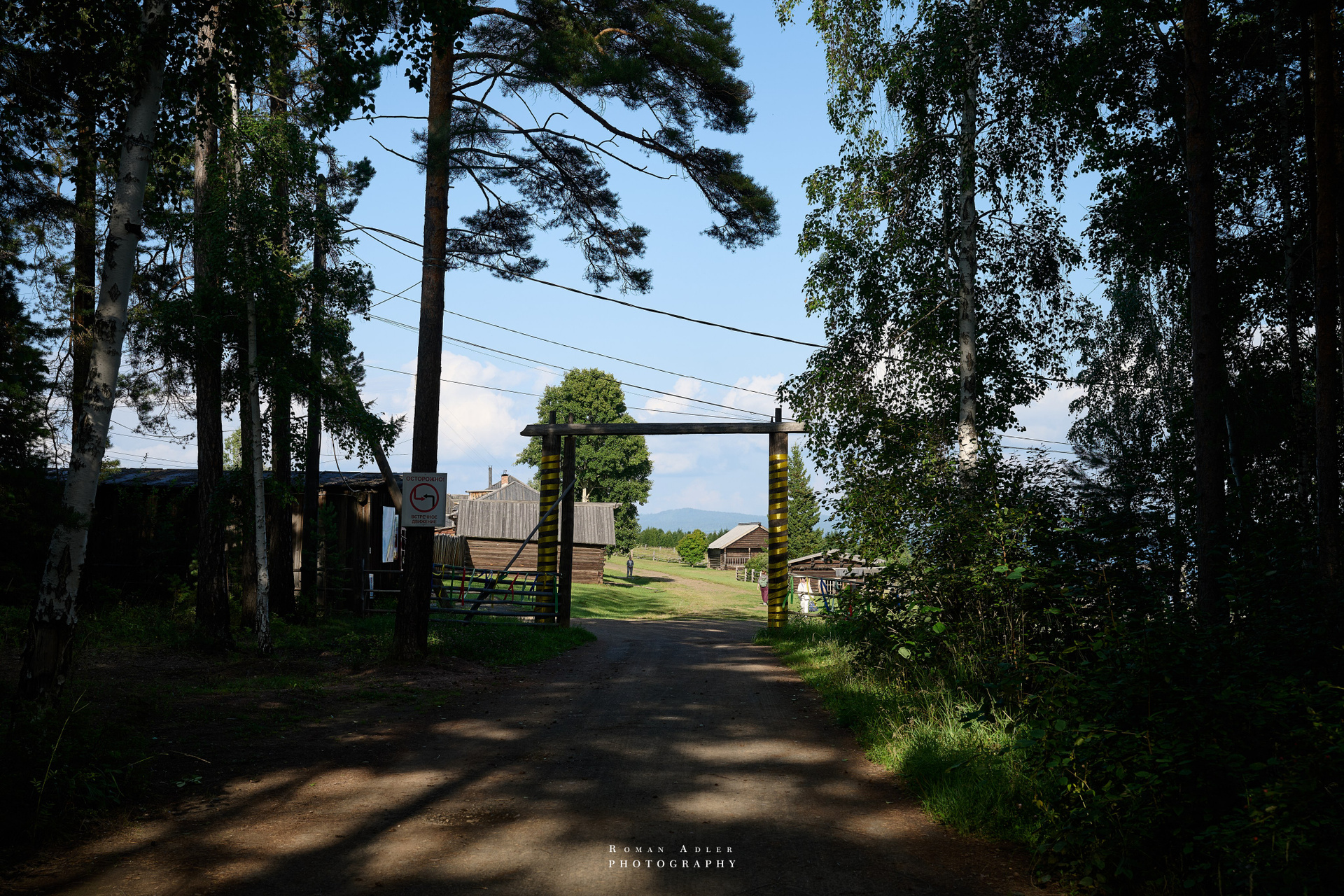
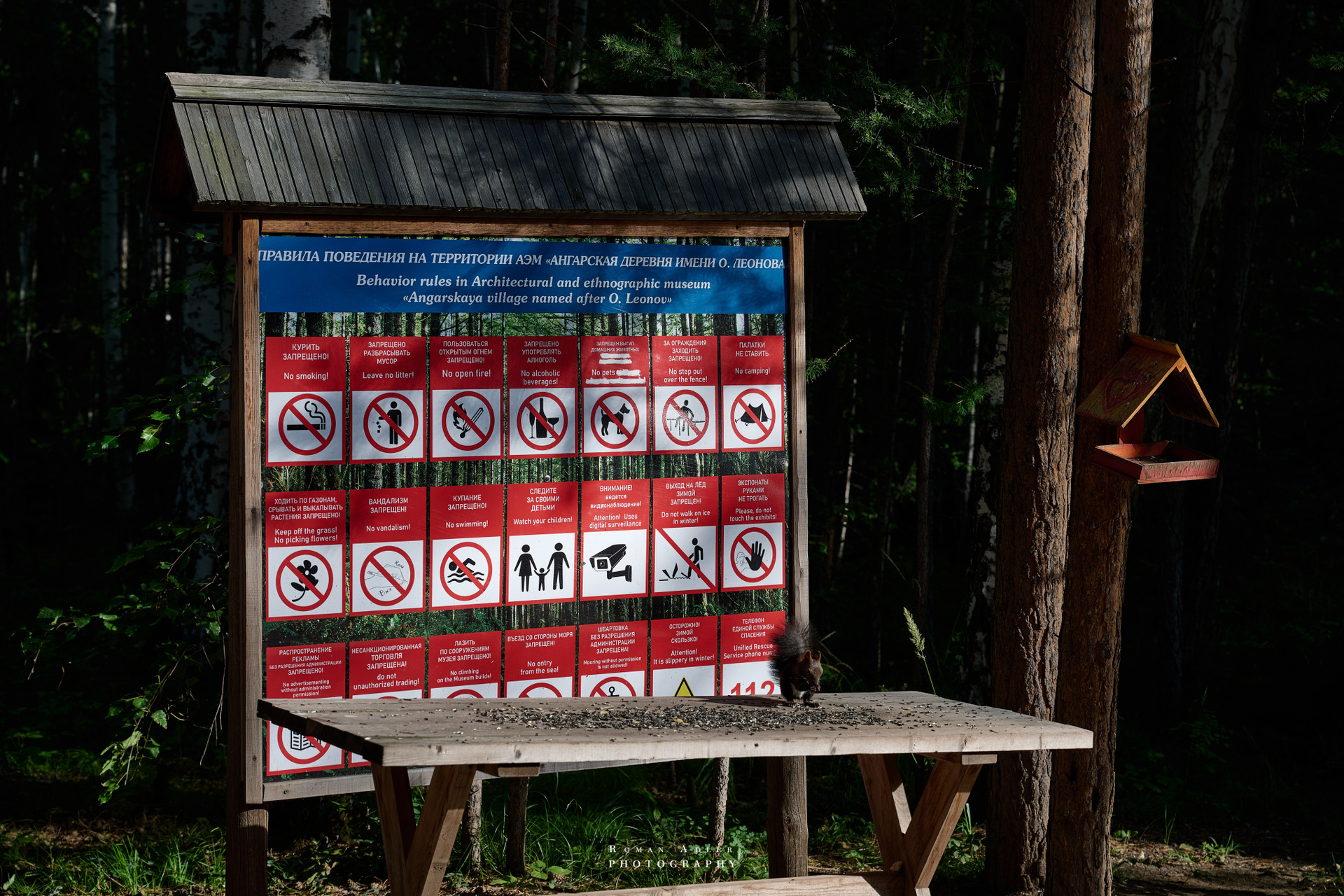
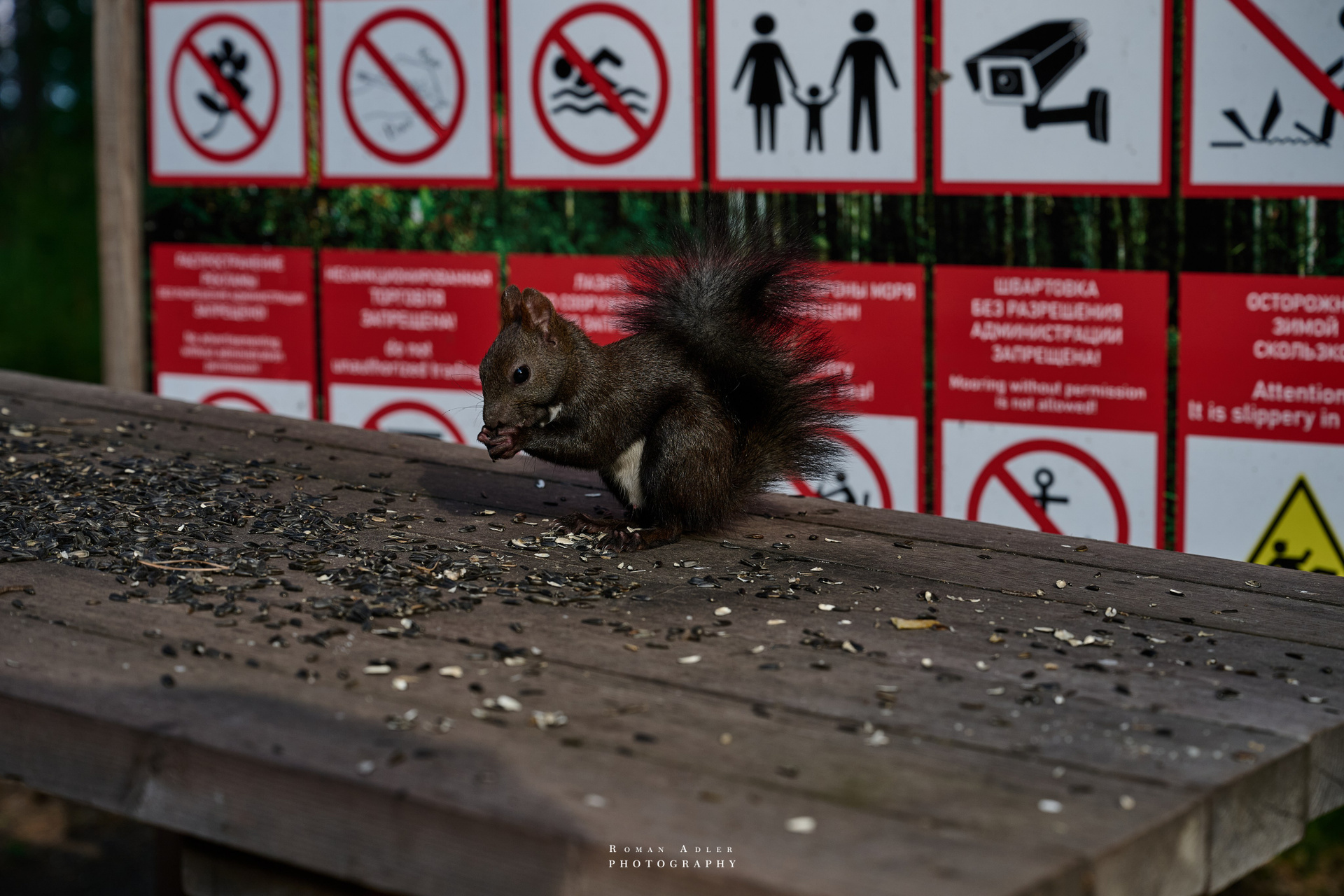
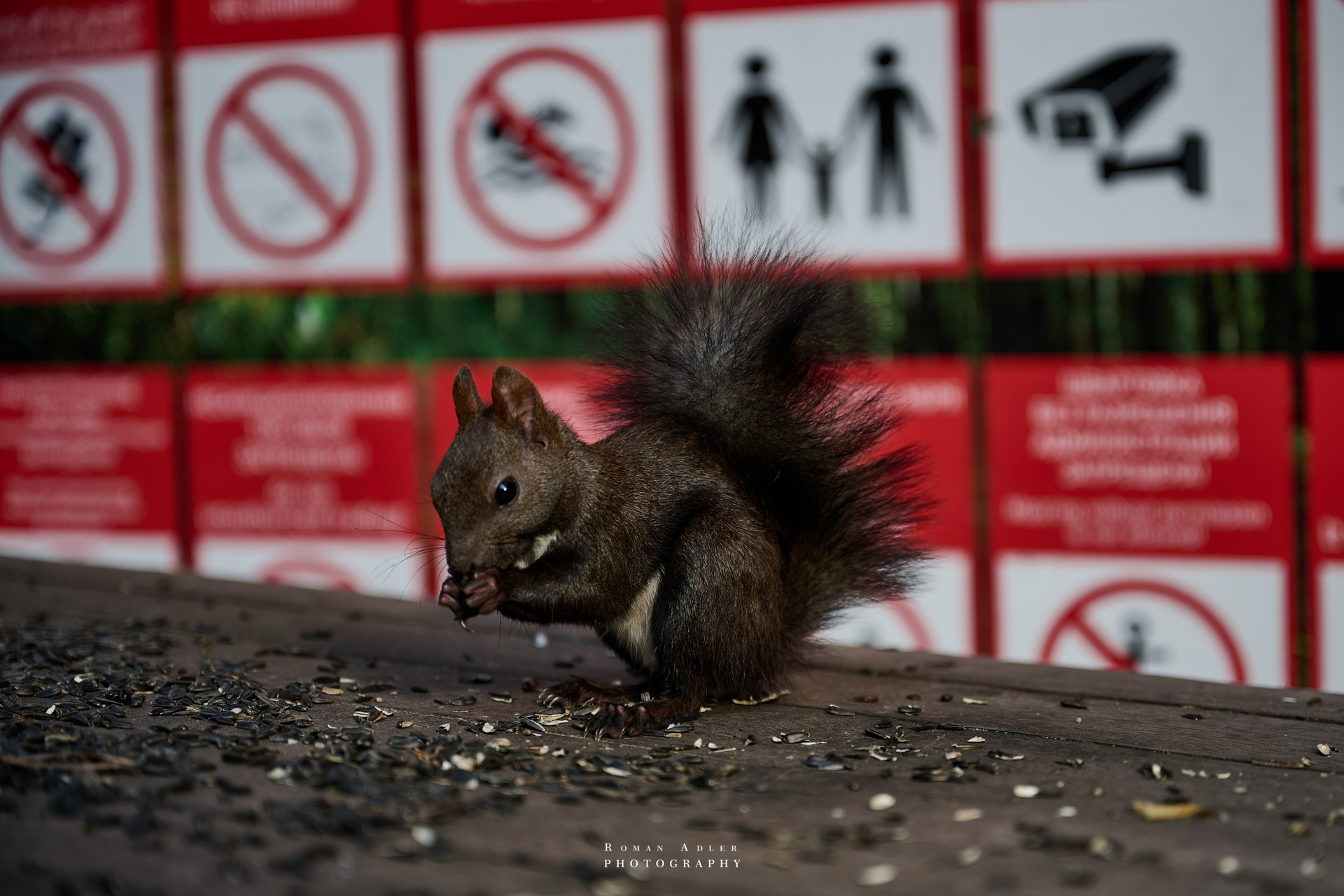
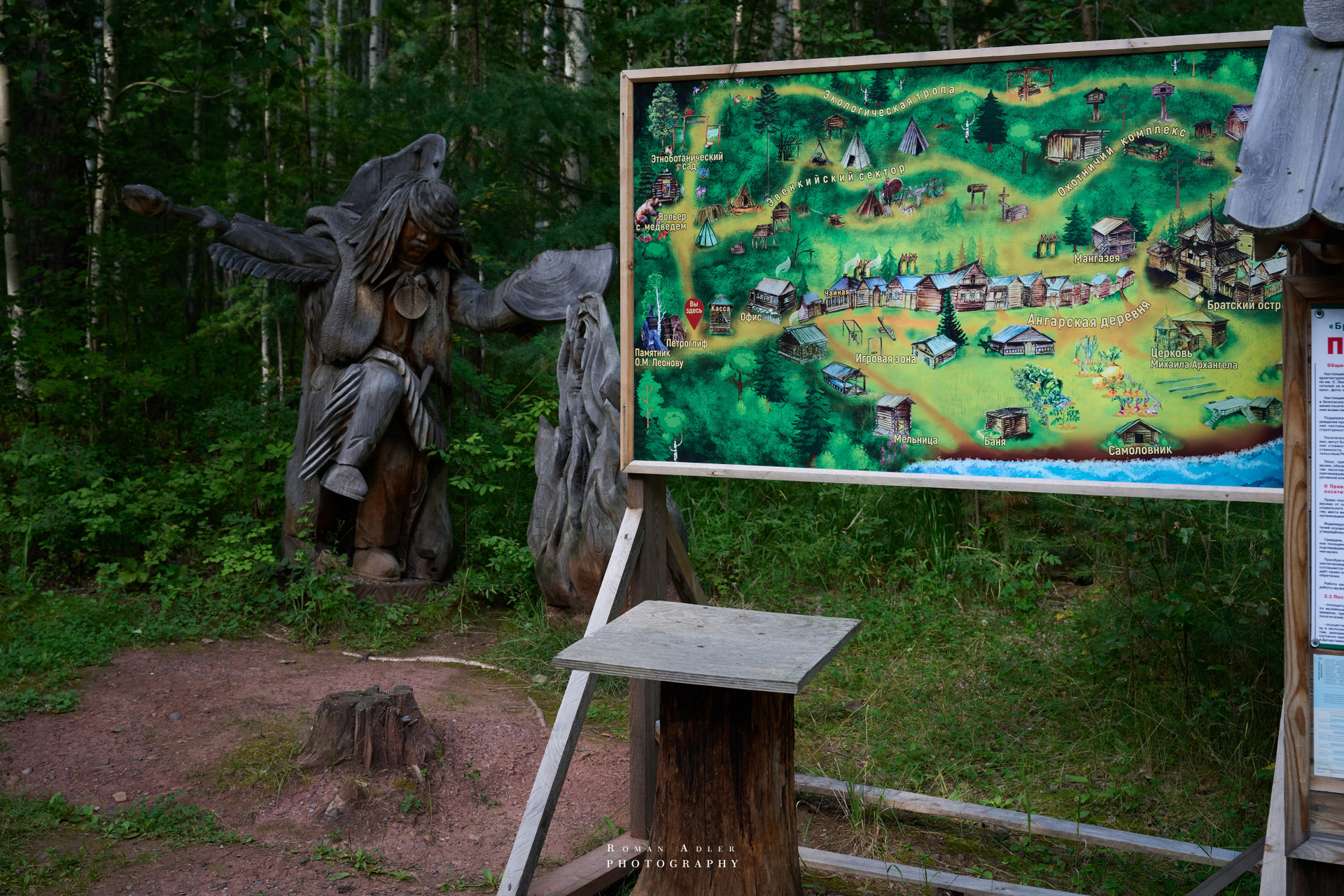
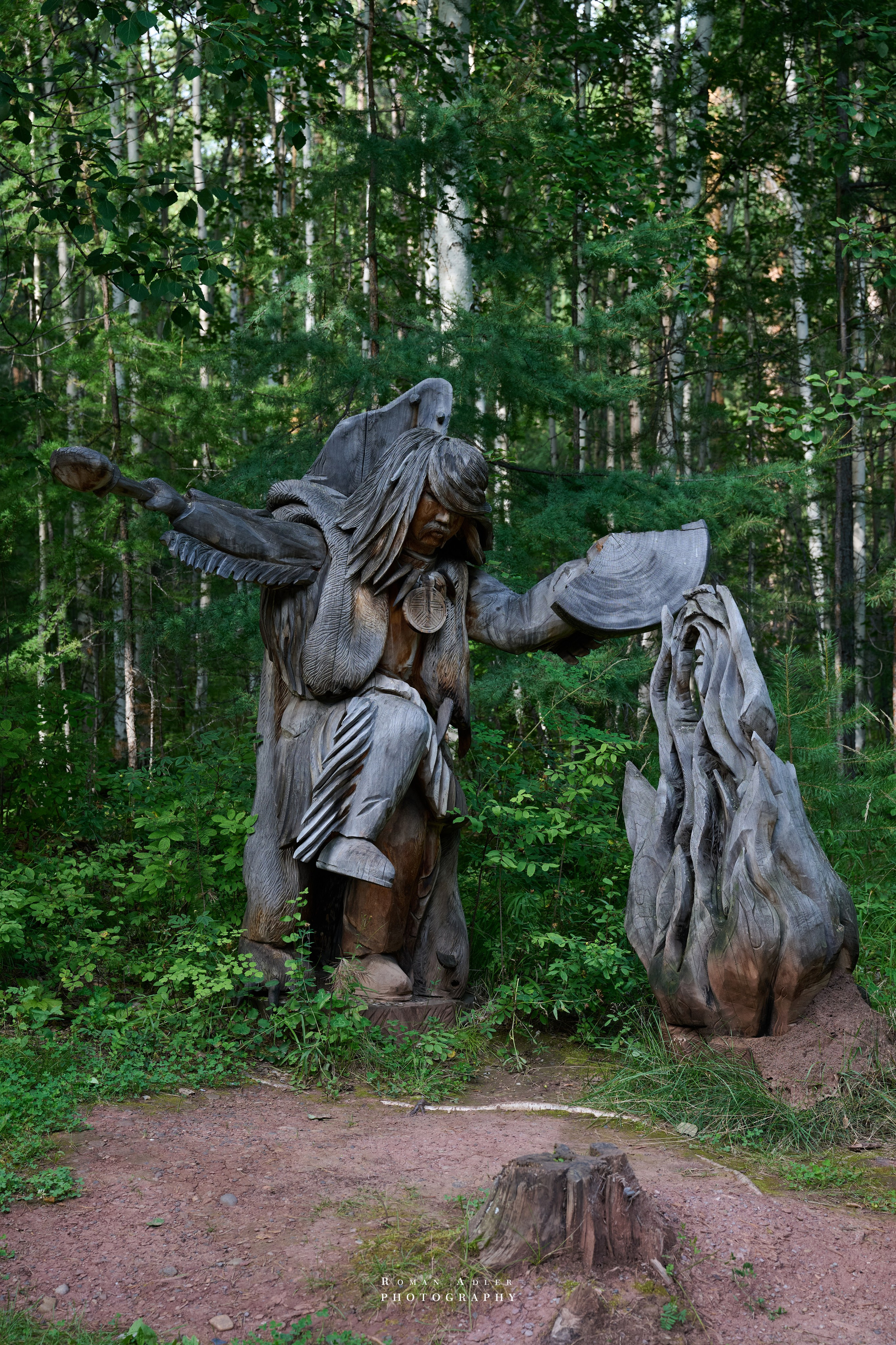
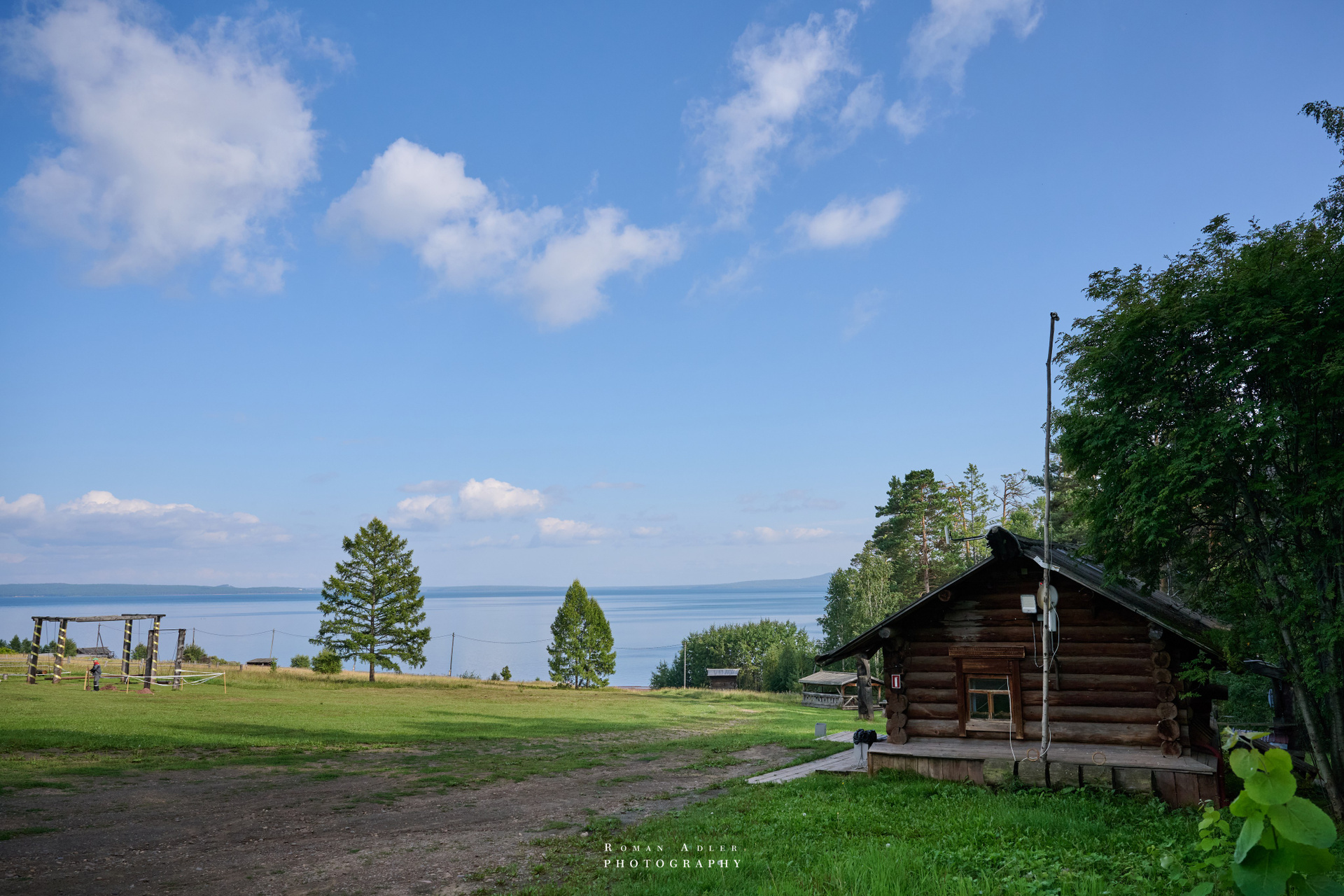
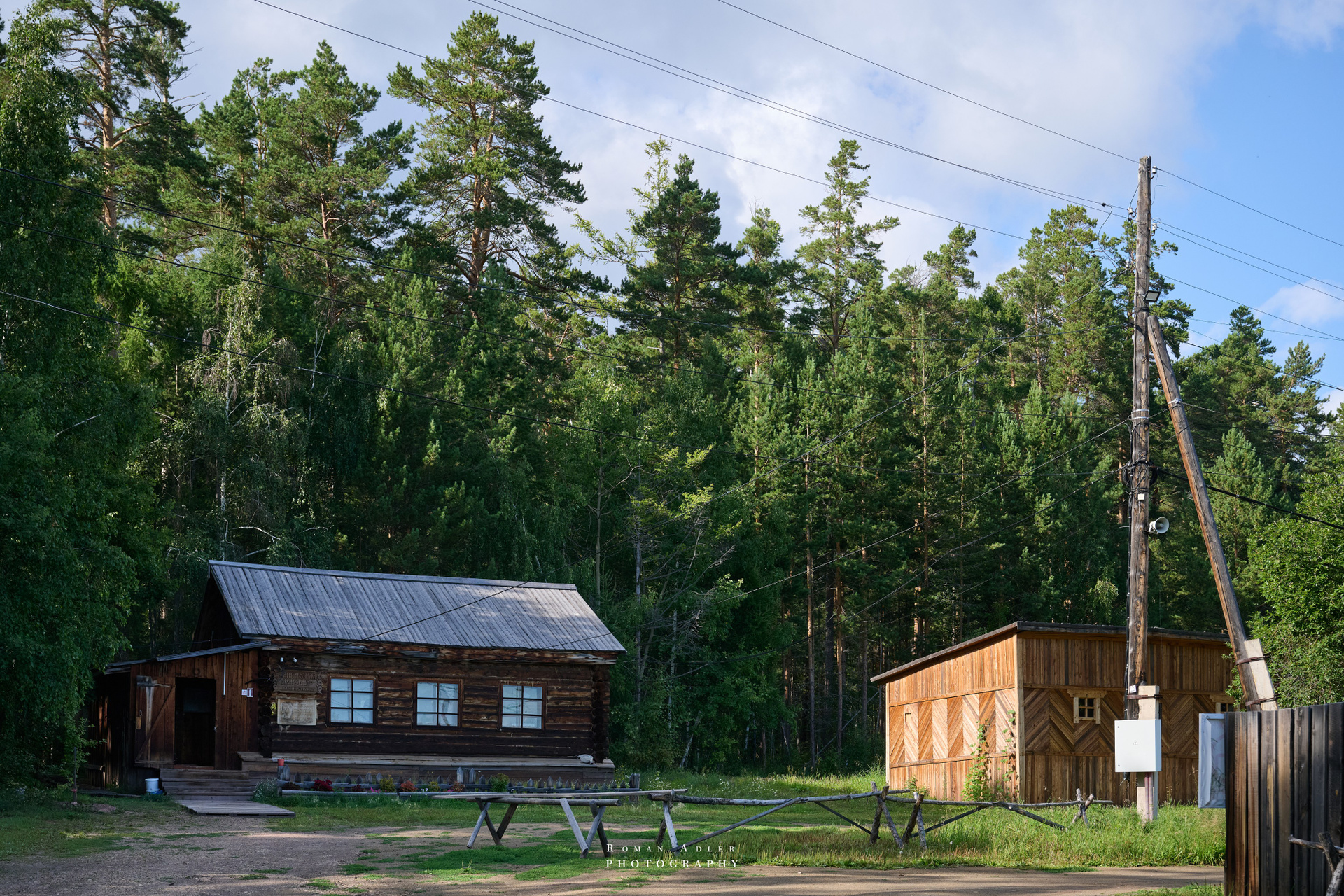
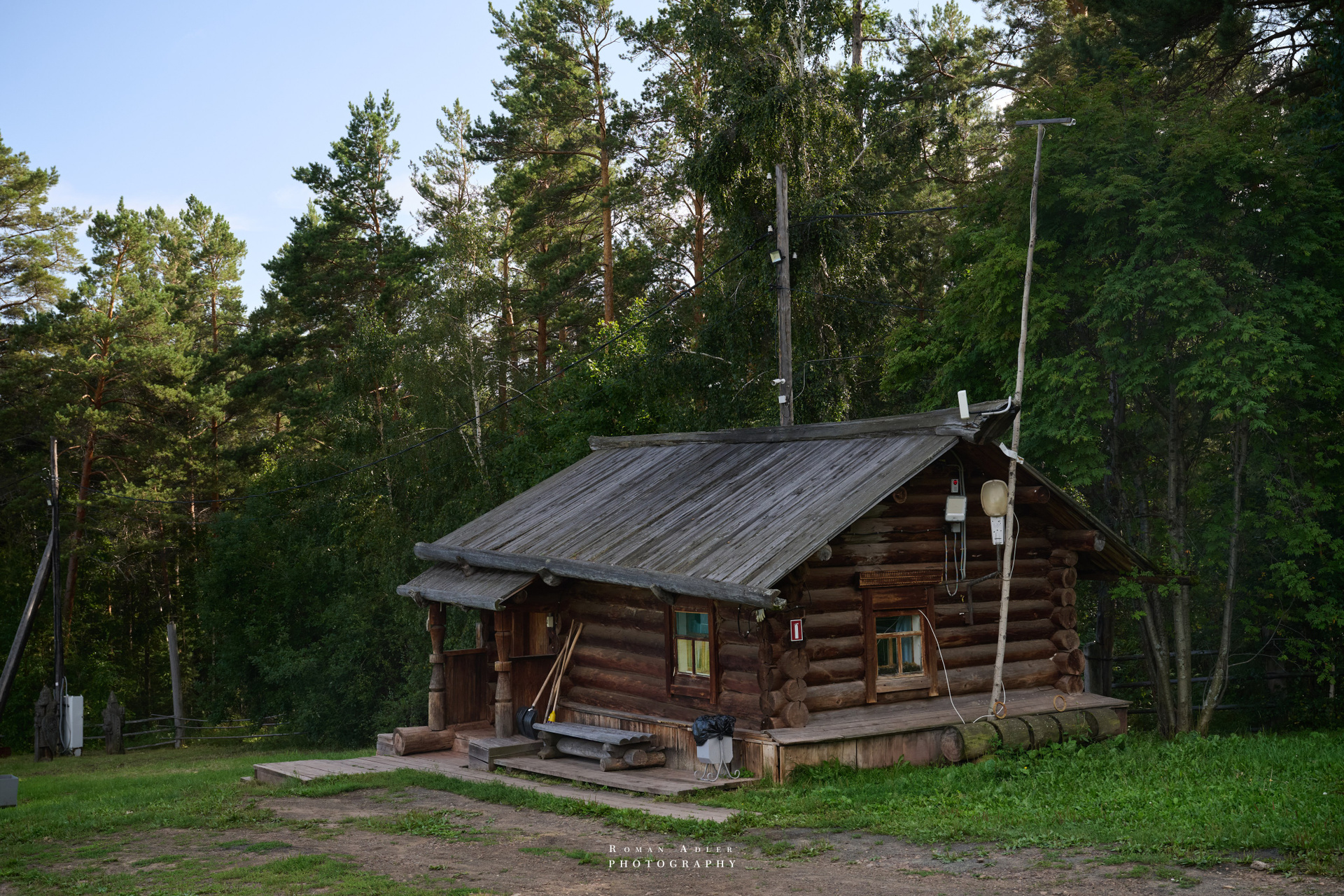
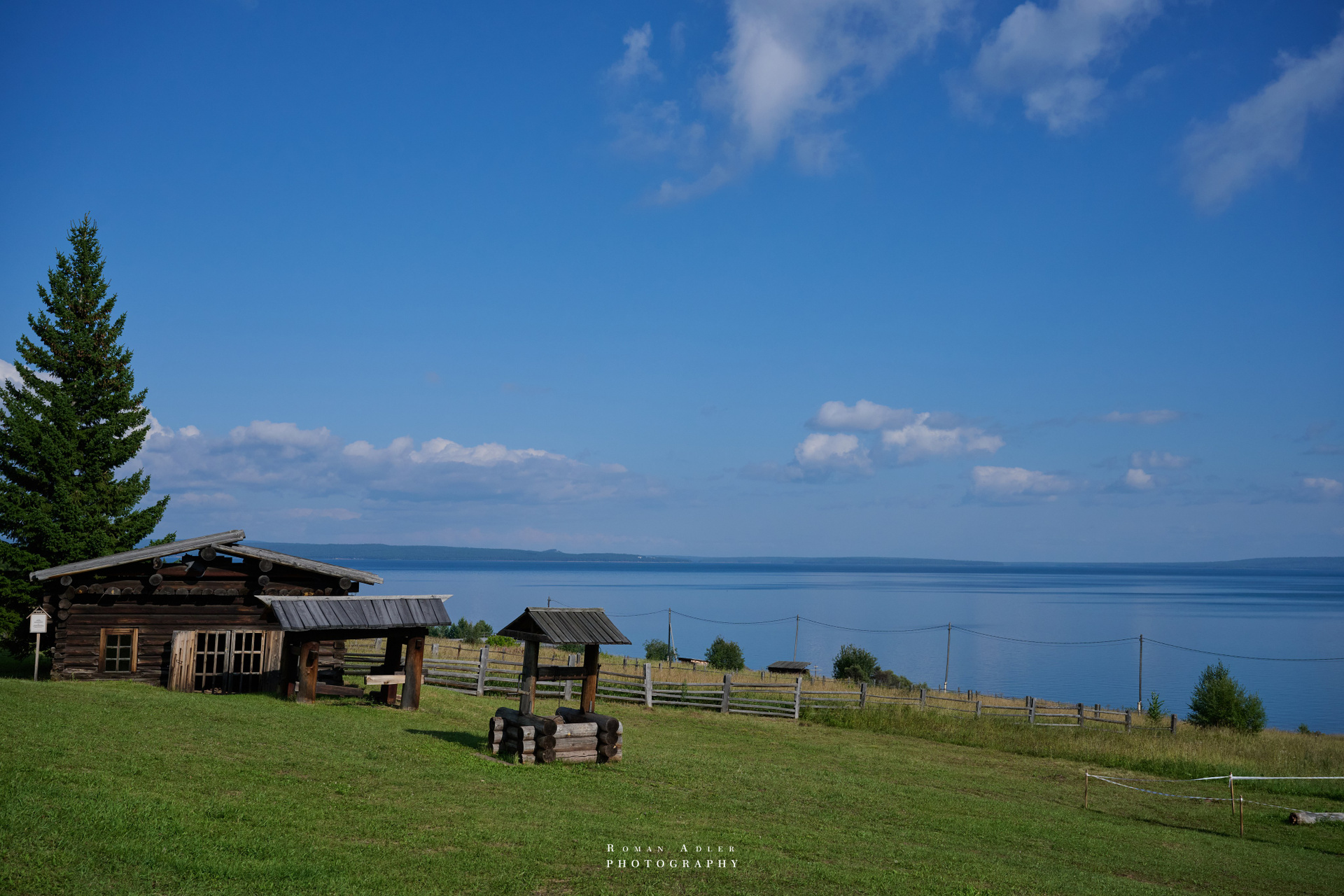
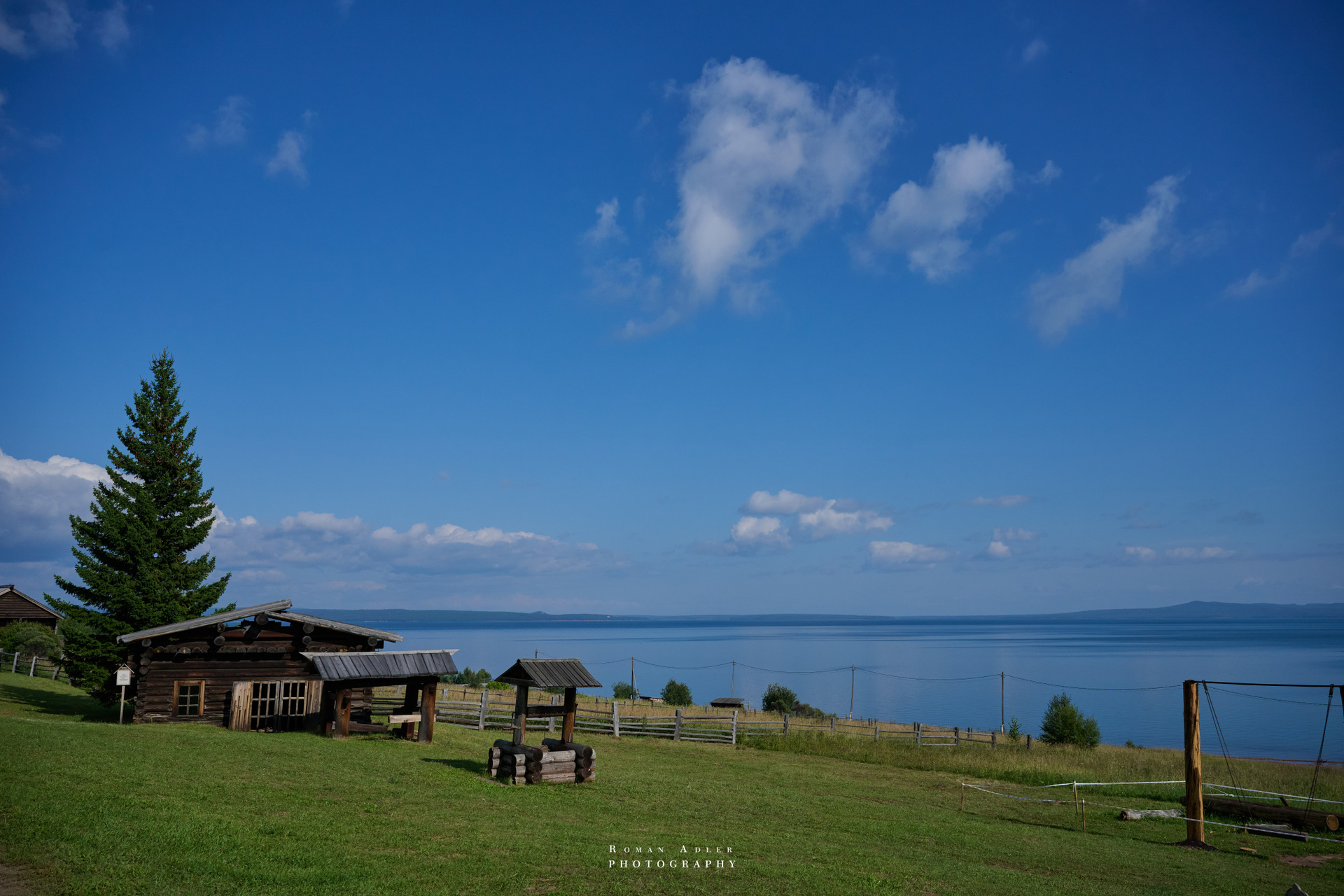
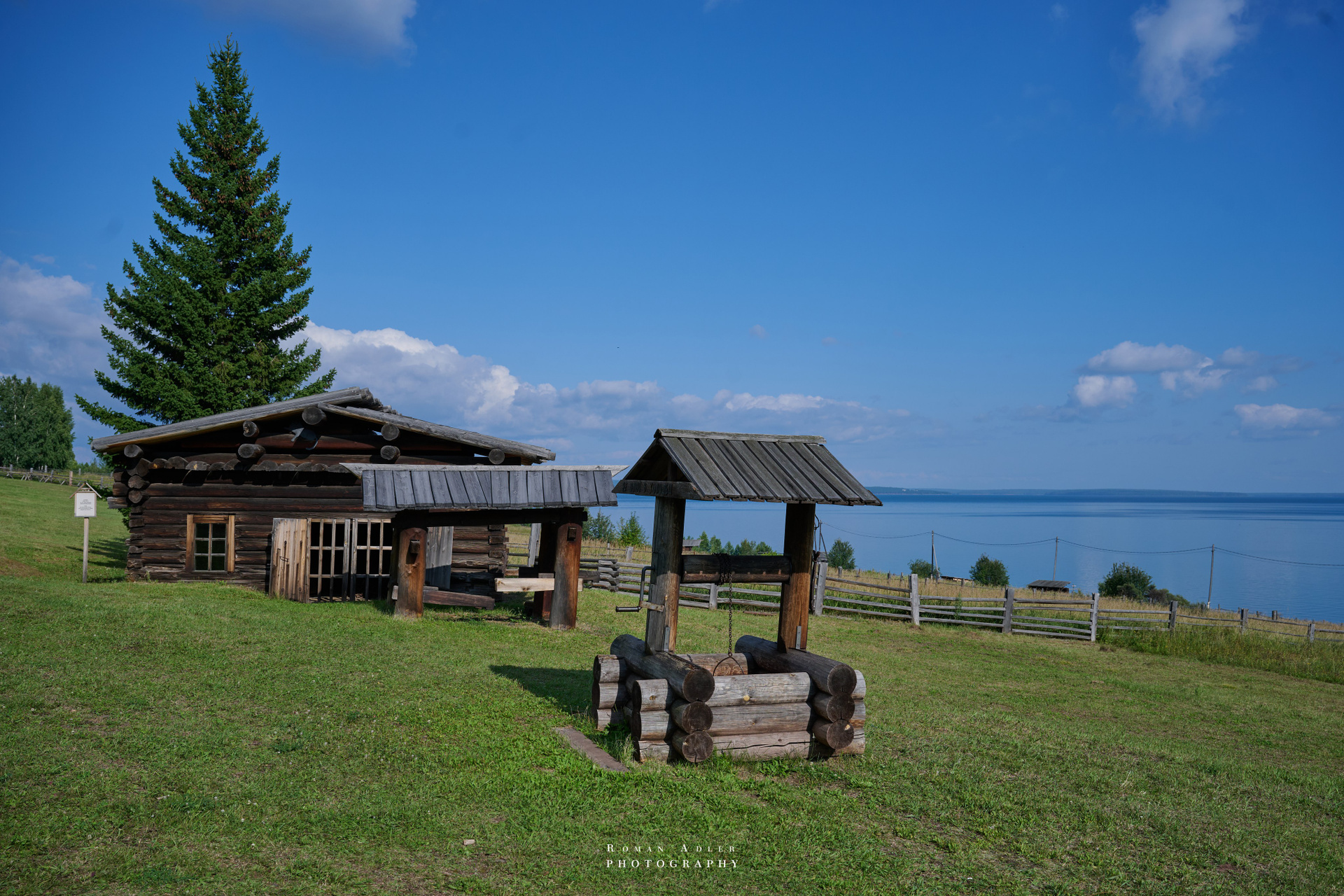
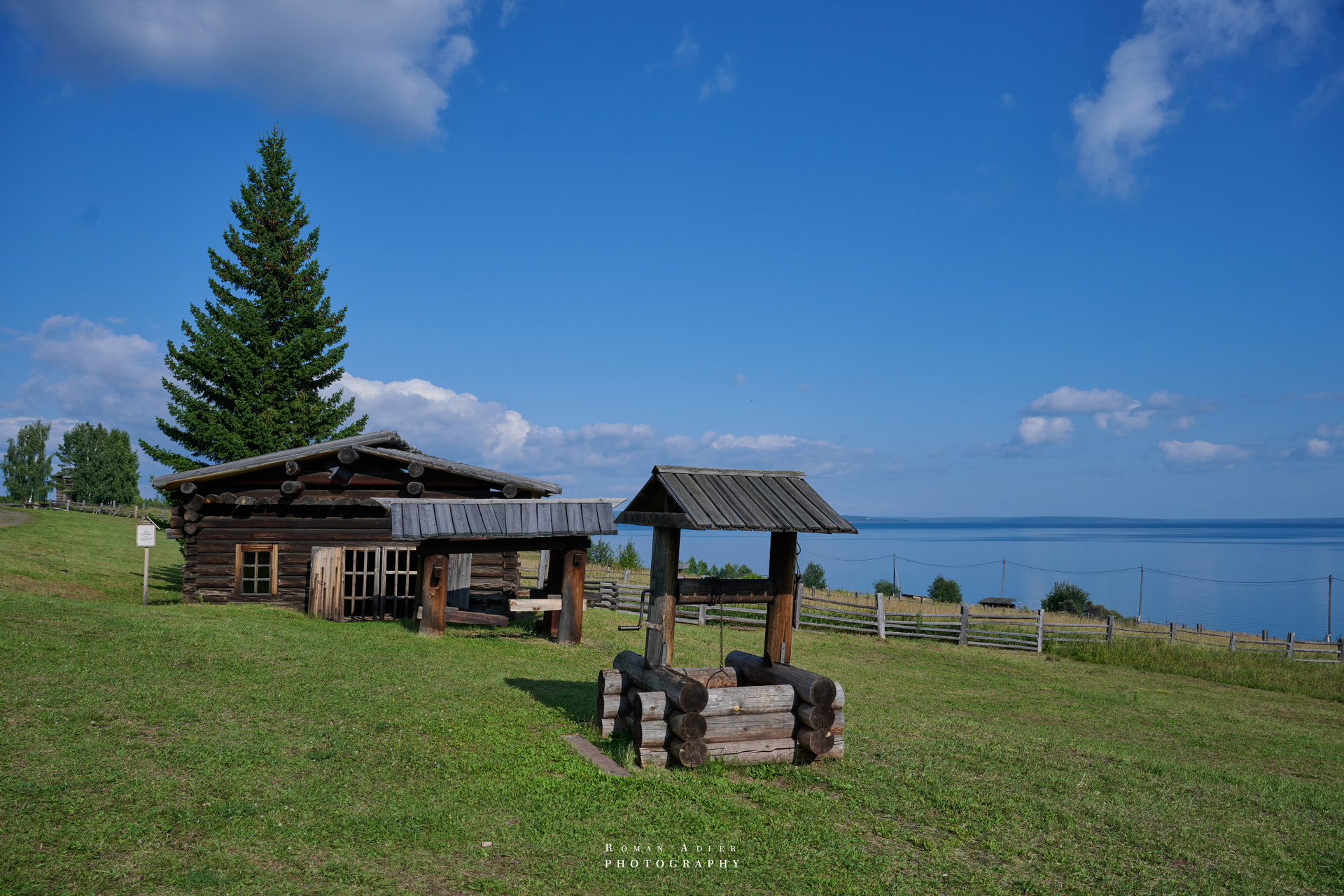
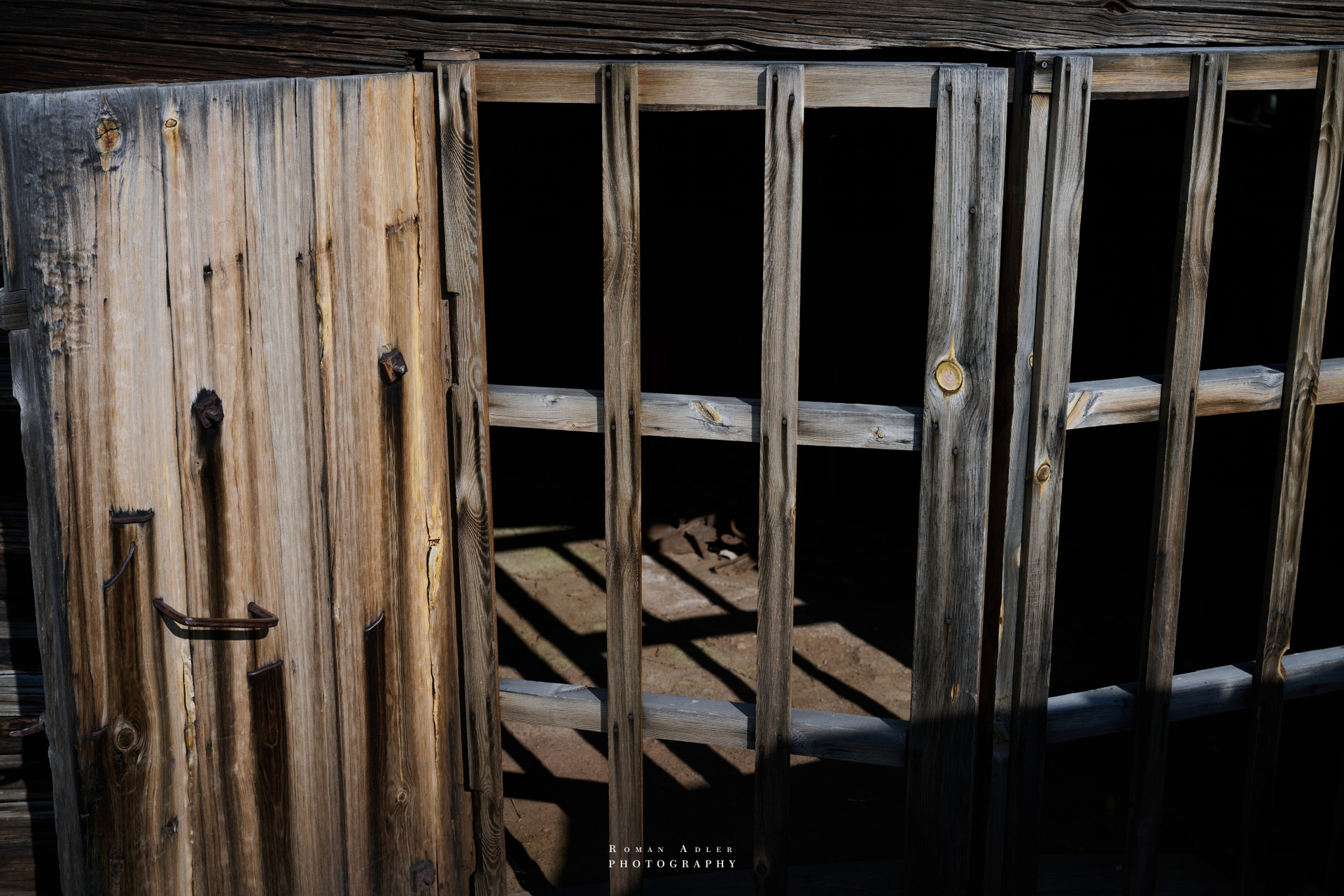
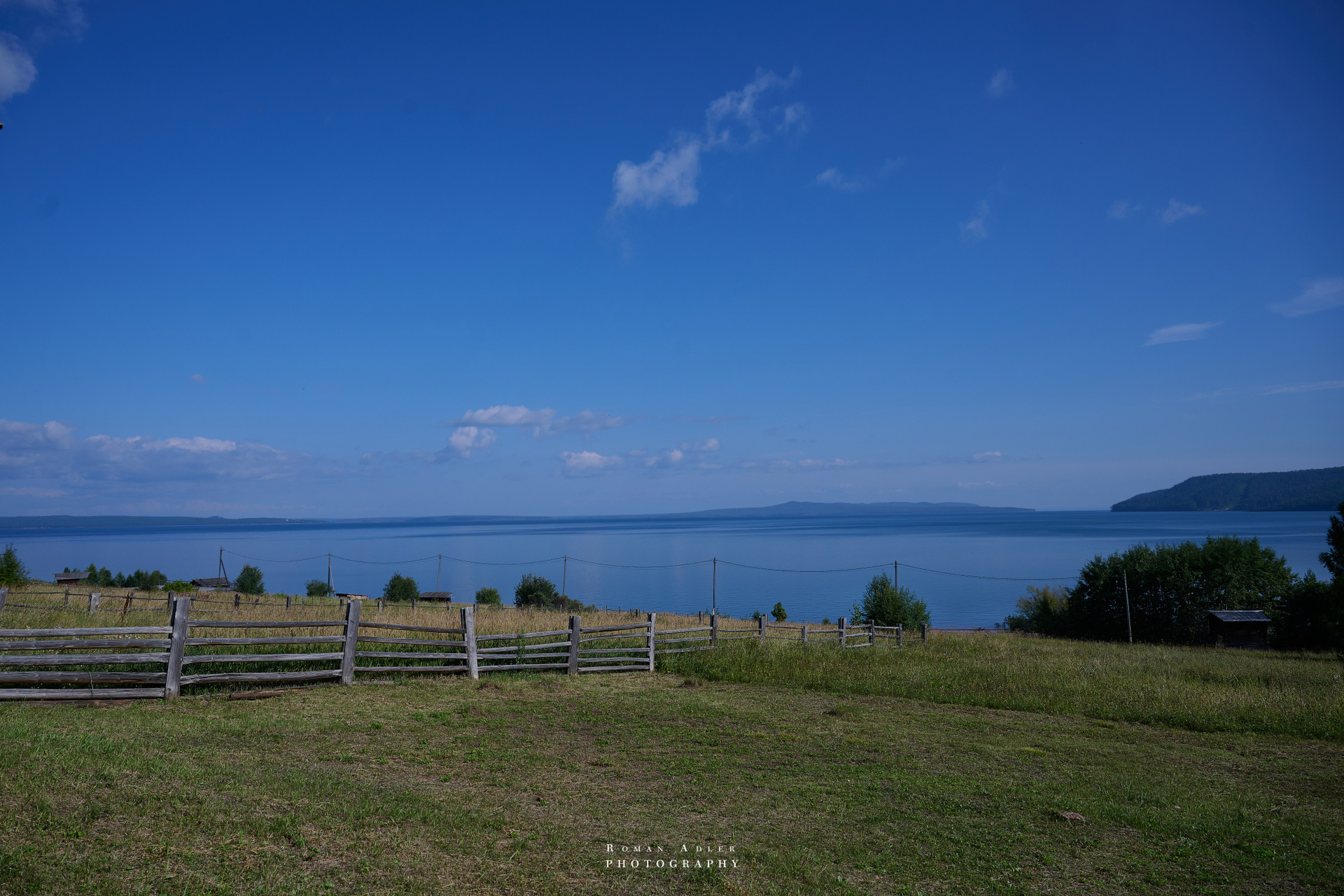
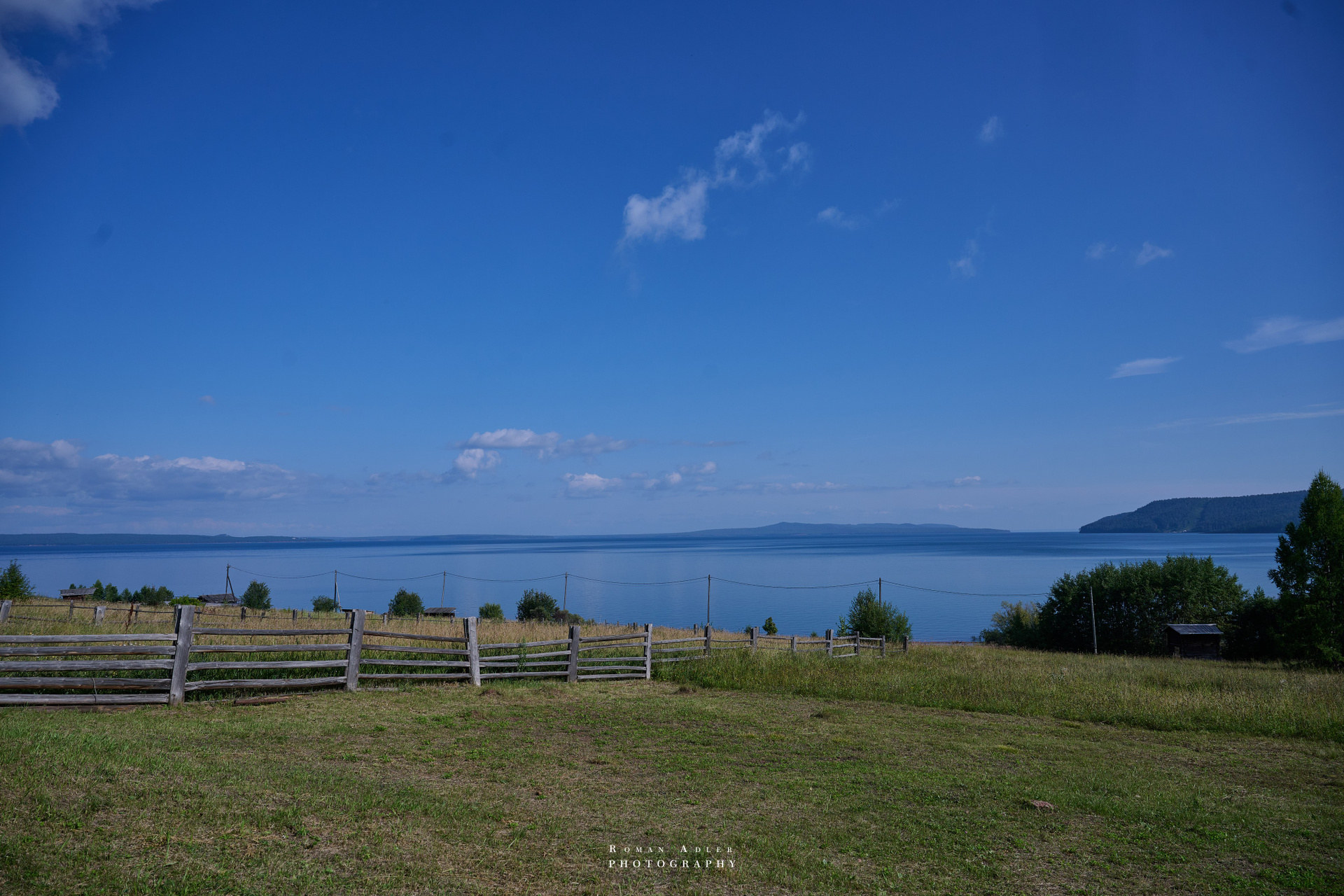
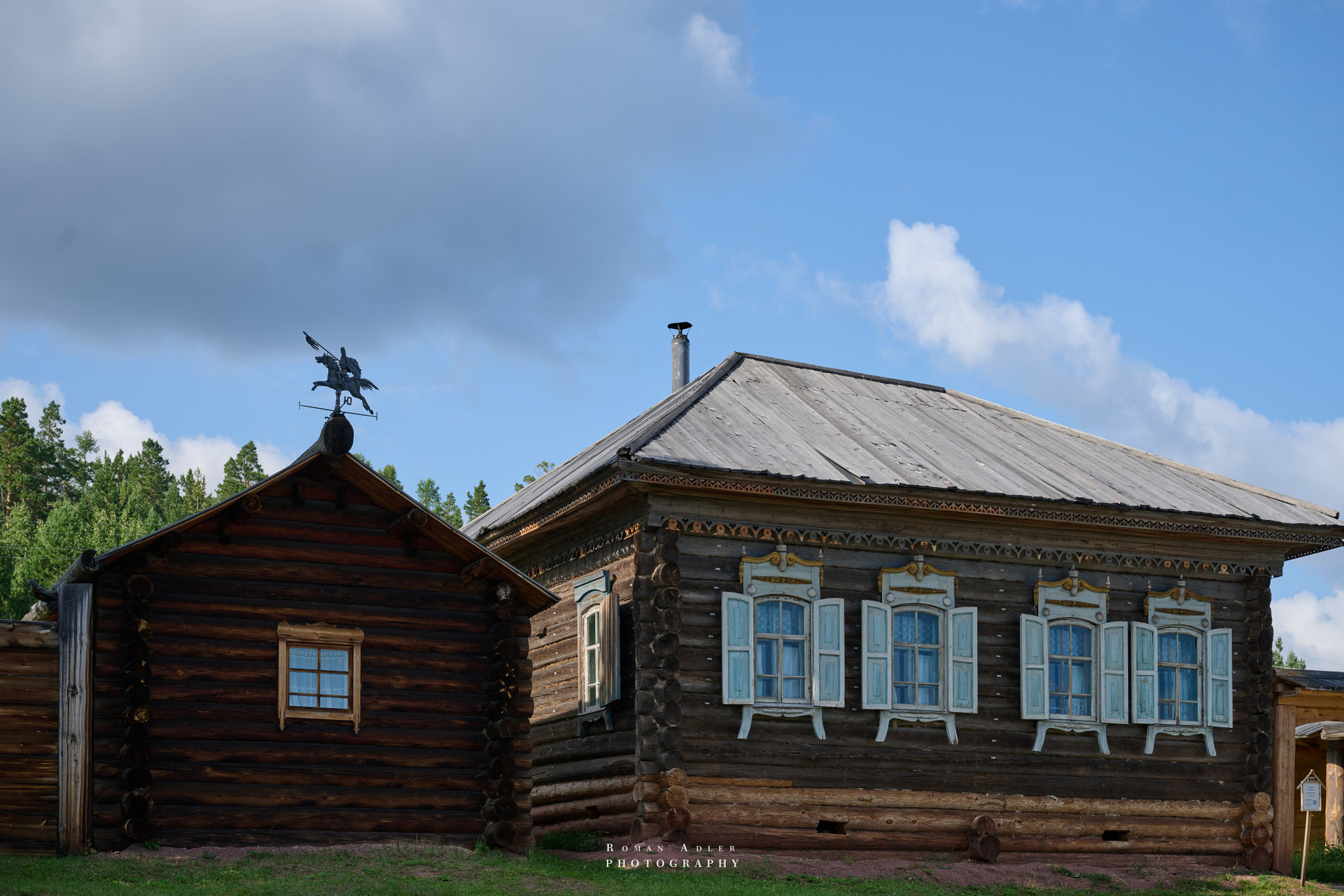
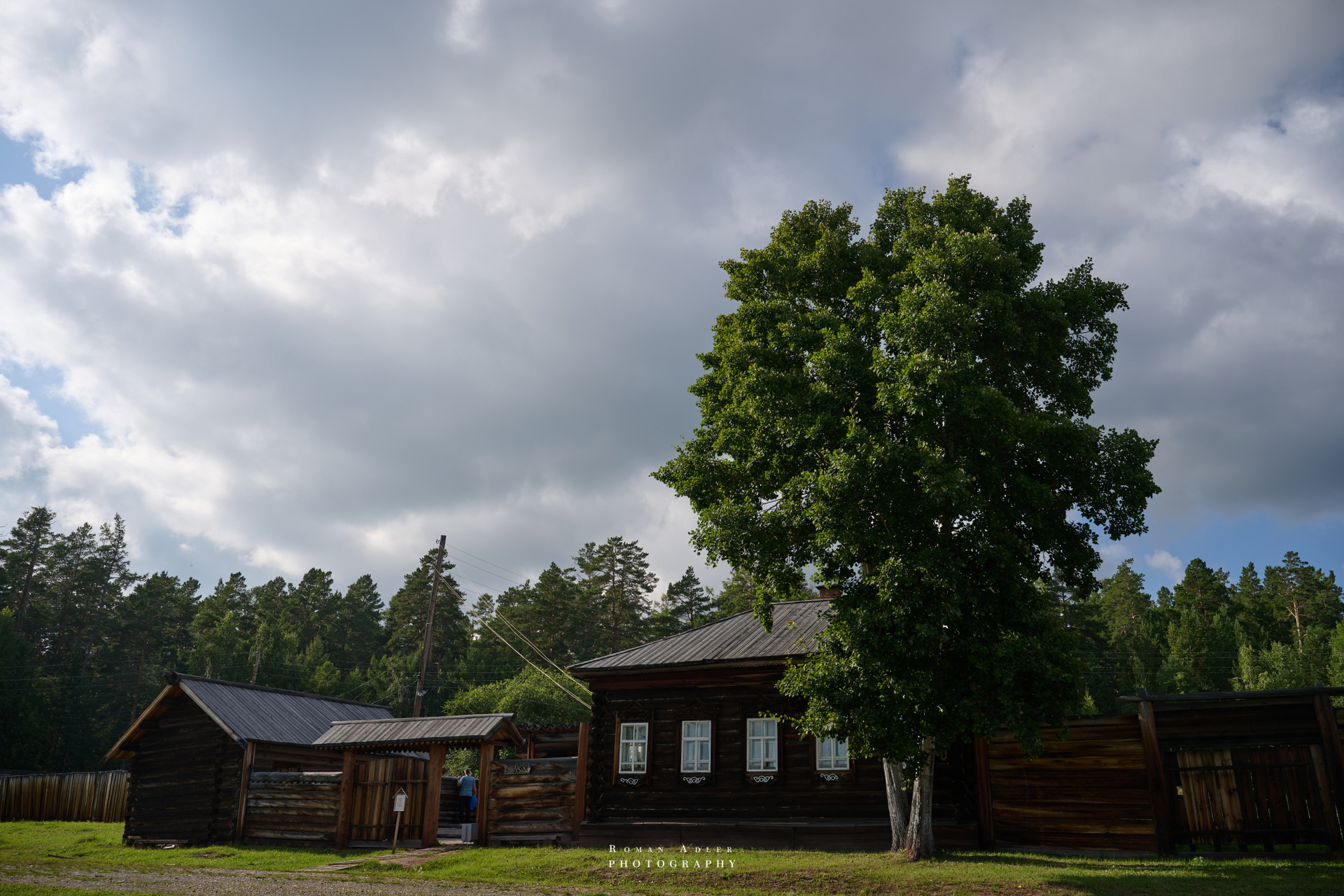
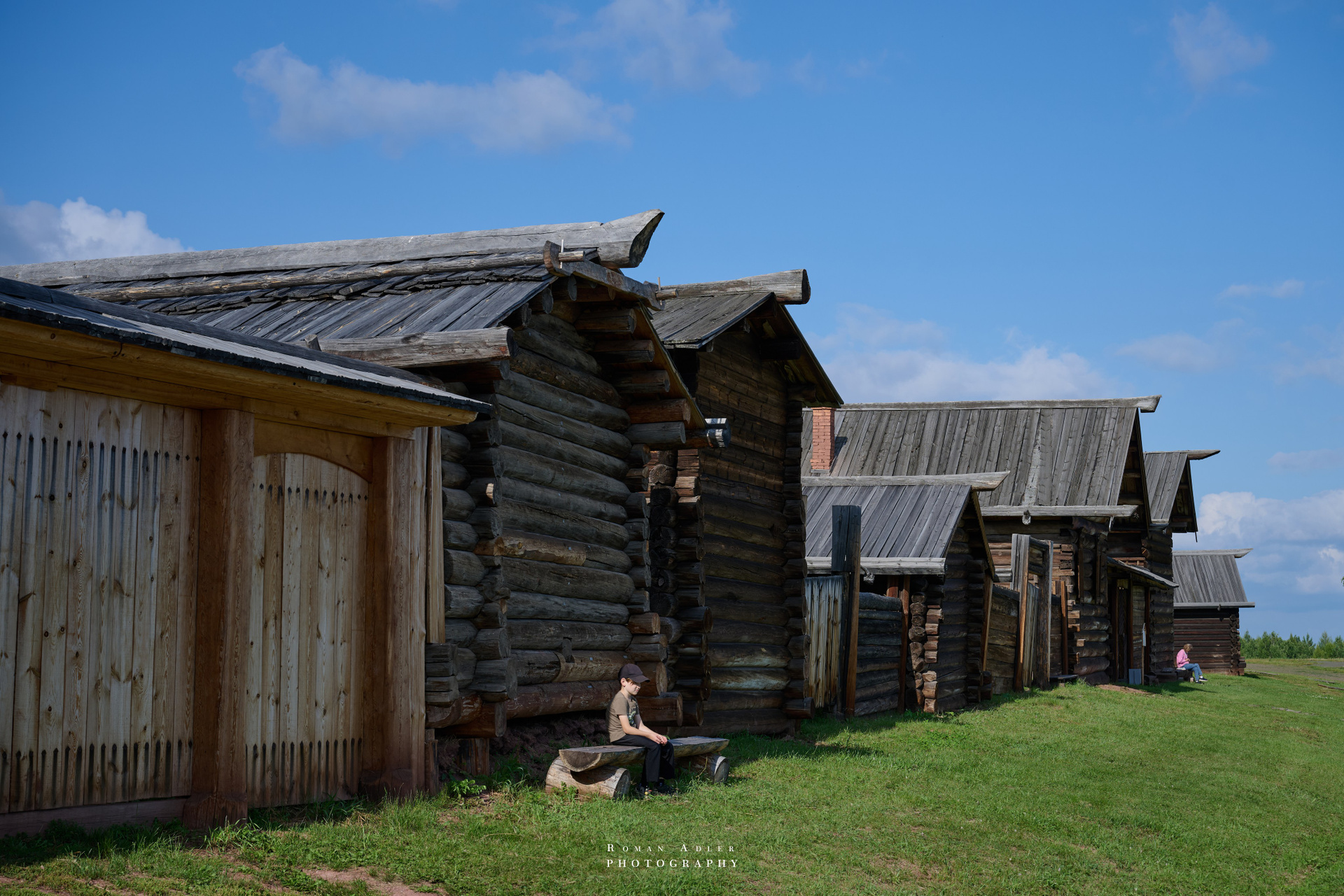
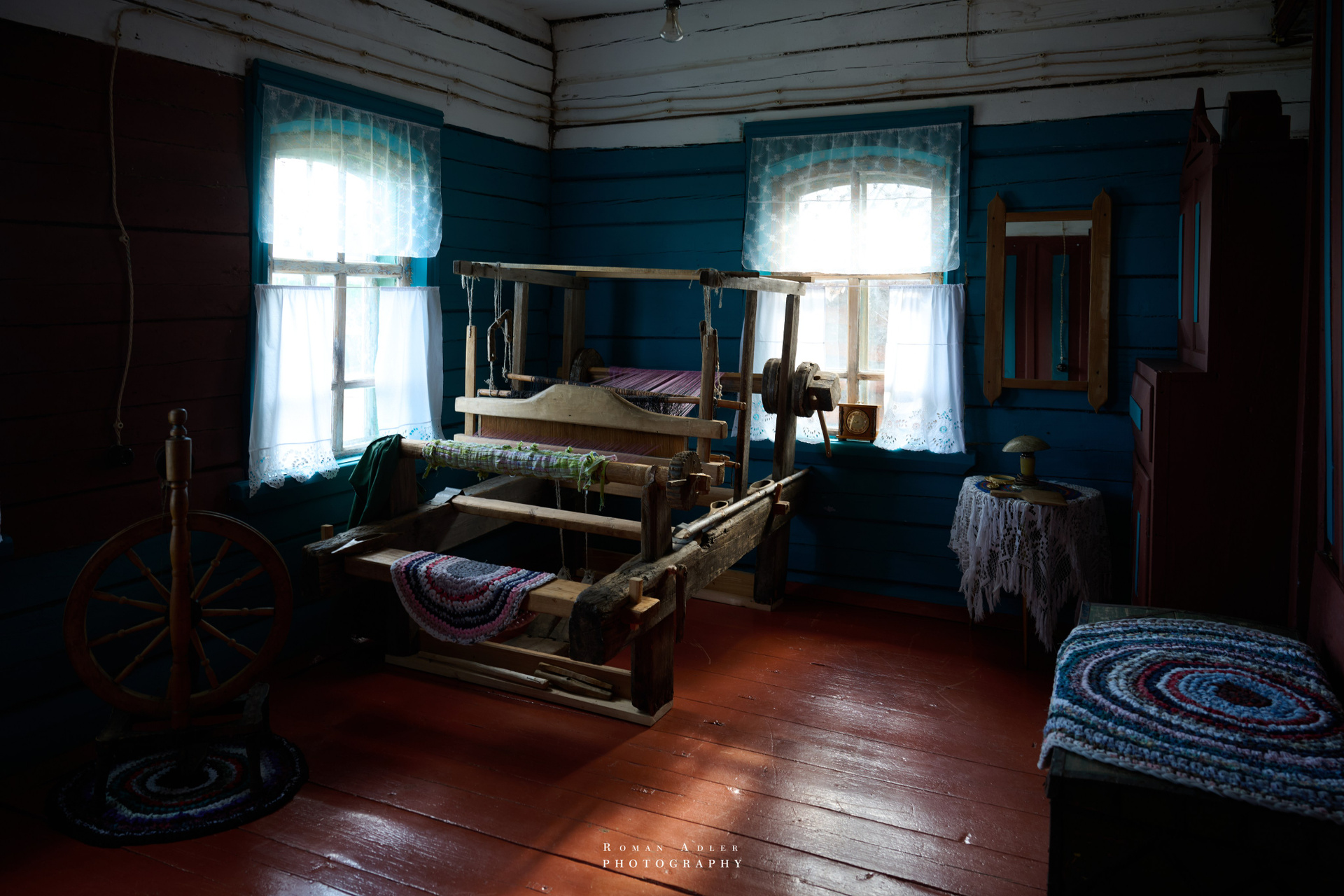
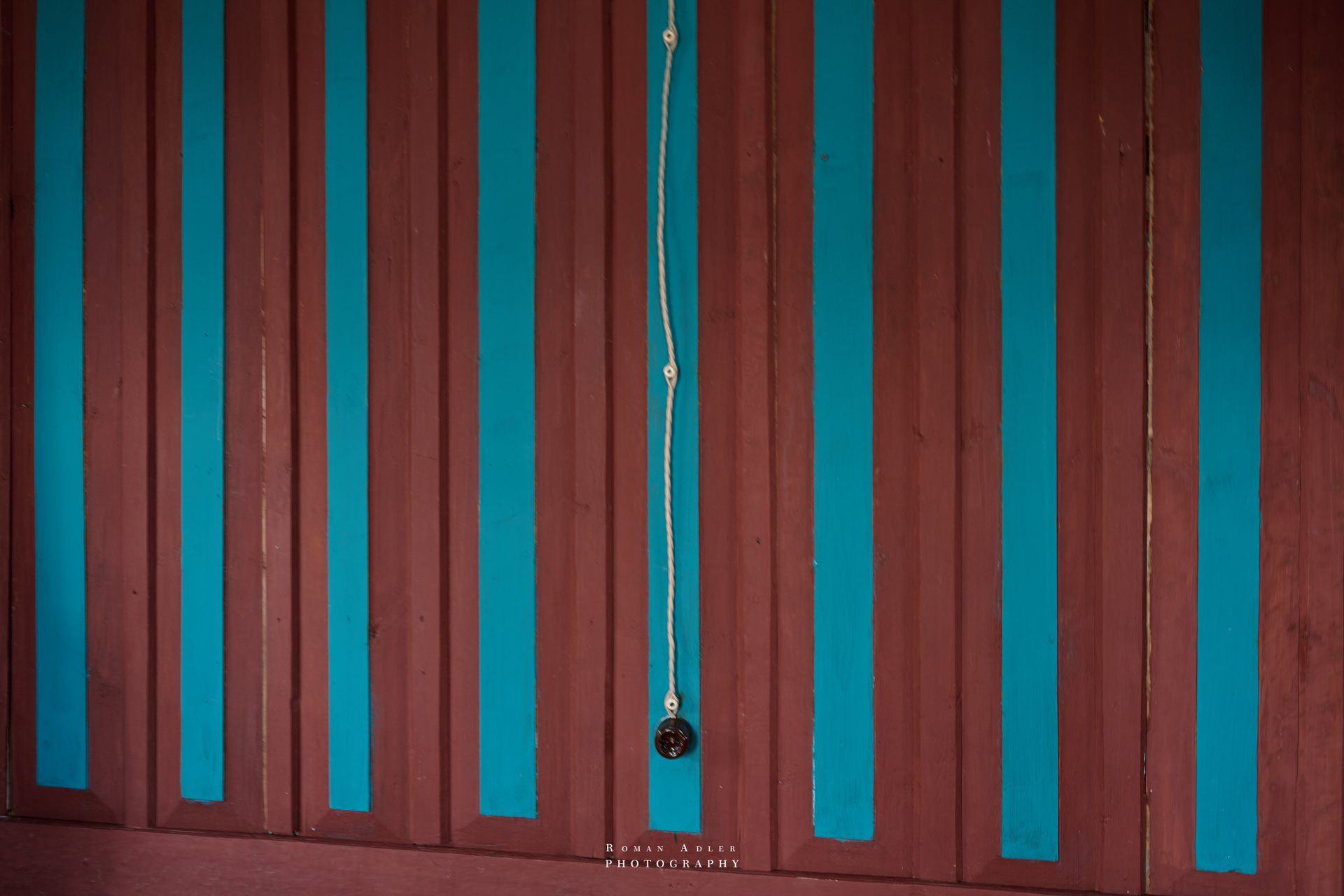
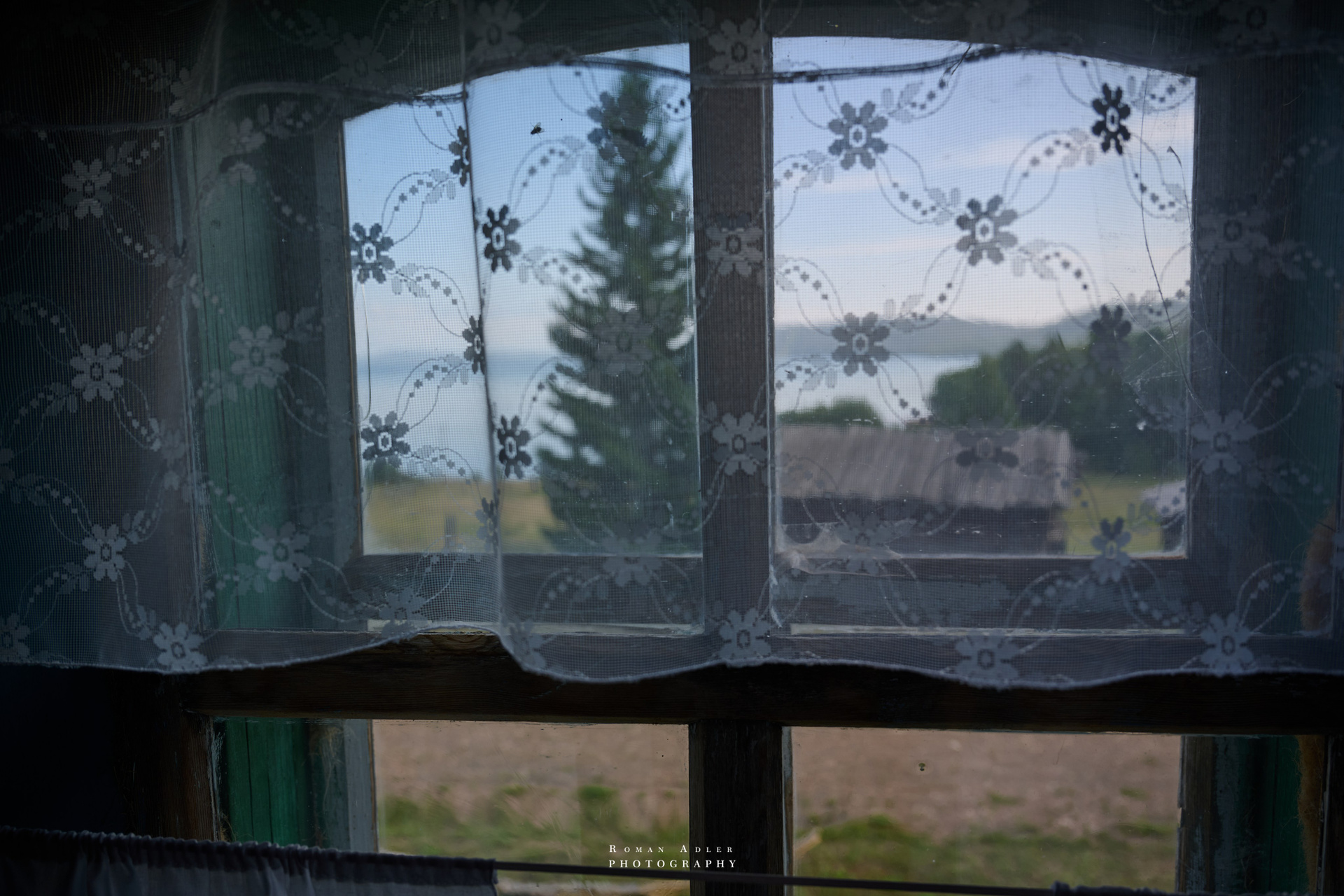
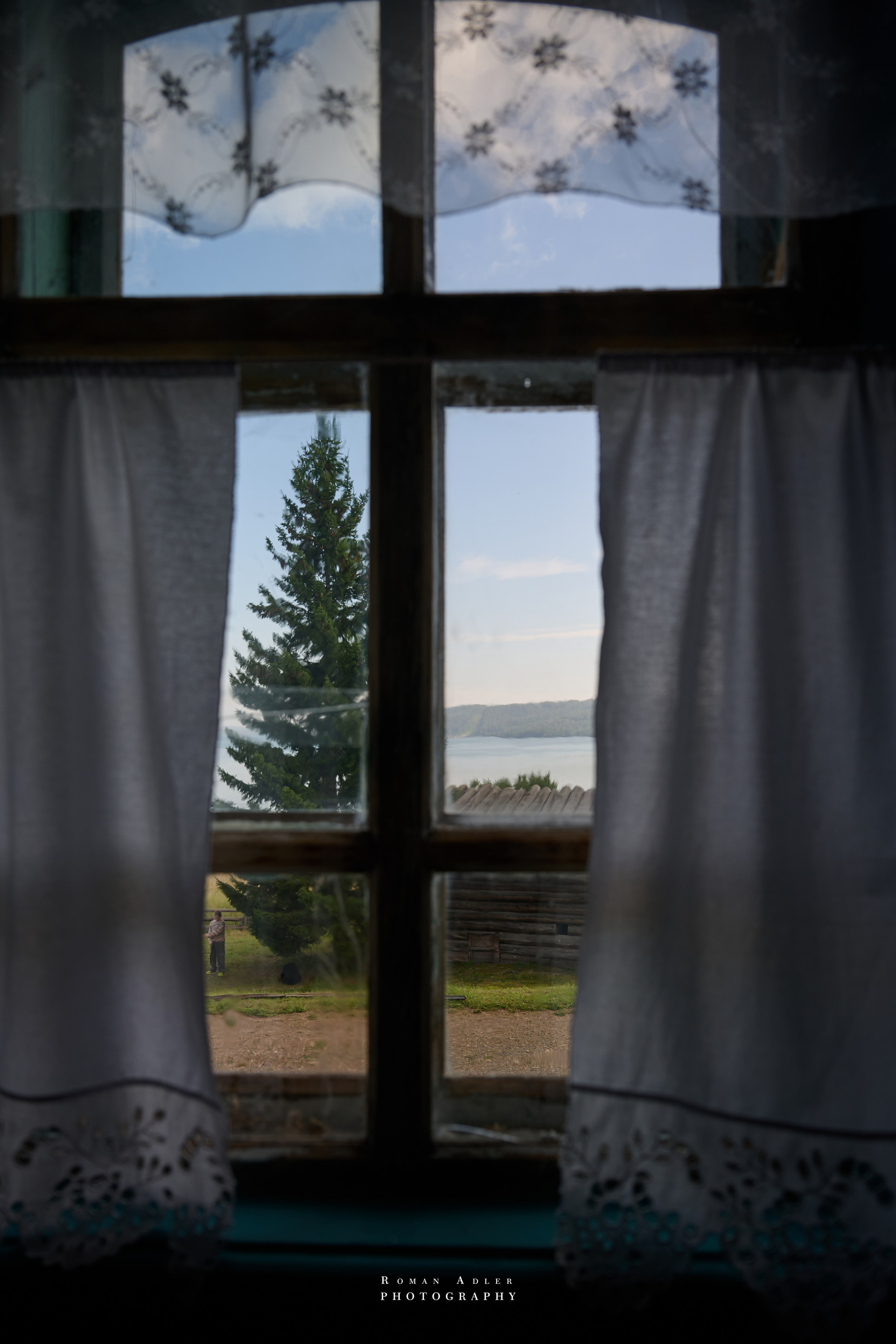
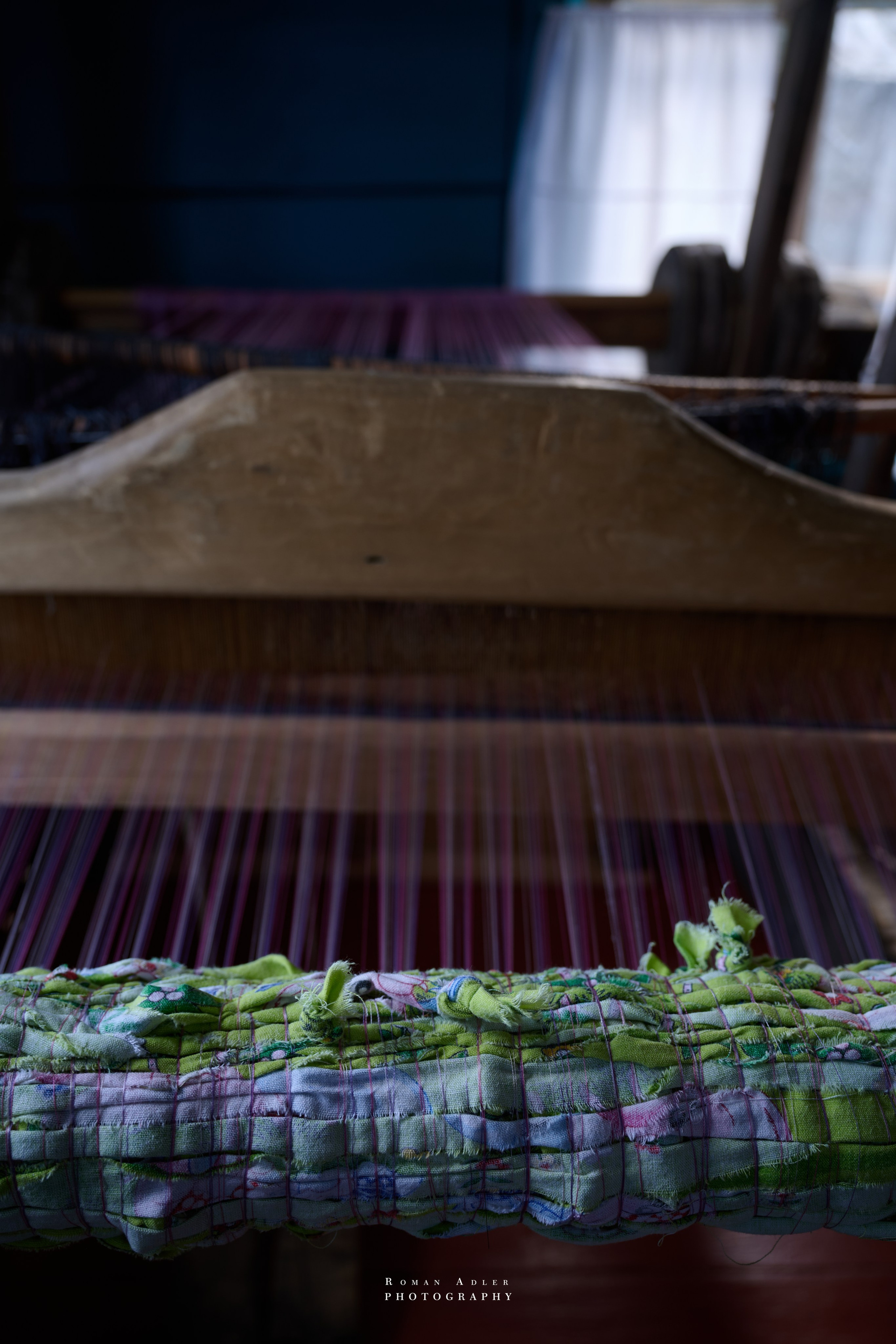
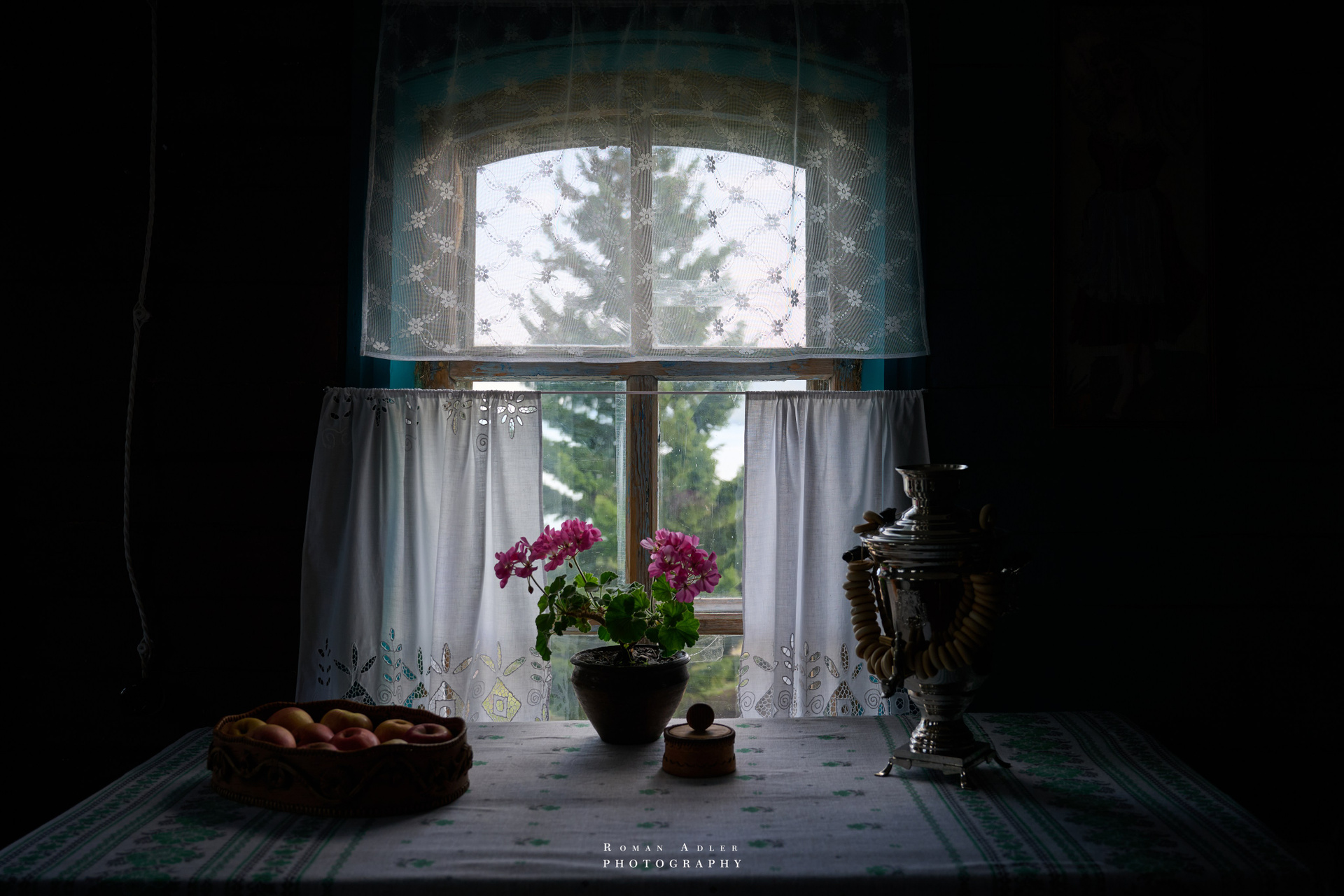
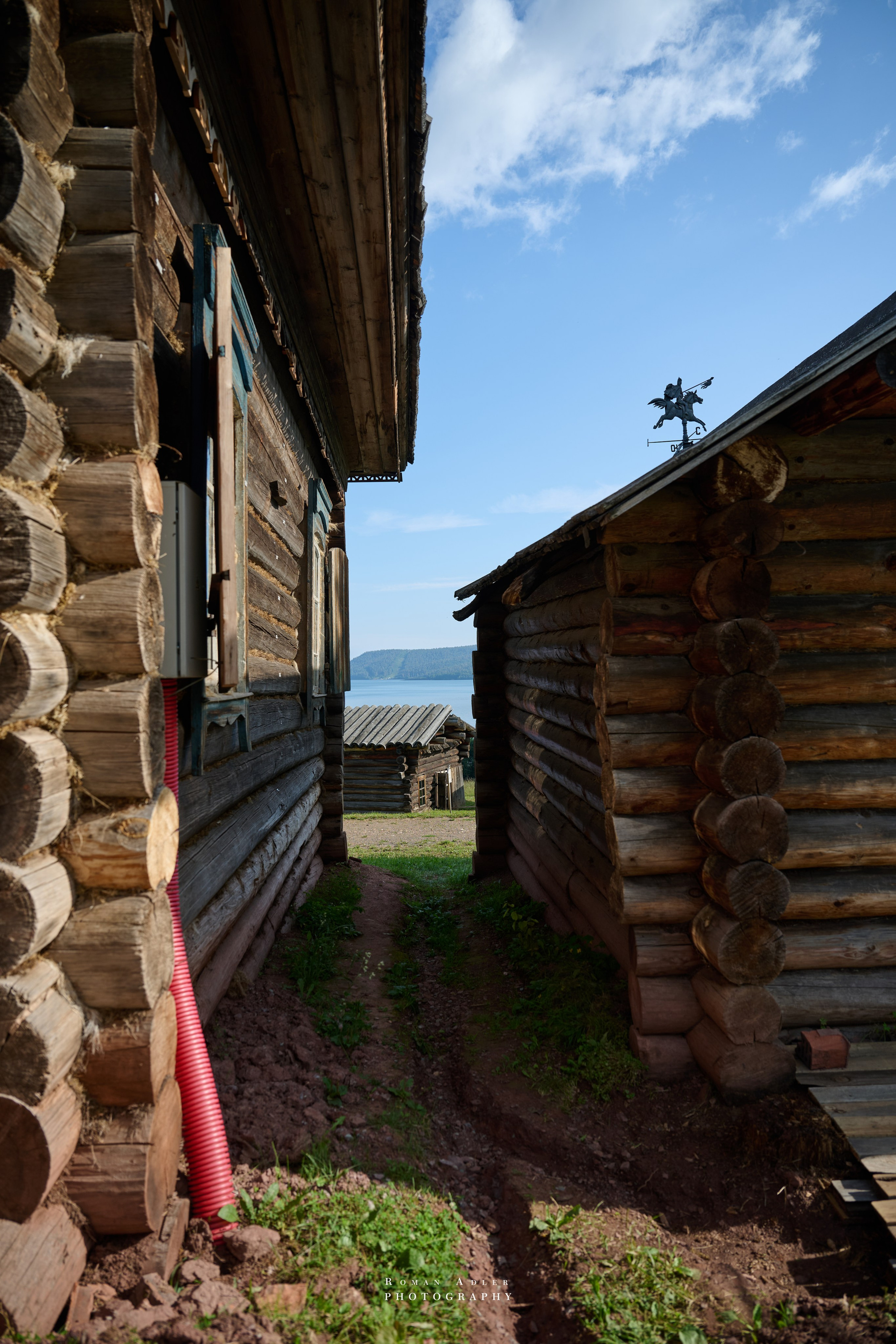
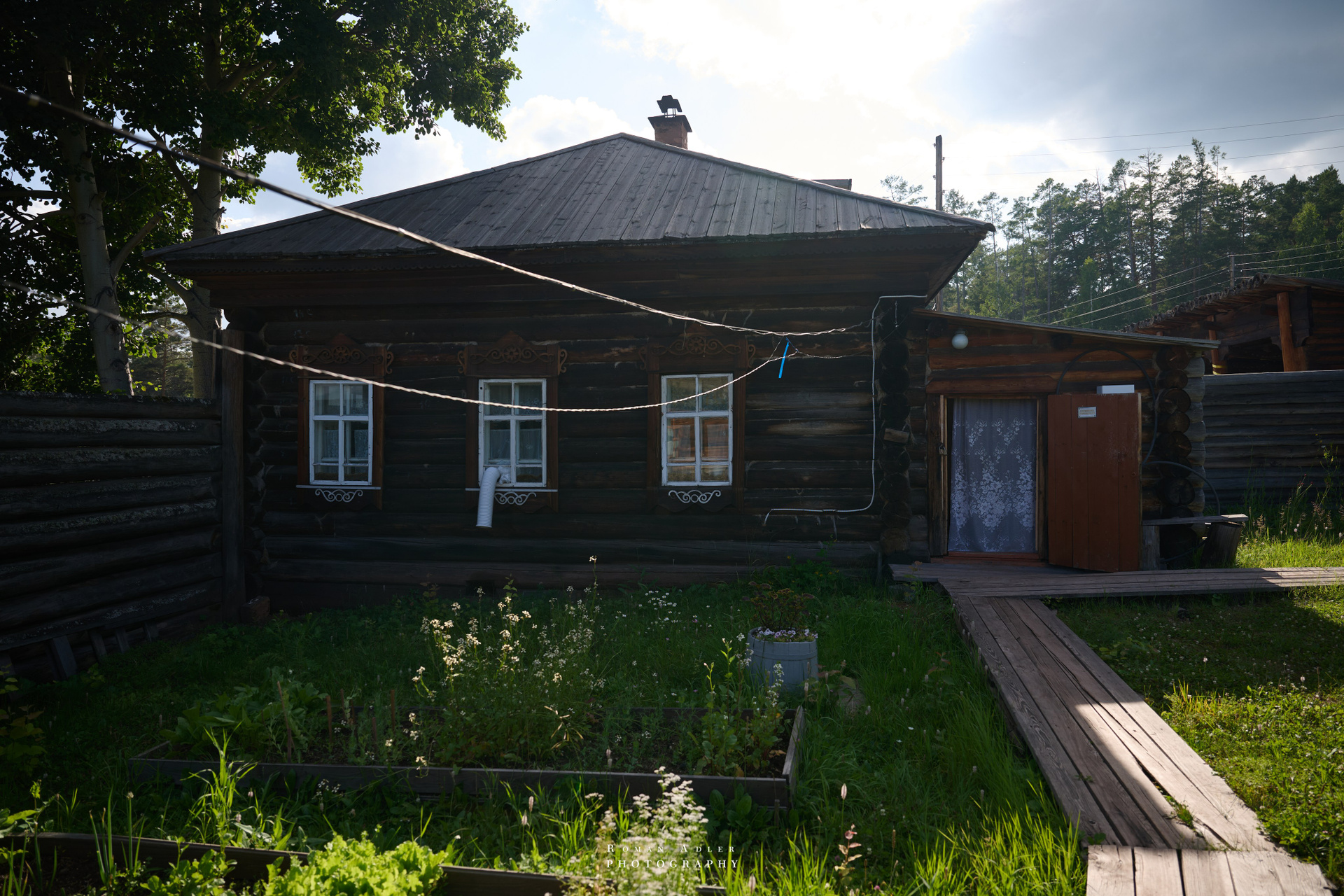
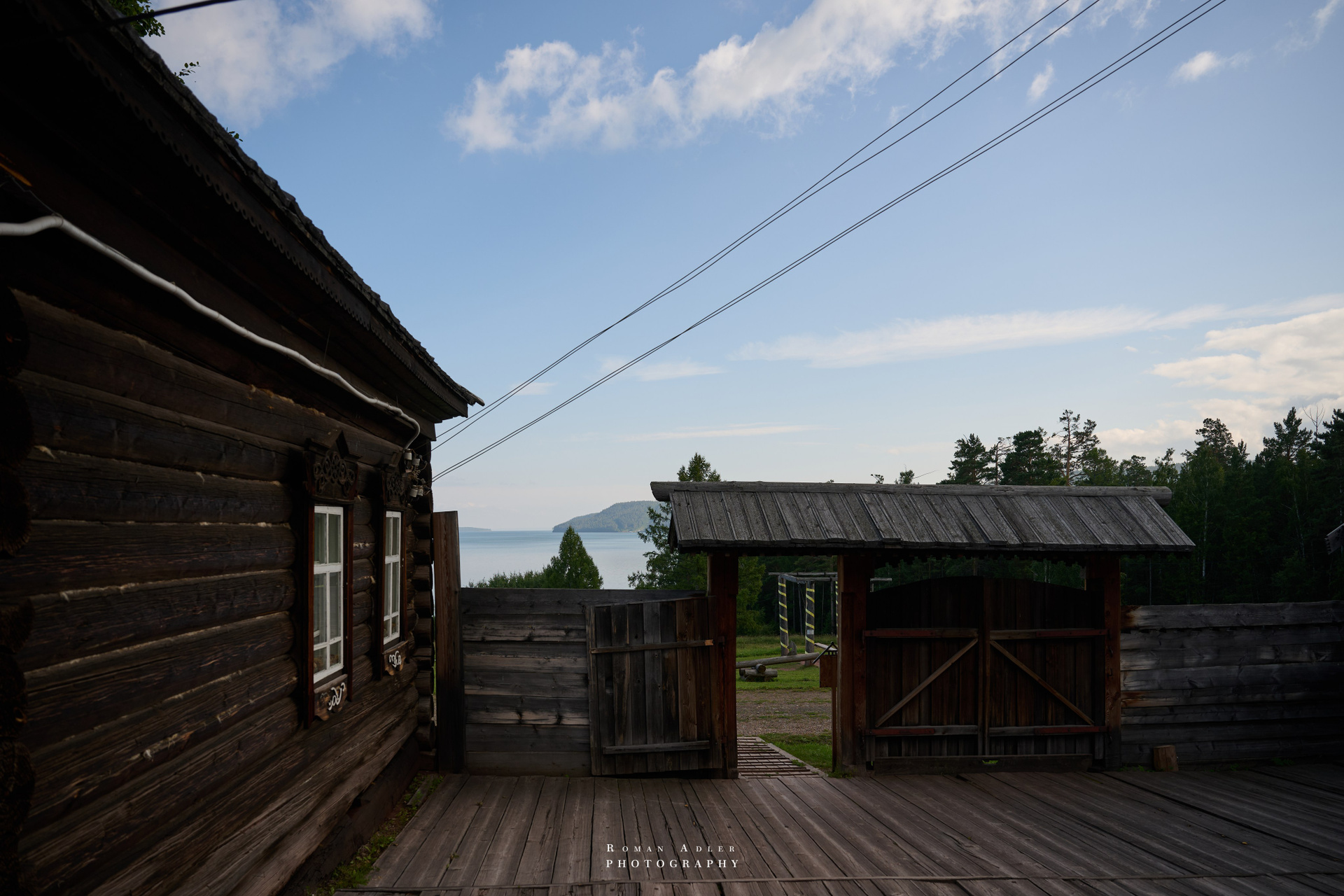
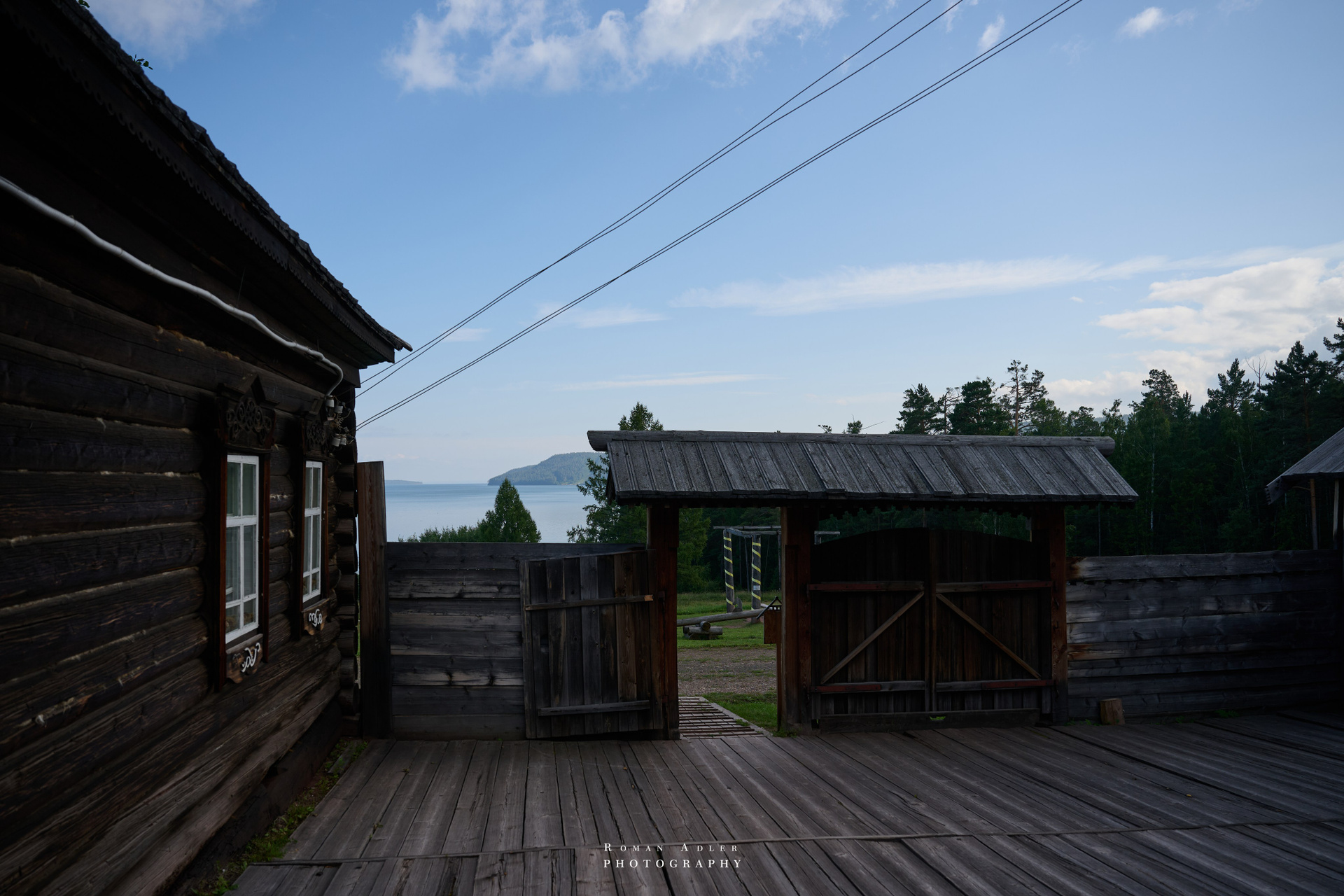
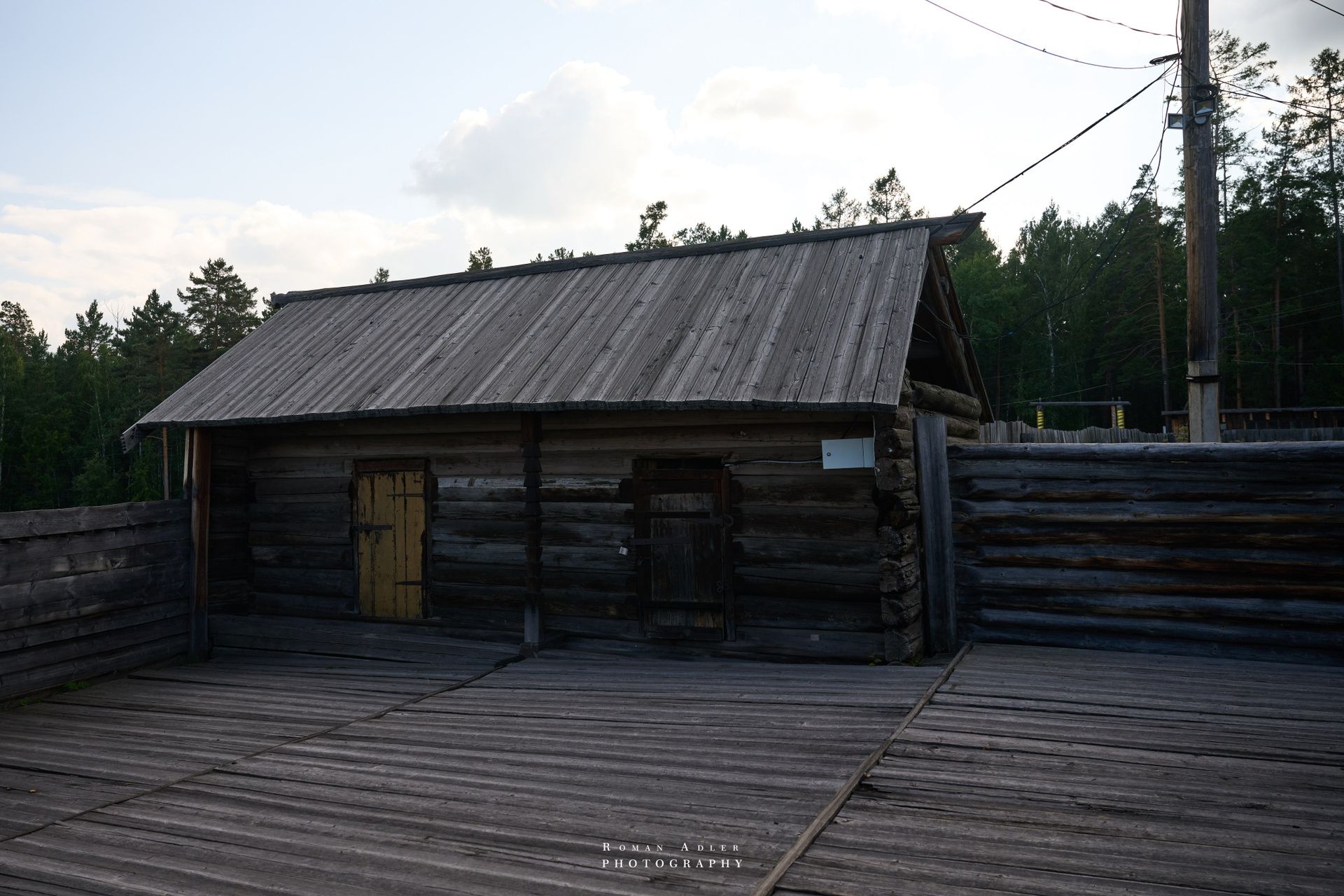
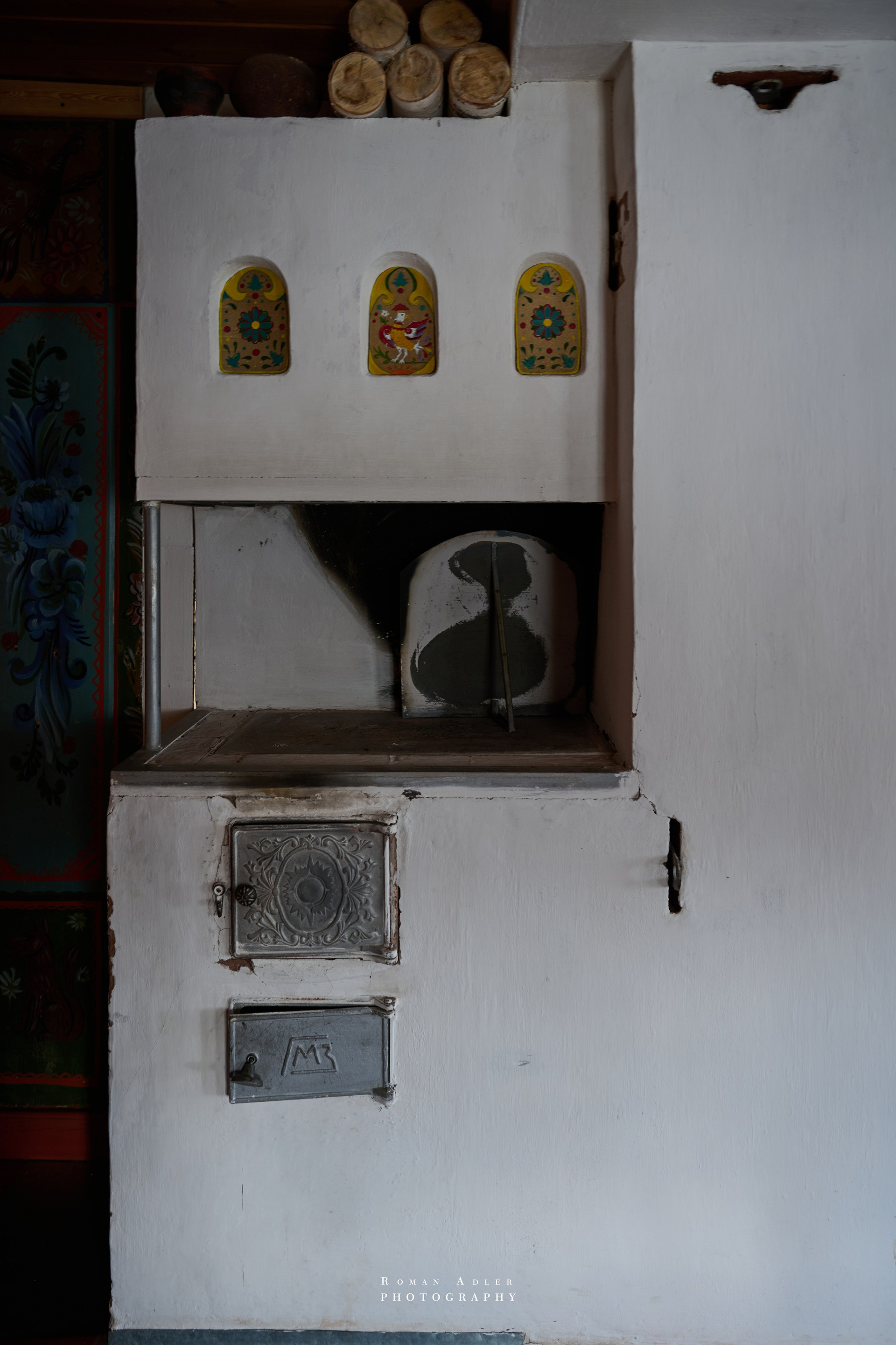
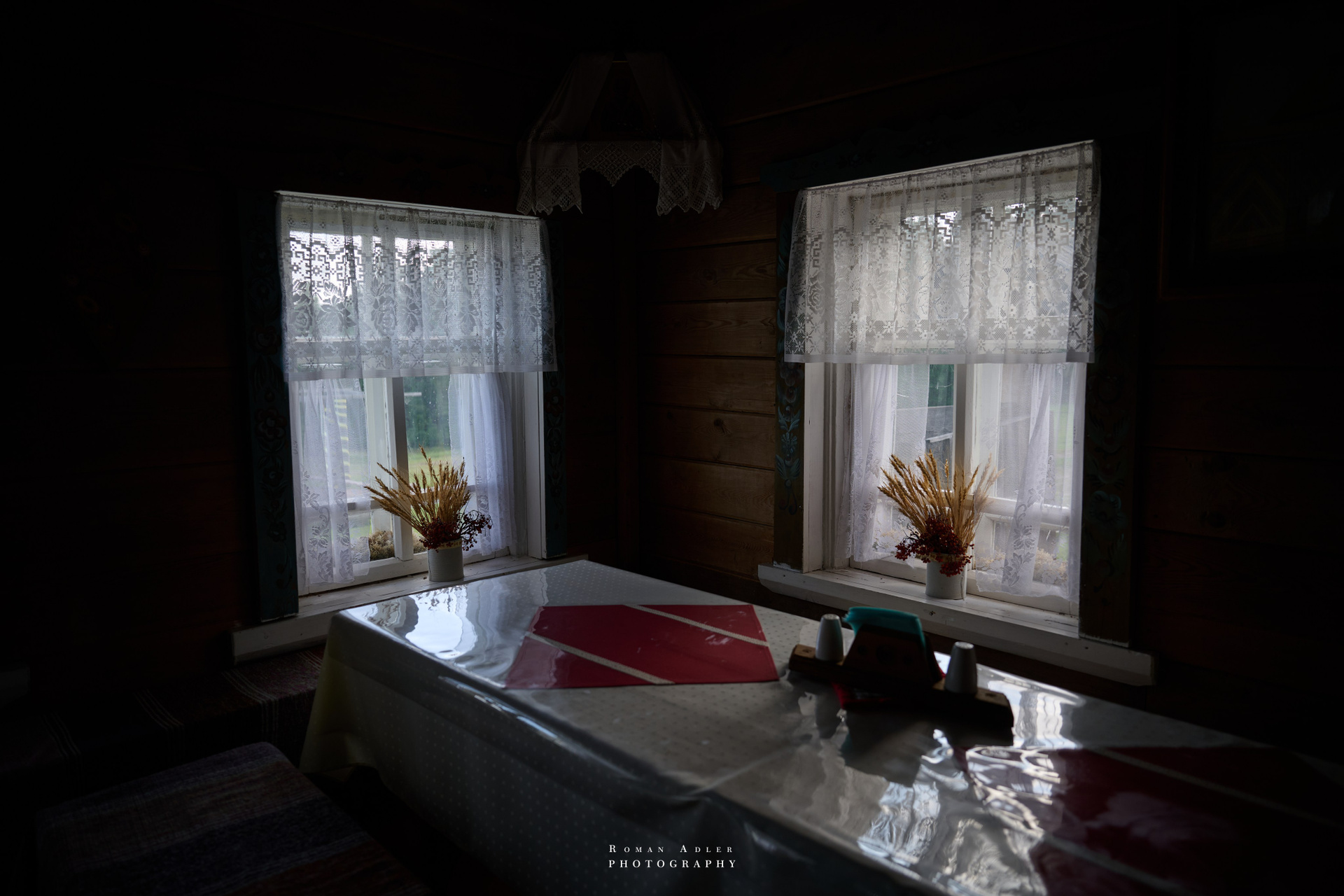
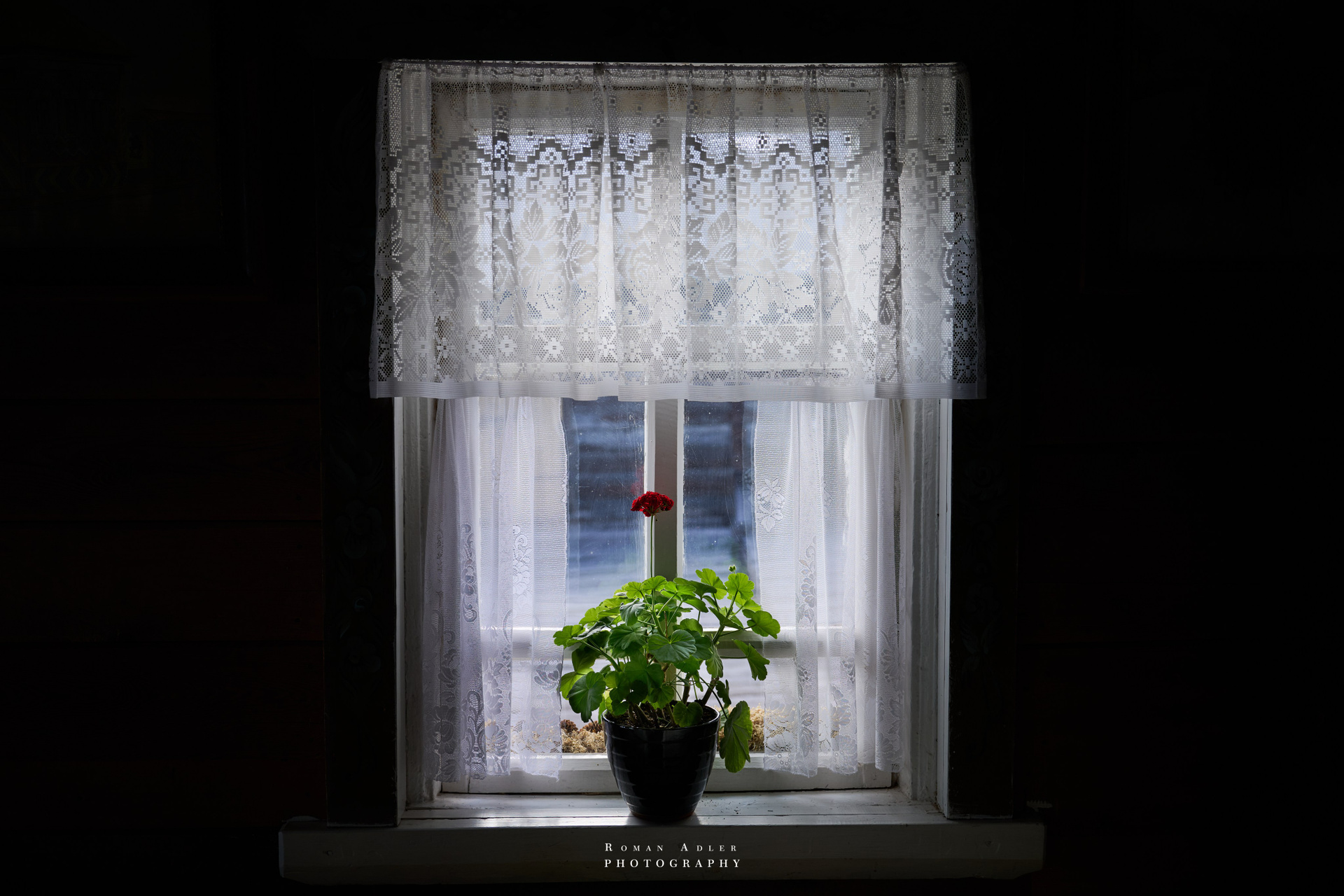
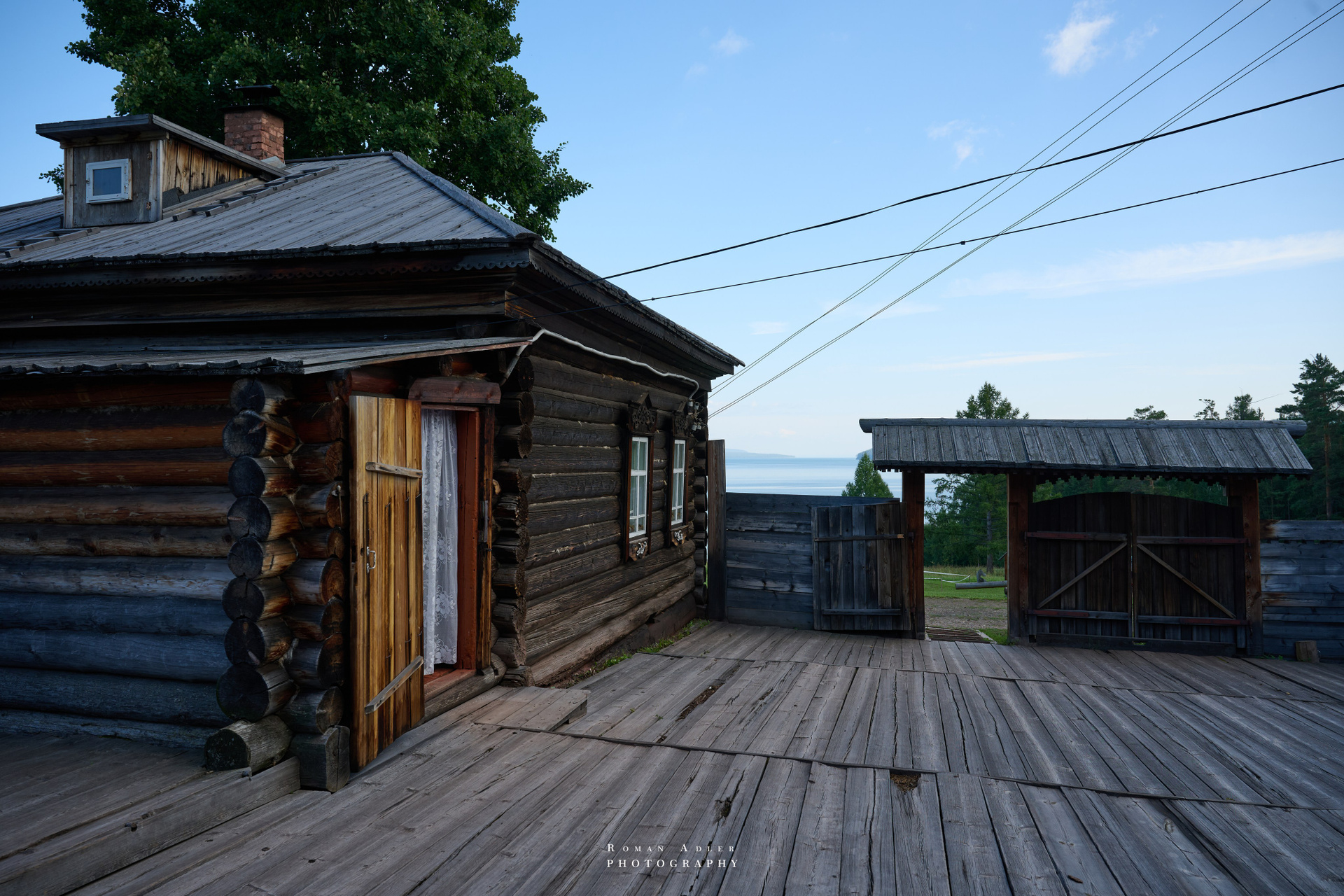
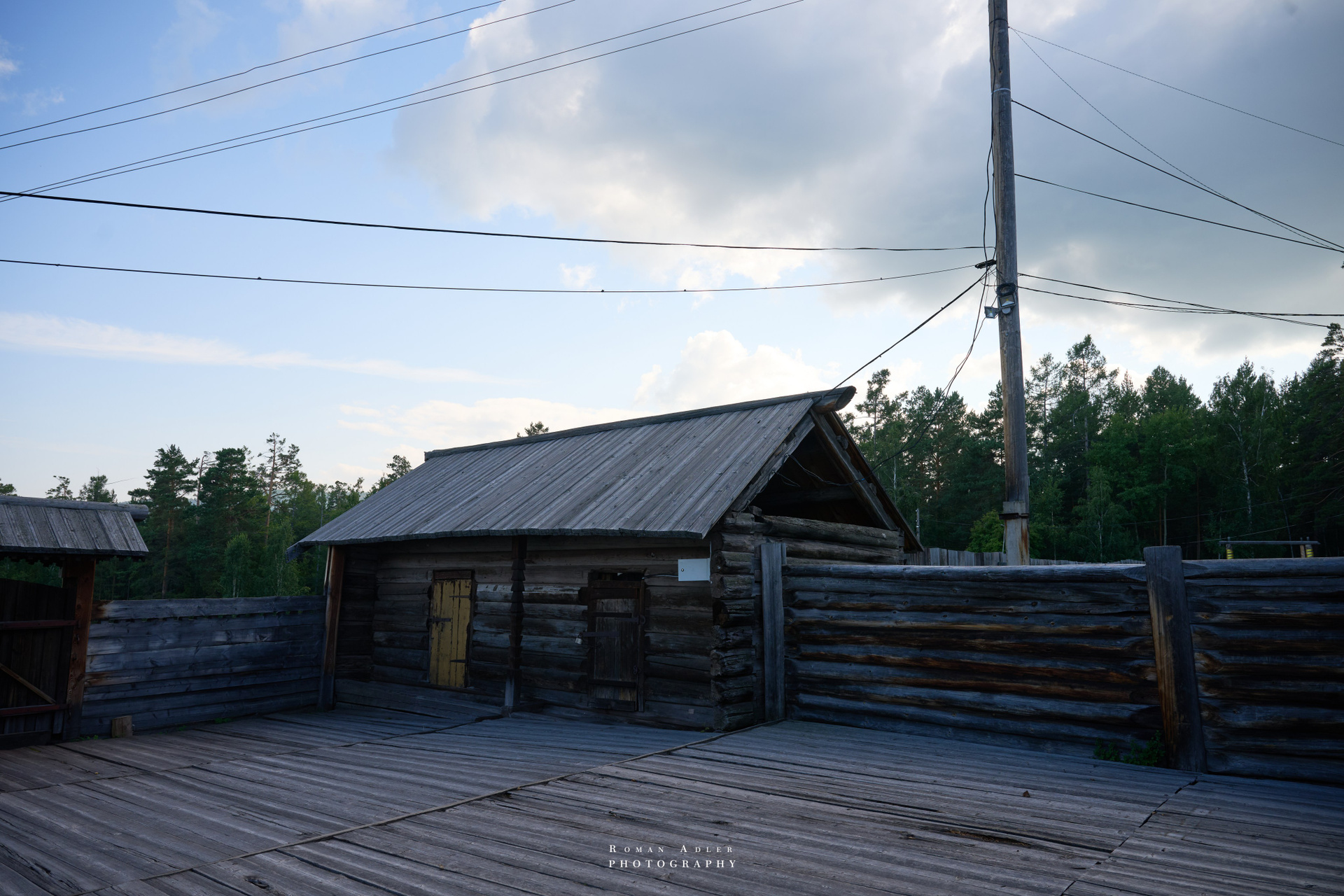
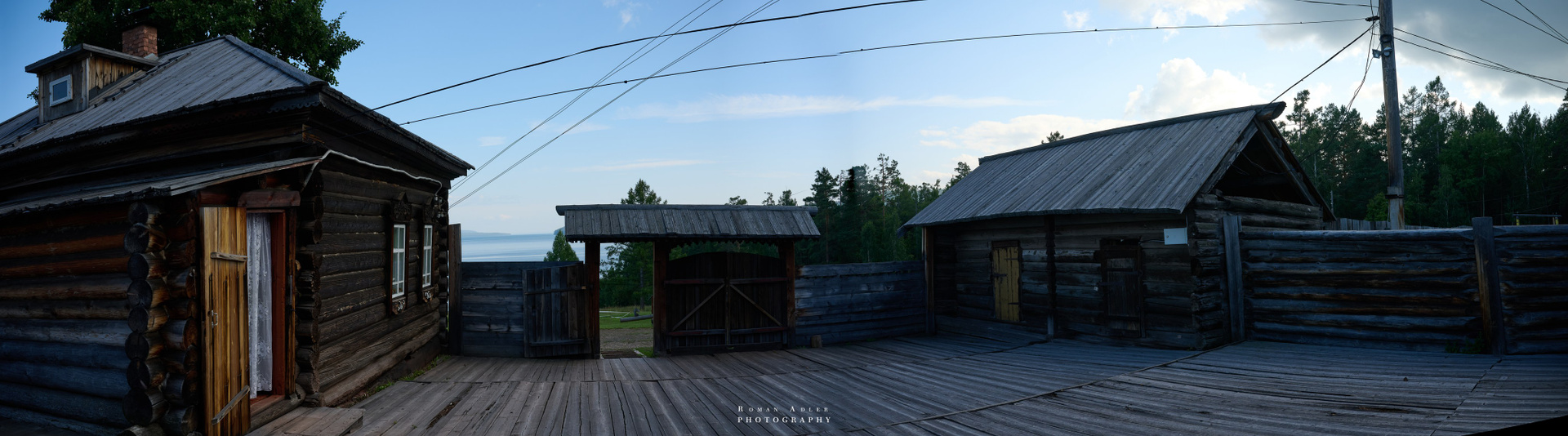
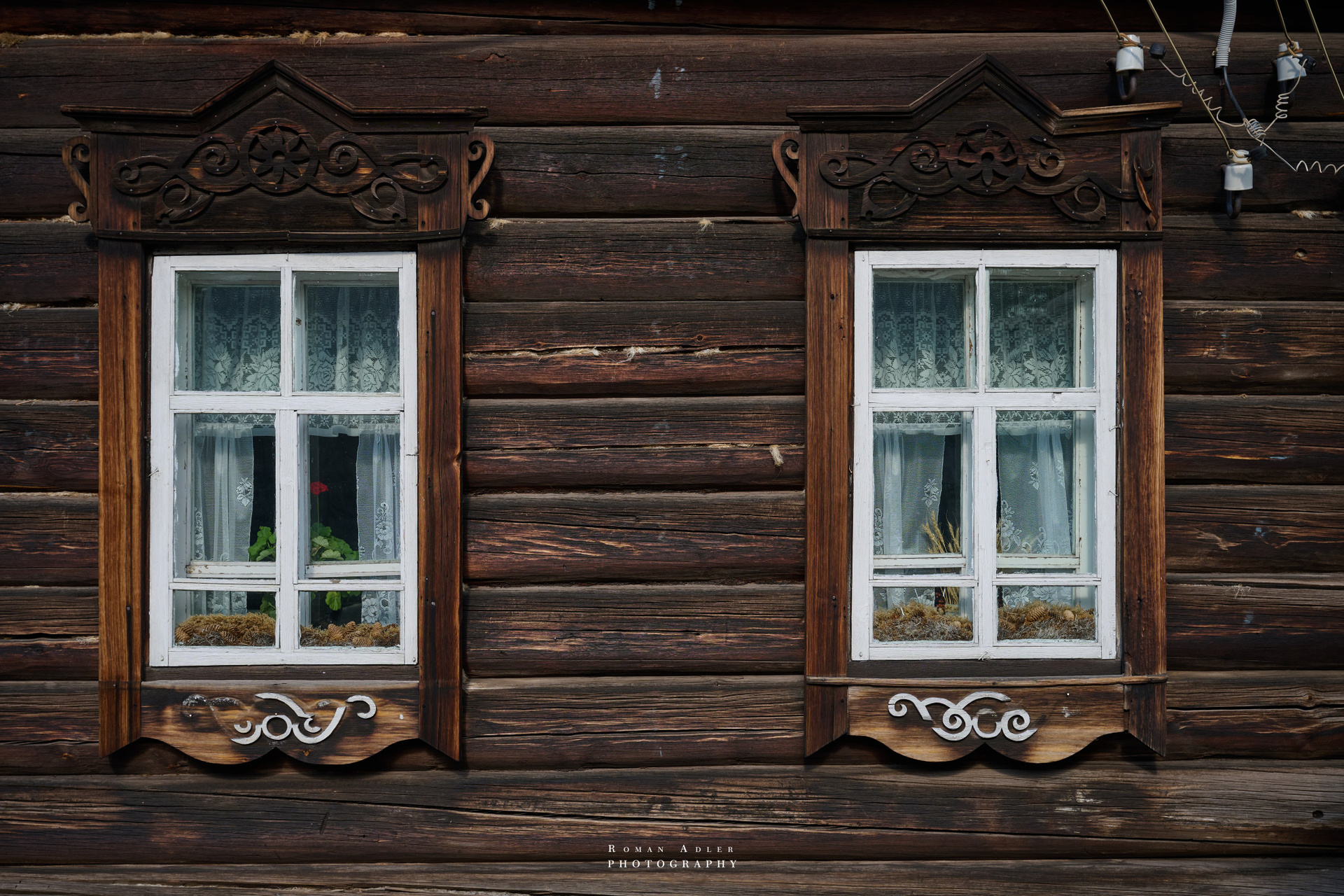
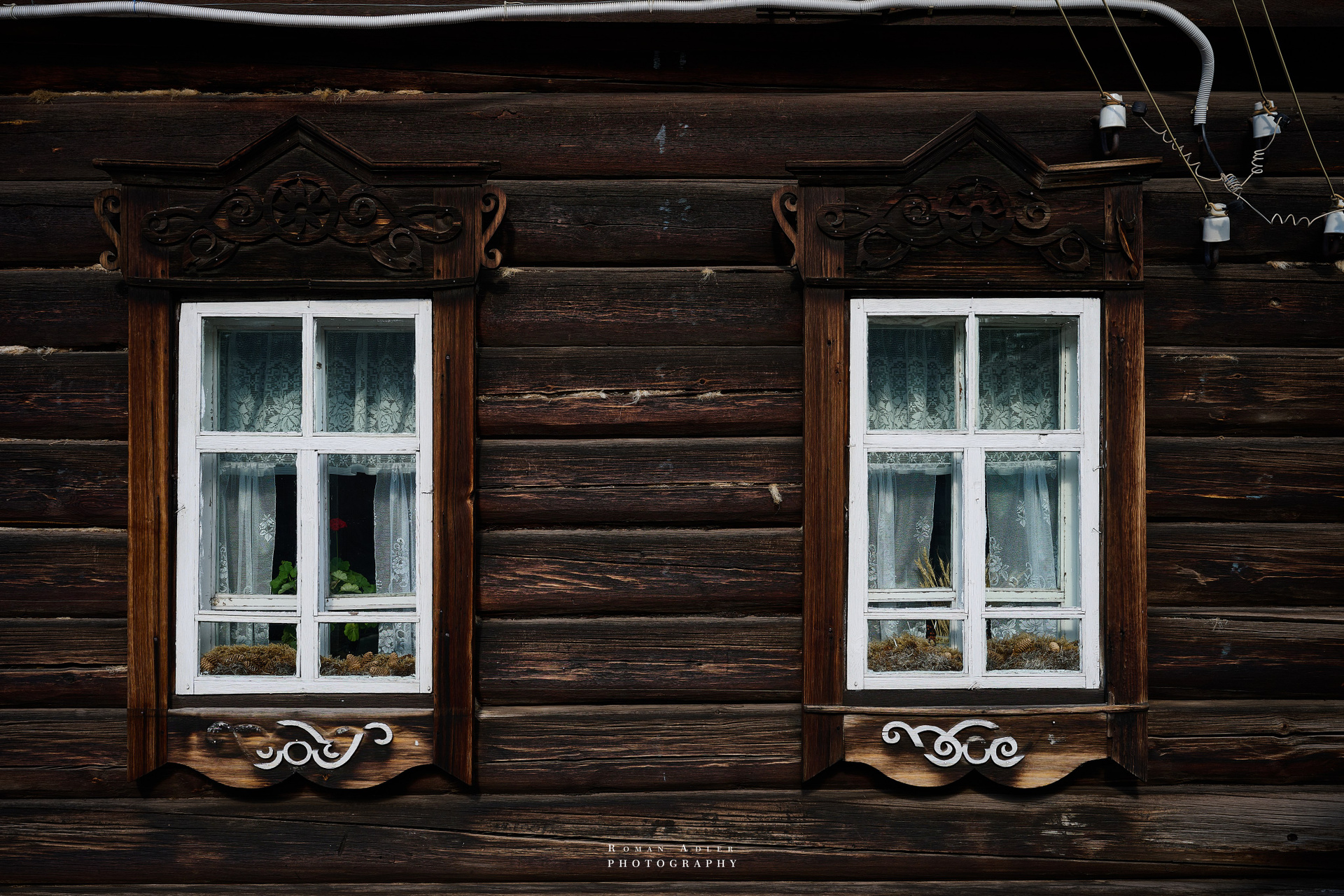
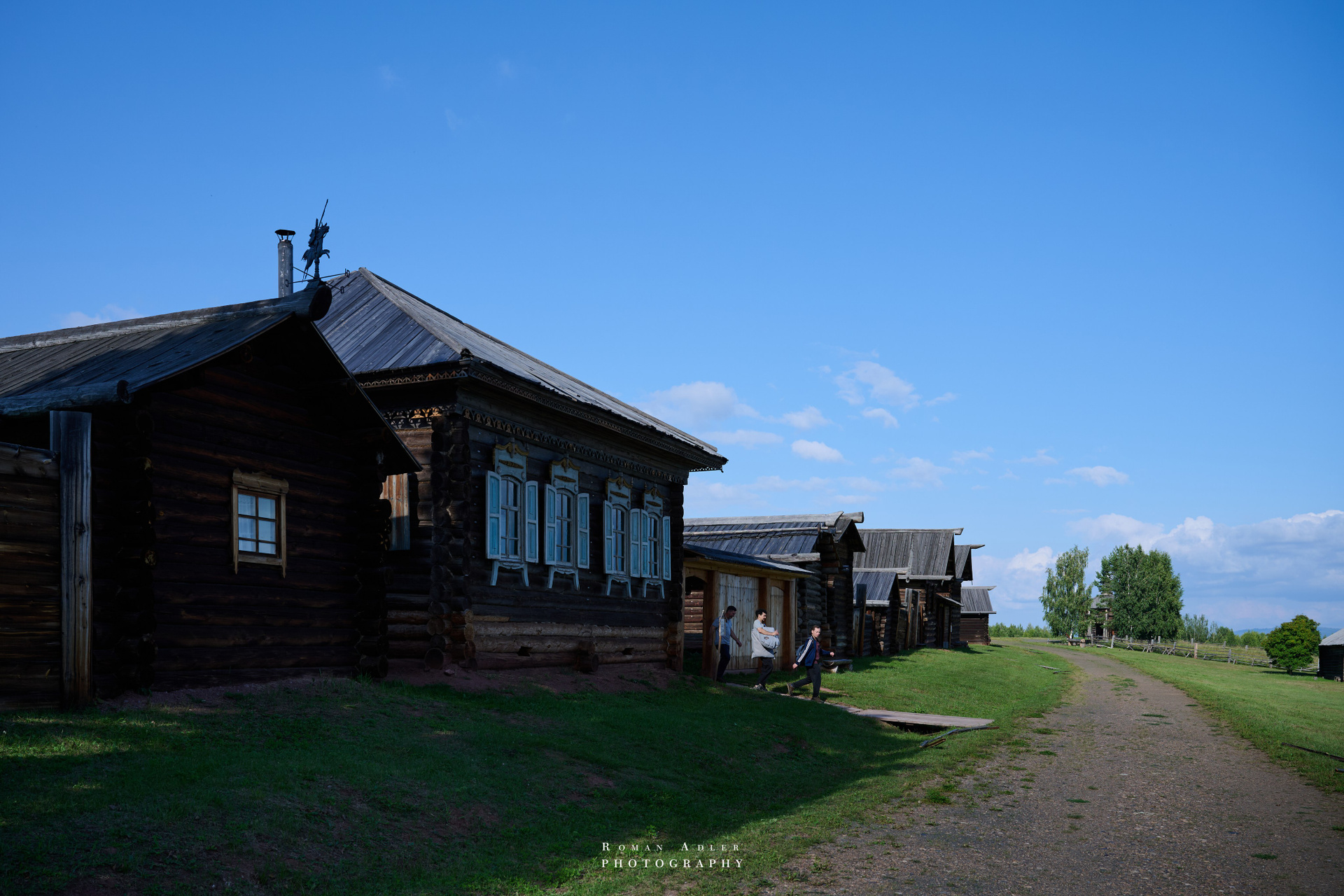
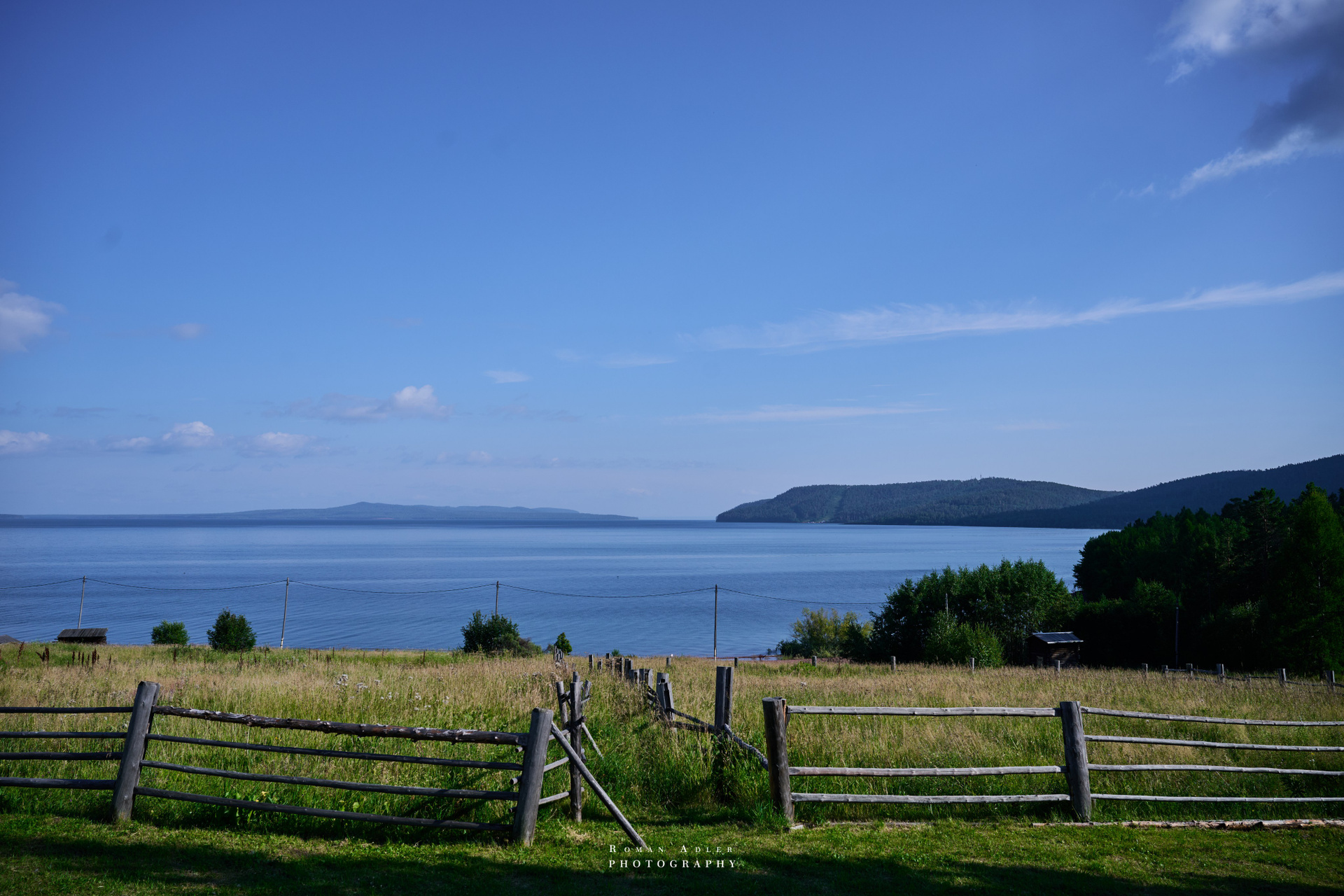
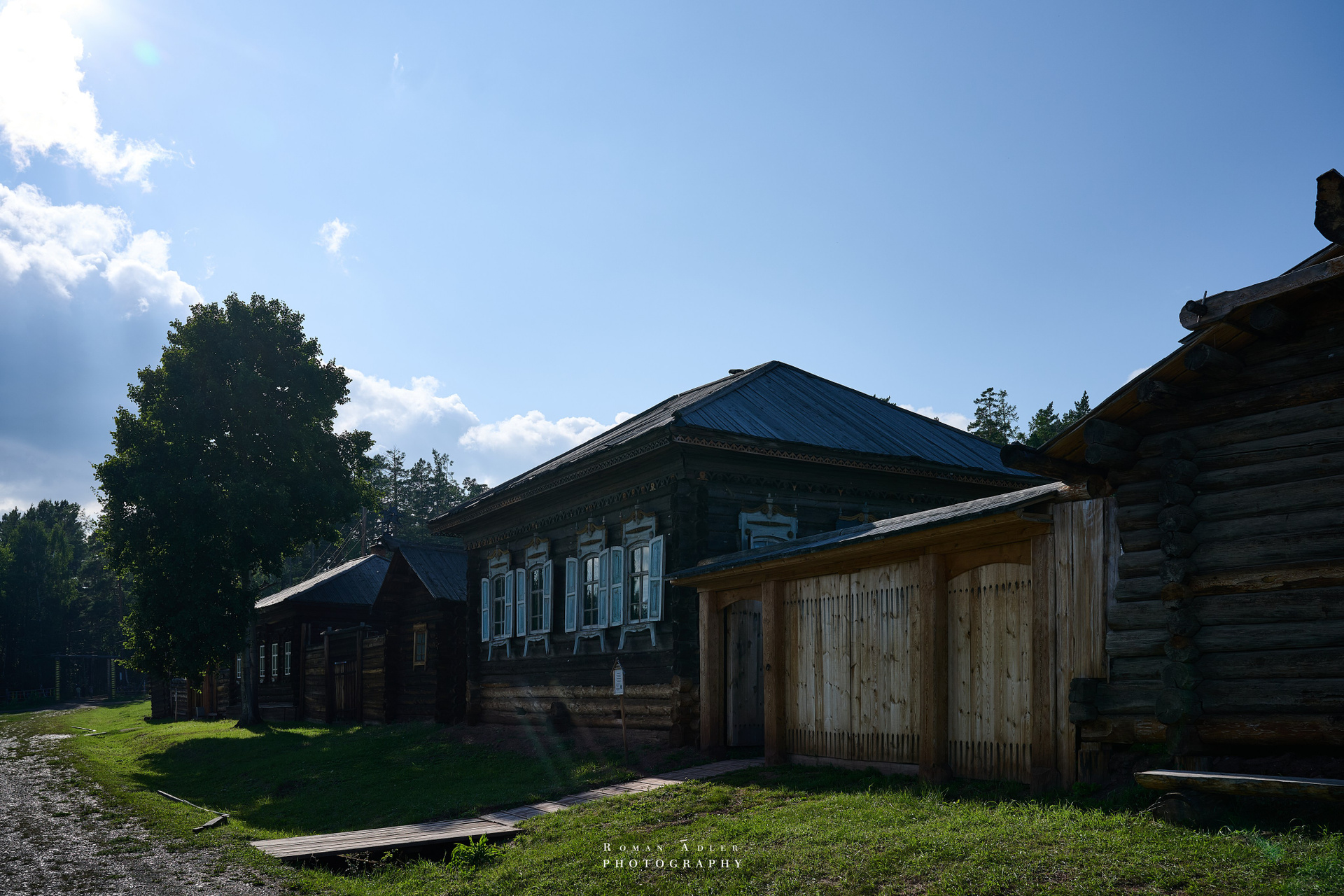
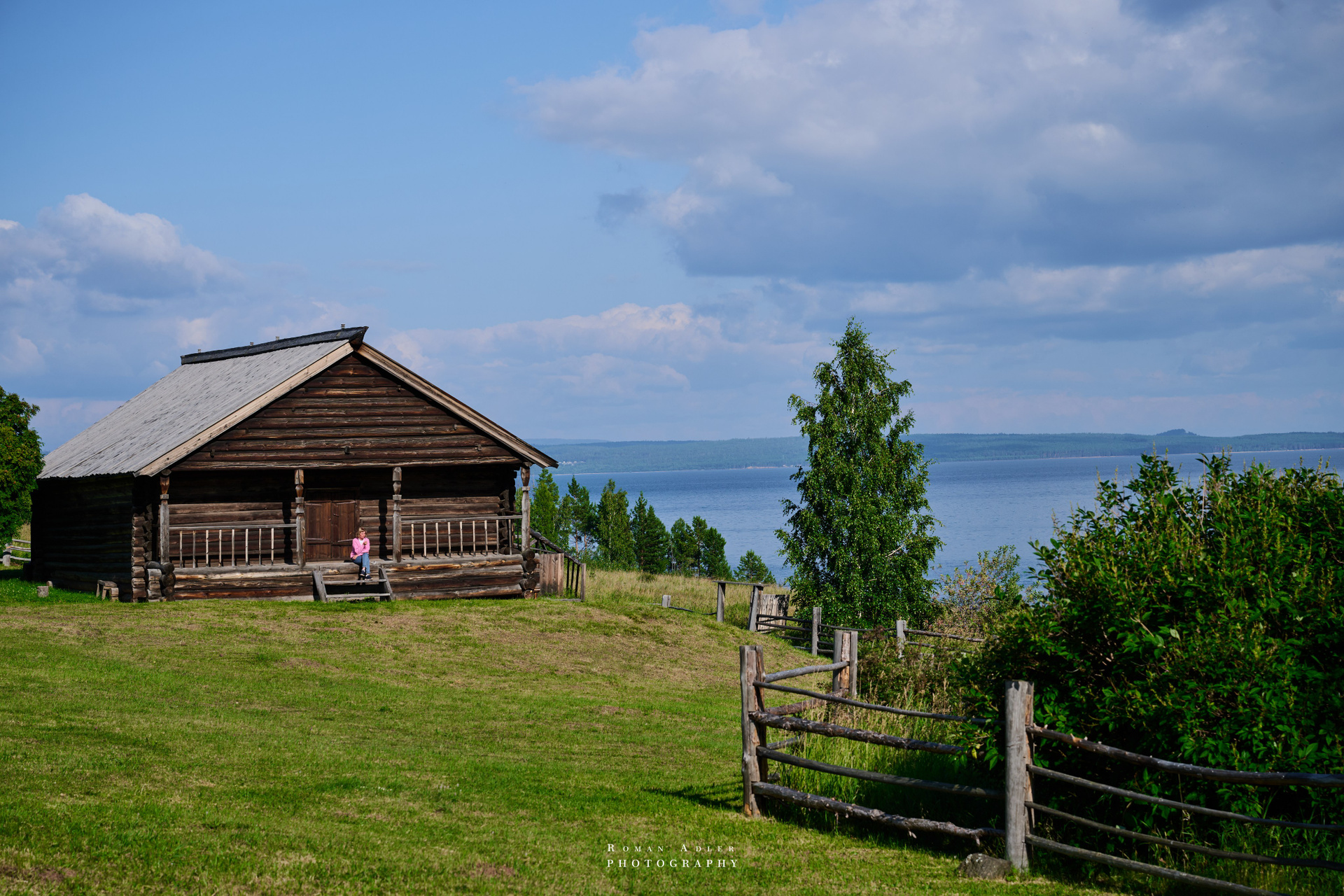
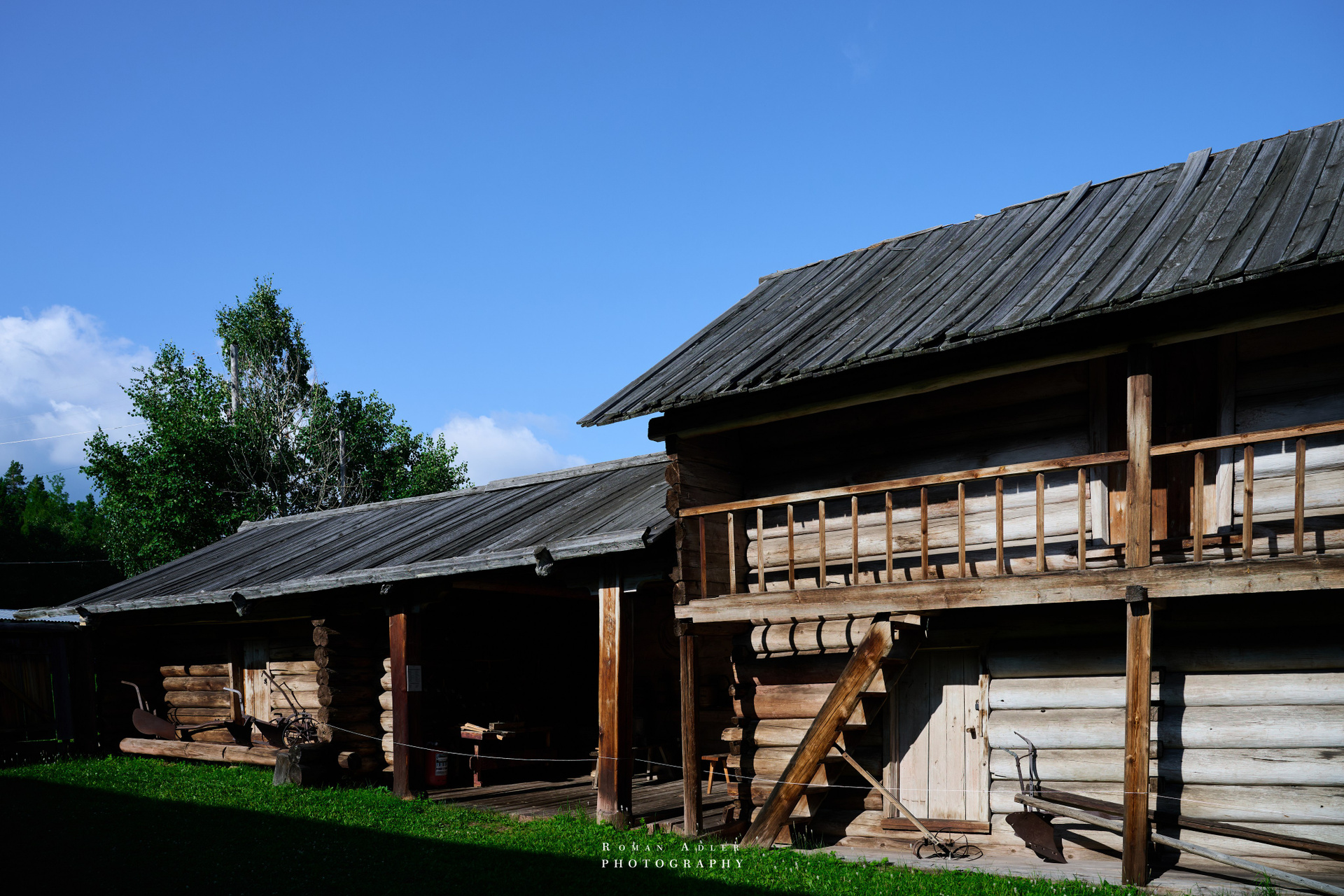
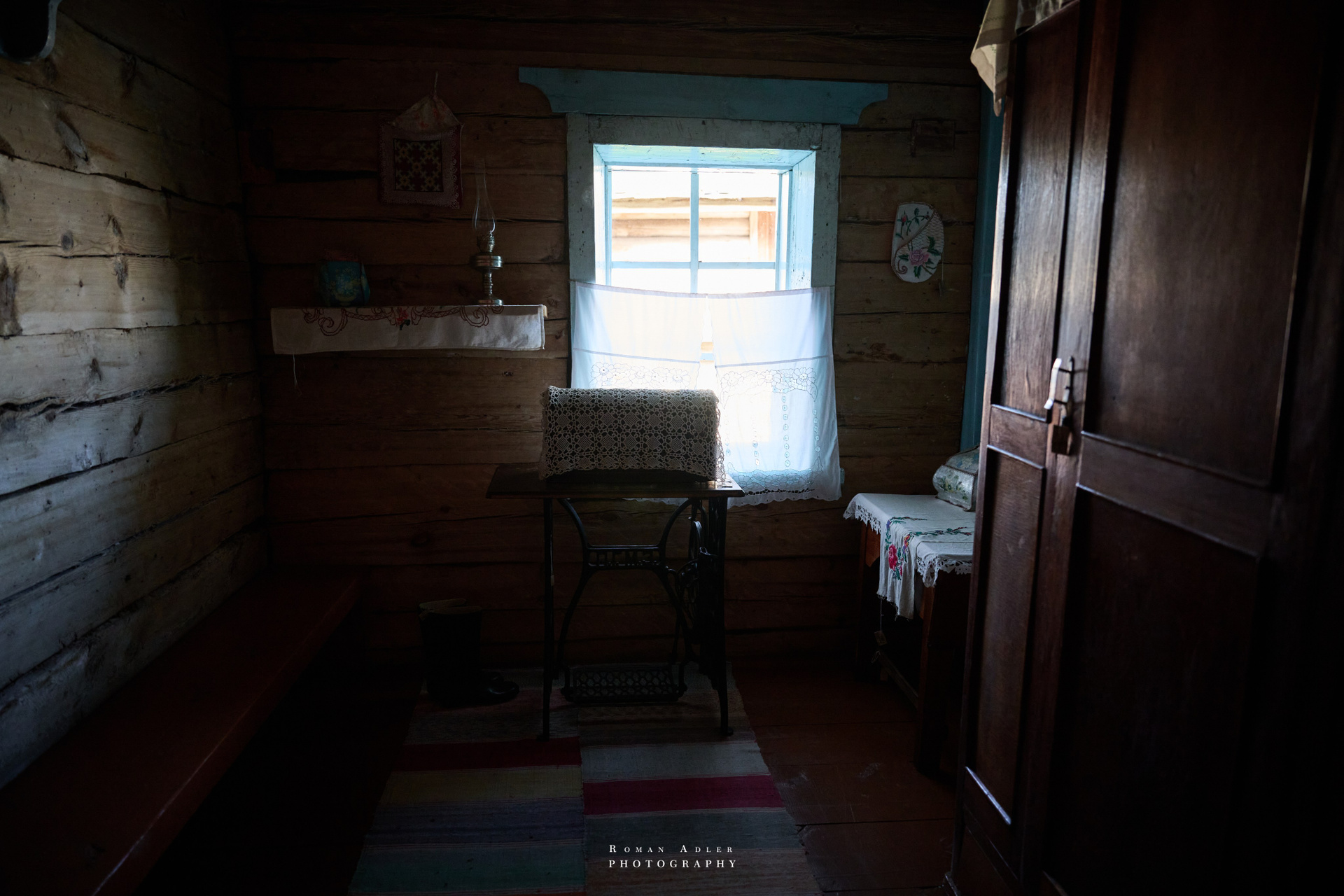
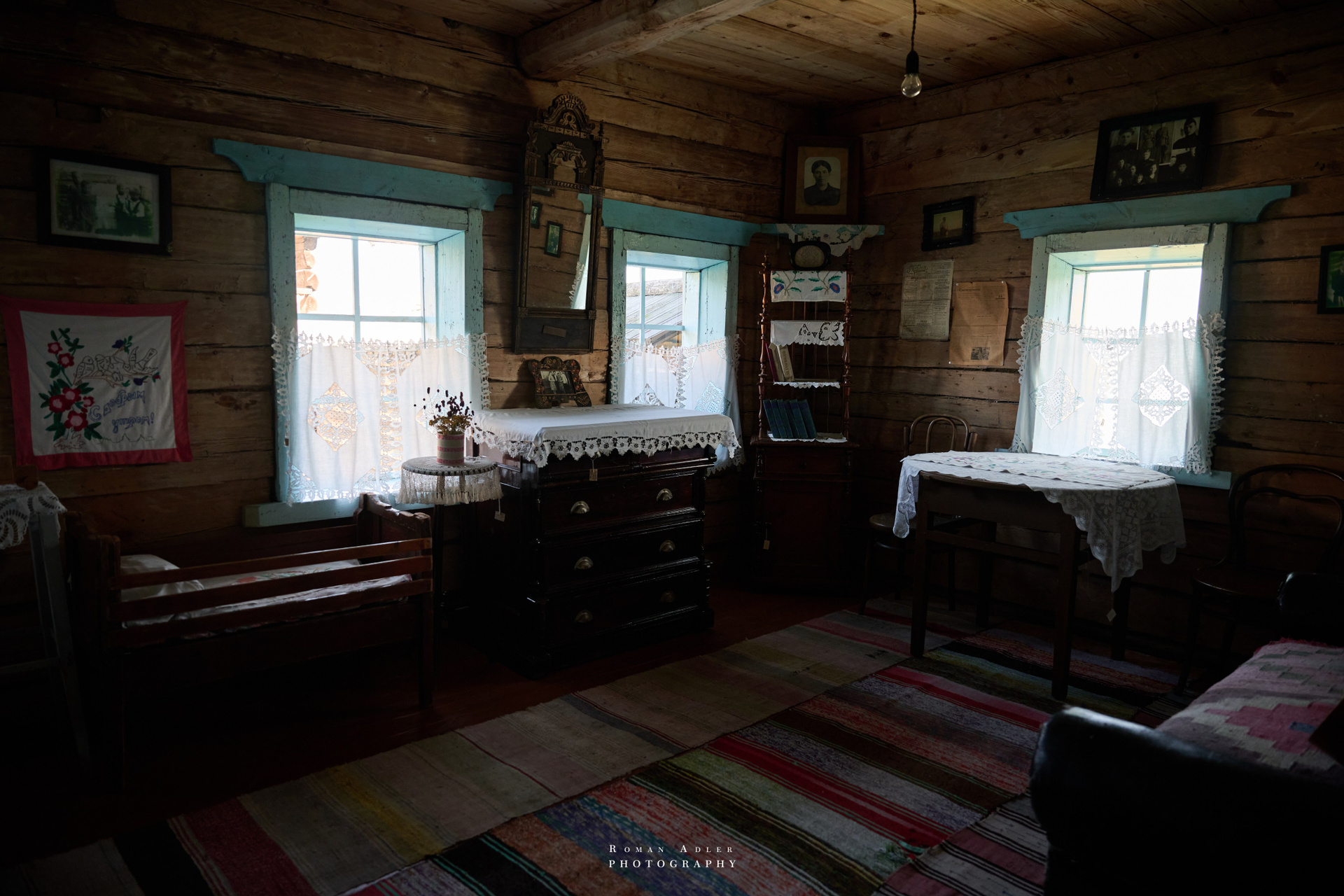
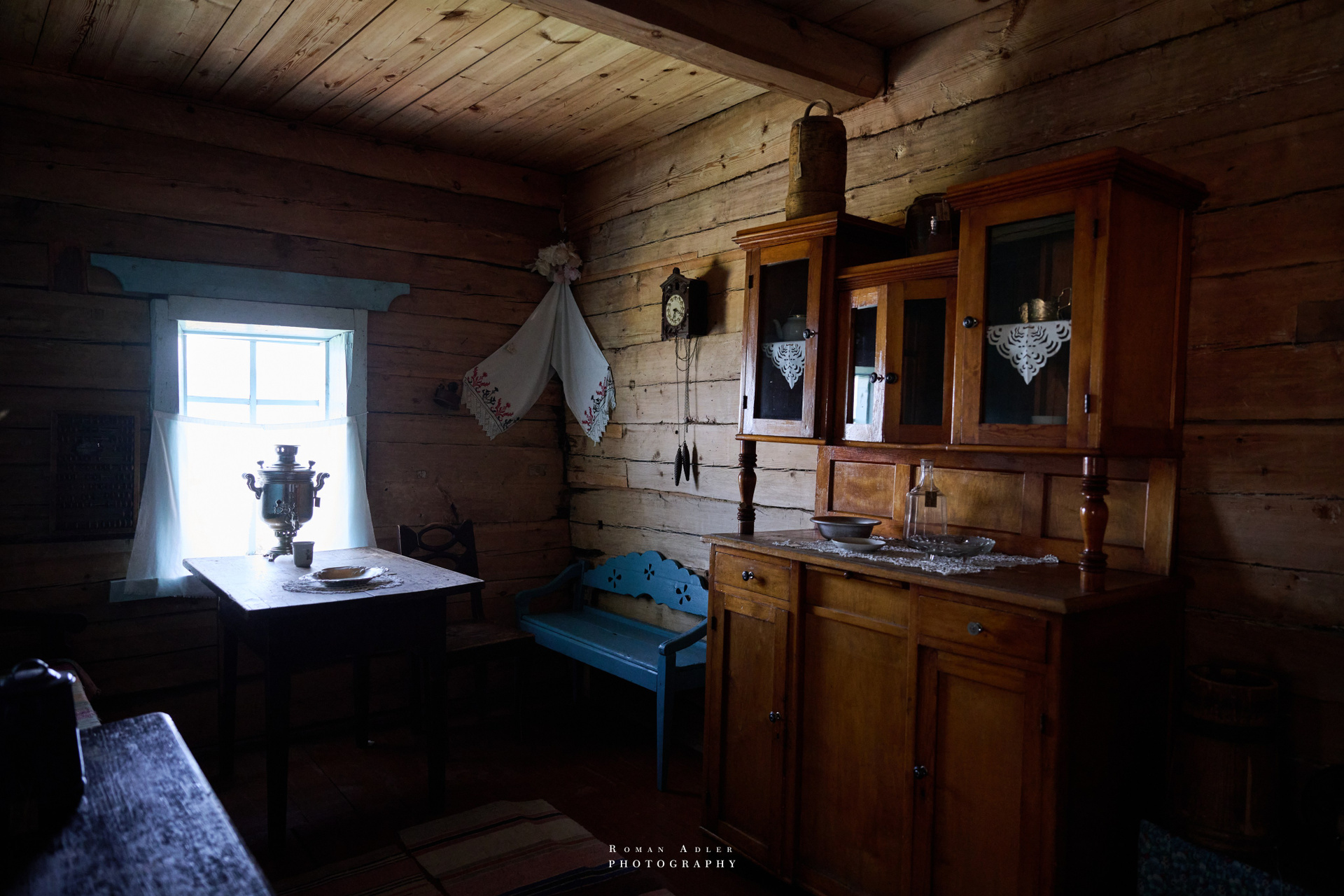
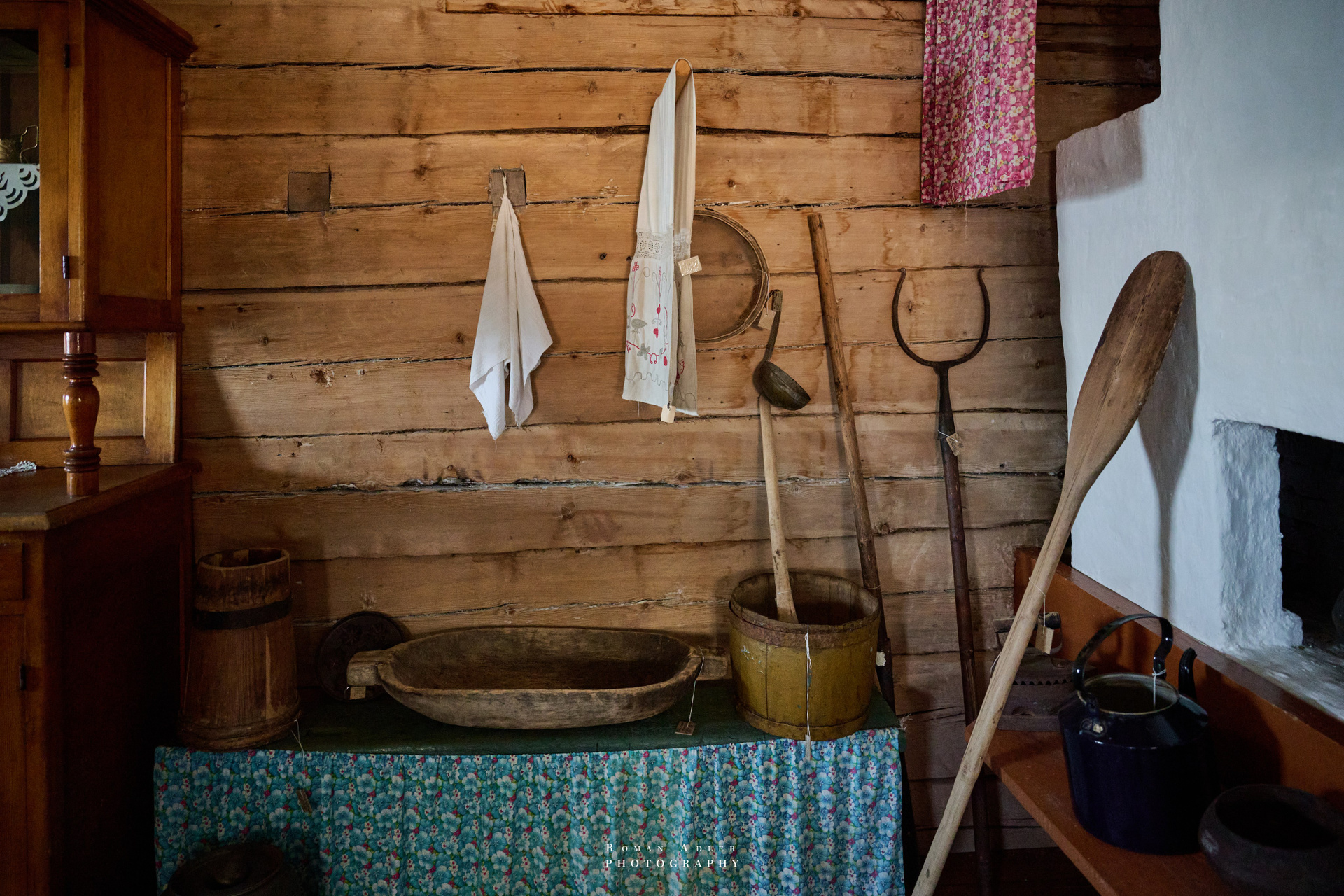
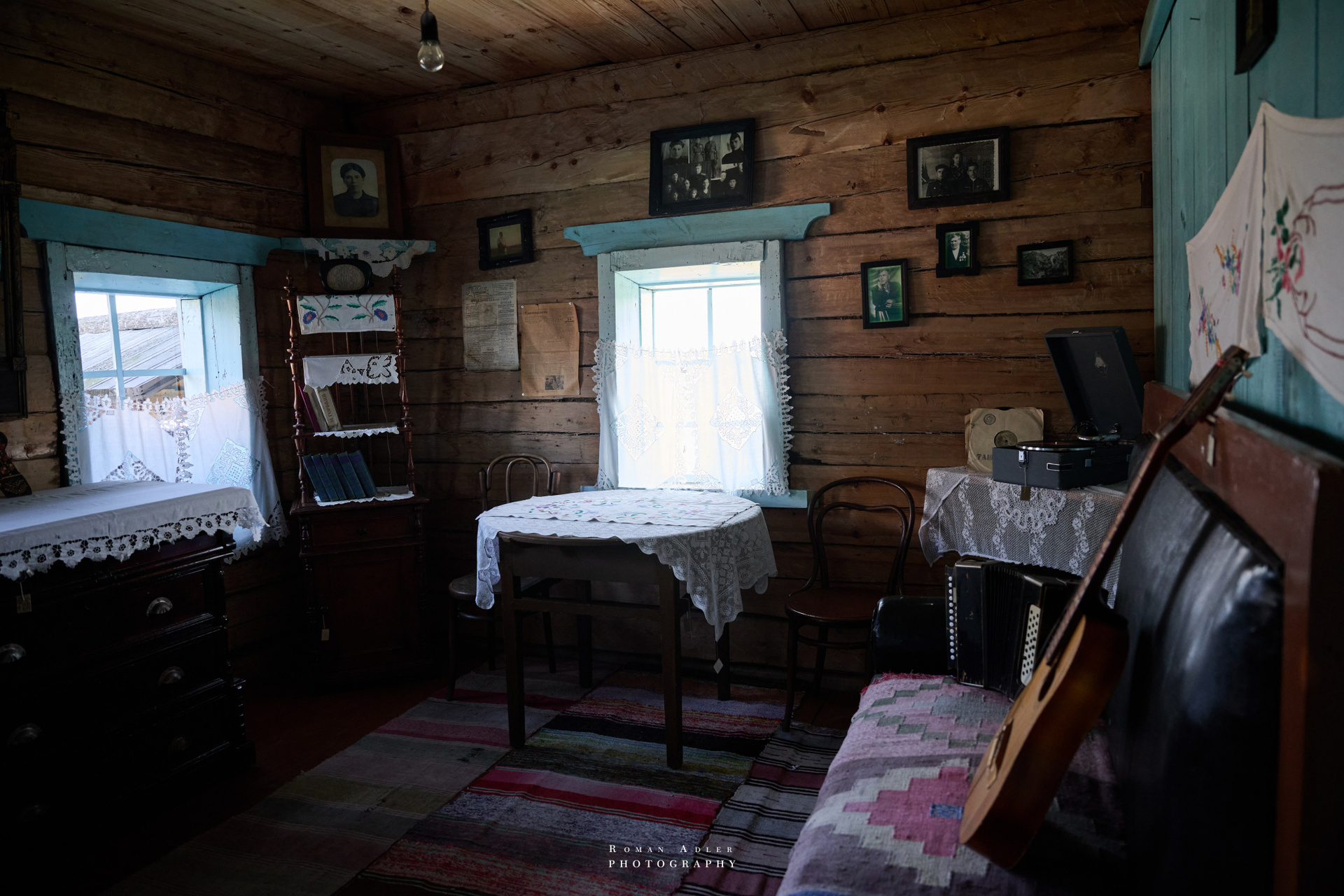
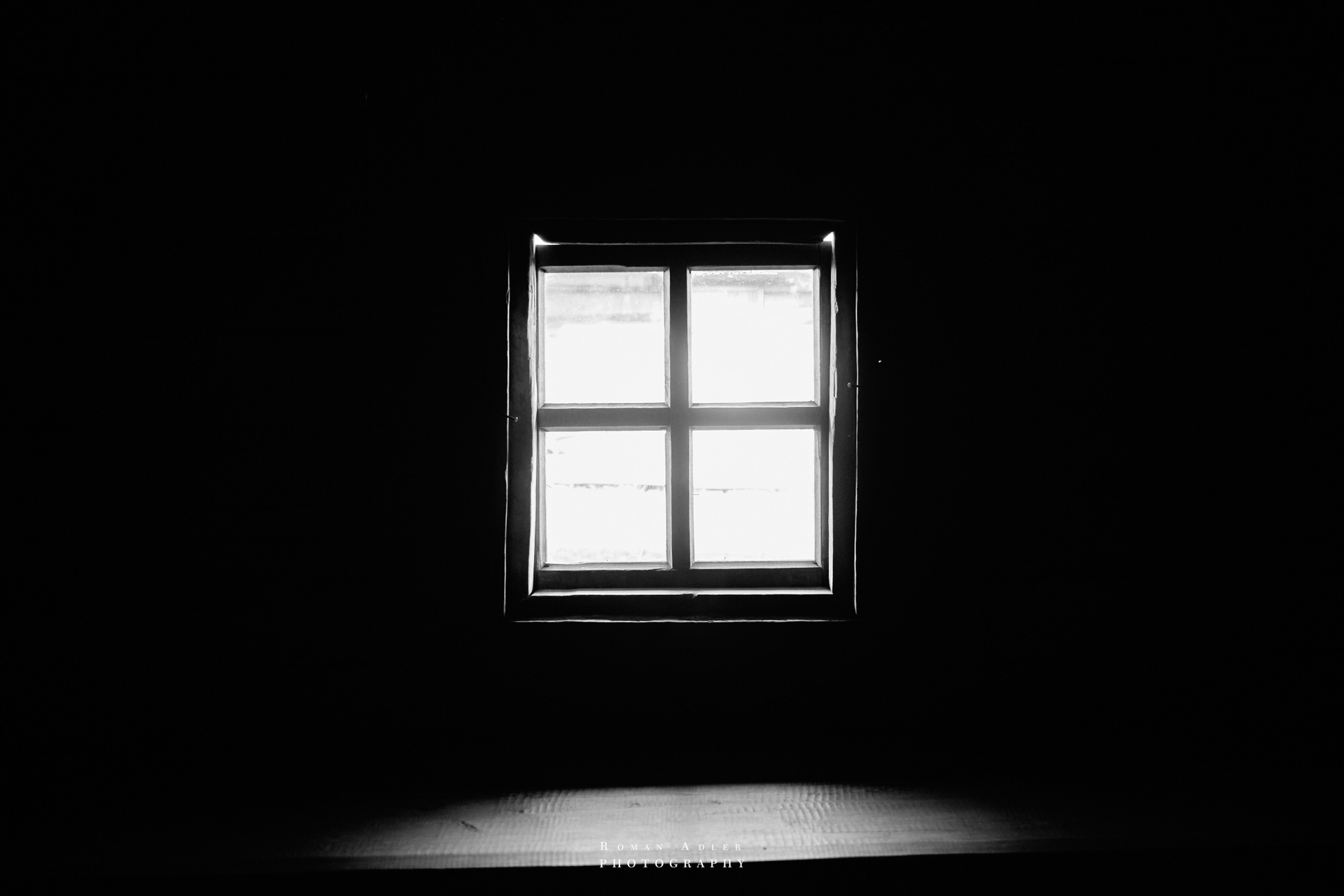
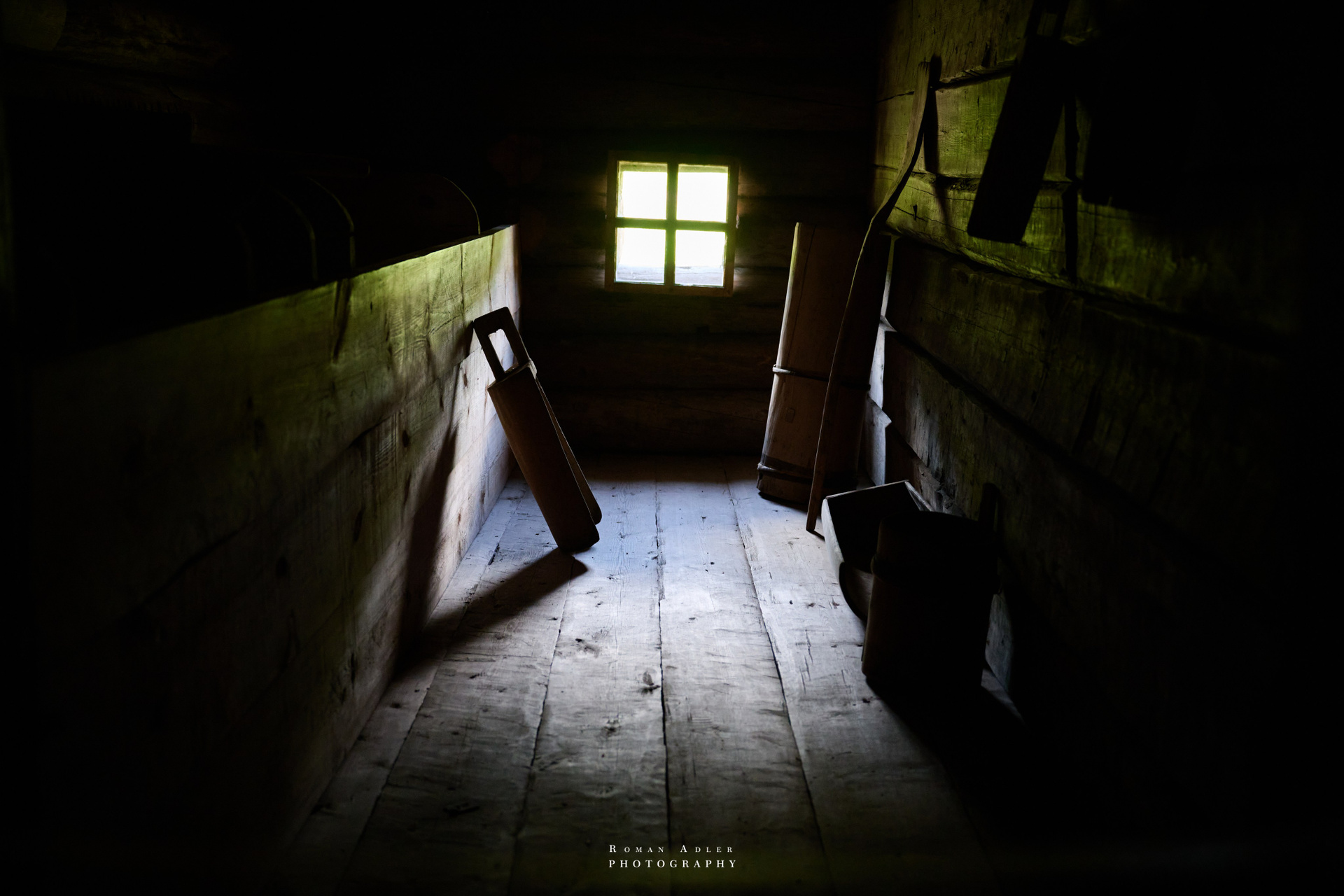
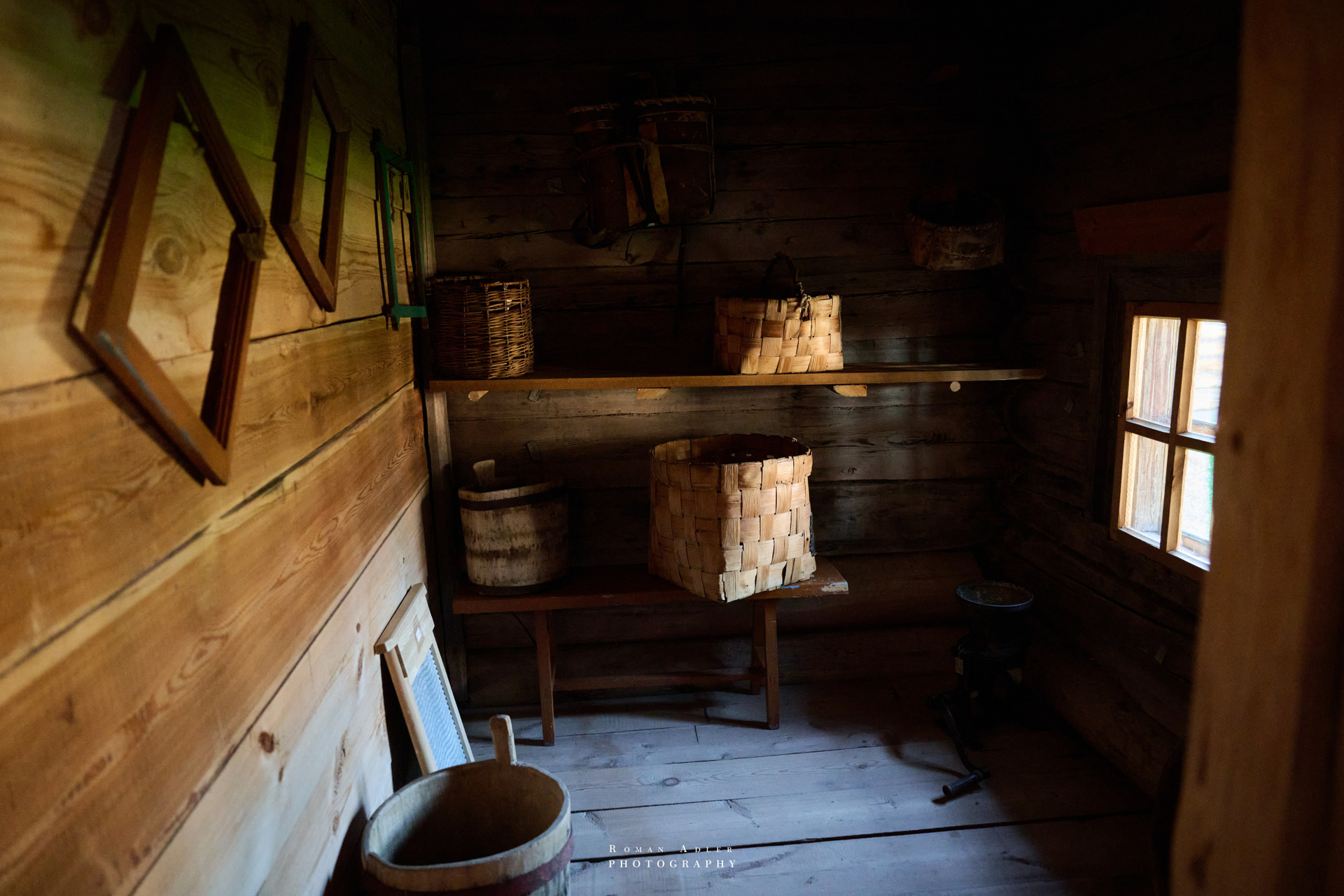
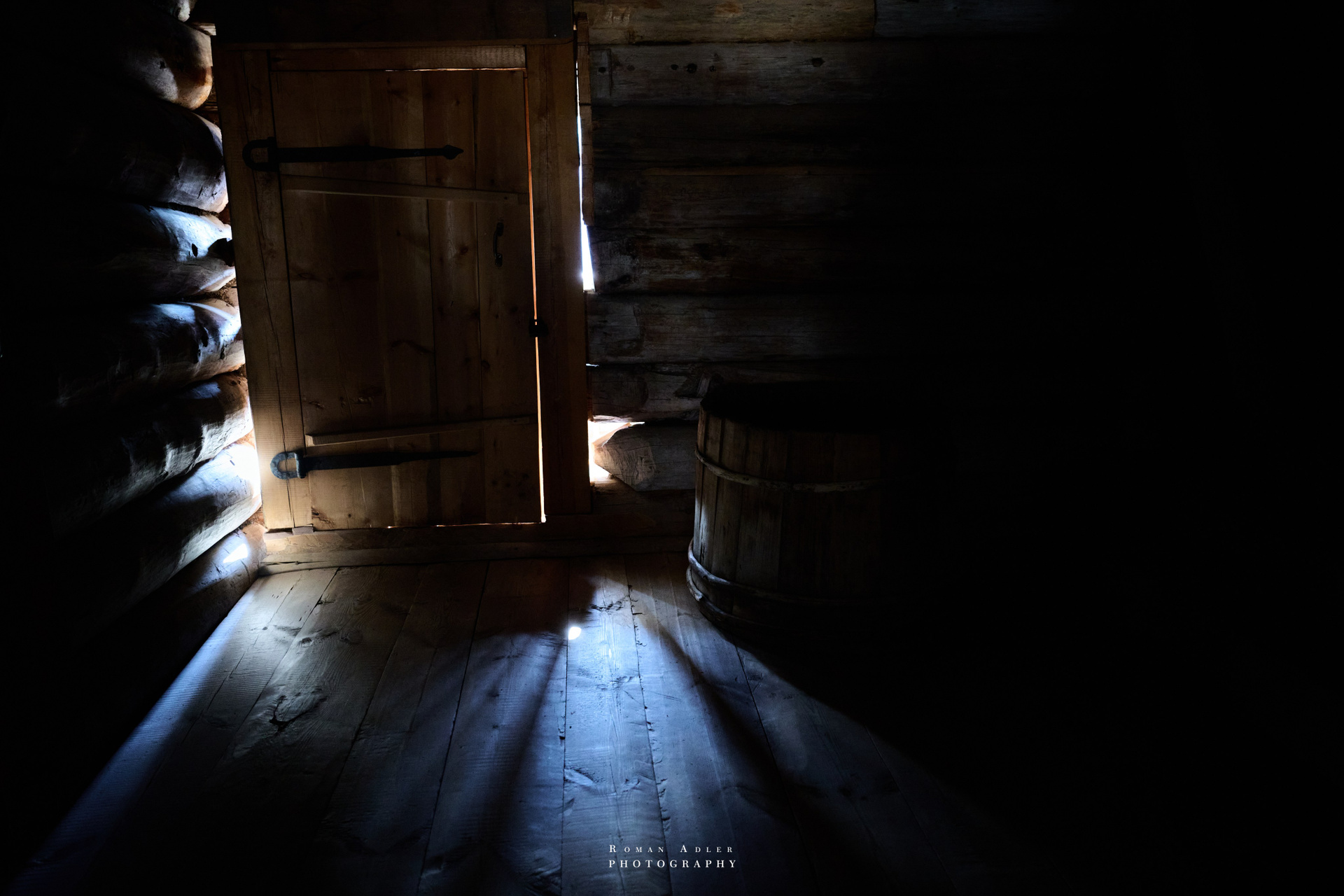
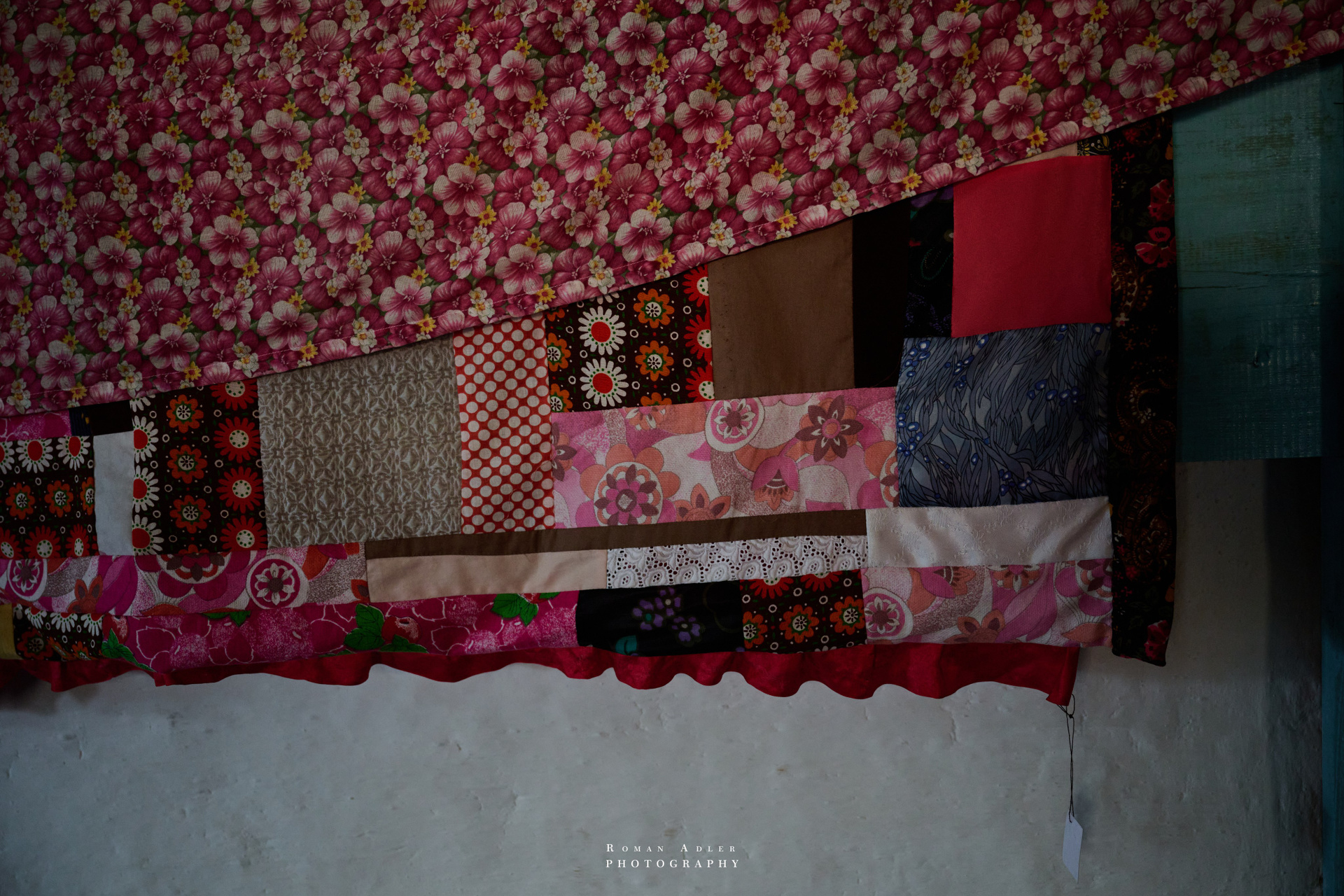
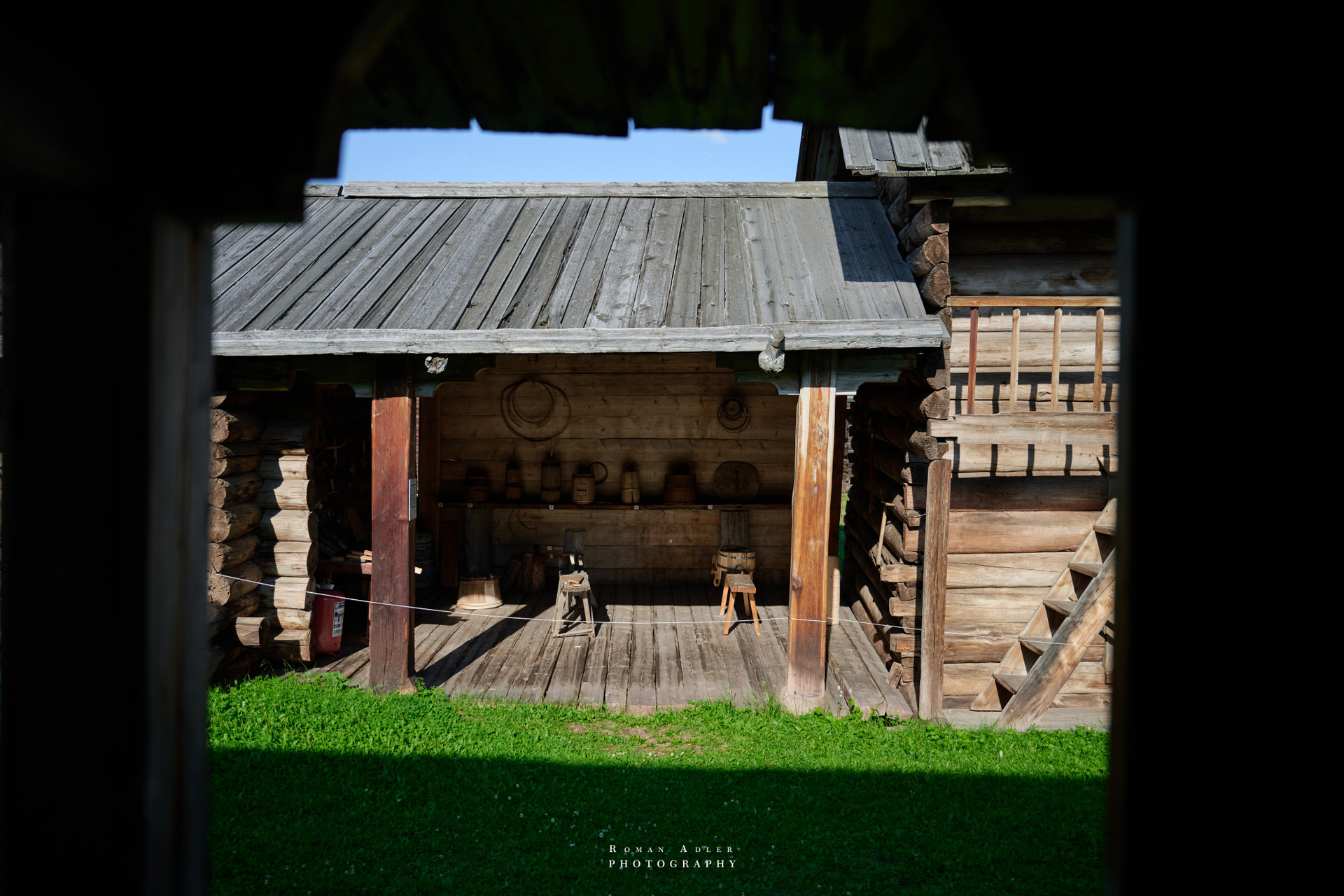
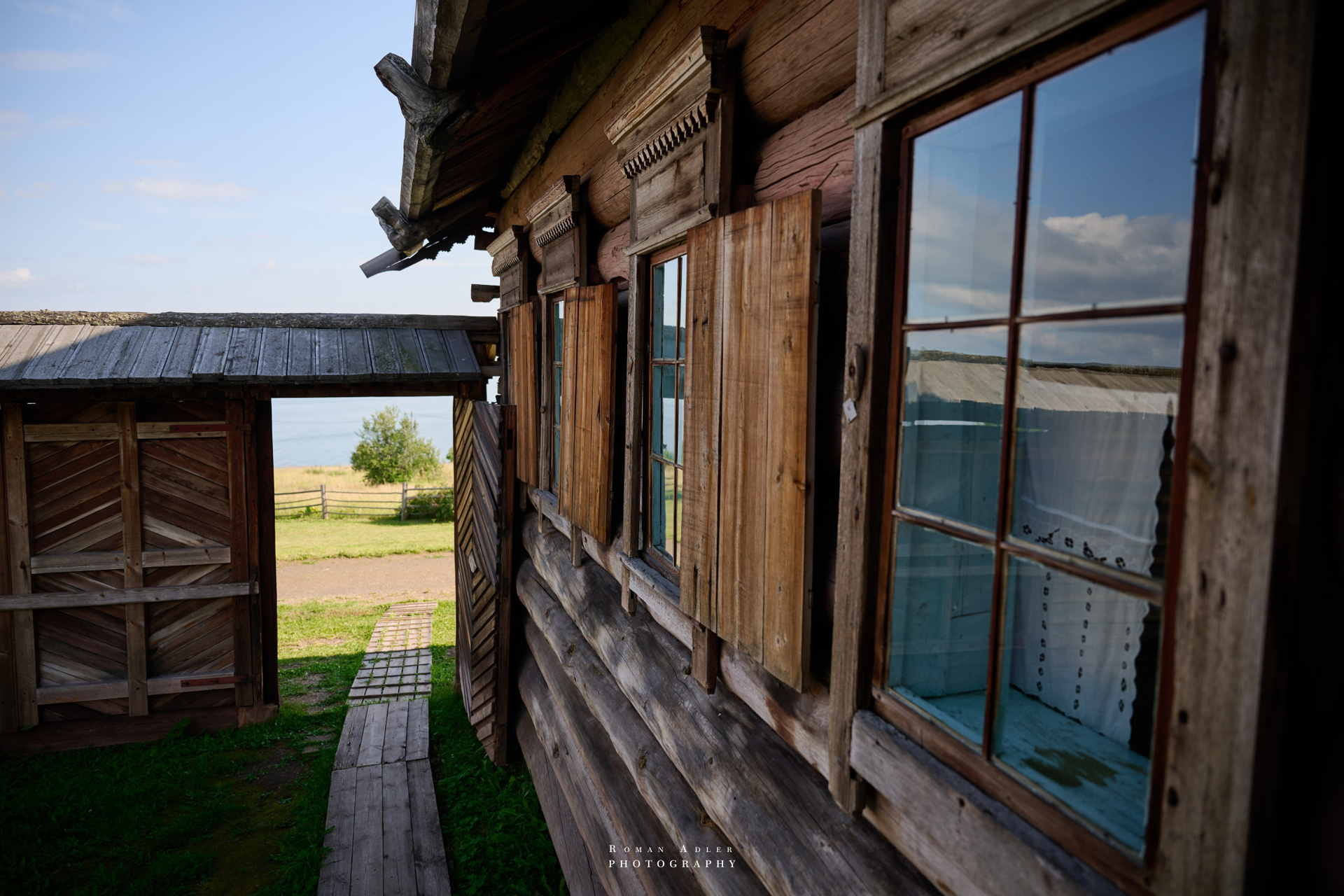
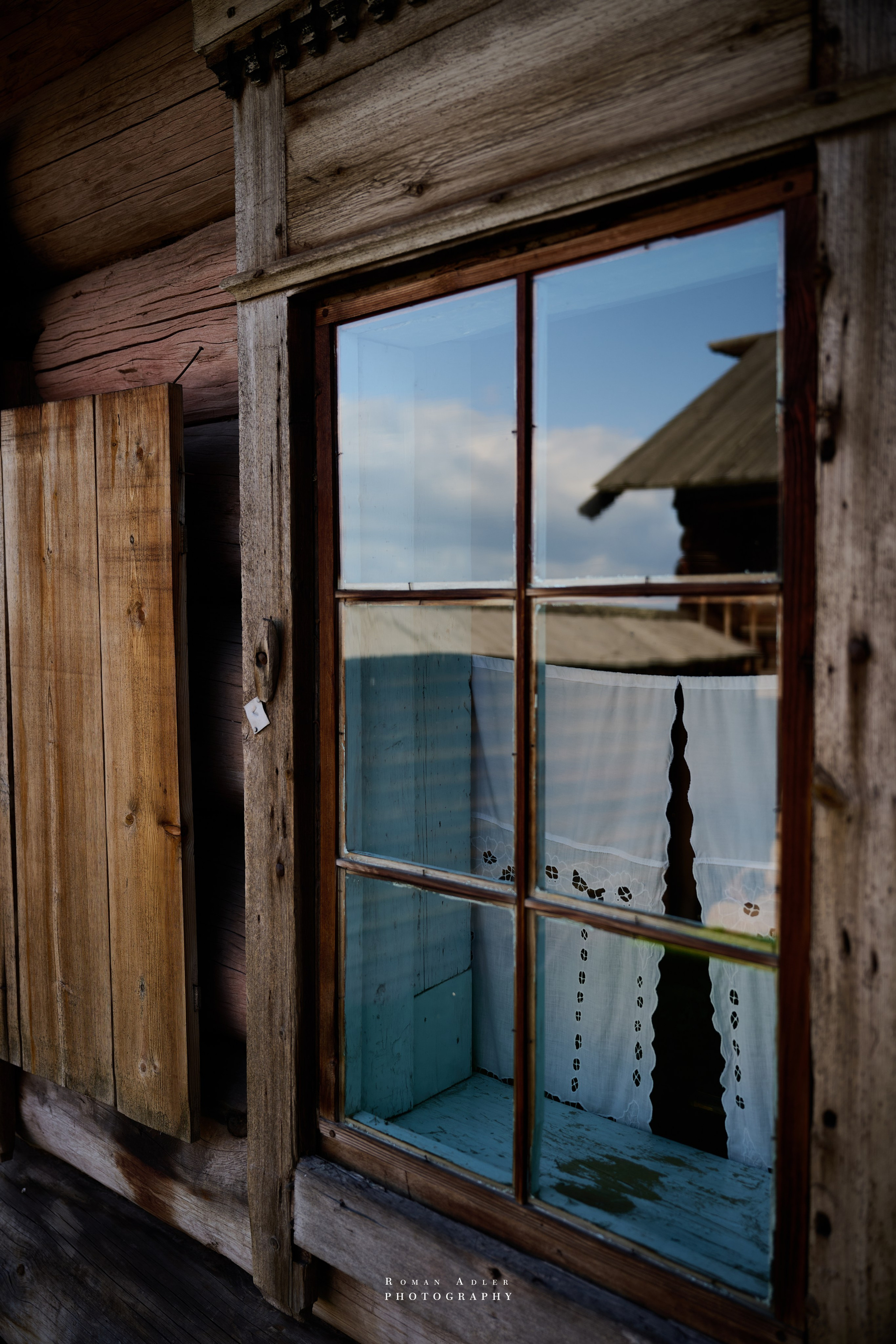
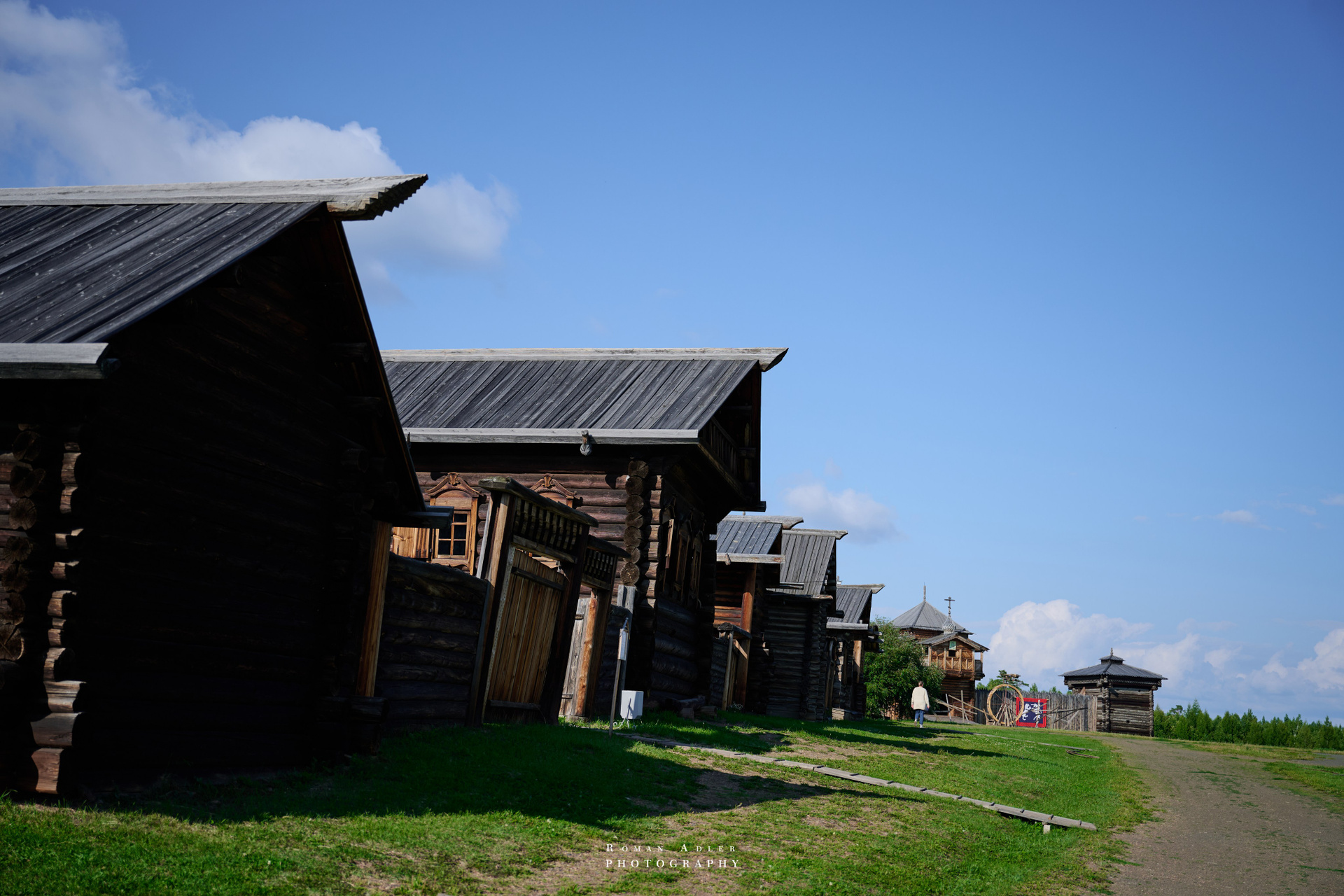
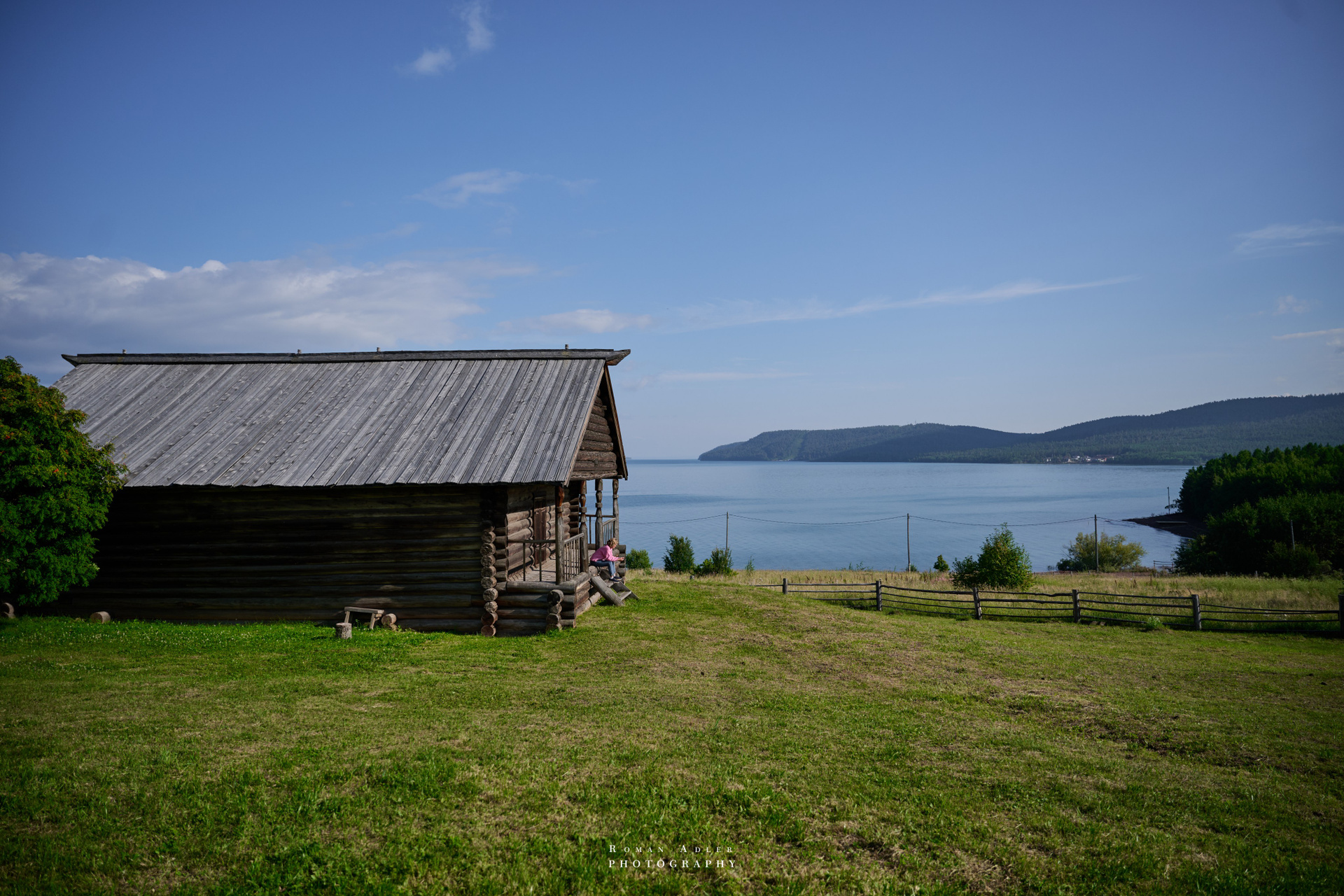
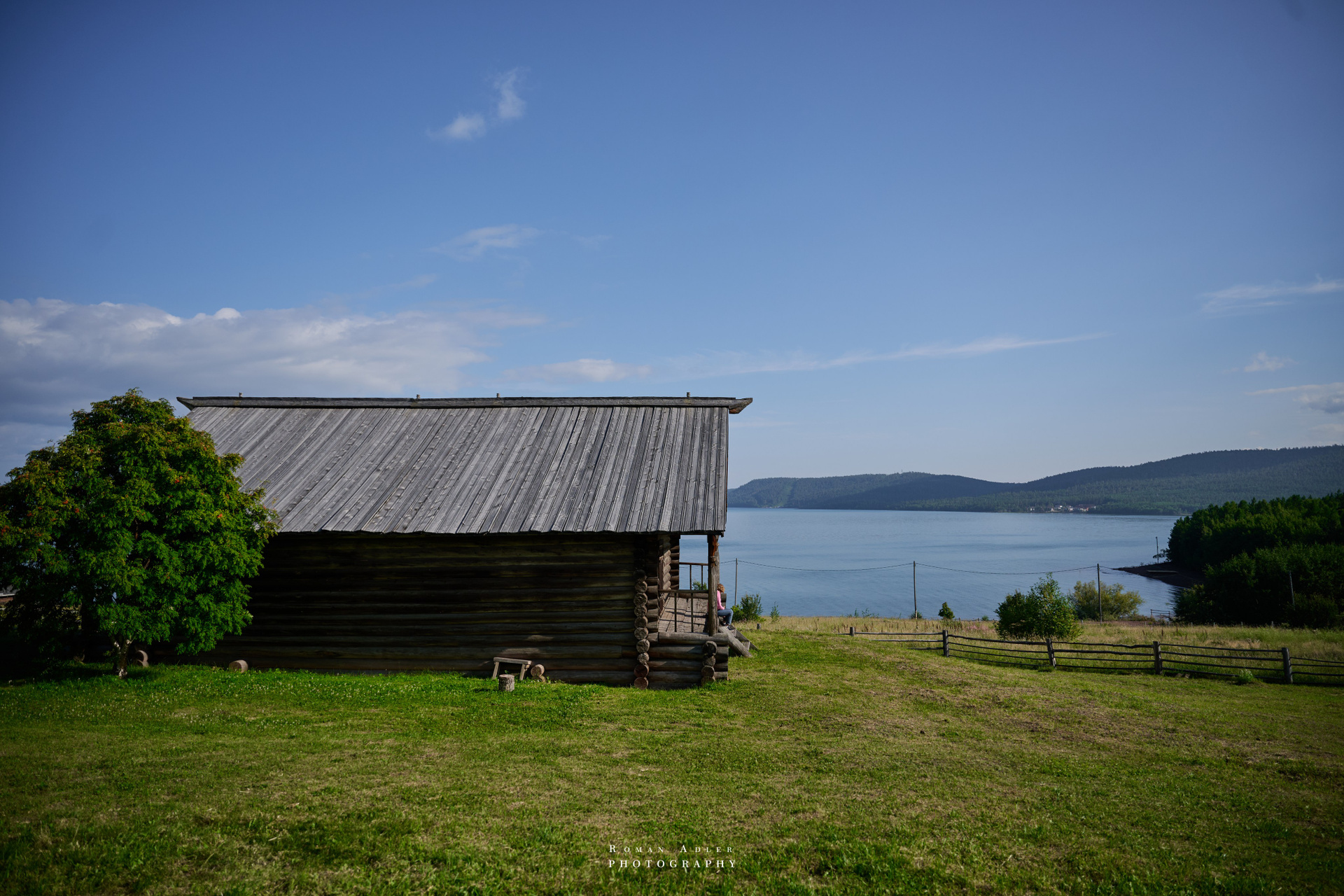
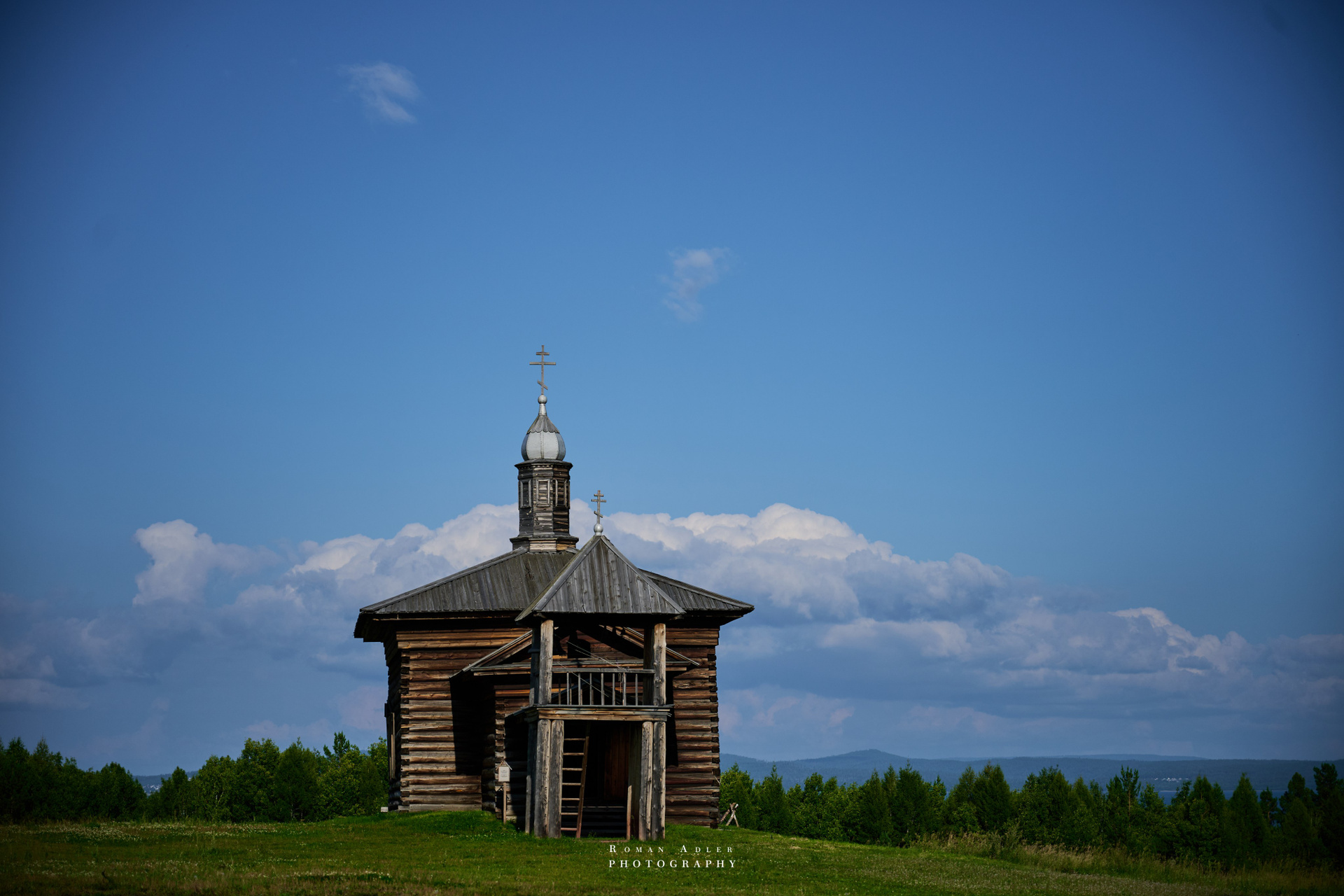
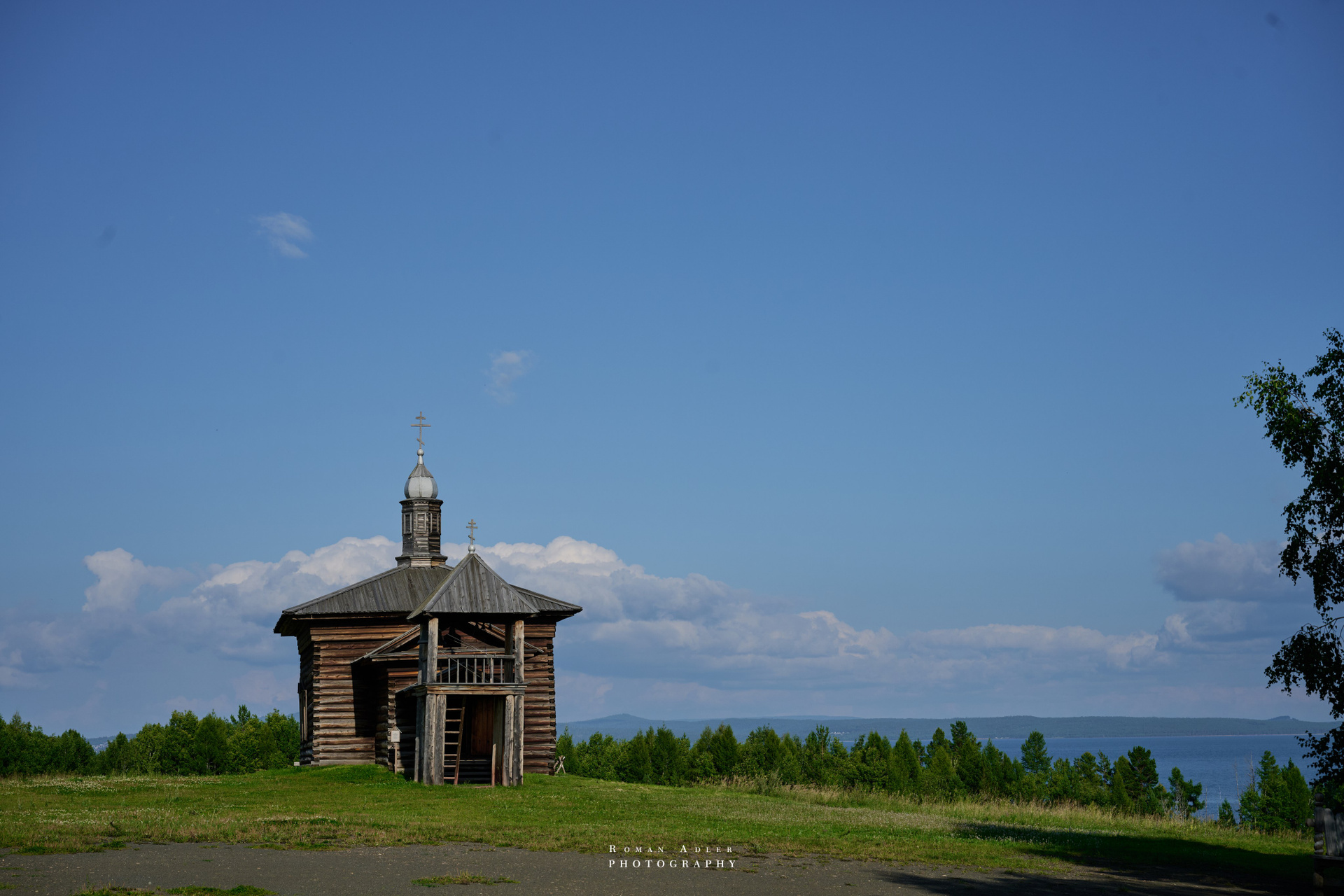
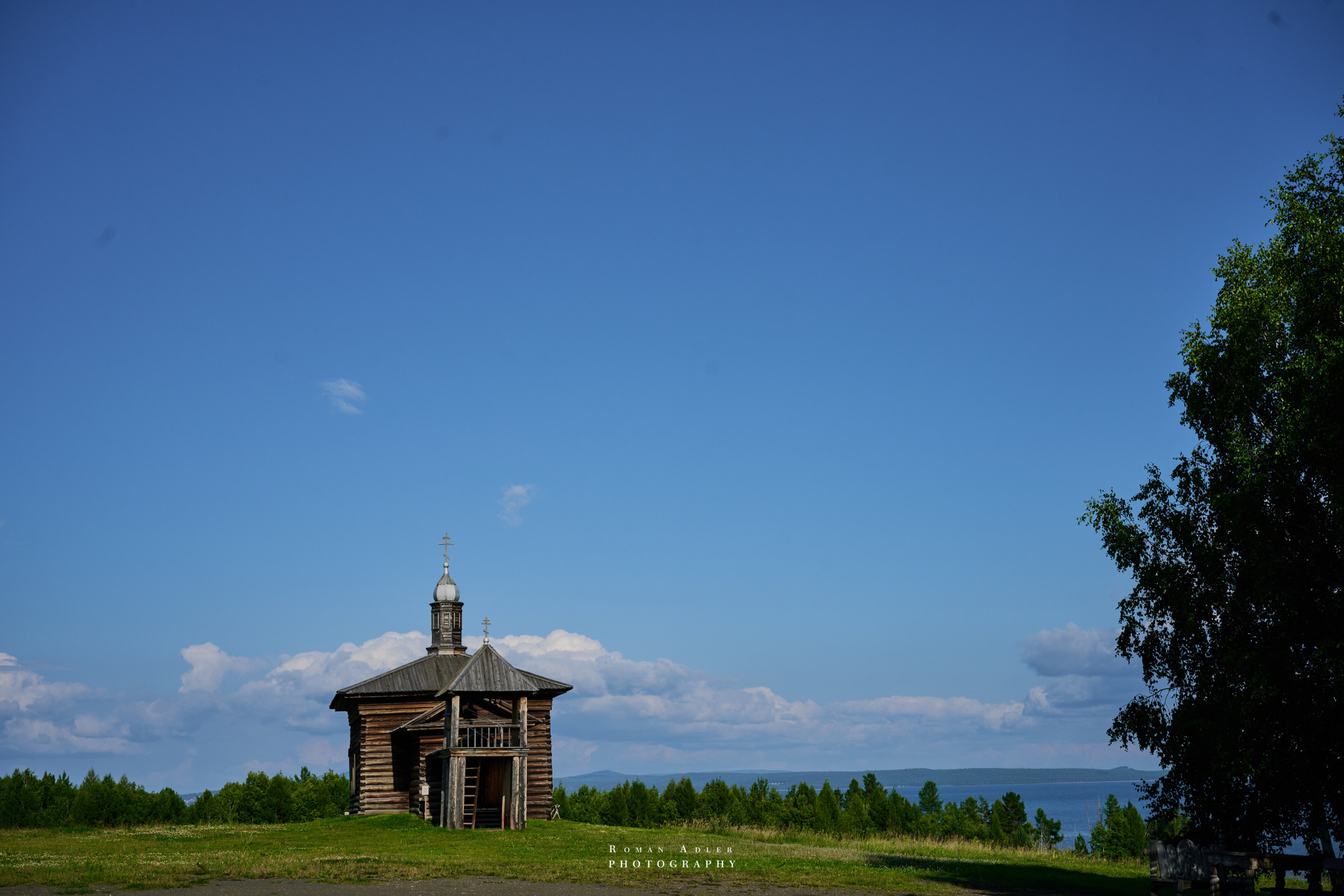
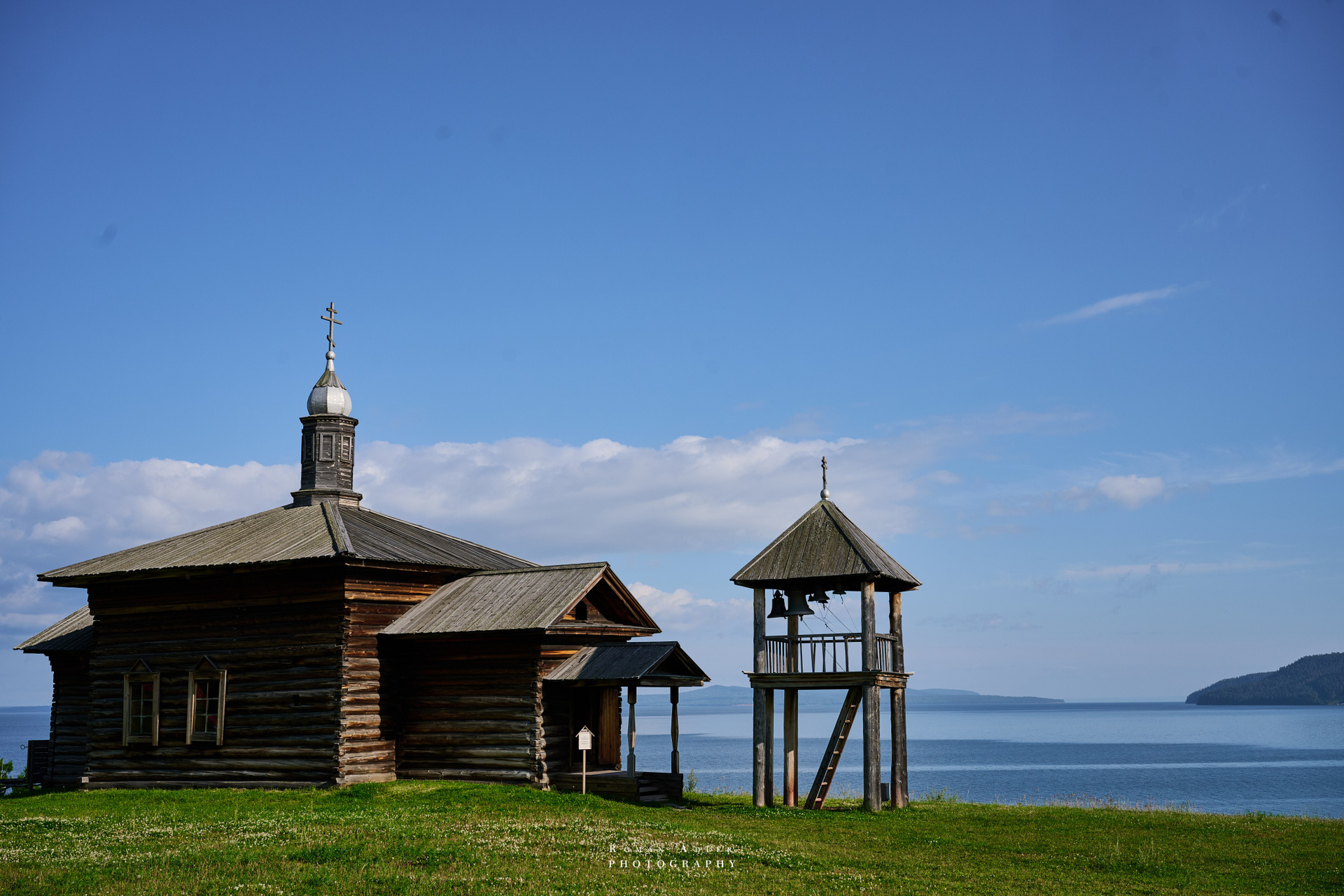
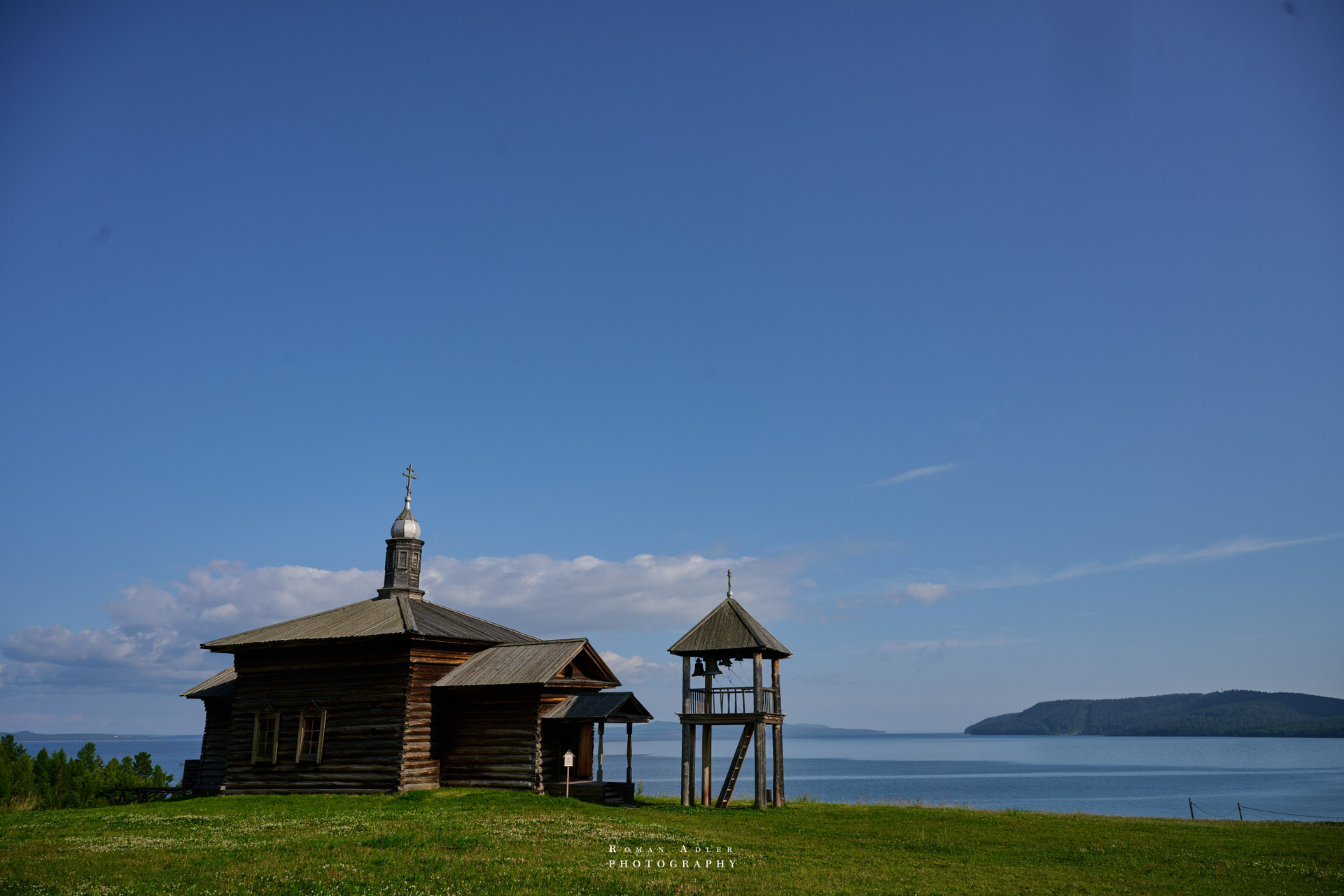
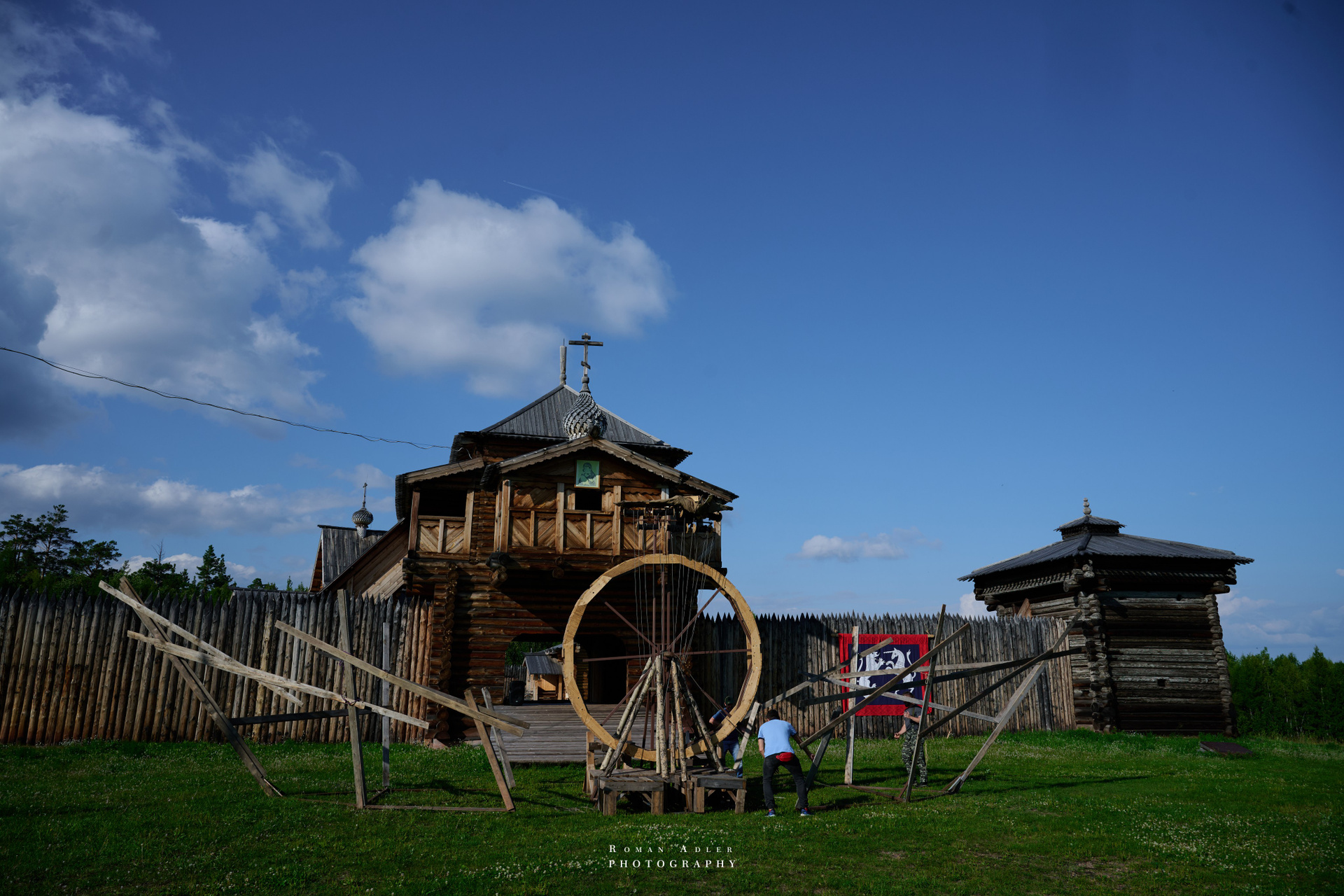
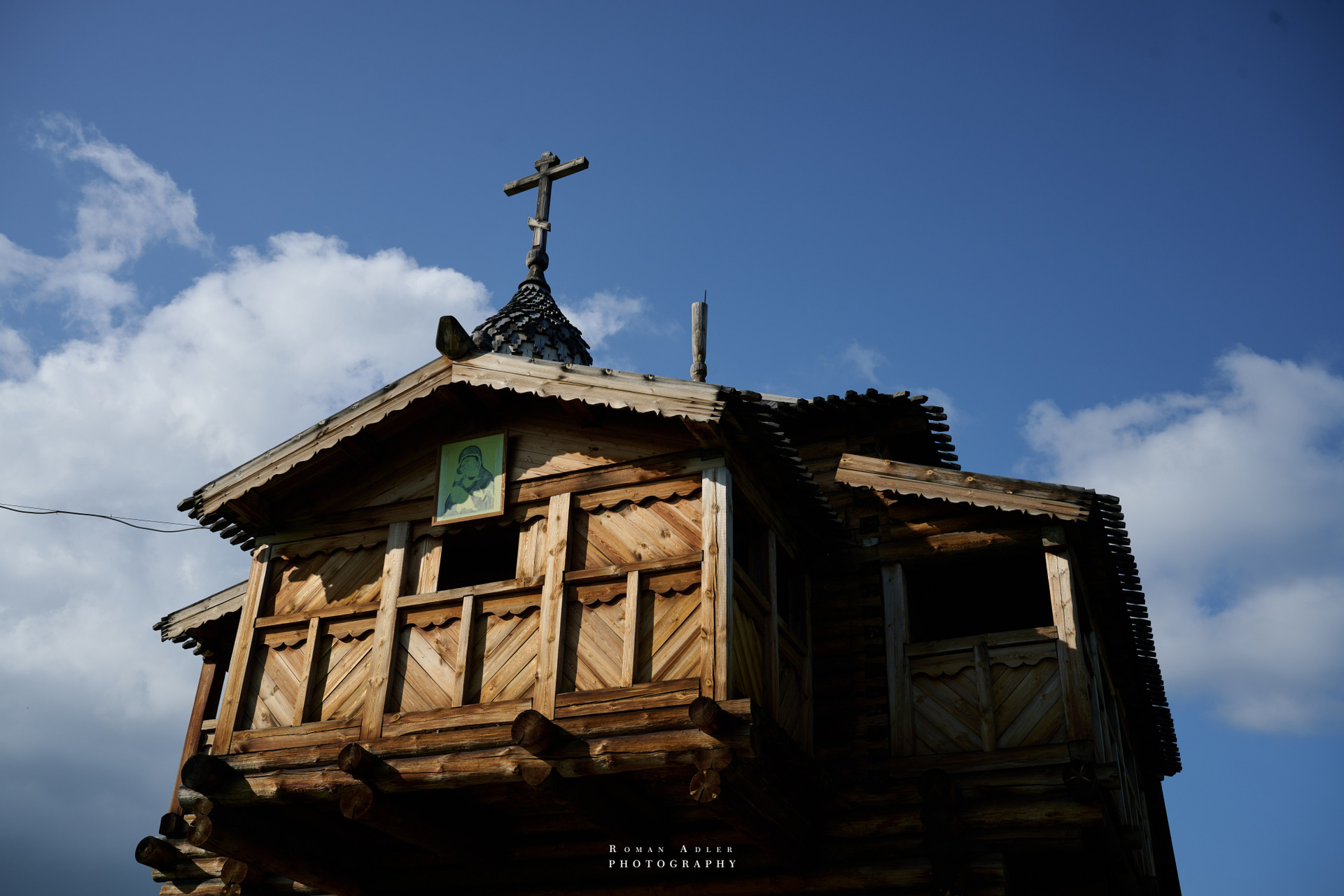
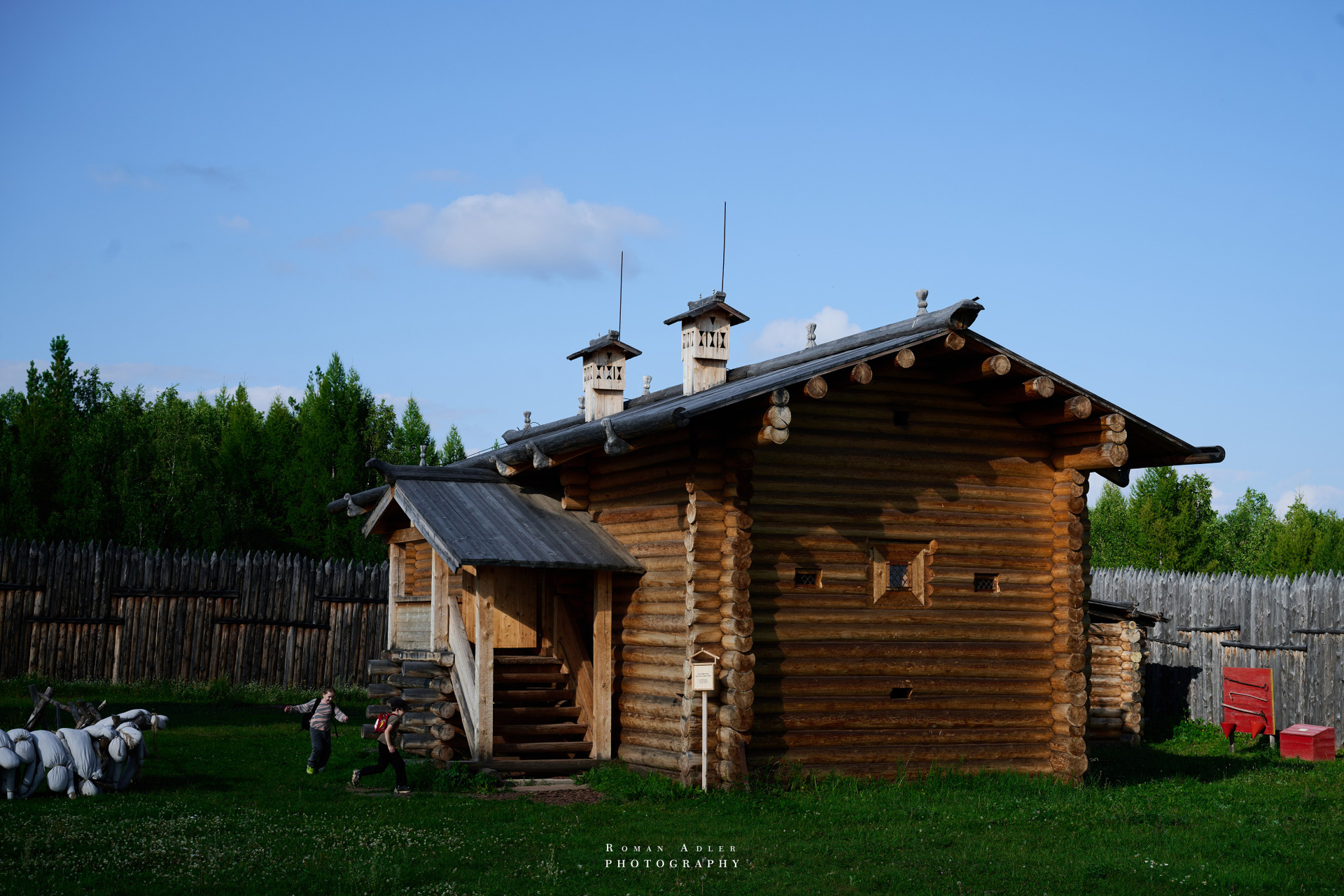
Here it smells of resin and old wood. The pines stand around as they stood before the city. In the log walls there is silence. Not empty. The kind in which one can hear objects, tools, things breathing.
A child places a palm on a log. He does not know its history, its events. Does not know that this log was carried out of the water. To him it is simply warm. And in that moment the memory of many generations opens to him and is passed on not through words. Through touch.
The old village lies beneath the reservoir. The wooden towers stand in Moscow. One — in Bratsk. And here memory does not shout. It stands on the shore of the lake among the pines and waits.


