We work so hard to learn survival that we forget how to live.
Roman Adler. Documentary photographer.
Why do I shoot?
It all began long before I picked up a camera.
Over the course of my life, I have been to many places where the world breaks. Where war is not news, but everyday life. Where destruction is not footage in a feed, but reality. I have met different people, lived through and heard hundreds of stories that the world will most likely never know.
And then I understood: photography is not just about beautiful frames. It is a way to give a voice to those who are not heard. Whose lives are statistics in the margins of time.
Over six years of working as a documentary photographer, I have seen war and life on the border of worlds. But I have also seen what remains in a person when everything around collapses. And each time I was convinced of one thing: the light in people cannot be extinguished by any means we create.
I have seen many sinful saints, but far more — saintly sinners.
I do not shoot horror for the sake of horror. I shoot Life, which continues despite all our “human circumstances.” Whether it is a child drawing with chalk on asphalt among broken concrete blocks, or an old man brewing coffee in a city erased from official maps. A street vendor in the labyrinths of Shanghai, living by laws I do not fully understand.

My camera is not a tool. It is my way of being near.
A bridge between the world where “everything is fine” and the world where people simply survive every day.
My photographs help see these people as they truly are. They show that these people — exist.

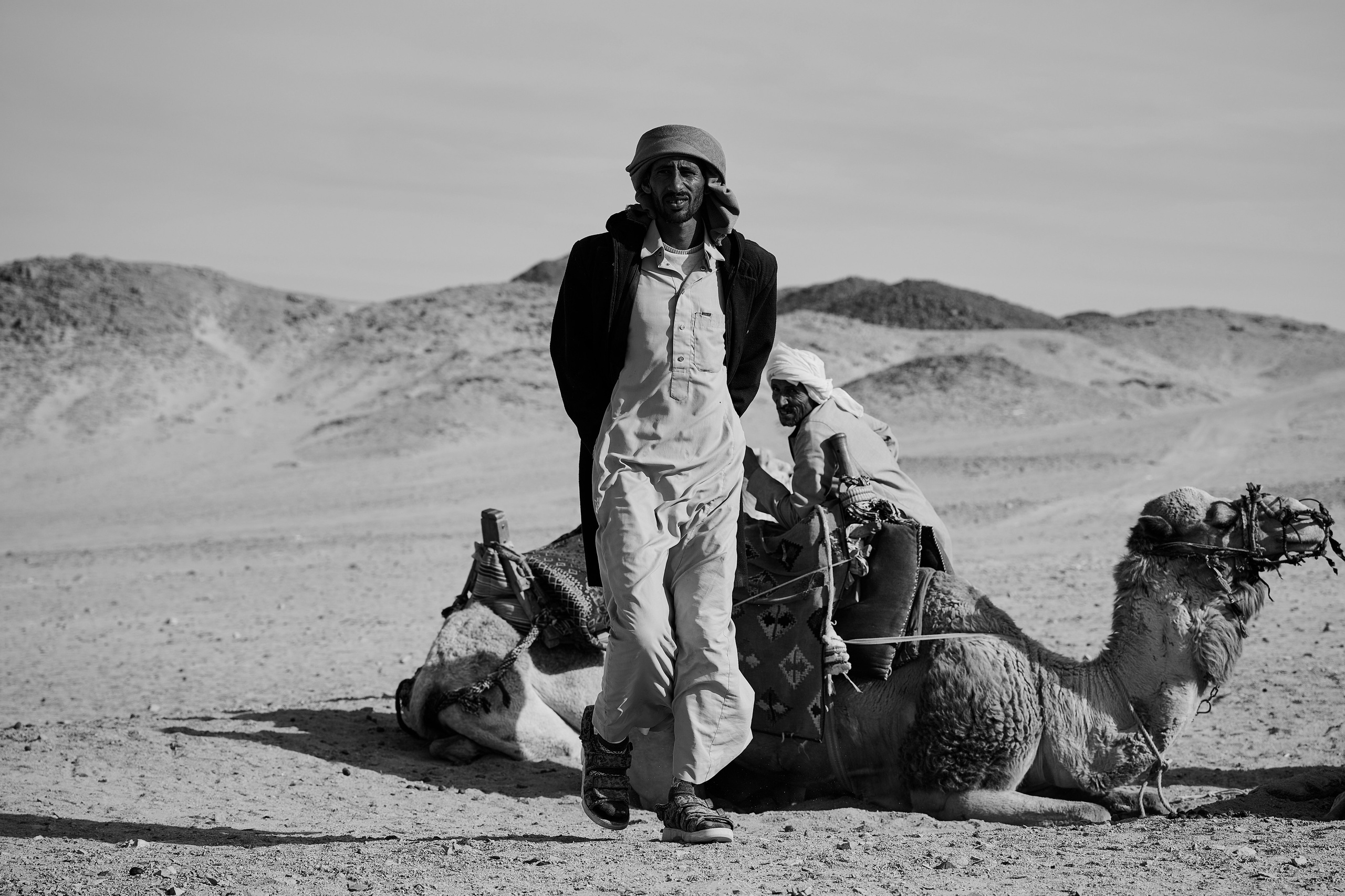

The Humans v.21
A documentary photo project, gathering six years of work in five acts. This is a search for the soul in people who live where the soul should have disappeared.
This is a story about the Human of the 21st century — where the epoch breaks destinies. About those who choose every day to remain Human.
And this choice is not submission, nor helpless acceptance. This is the choice of a Human who looks without fear into the eyes of both Life and Death.
My task is not to show destruction. My task is to show that even where everything collapses, light remains in a person.
This is not just a project. This is my path. A way to say: these people exist.
More important than any exhibitions for me are letters from the heroes of my photographs: “Thank you for showing us as we truly are.”
I continue to shoot. Because there are stories waiting for their witness.

ACT I. PLANET WITHOUT WARS
Someday — or maybe never — our Planet will be like this. But for now, everything is as it is.
This is not about politics. This is about people without names.
They don’t have hundreds of thousands of followers. They are not popular. They are not talked about online, and they will never be shown on television. But they wake up in the morning, go to work, love, laugh, grieve. Ordinary people of our Planet.
Their “ordinariness” is not a curse, but a gift. The gift of simply living, even with the simplest life, in these difficult times.
And they live — in the most different cities, villages, hamlets of our world. Each of them is a whole Universe in himself.
ACT II. TERRITORIES
“It seems to me… true holiness is the ability to look at your wounds… deep, torn… and not try to inflict the same on others. Simply to freeze… to stop this eternal circle of pain… to take the blow and not become a new executioner…”
Hugo Simberg, “The Wounded Angel”
I do not photograph craters, concrete, and the geometry of destruction. I photograph those who did not let external chaos become their internal landscape.
This is not a chronicle of conflict. This is a chronicle of presence.
Those whose names do not flash in reports, but whose dignity is heavier than any headlines.
Sound fades with time. Only the gaze remains.
War here is only the background. The Human is the only constant.


ACT III. CHILDREN ALWAYS REMAIN CHILDREN
They don’t have childhood in the usual sense.
But they still believe in fairy tales, play, catch raindrops and snowflakes, build castles from sand. And love.
My project is not about the horror around. It’s about what’s inside these children. About what doesn’t let our adult world fall into chaos completely.
I refused to shoot “poor children for pity.” They don’t ask for pity. They live.
ACT IV. TO BE UNRECOGNIZED
A passport that is not accepted anywhere. A border that no one recognizes. A state that does not exist on maps.
But there are people. They fall in love, marry, have children, make plans.
They live where the world says they do not exist. Like shadows. But shadows that laugh, love, grow old, and die.
My project is about those who exist despite the maps.


ACT V. RUSSIAN GAZE. CHINA
China as seen by a Russian. Not postcard-like. Not touristy.
Another civilization. Other laws. I don’t always understand them. And this misunderstanding is the most honest thing I have.
It is precisely in this misunderstanding that the real frame is born.
Where I stop understanding, contemplation begins. Where the familiar ends — the gaze begins.
“Only in emptiness is form born.” My ignorance is this emptiness. From it comes a gaze that does not try to explain, but simply sees.
I do not shoot “China for Russians.” I shoot China through the eyes of a Russian — with surprise, misunderstanding, and respect.
How Do I Work?
01. HONESTY INSTEAD OF PITY
I do not shoot “poor people” to evoke pity. My heroes are not victims. They are alive, strong, and real. I do not look for tears on faces. I look for dignity in the eyes.
02. HUMAN IN THE CENTER
Ruins are just scenery. Only the Human is the main constant. Even if there is war around, even if the city is erased from the face of the earth — I do not look for destruction. I look for Life.
03. TIME, NOT SPEED
I do not make reports in an hour. I arrive, I stay, I am near my heroes. Only then can you see them as they truly are. And then their life becomes yours.
04. MEMORY AGAINST OBLIVION
These people can disappear. As if they never existed. As if they never loved, never suffered, never laughed. My camera is my way to leave a trace. Quiet.
“All your steps before the door are meaningless if you never enter it.”
My life as a photographer is my way of being in the world. My way of transmitting my perception to this world.
Yes, I consciously chose my practice of life — the practice of contemplation.
I train myself to feel every day, to catch the subtlest notes of life. I learn to see what attracts and repels — without rejecting either the one or the other.
I study not only the world and the people living in it. I study the shades of their emotions and feelings. And I observe the paths they walk.
Mission
The heroes of my photographs are people who stand before a door. Each before their own. War, devastation, non-recognition — a door for some. The merciless reality of modern civilization — a door for others. The handle burns their palms. Behind the door — the unknown. Fear screams: do not open.
But they open it. Every day.
My mission is to be with them in this moment. Not behind the door, not in safety. But where it is hot. Where it is scary. Where there is a choice between life and oblivion.
Because choice is what makes us Human. Freedom of choice is a gift. And my heroes choose to Live. And I choose to show this.
What remains is to do what we cannot. To go where it is scary. To show what the world prefers not to see.
The Humans v.21 — this is my door. I have reached it. I open it.

We so desperately trample inside ourselves everything good in us, all life, from the earliest years…
What drives us? Conformity? Fear? And then we are afraid to love, to do good, to create… We are afraid to live.
Balzac: “Where everyone is hunchbacked, beauty becomes ugliness.”

MY PHILOSOPHY
I choose to look where the Light has not yet gone out under layers of dust and ash.
Where people, among the ruins, brushing shards off the stove, continue to brew coffee in the mornings. Continue to laugh. Continue to love.
There are so many Reapers, and so few Sowers.
I do not harvest the crop of others' pain. I search for seeds where the Reapers have already passed. Grains of humanity. Alive. Waiting.
My camera is not a tool of fixation. It is my way of being near. I do not shoot because I must. I shoot because I cannot turn away. This is my choice. To see these people. To hear their stories. To value the very possibility of telling them: you exist.
I believe that photography is not just an image. It is testimony. It is memory. It is voice.
In a world where everyone rushes, where news expires in an hour, and people become statistics, I choose slowness. I choose depth. I choose to look into eyes. Into silence. To where silence is louder than shouting headlines.
I do not make art for art’s sake. I make it for truth. For those who cannot speak for themselves. For those whom the world prefers not to notice.
My philosophy is simple:
- Every person deserves to be seen.
- Every story deserves to be told.
- Every moment deserves to be preserved.
Because we are all part of one story. The story of humanity, which is being written right now.
A detailed portfolio, exhibition history, and professional CV of the author are available upon request for curators, foundations, and media.
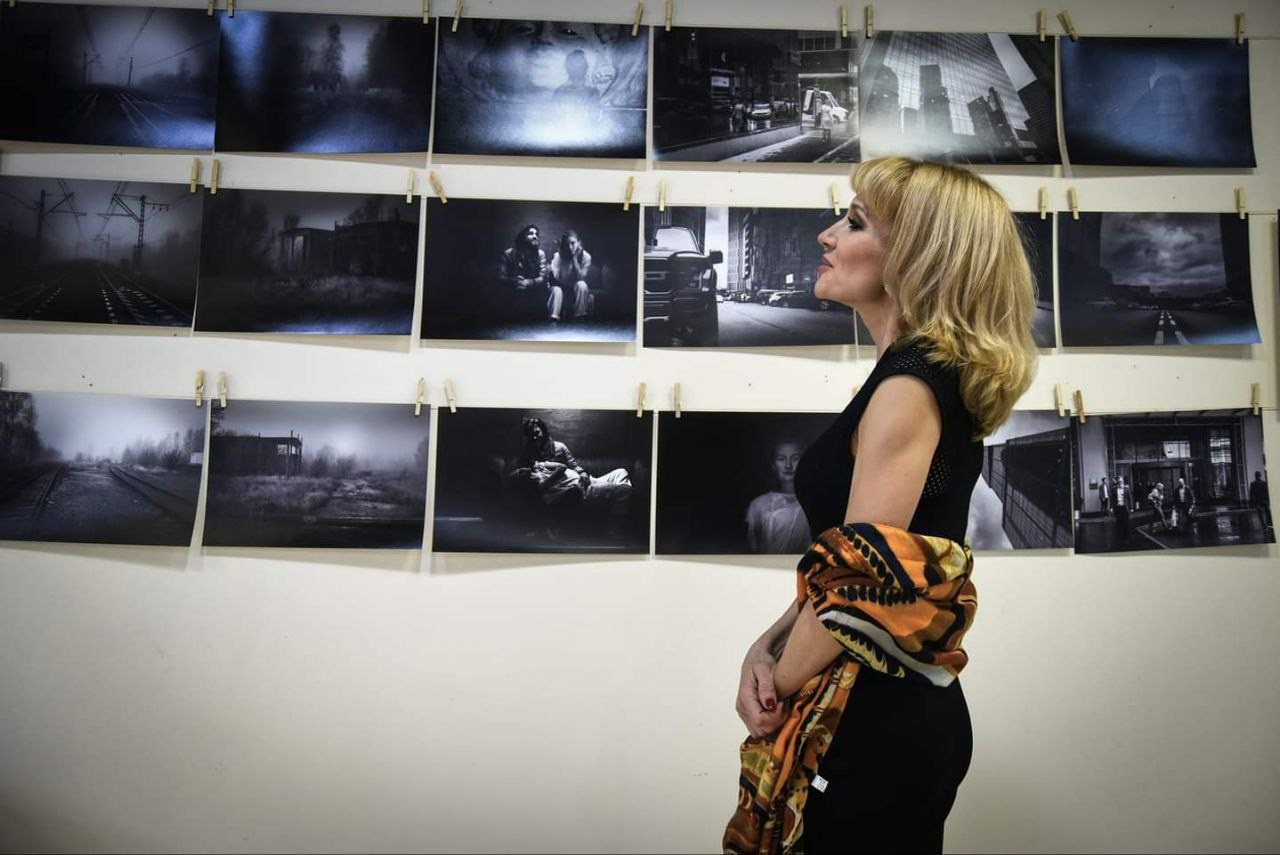
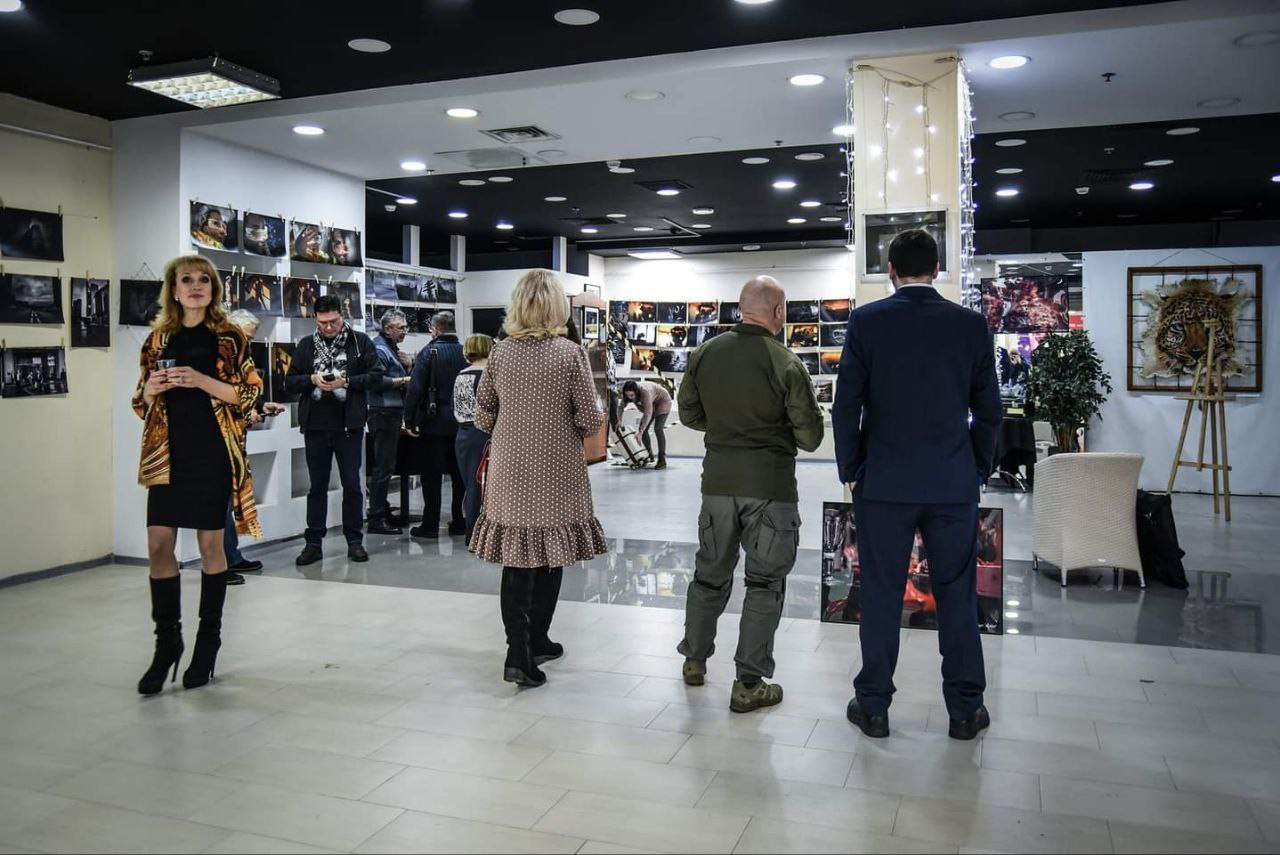
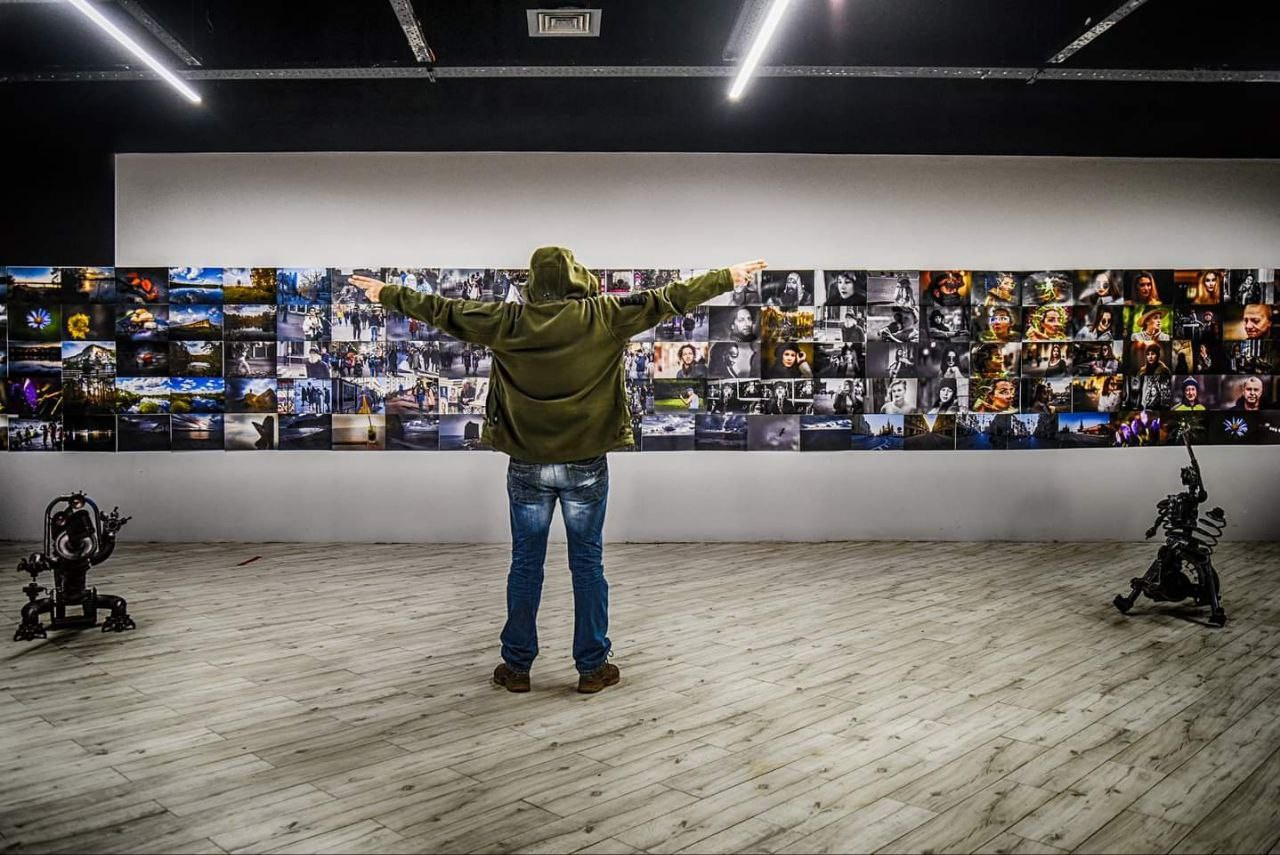
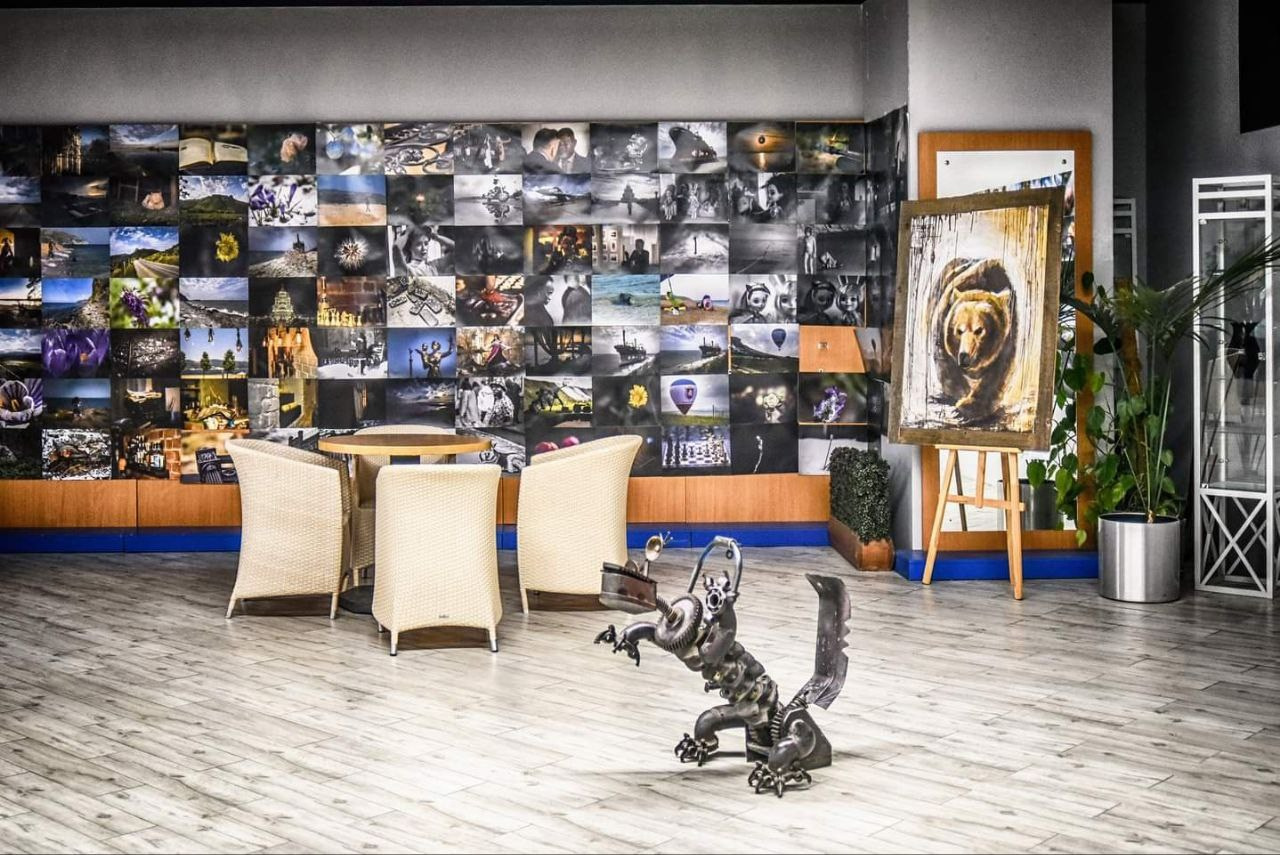
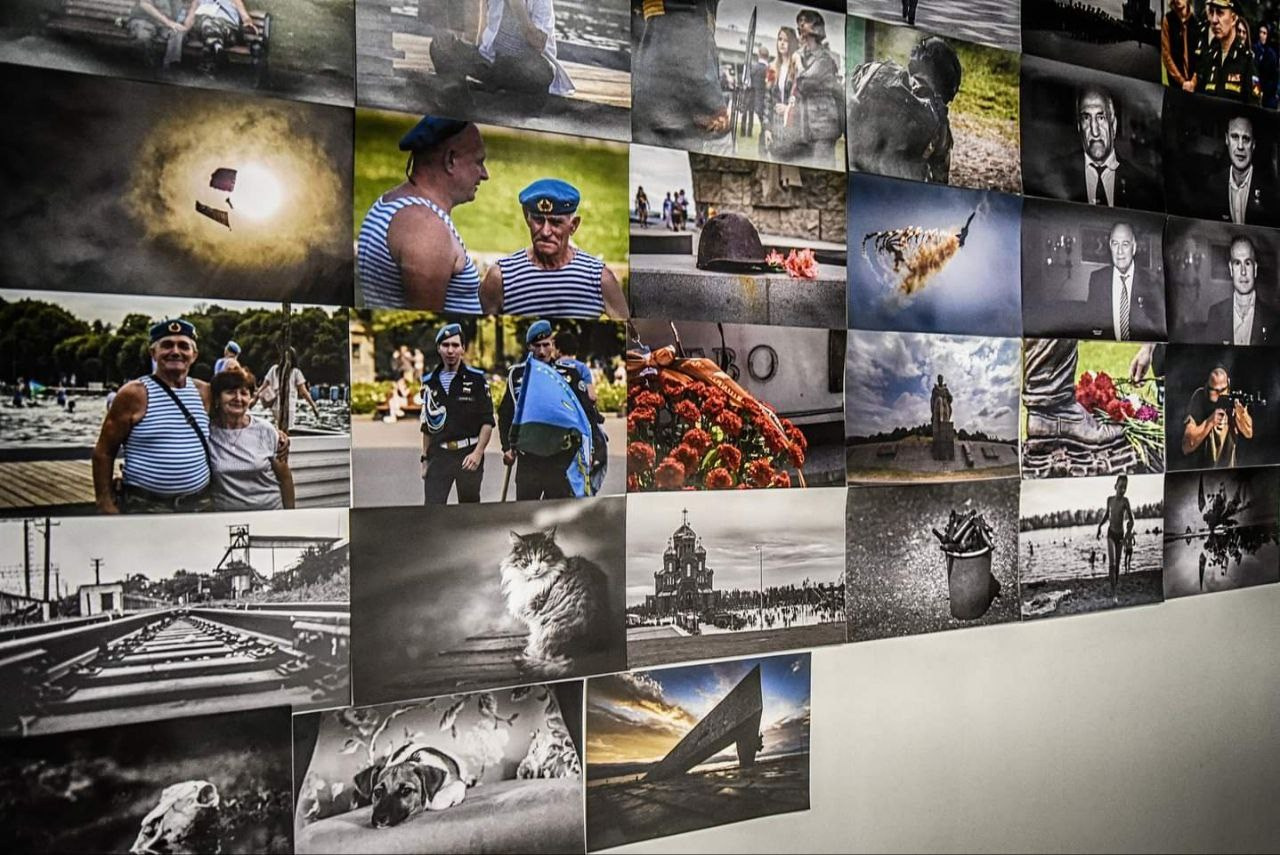
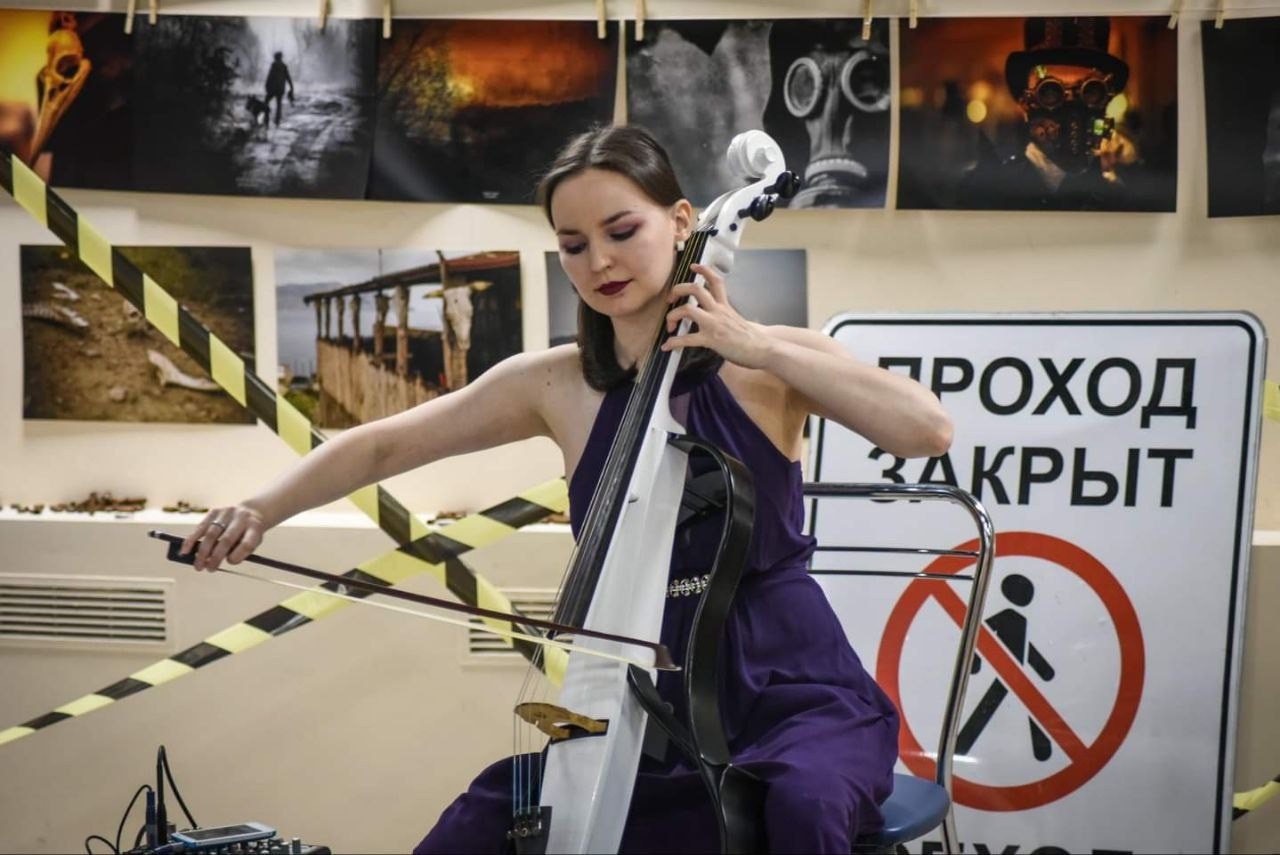
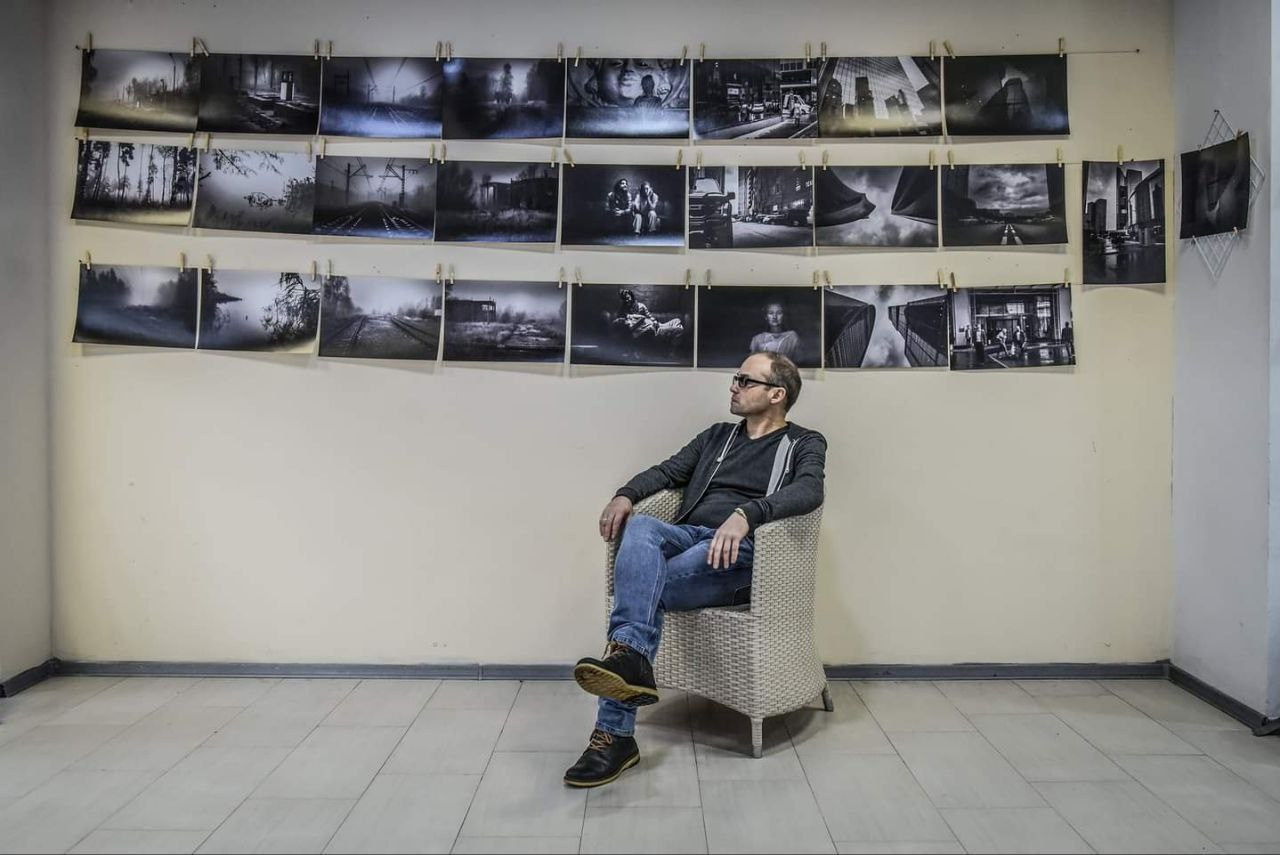
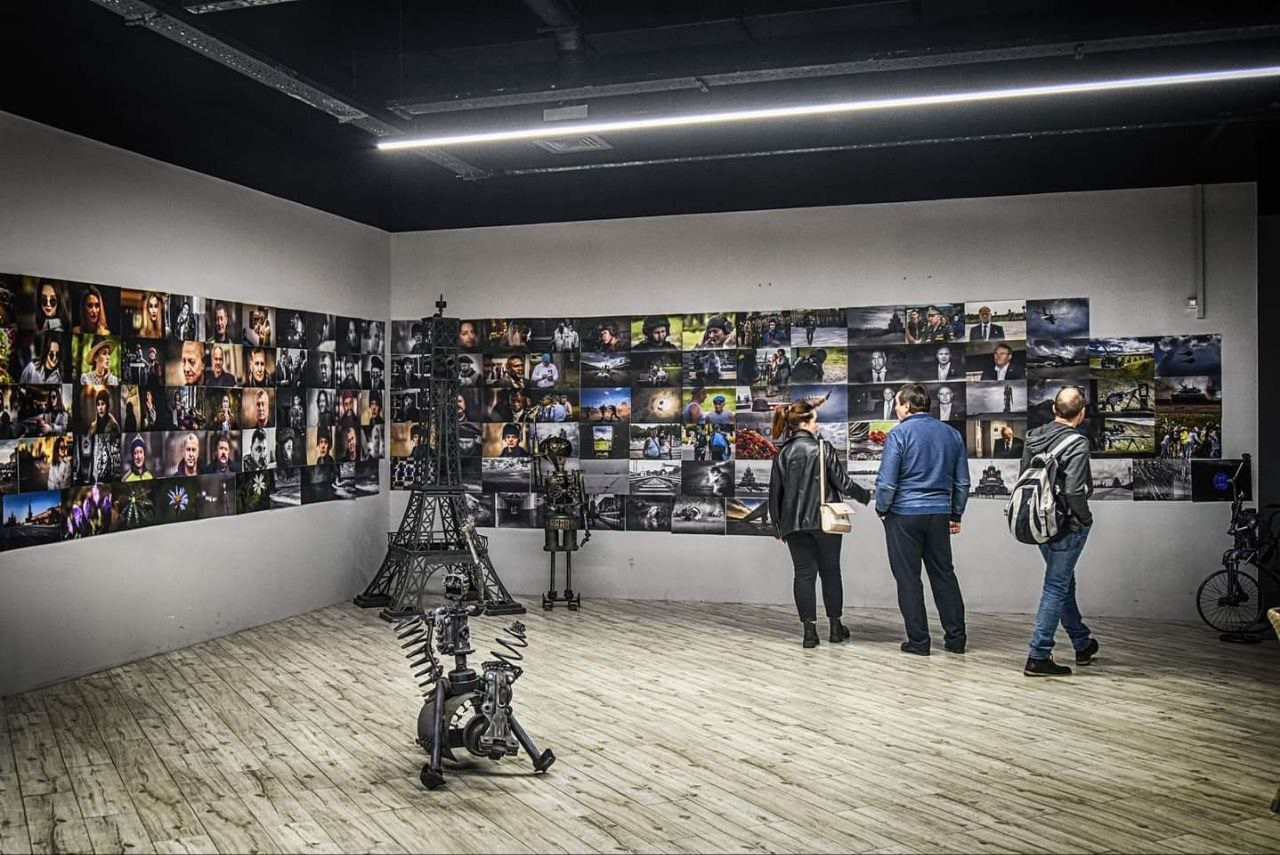
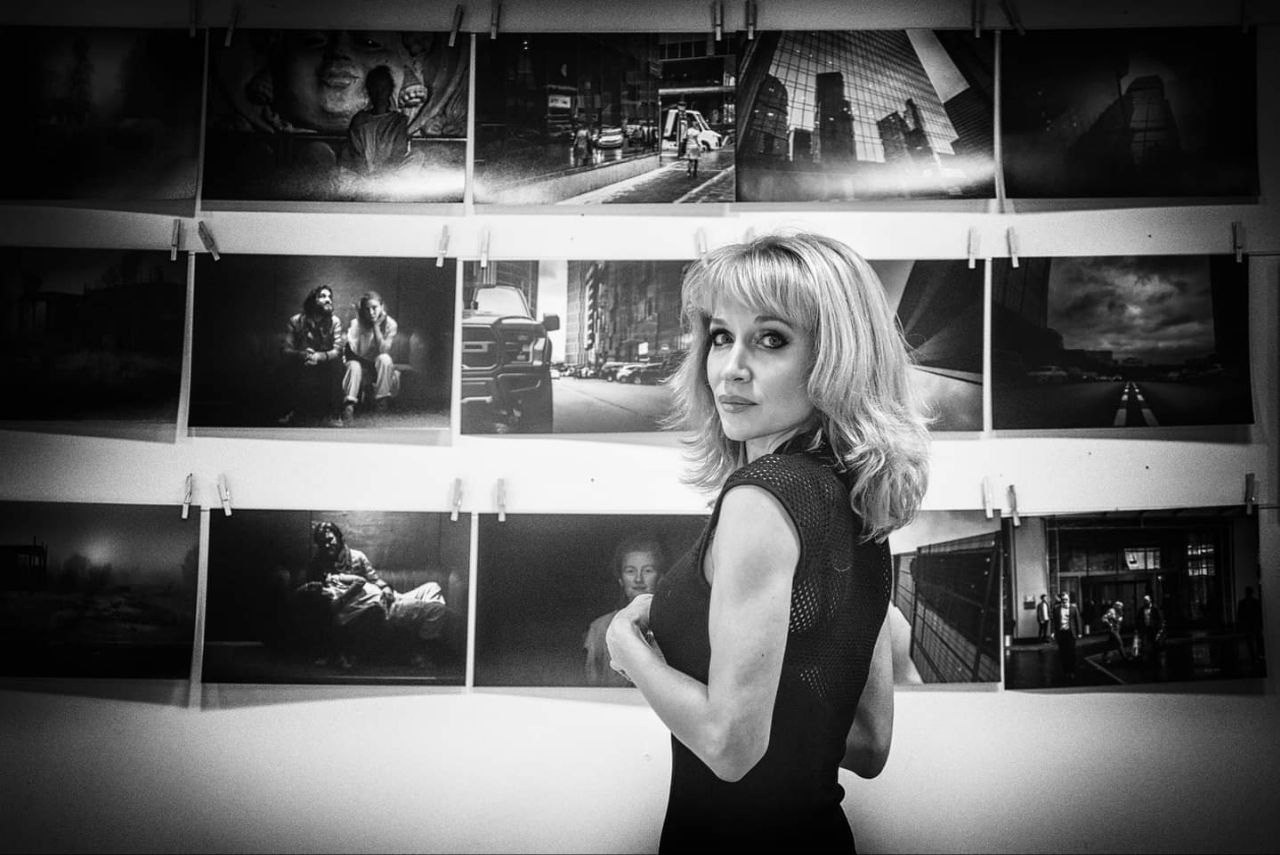
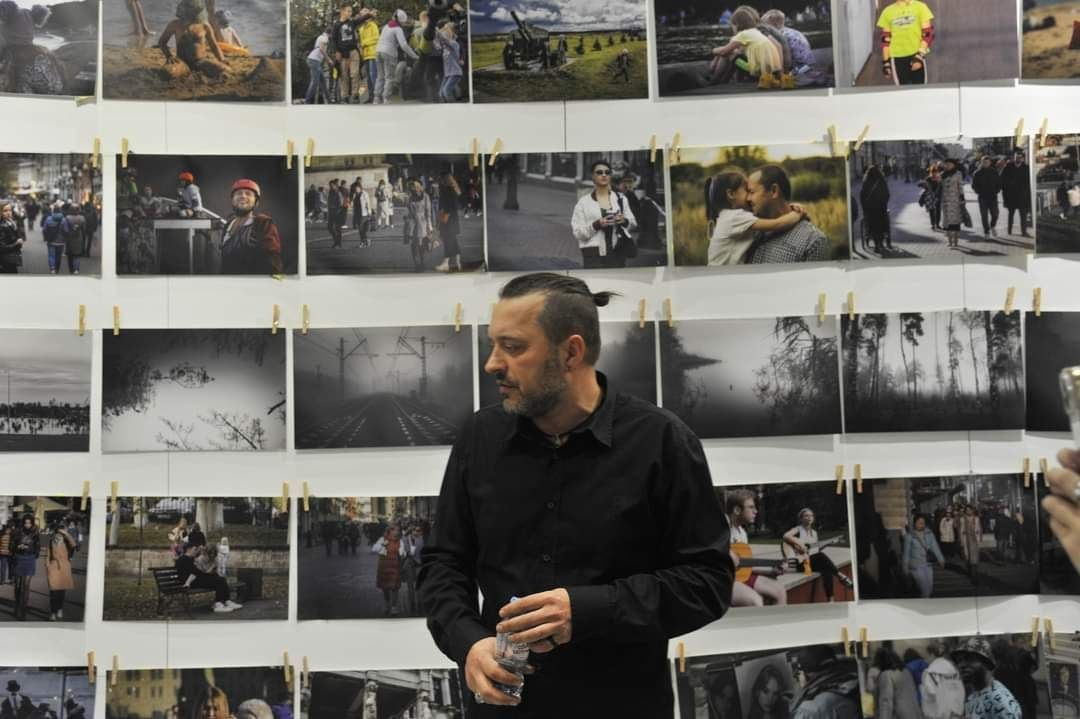
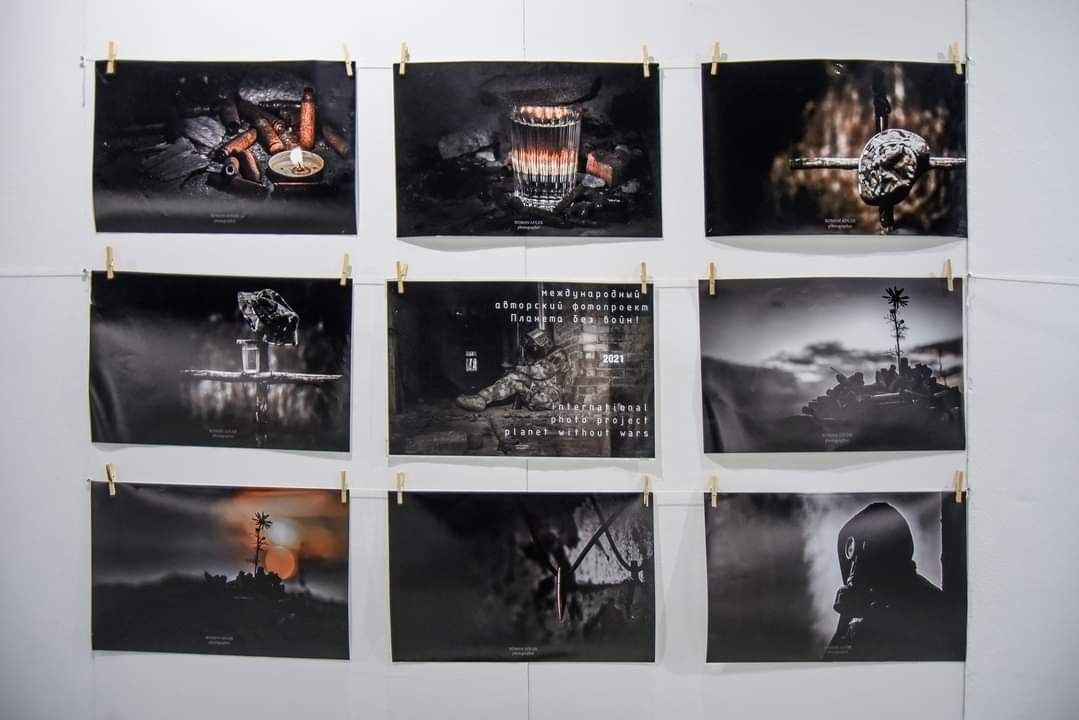
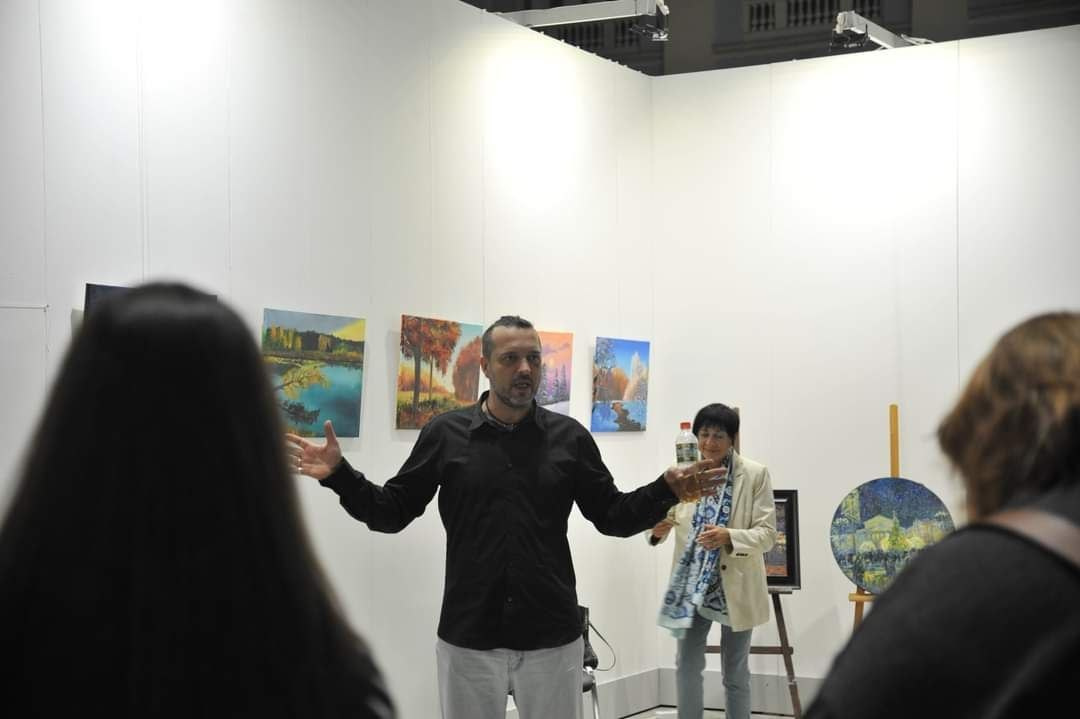
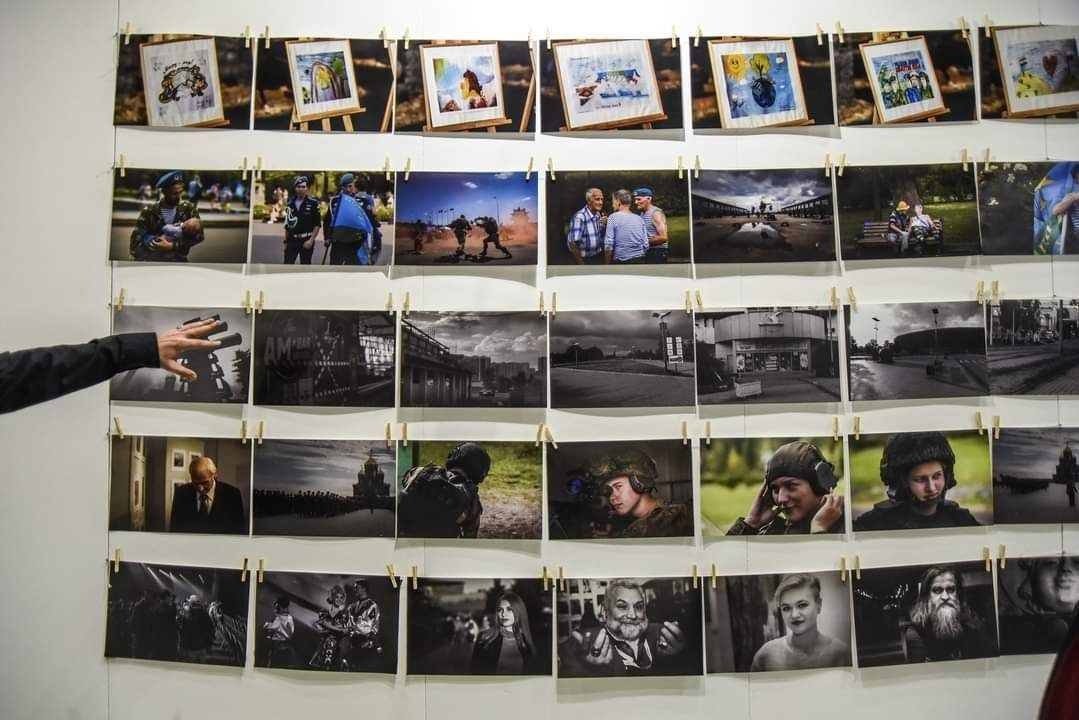
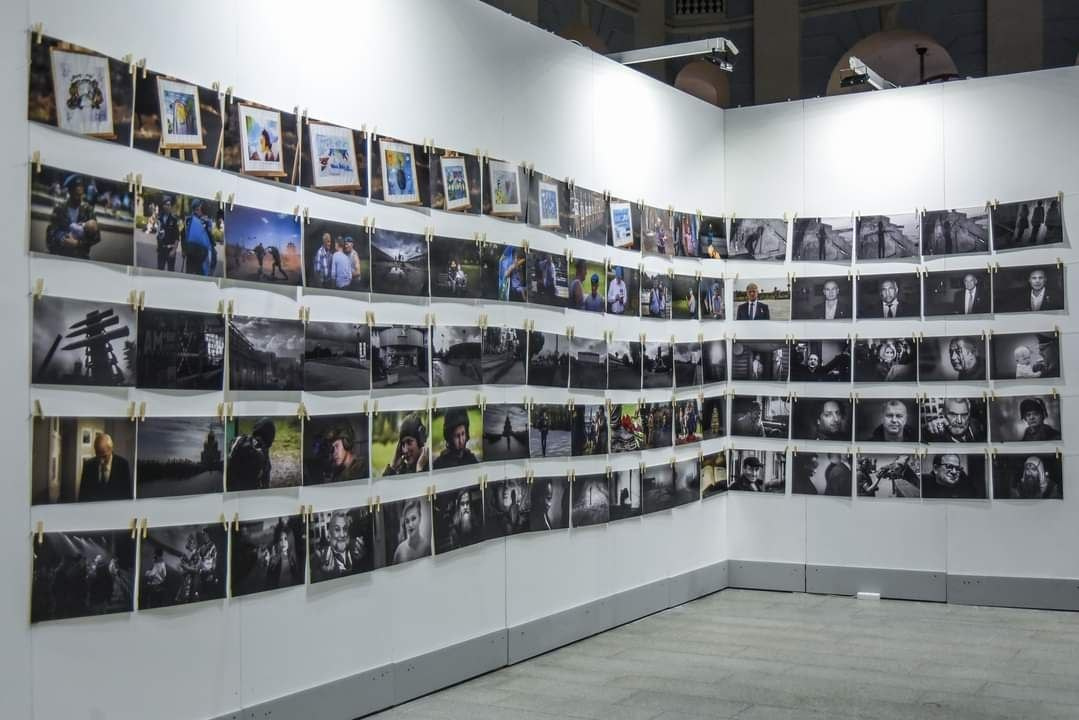
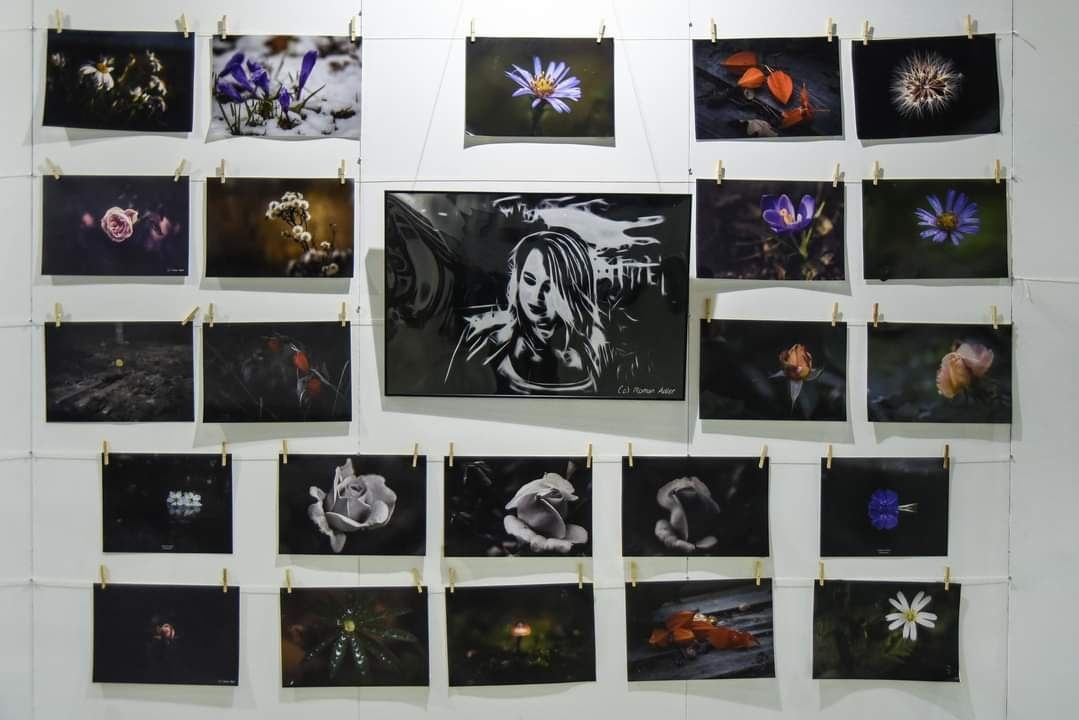
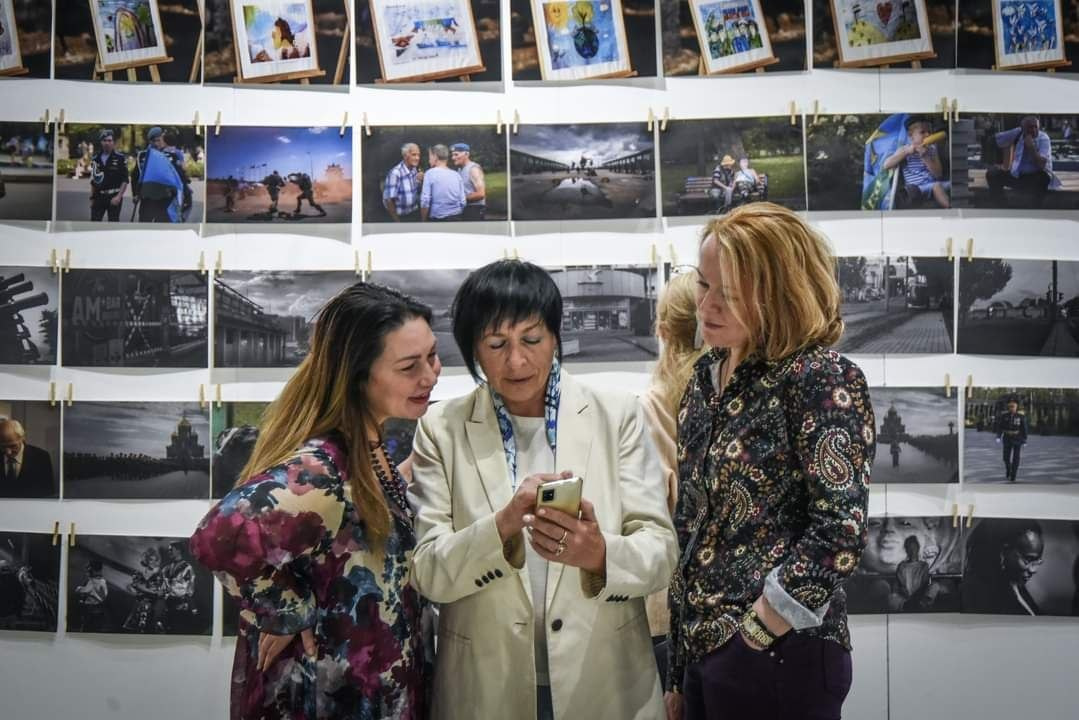
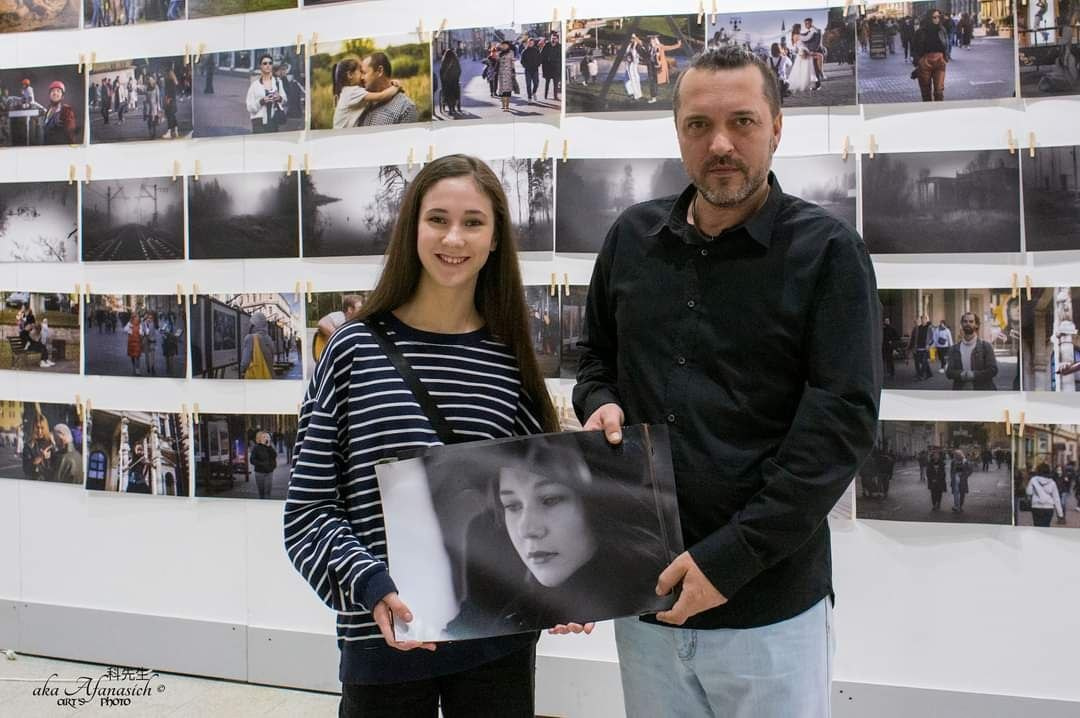


Here is gathered what shaped my perspective. Not as a list of achievements, but as roots. Mine and those of the The Humans v.21 project.


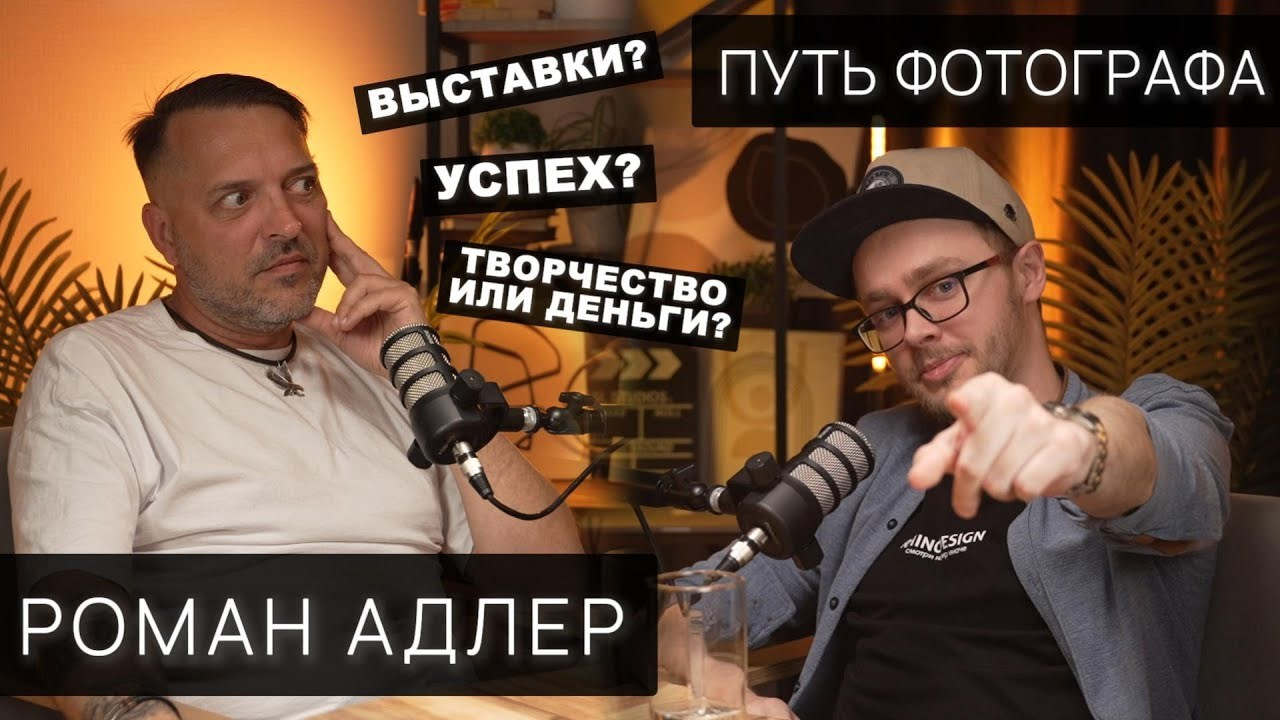
In this interview — without embellishments — about my path from the first experiments to recognition.
- Why does the goal poison the process?
- How not to become a clone of your teachers?
- Why is AI just a tool, not a replacement for vision?
And most importantly: why your photographs should live on paper, not drown in digital noise.
[▶ Watch the podcast: The Photographer’s Path (52 min)]