


The Bruce Lee Ancestral Home: Where the Legend Began and Water Was Born
Shunde, Shangcun Village
“Empty your mind. Be formless, shapeless, like water. You put water into a cup, it becomes the cup. You put water into a bottle, it becomes the bottle. Water can flow, or it can crash. Be water, my friend.”
— Bruce Lee
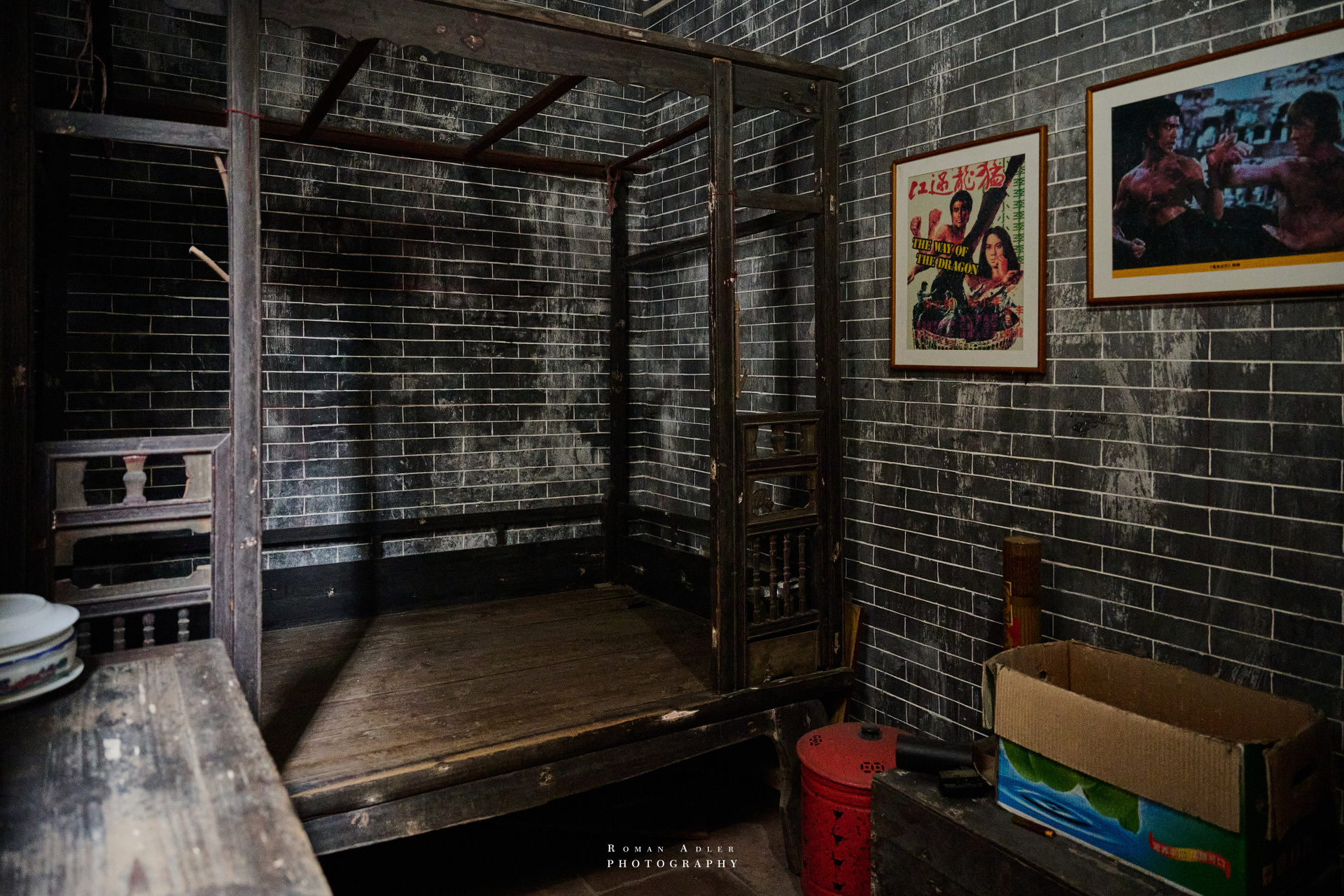
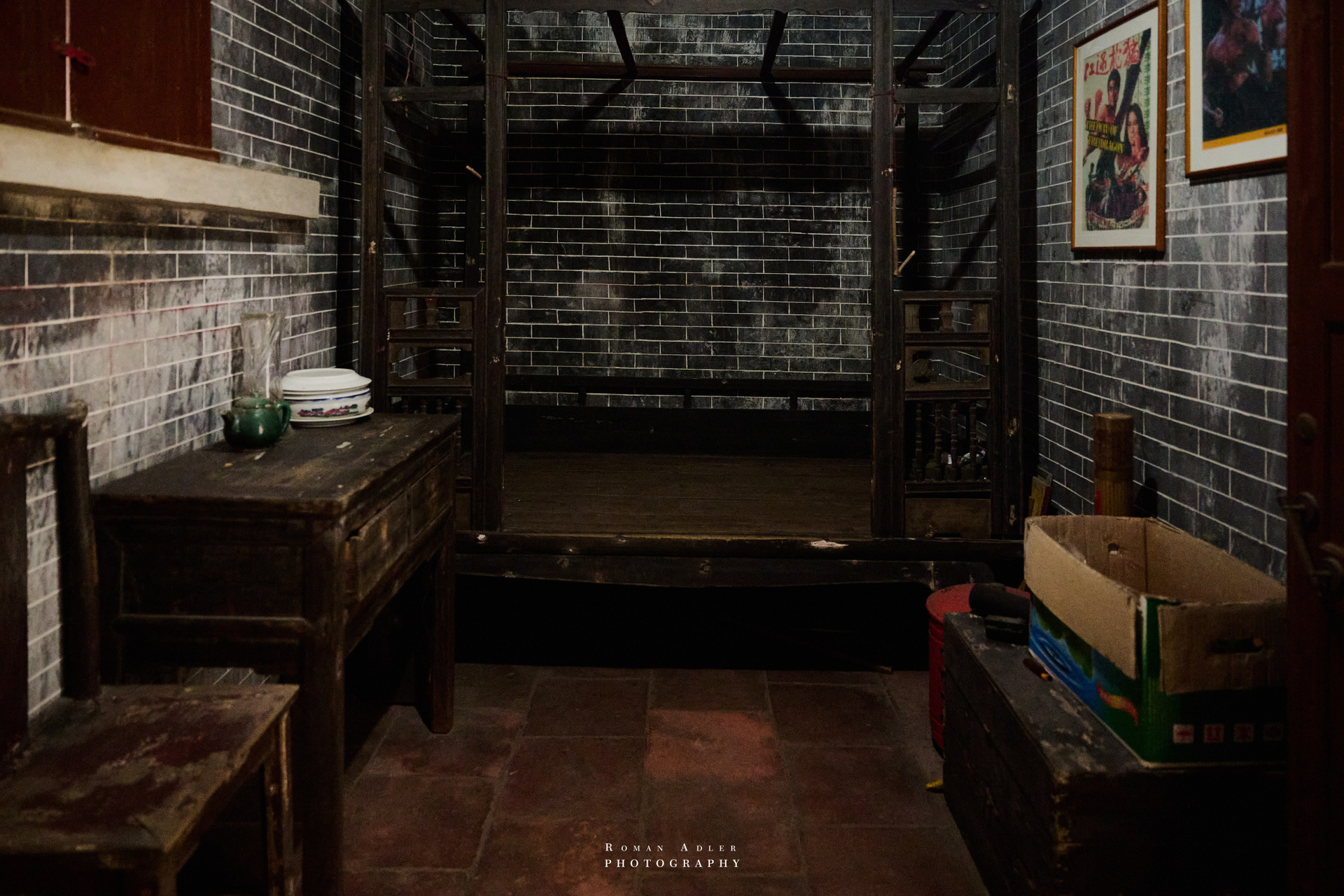
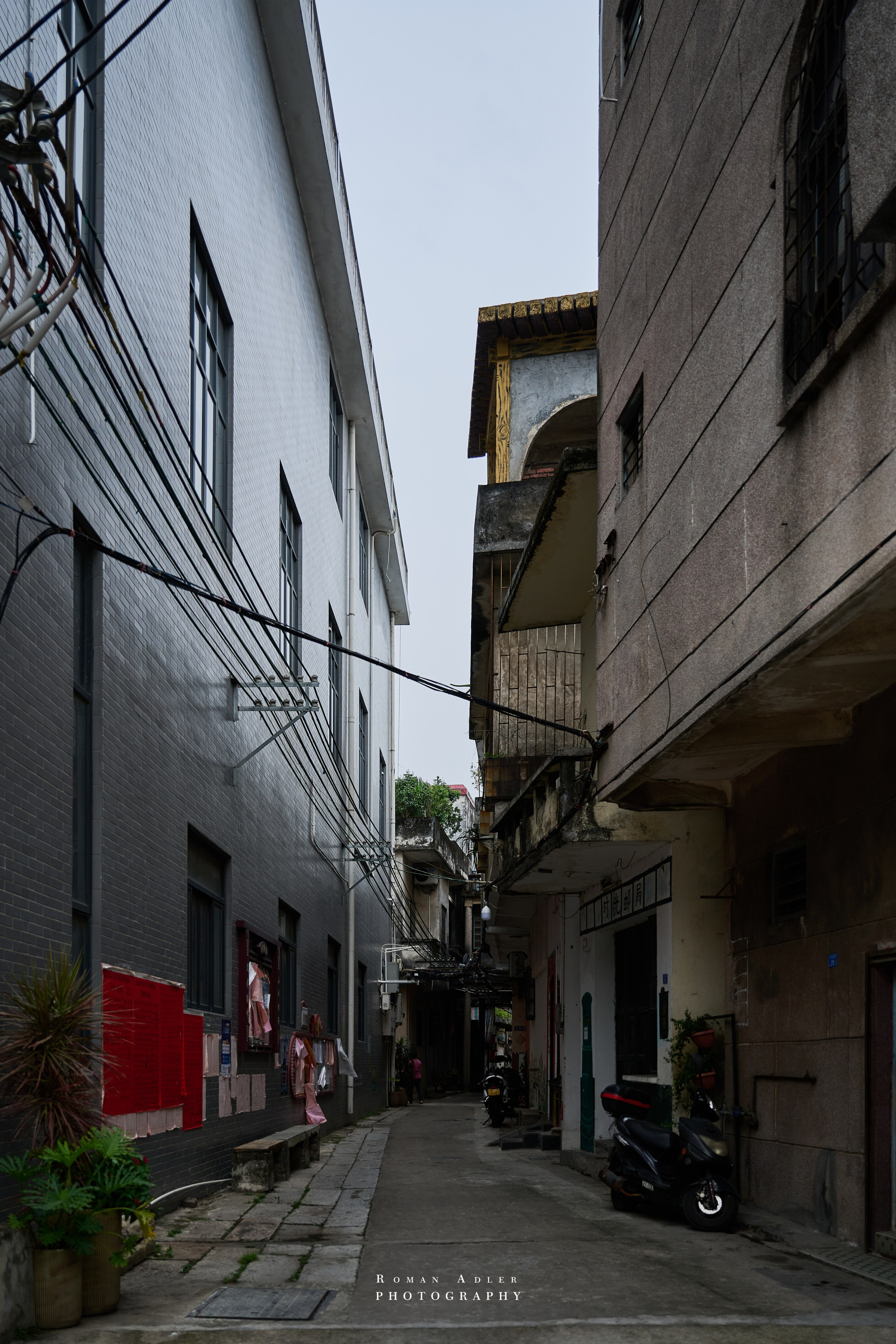
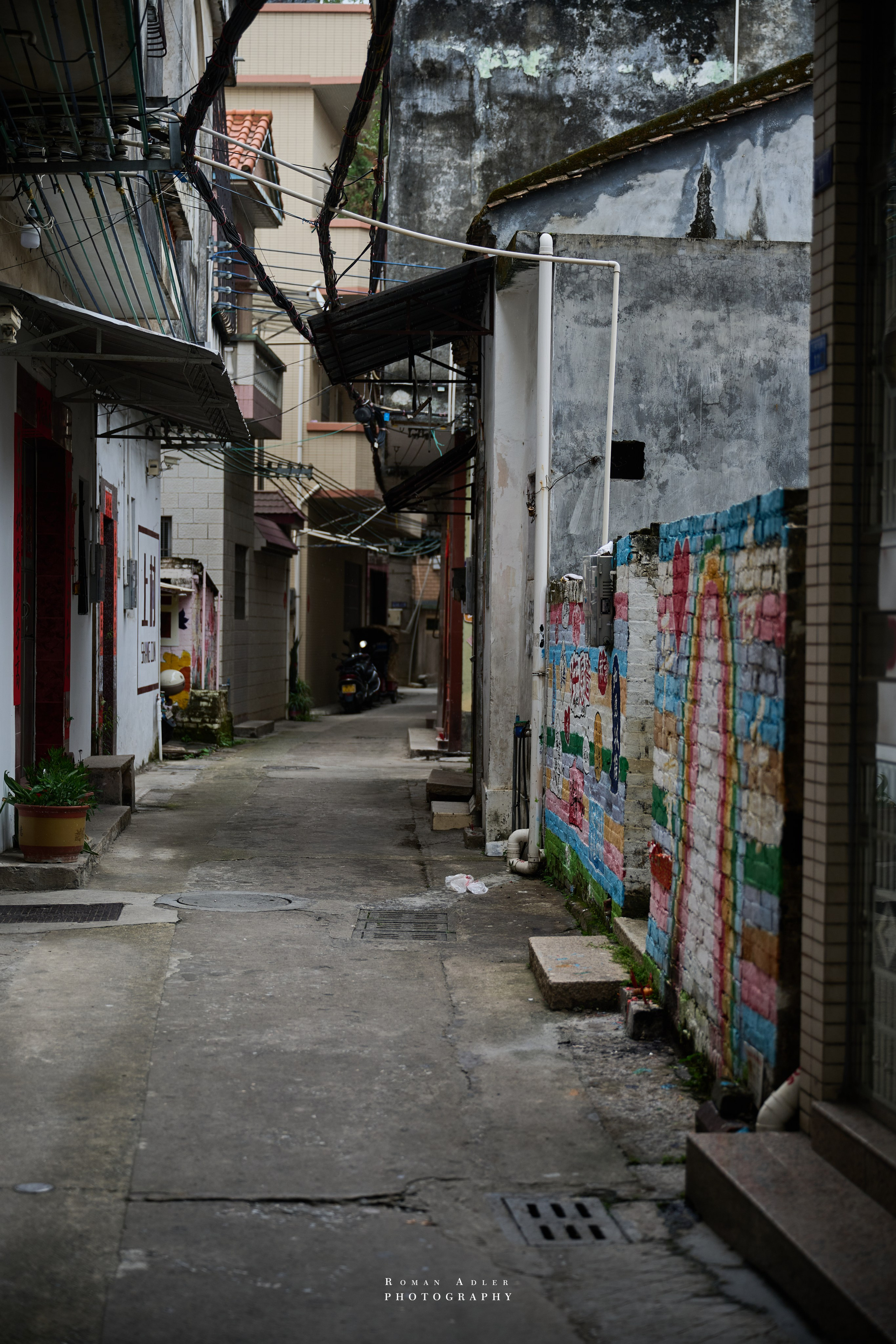
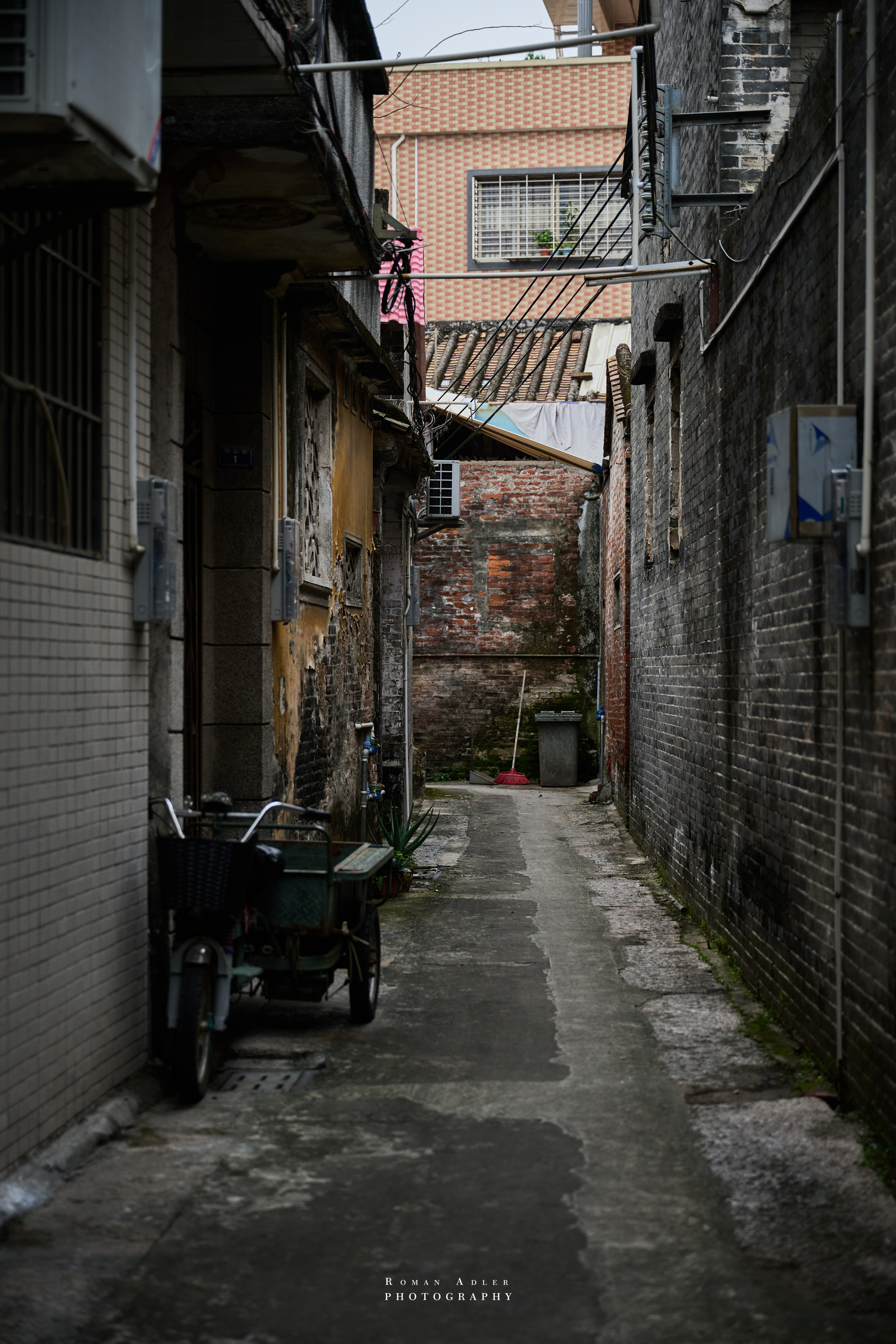
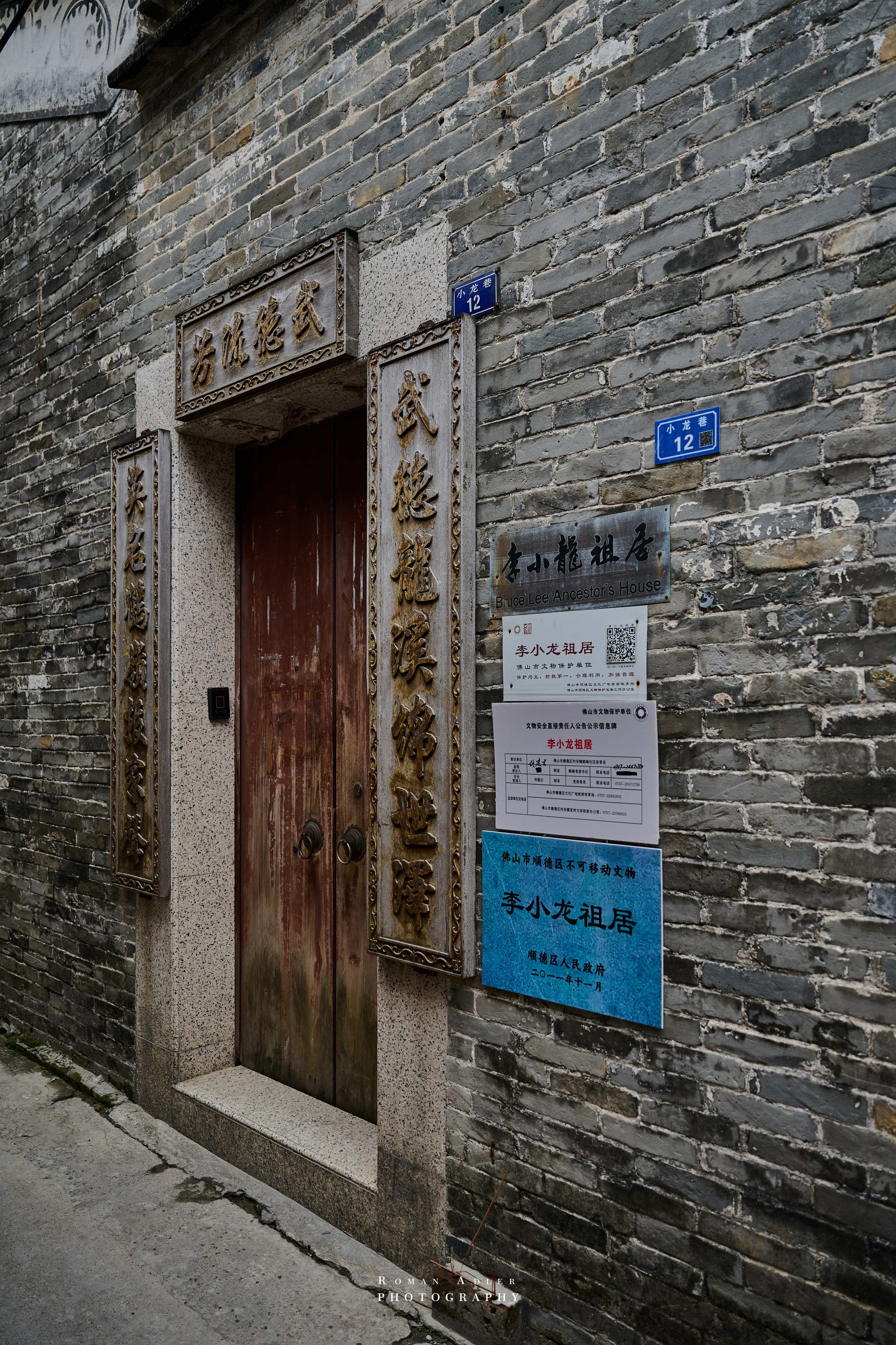
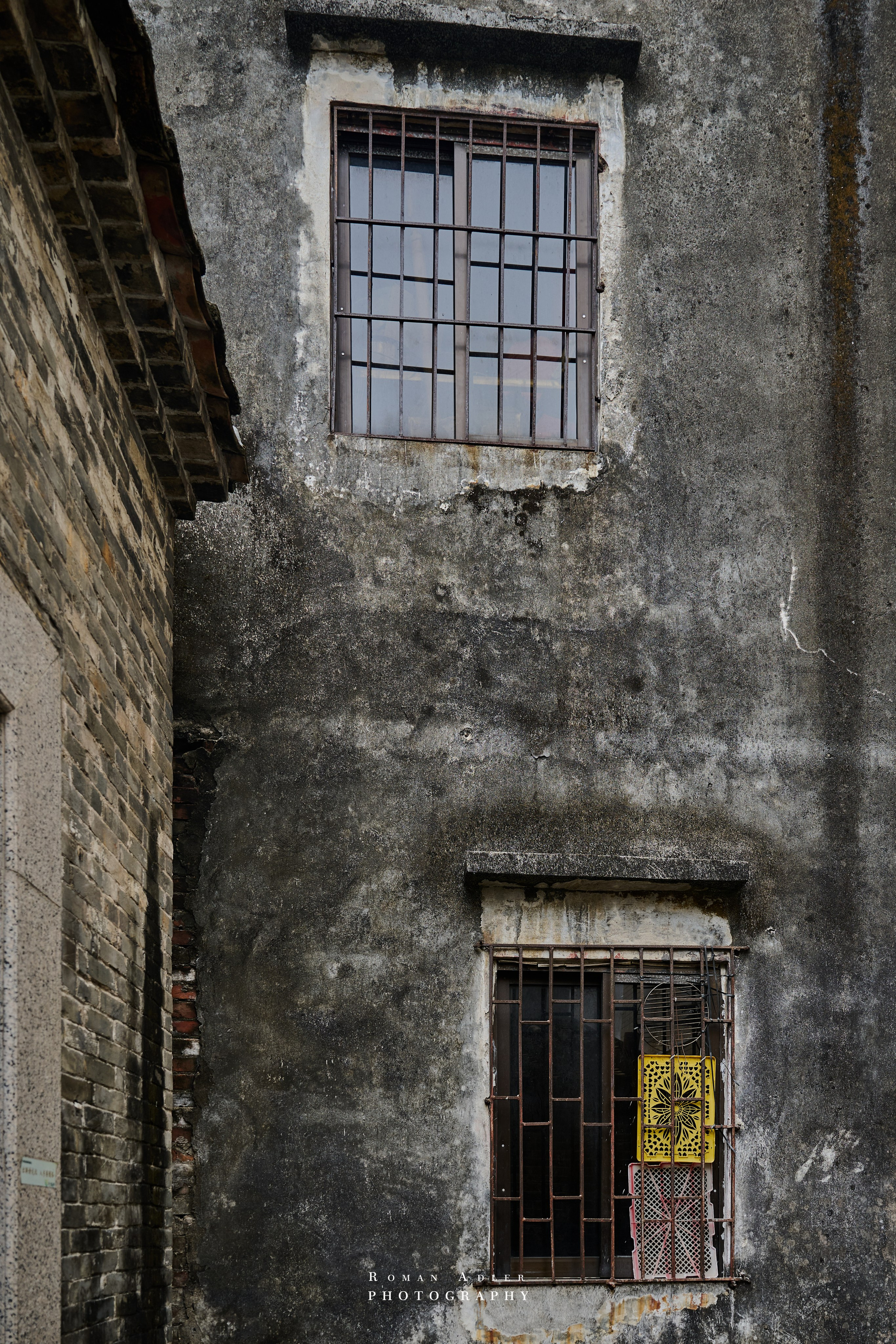
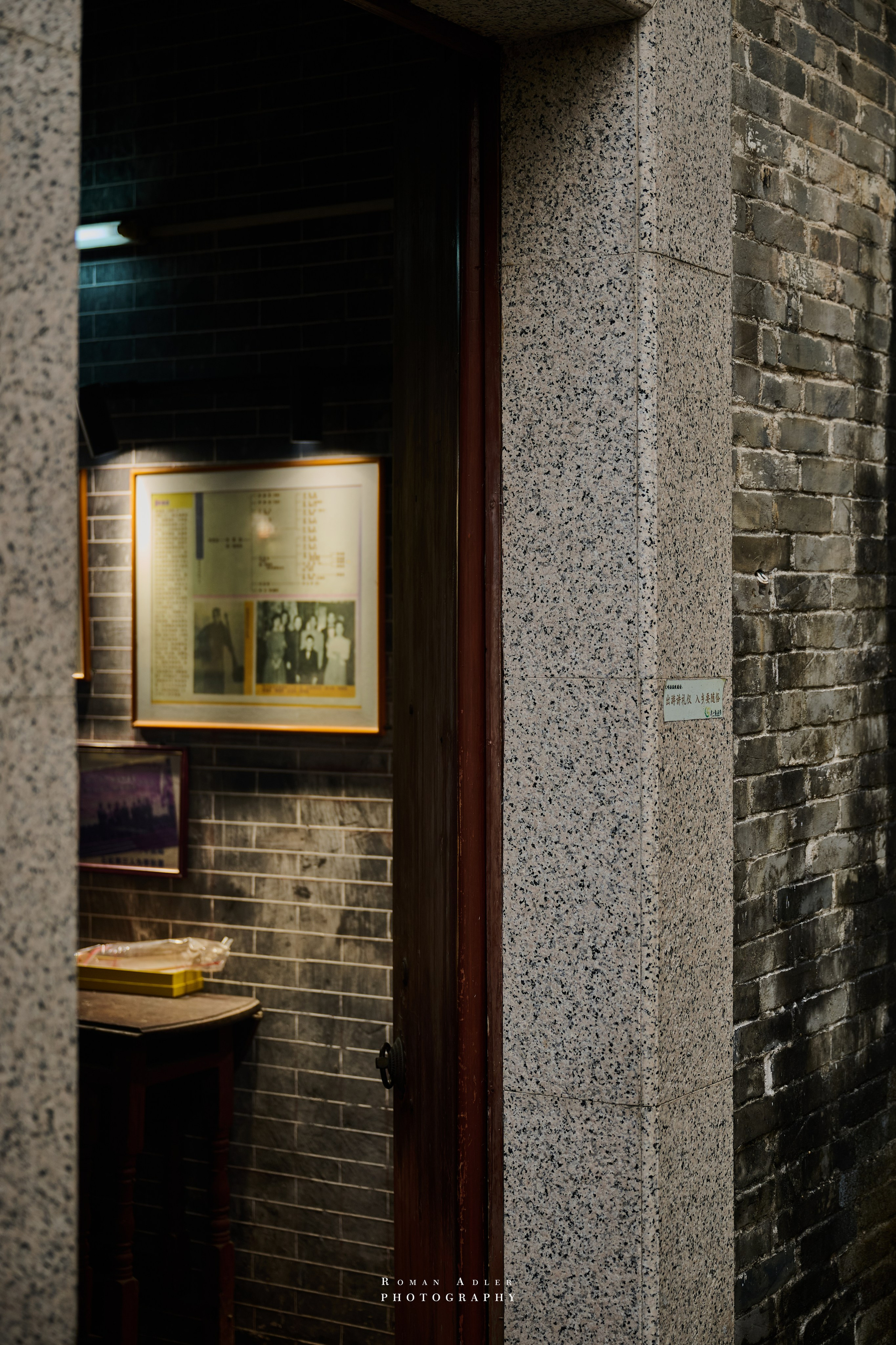
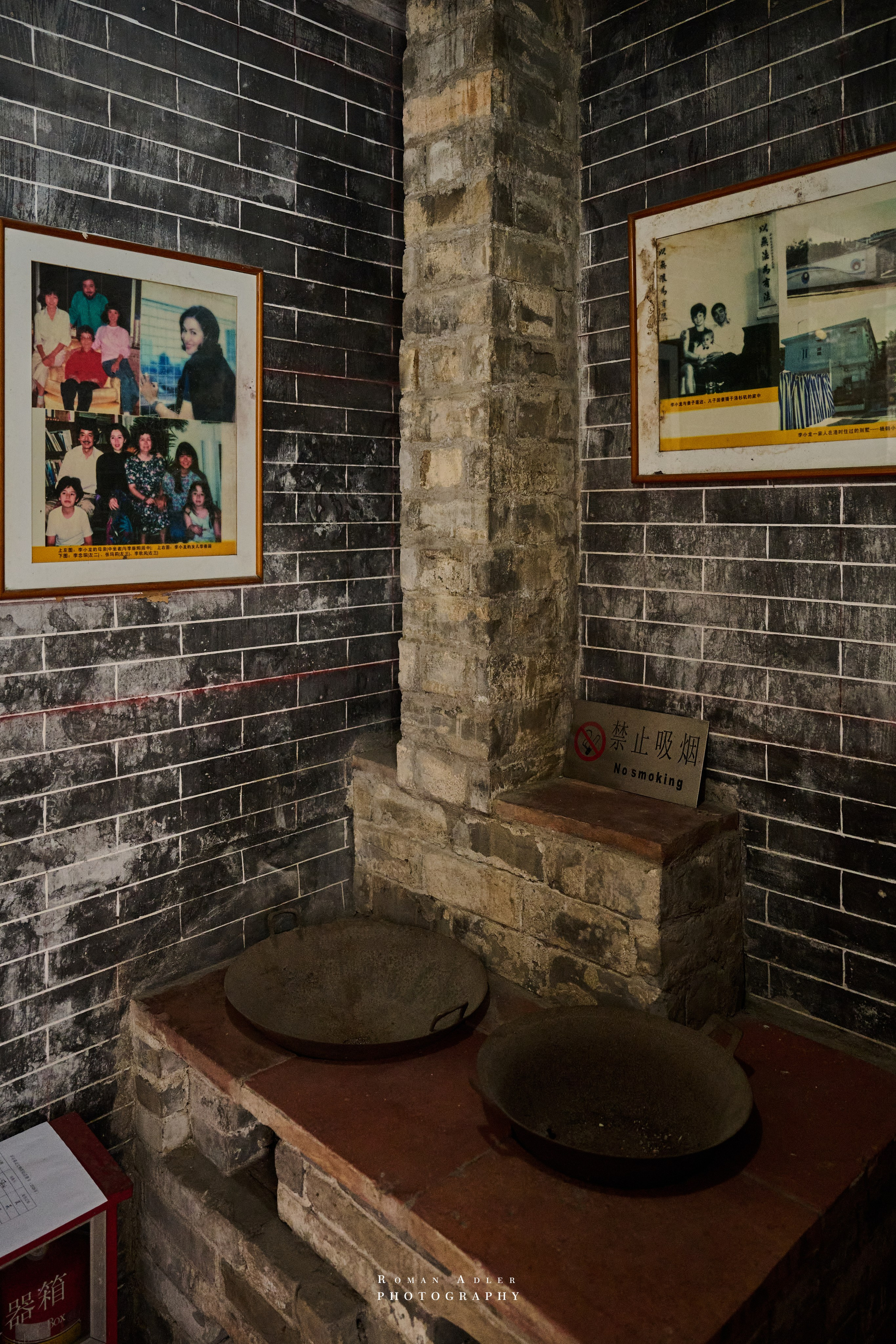
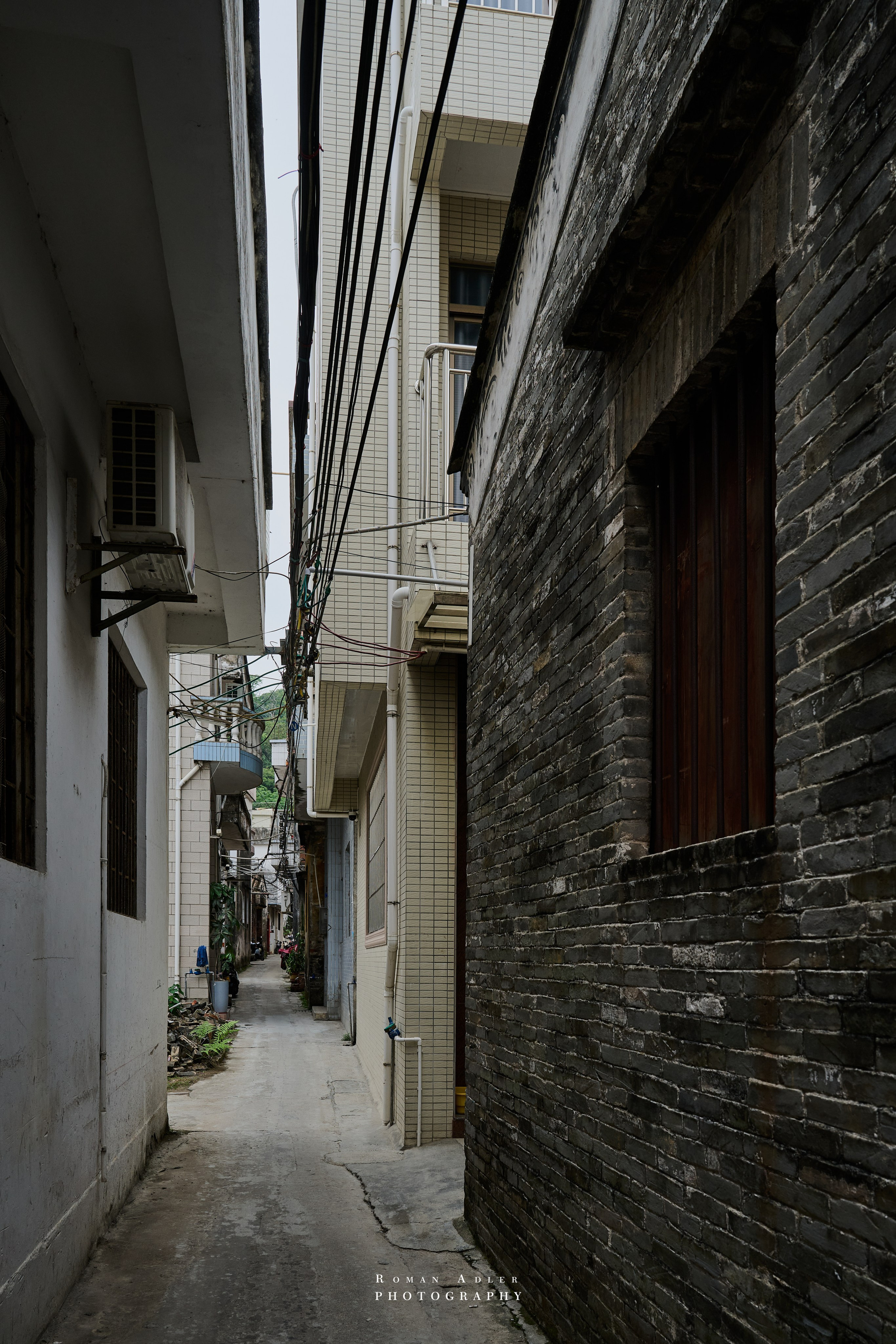
In Shunde District, in Shangcun Village, stands a small house. The area is just 51.8 square meters. One room, a living room, a kitchen, and an inner courtyard. Bruce Lee’s father and grandfather lived here. Here began the story of a man who became a symbol of freedom and movement.
I stand by this house and think not of the legend. I think about the fact that a legend does not begin with fame. It begins with a source.
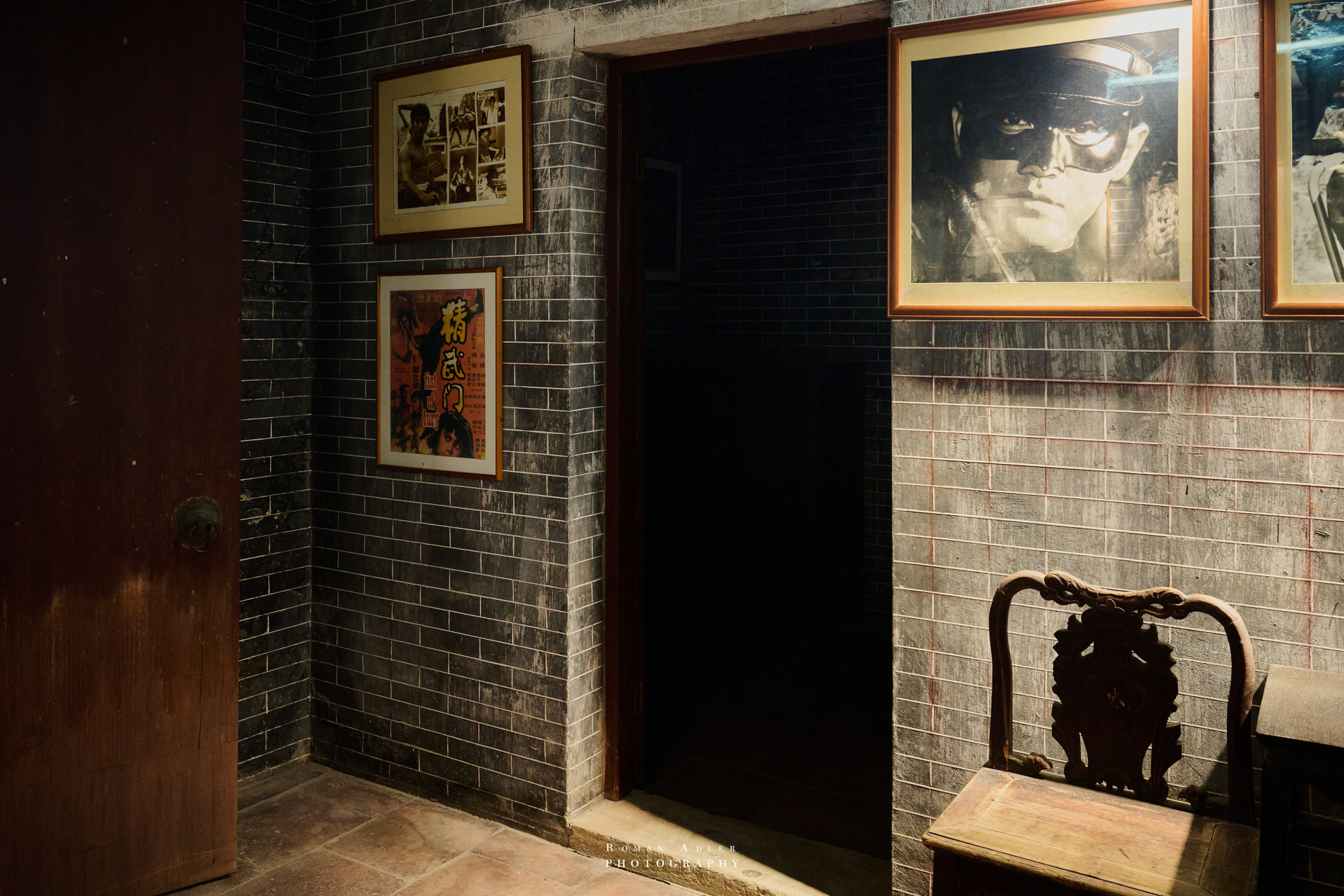
The House That Remembers
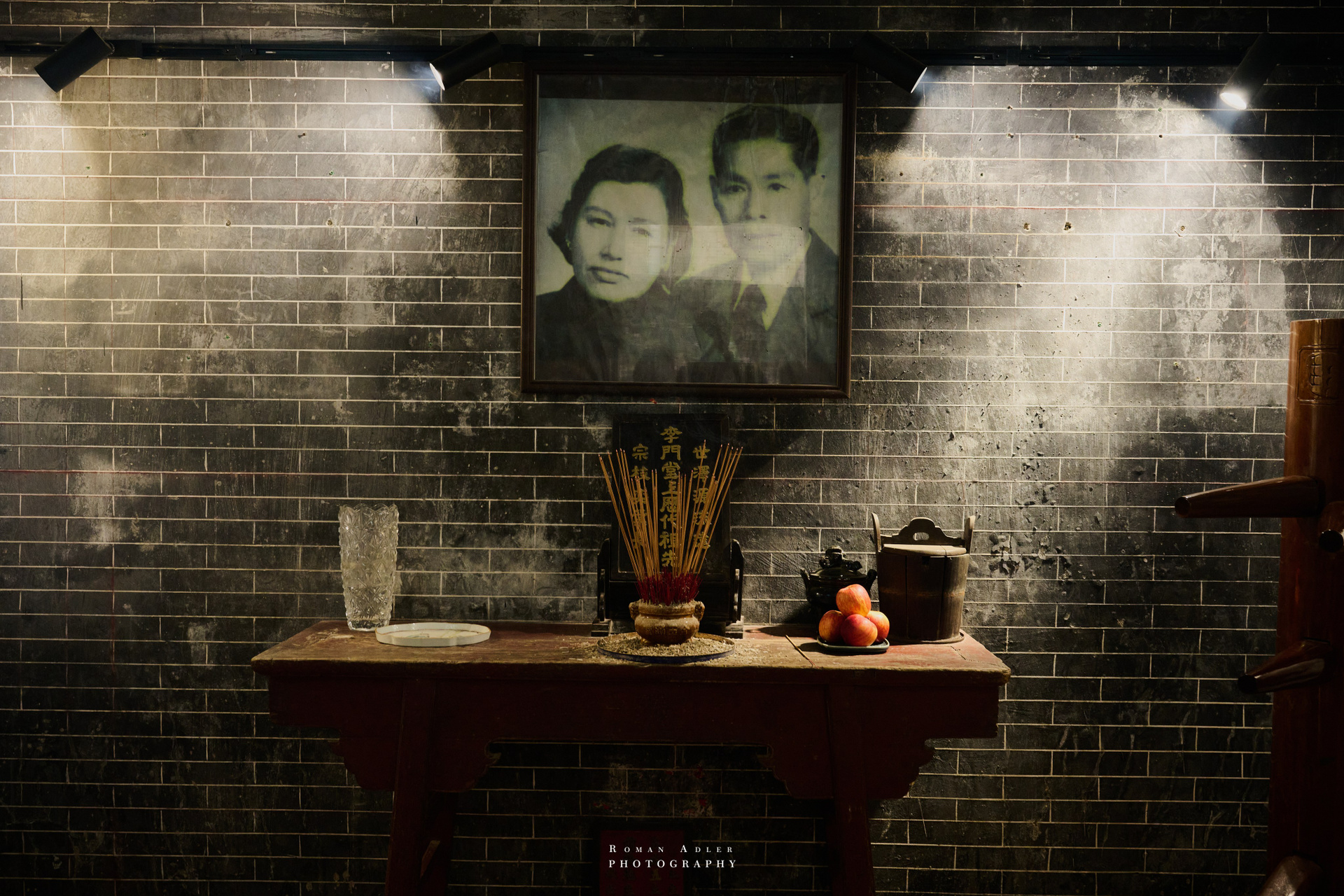
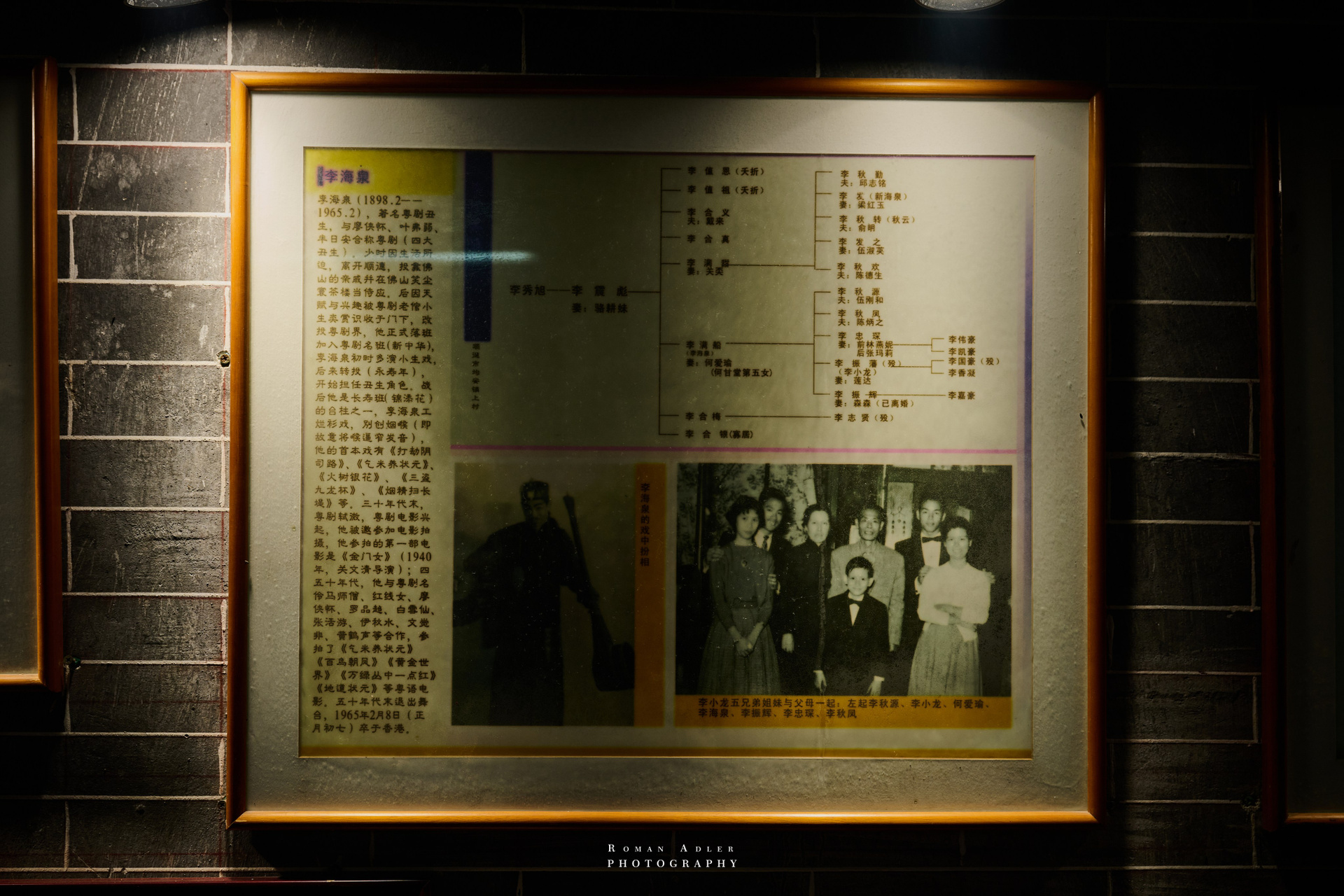
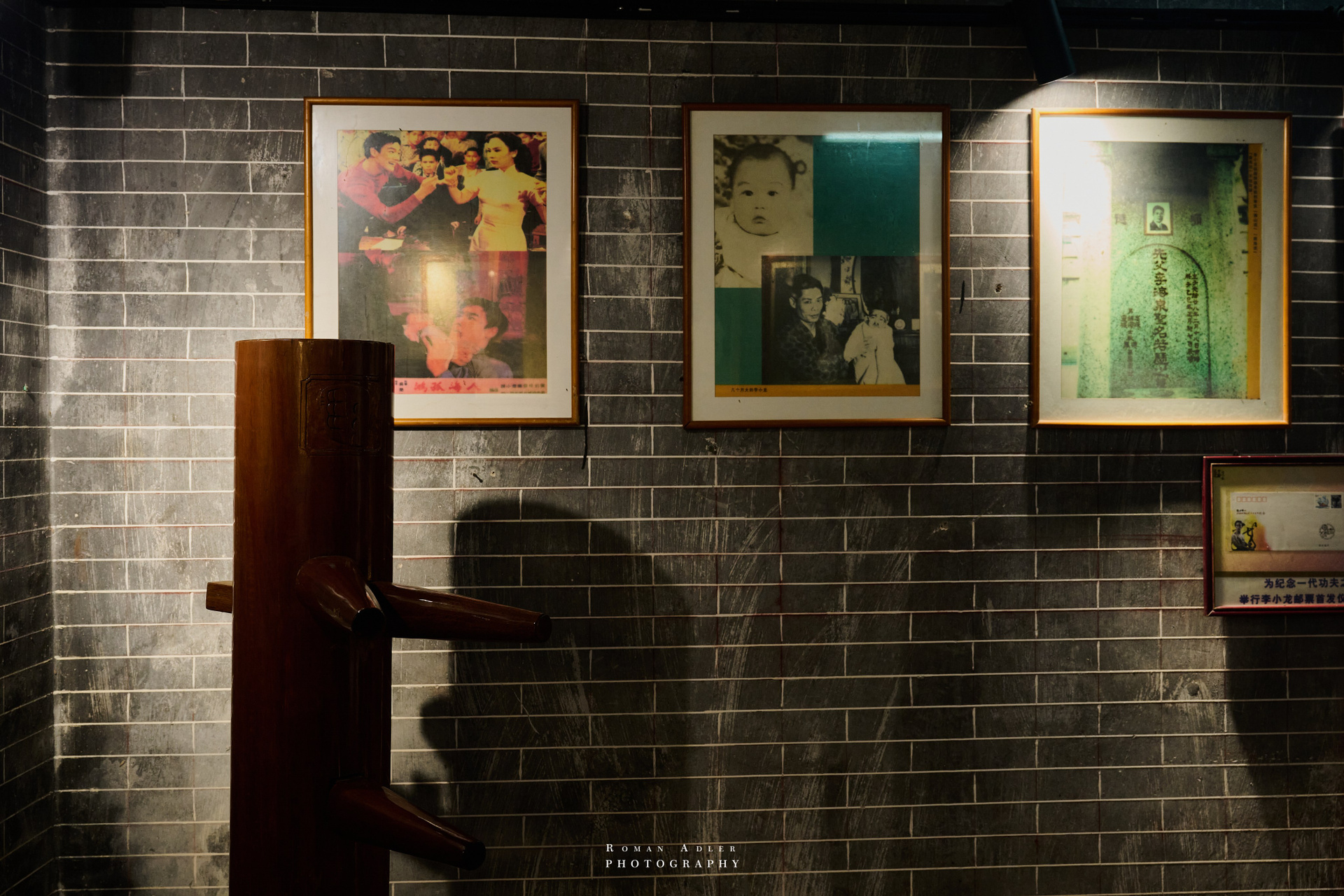
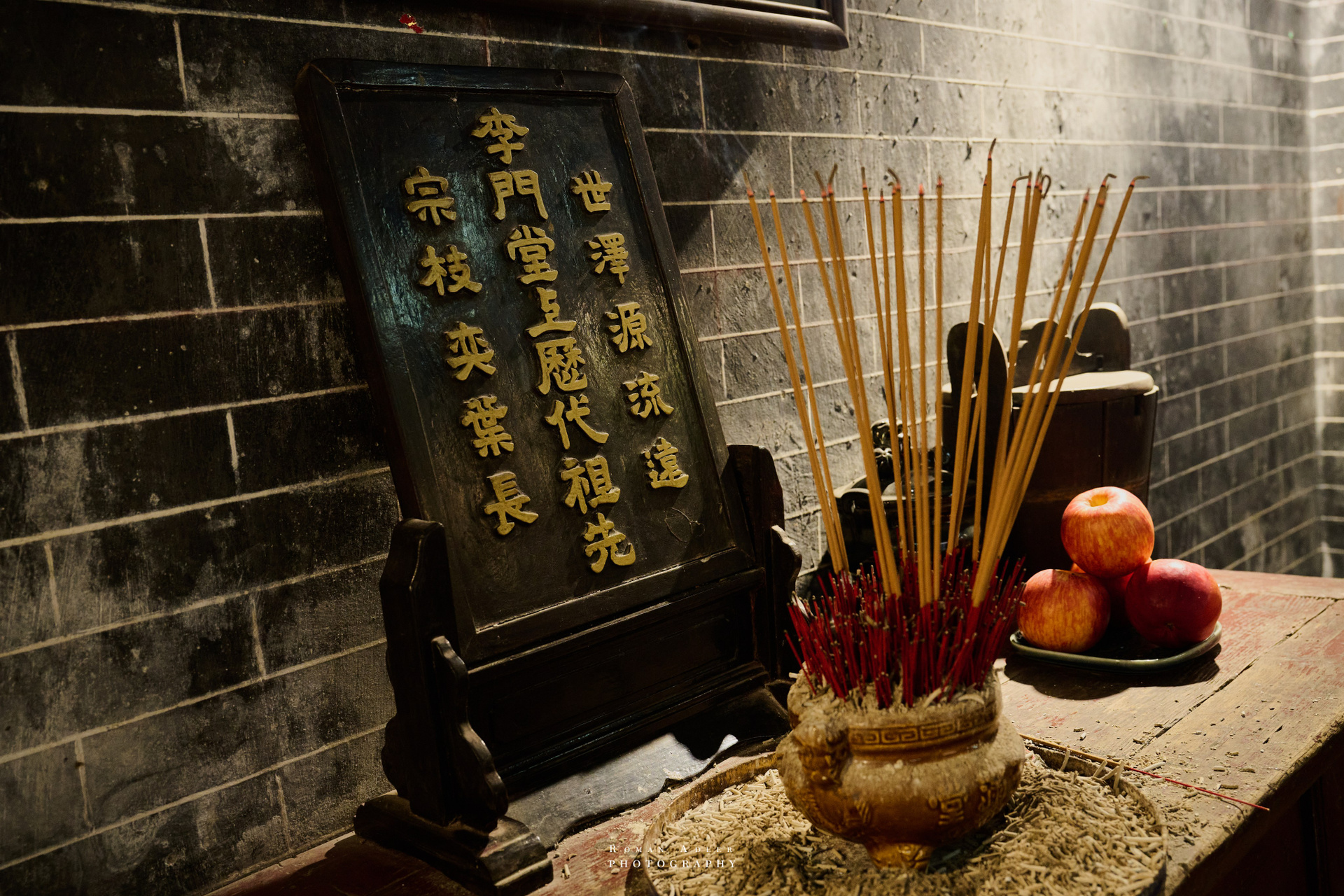
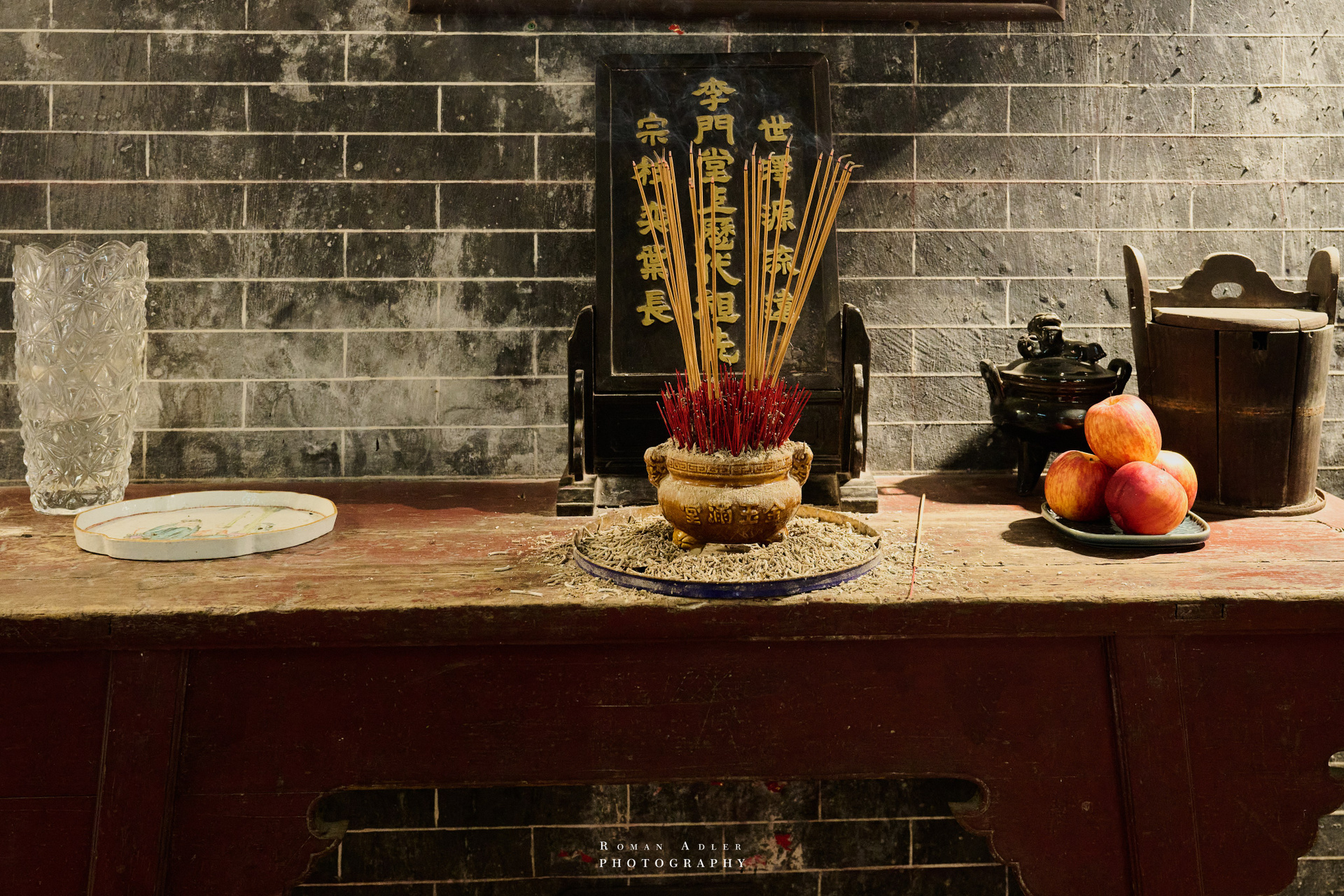
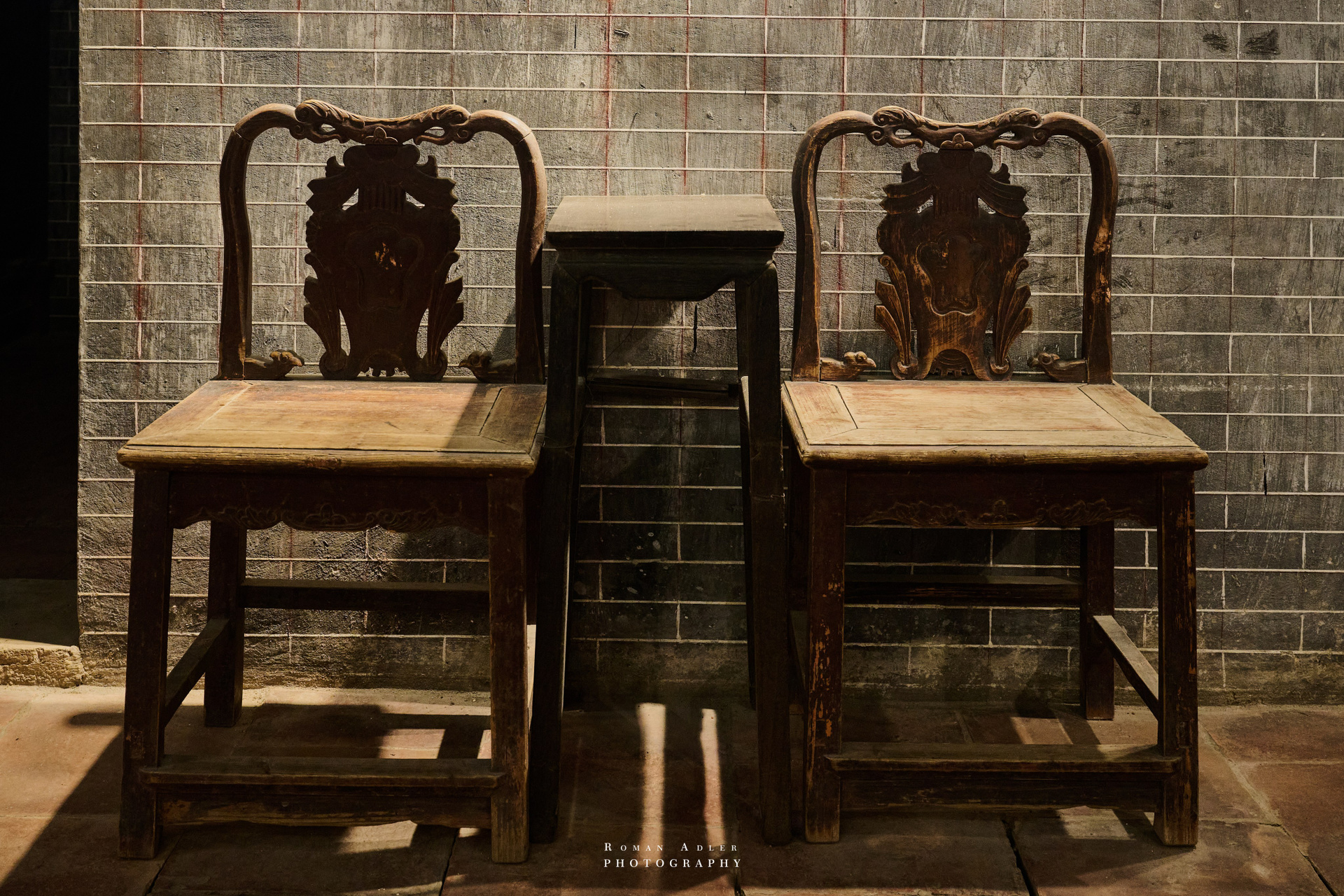
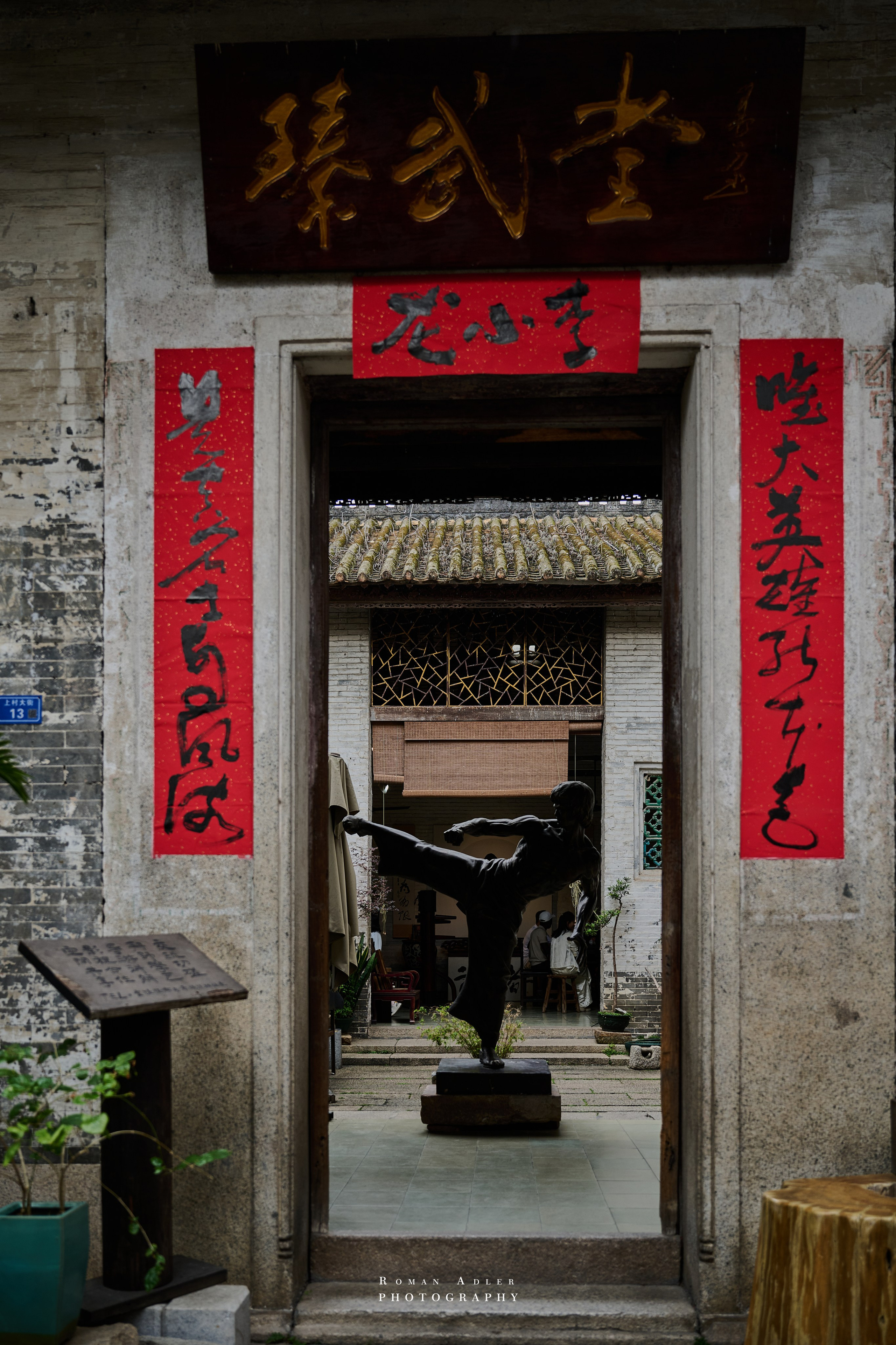
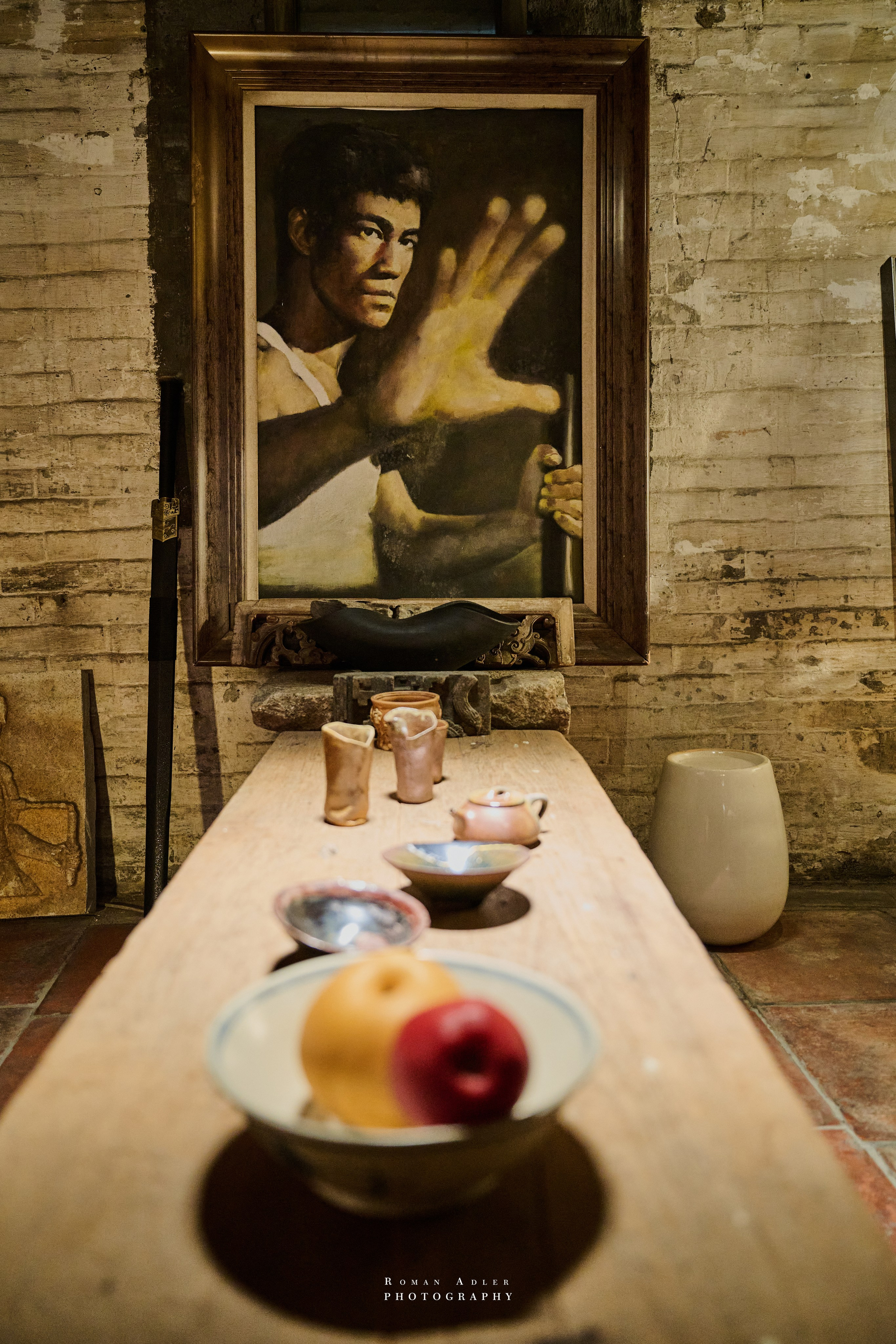
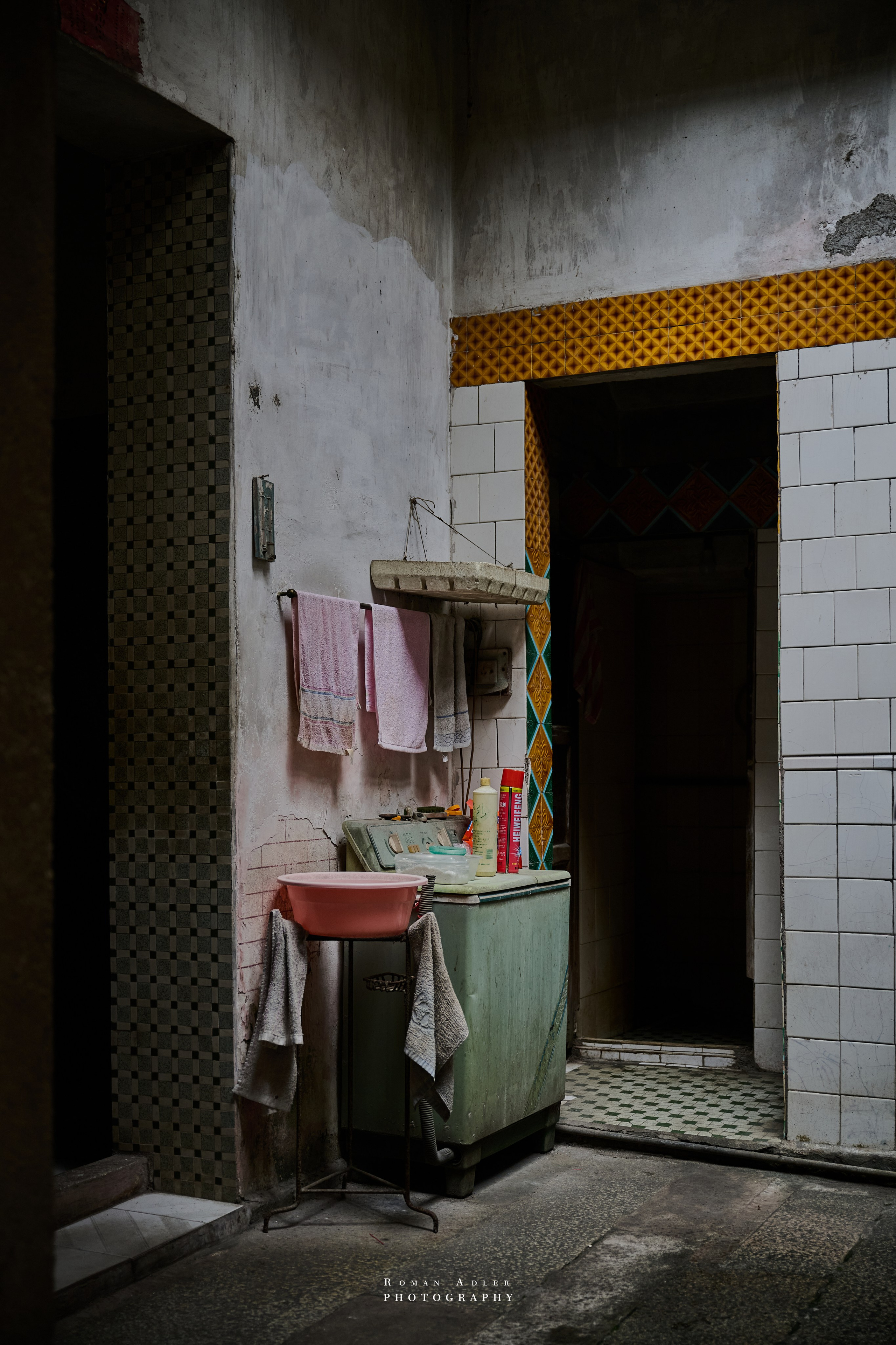
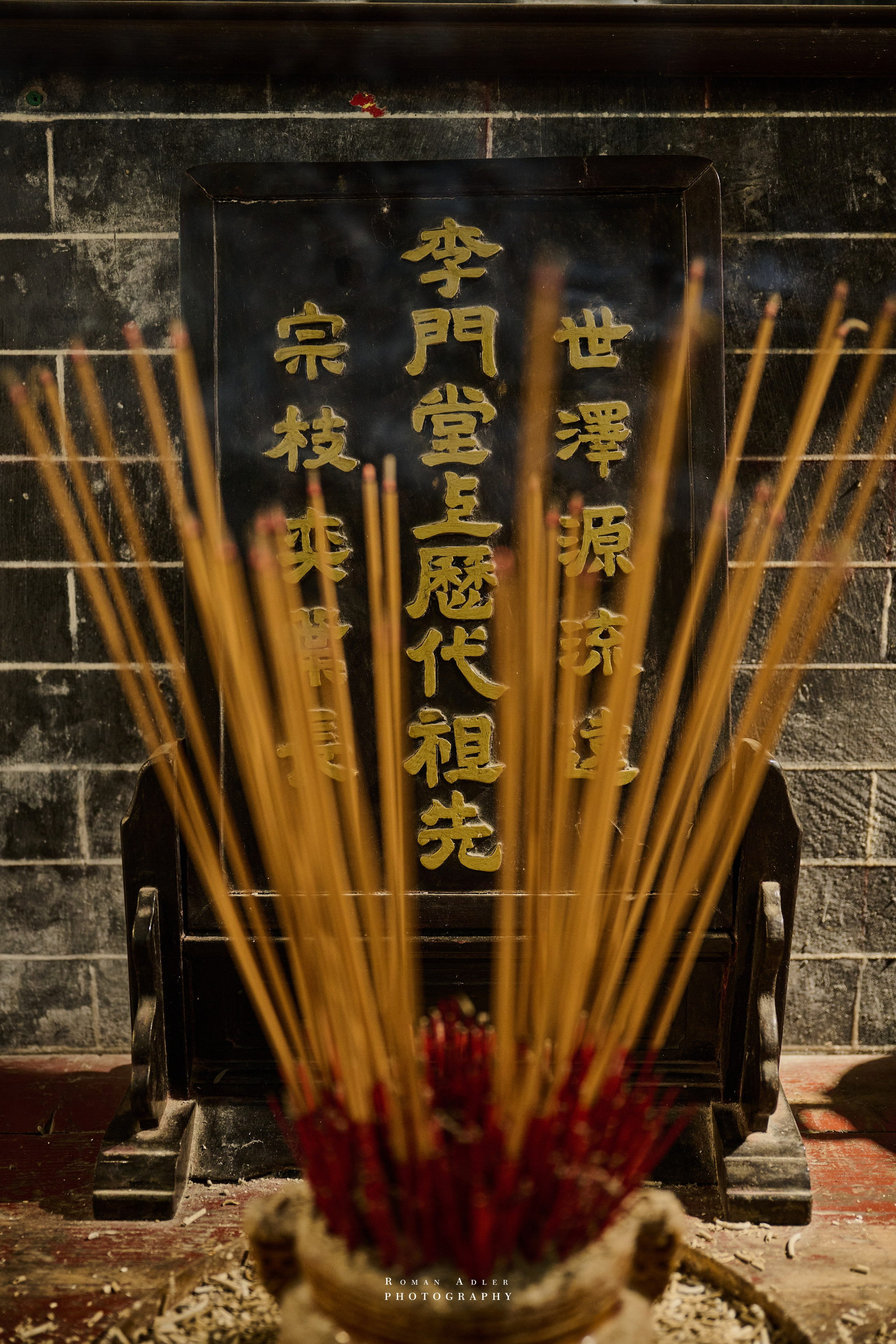
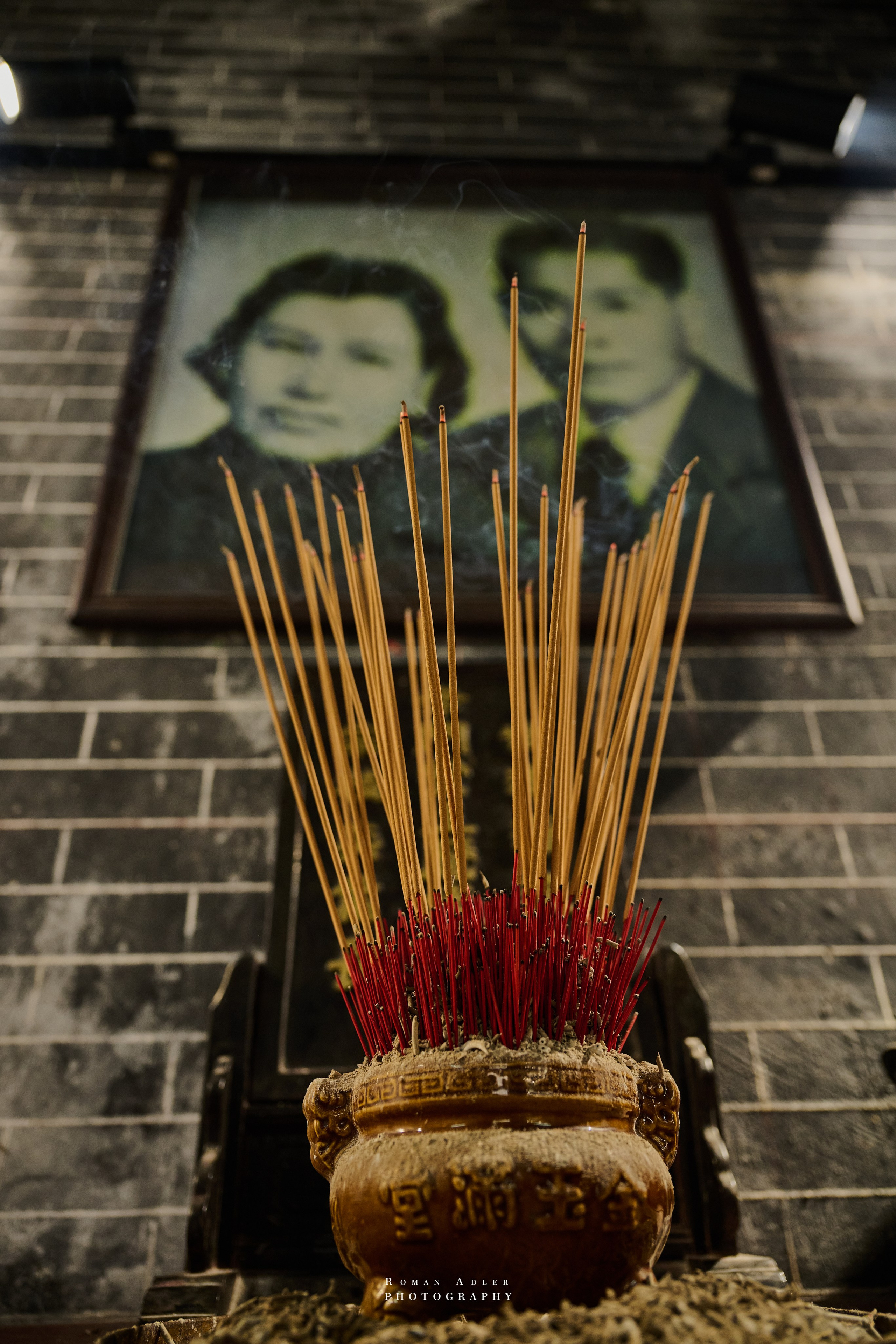
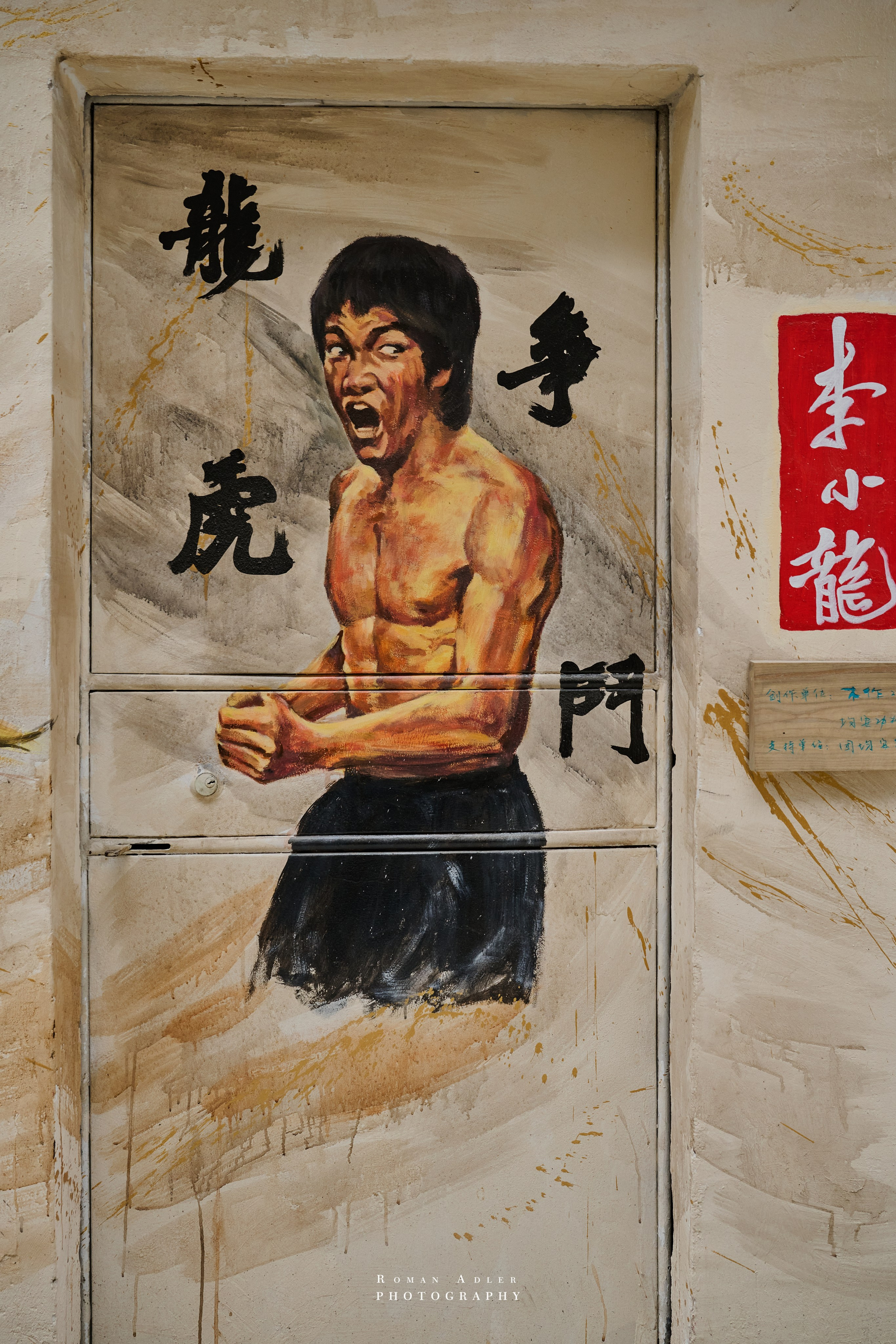
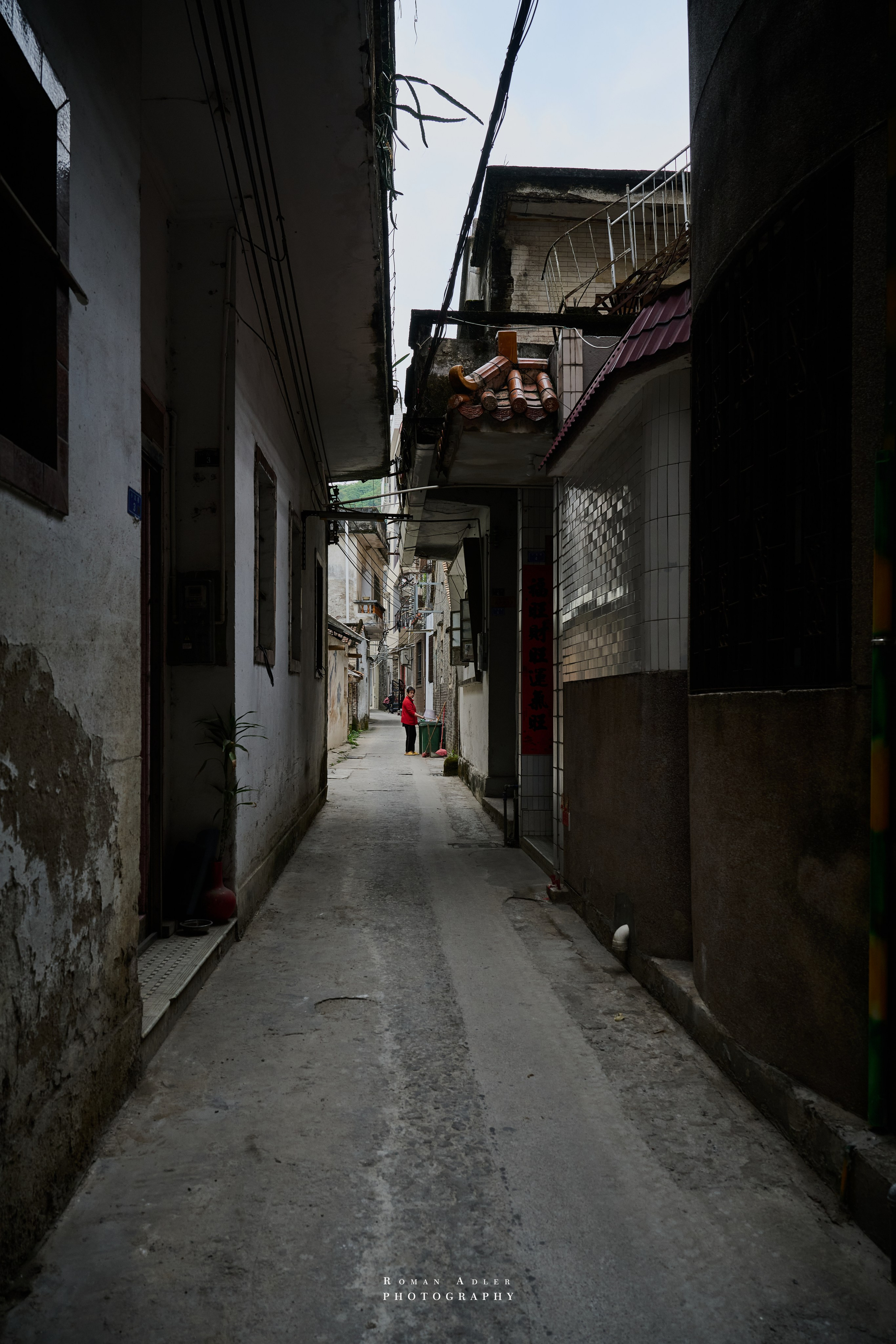
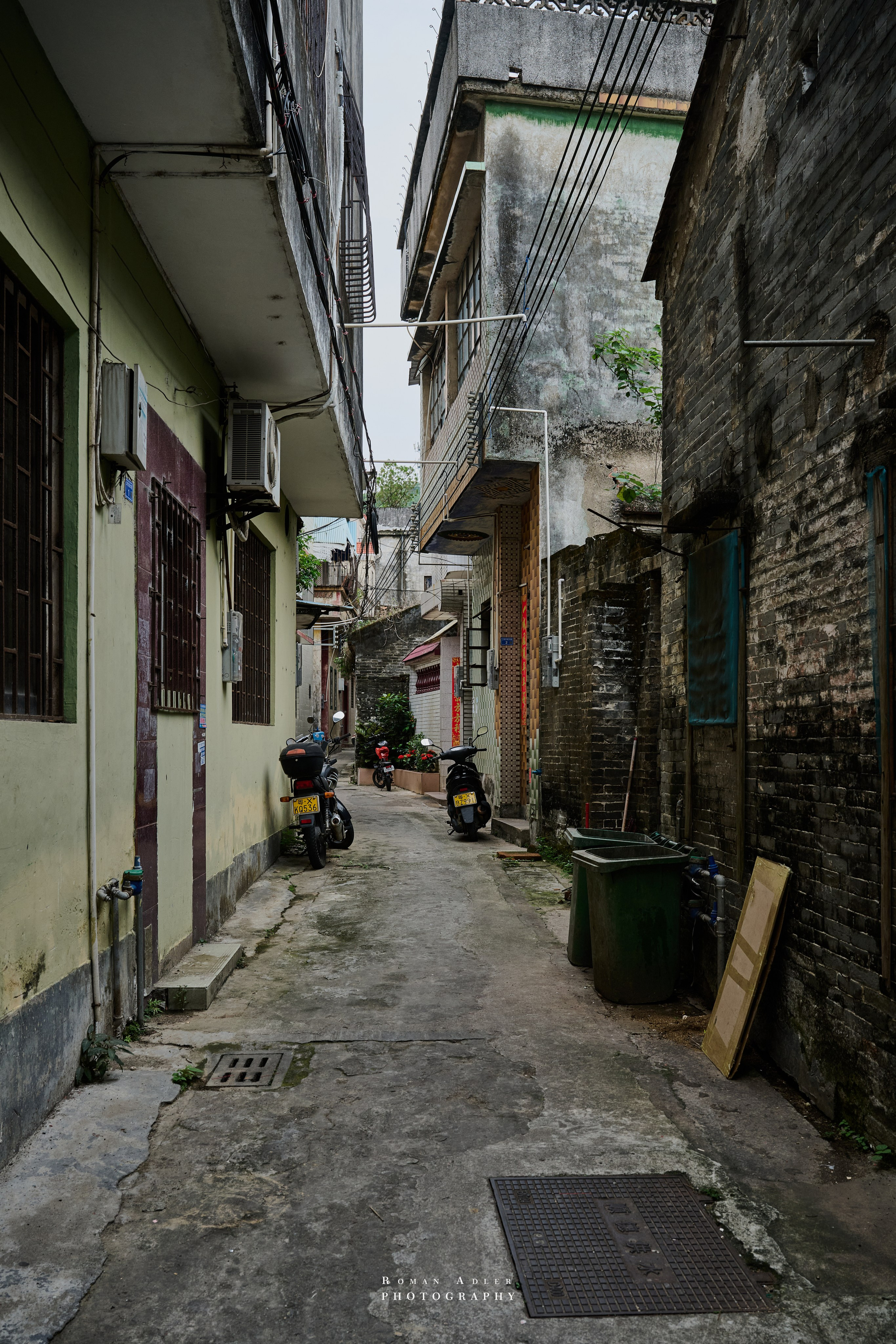
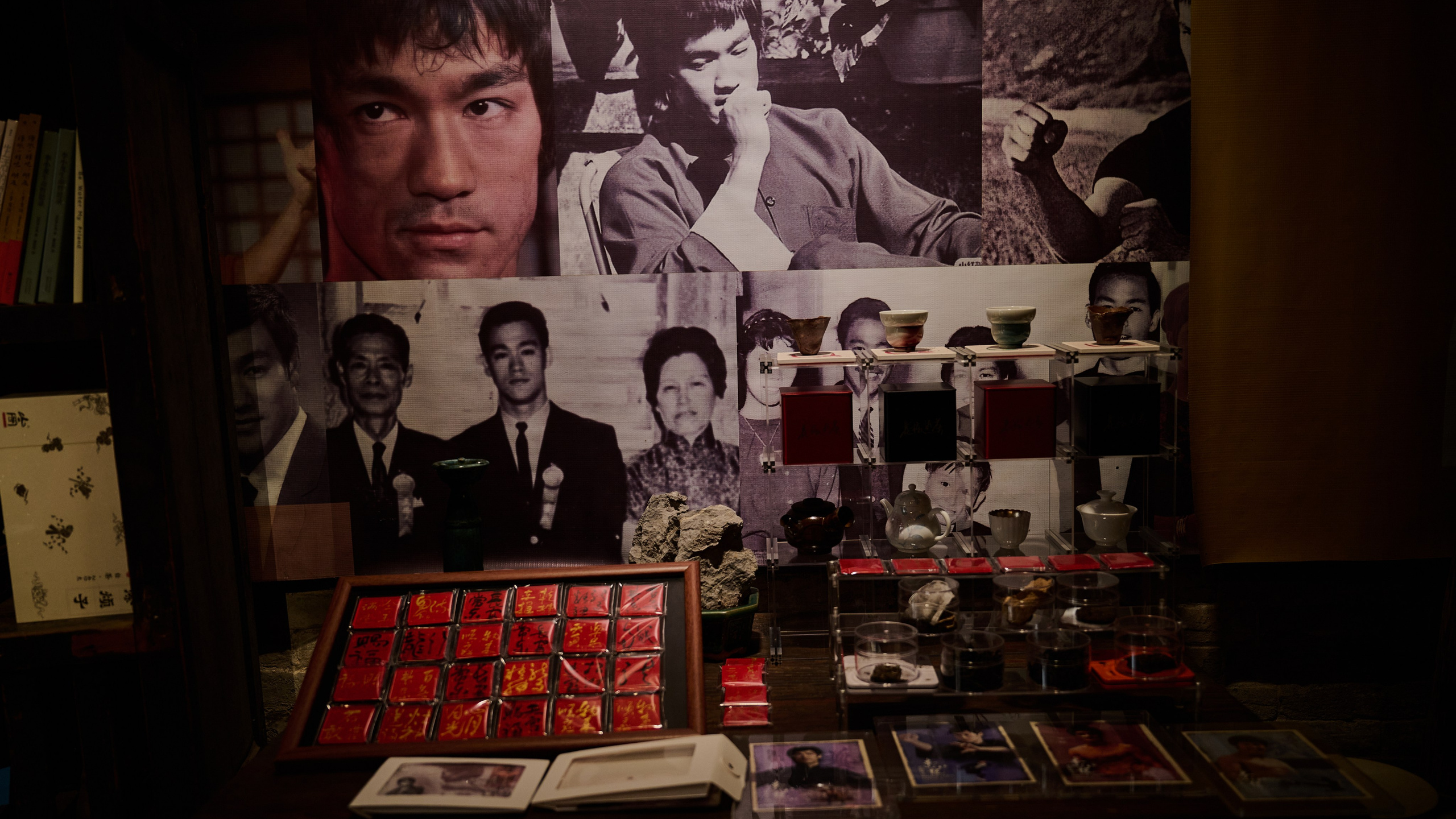
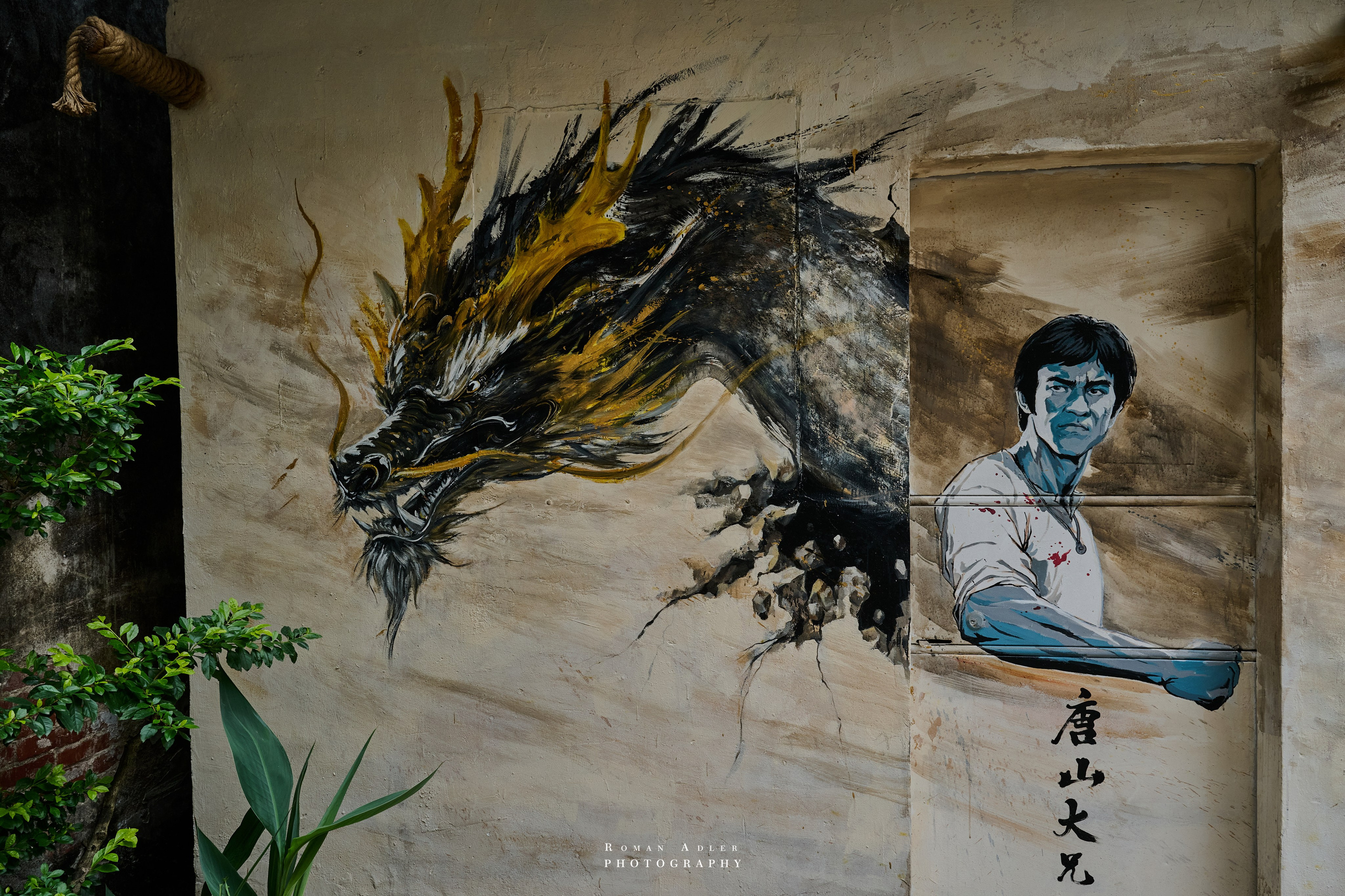
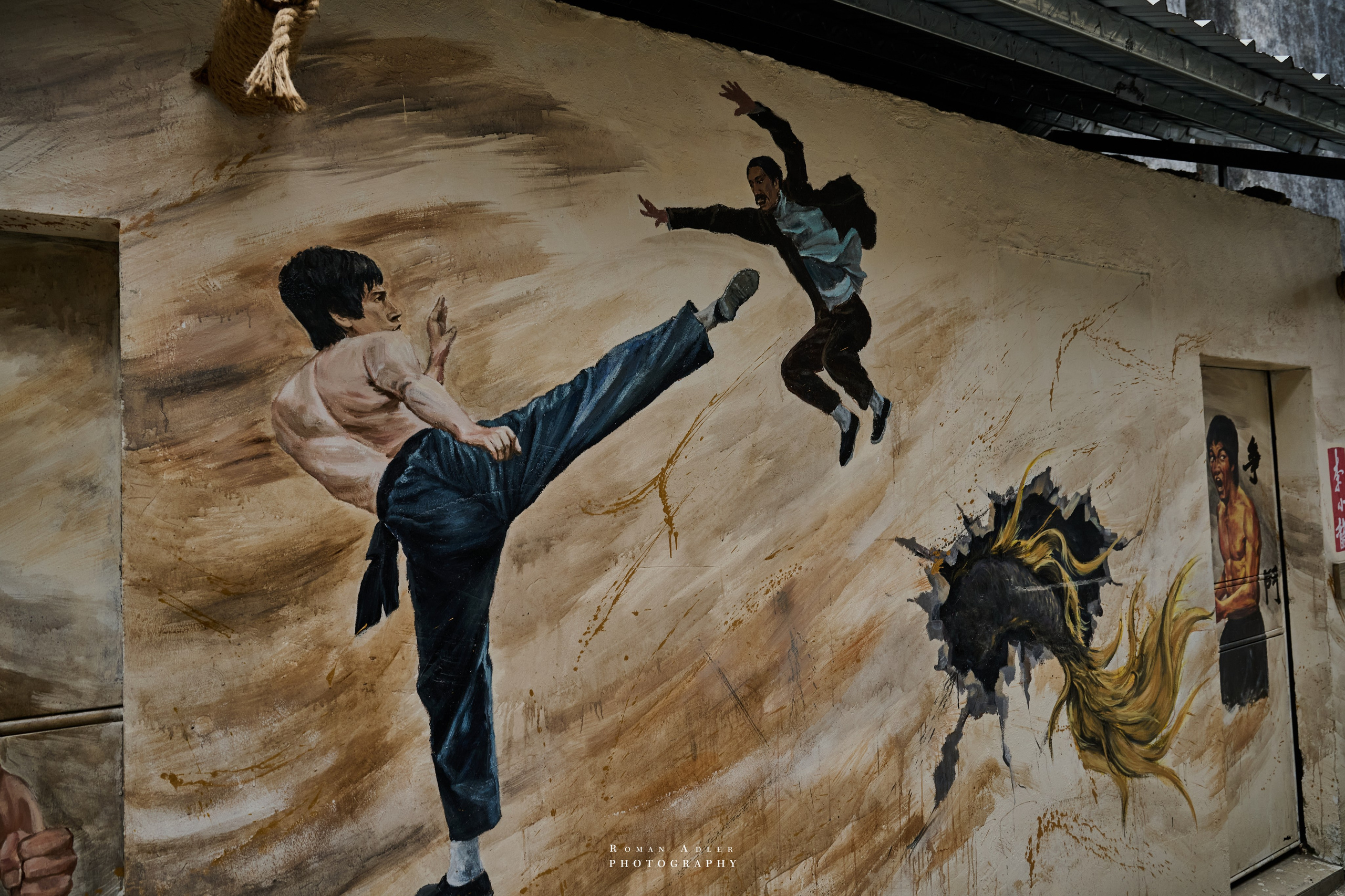
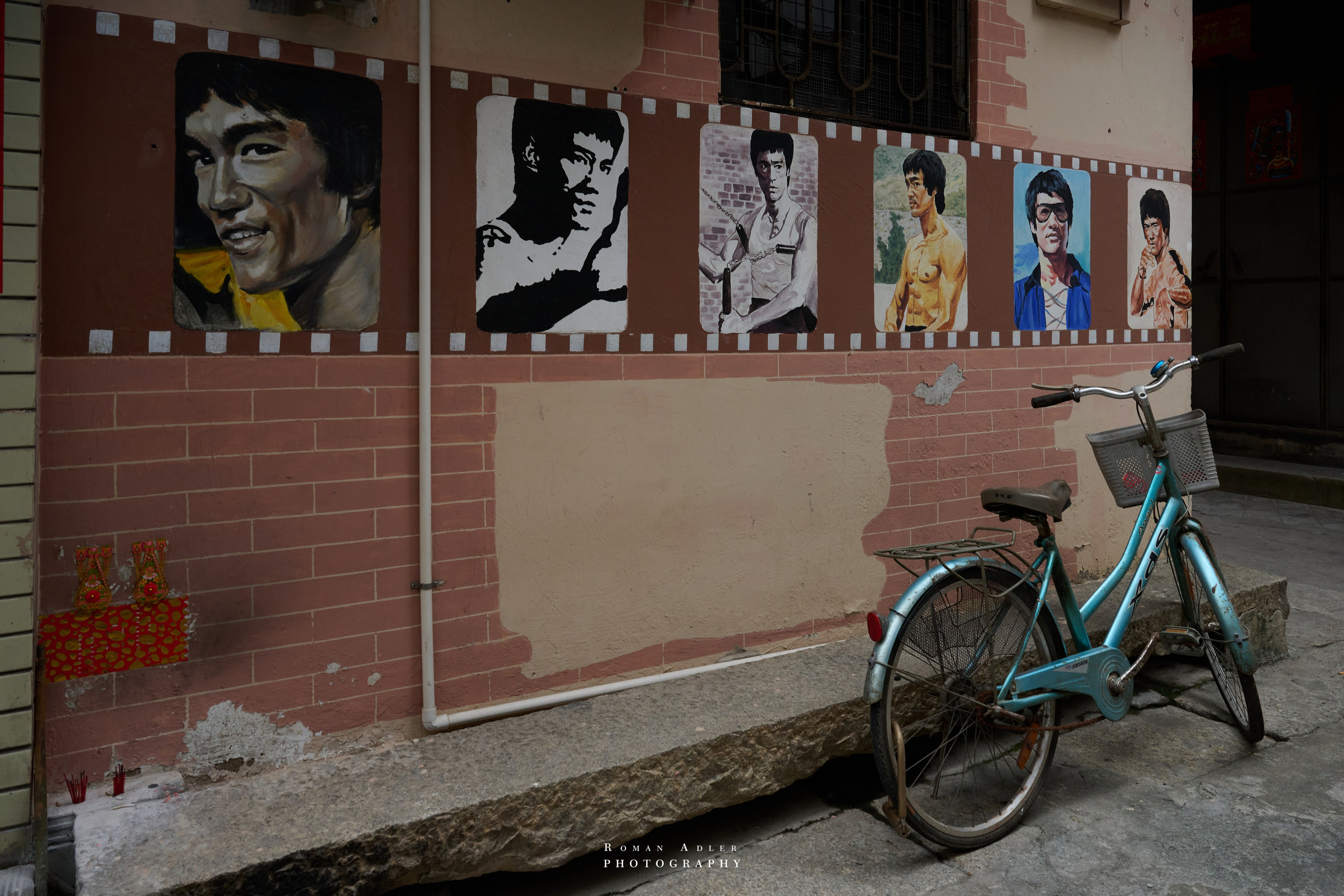
The house was built by Bruce’s grandfather — Lee Zhenbiao. Two generations of the Lee family lived here before the world changed. Today it is a museum: photographs, movie posters, a wooden dummy for training. The street where it stands is called “Little Dragon Alley” (小龙巷), named in his honor.
But for me, this house is not a museum. It is a starting point. A place where the boy, born in San Francisco in the year and hour of the Dragon, returned to his source — even if only symbolically.
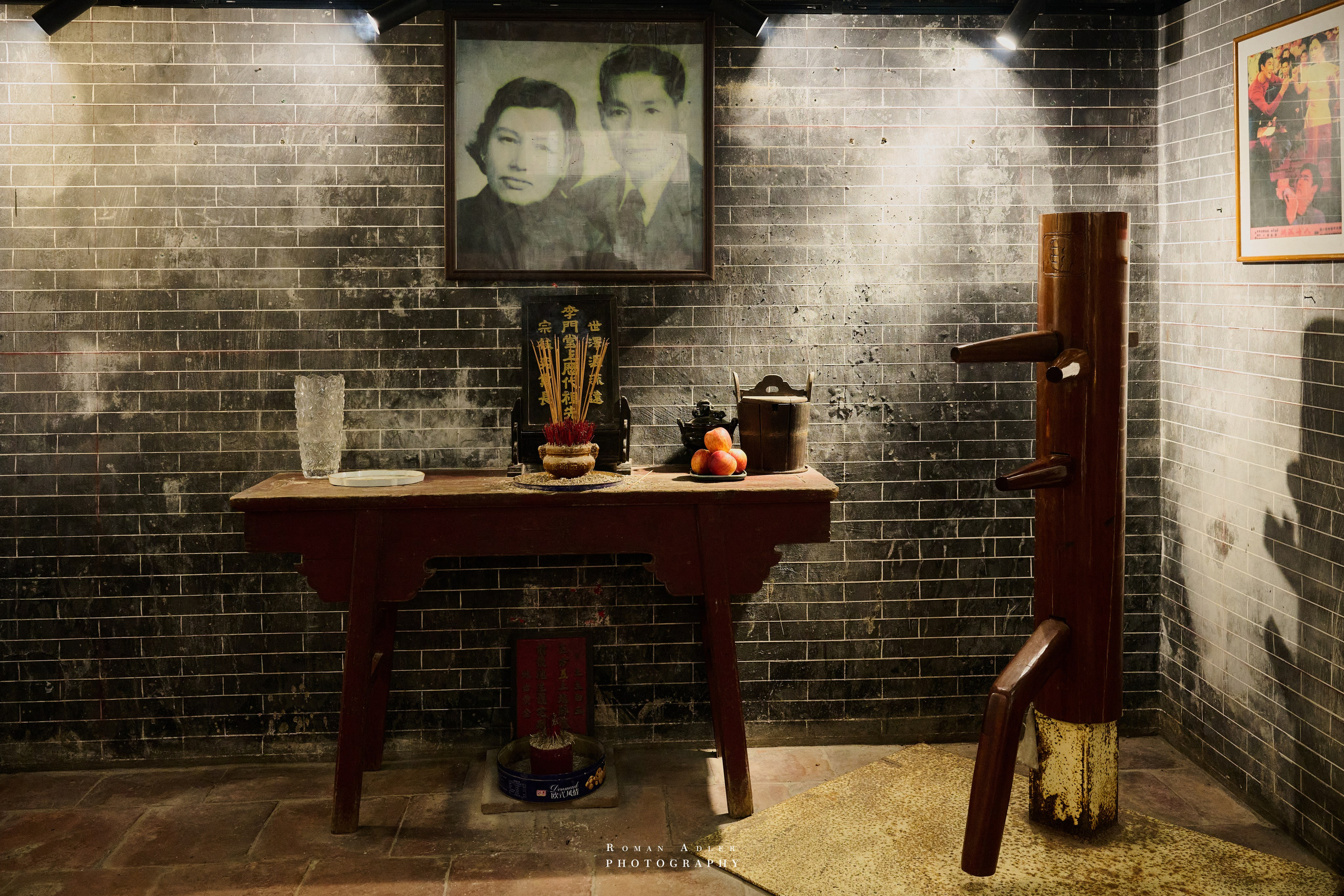
The Union of Two Worlds
The story of Bruce Lee’s parents is the story of two worlds that were not supposed to intersect.
His father — Lee Hoi-chuen, a Cantonese opera actor and comedian. From a poor family in Foshan. His mother — Grace Ho, from one of the wealthiest and most influential families in Hong Kong, compared to the Rockefellers. She had Eurasian roots. Their marriage was a misalliance: a wealthy heiress married a comedic actor, against her family’s will.
Bruce was born on November 27, 1940, in San Francisco. His birth name was Lee Jun-fan (李振藩), which means “Return Again”. His mother gave him this name, believing he would return to the US. The English name “Bruce” was given to him by a nurse in the maternity ward. In early childhood, his parents dressed him in girls' clothes and even put a piercing in his ear — a superstition to “fool the evil spirits” after the death of the firstborn.
In these details lies not just a biography. In them lies that very fragility from which strength grows.
Water That Has No Form
At 13, Bruce began studying Wing Chun under Ip Man. It was a discipline of form. But the real revolution happened later, when he realized: form is merely a vessel.
“Life is wide, boundless, it has no borders, no boundaries.”
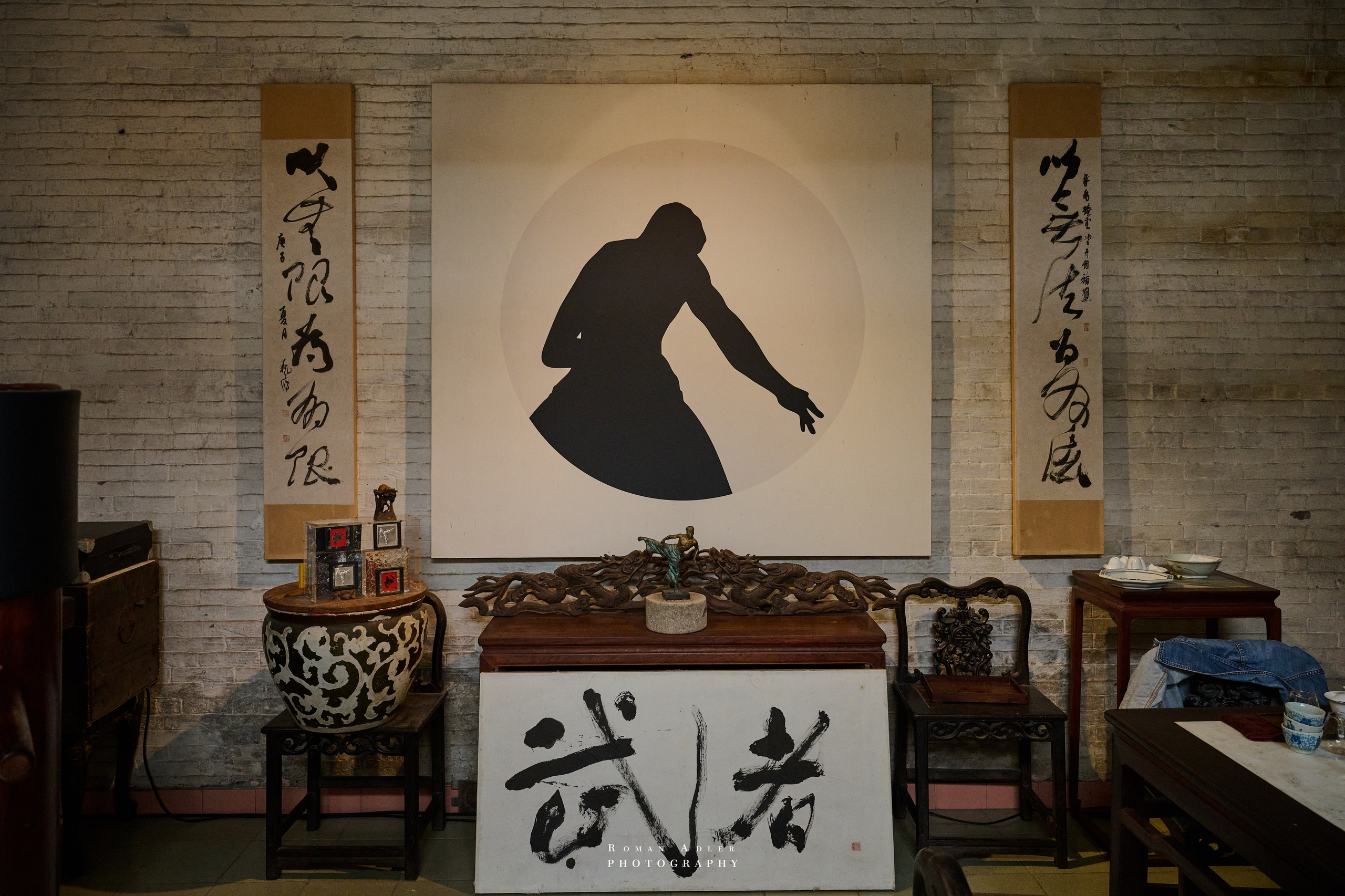
He created his own style — Jeet Kune Do, “The Way of the Intercepting Fist”. Its main principle: “Using the way as the way, having no limitation as limitation”. Bruce Lee did not deny the classics. He simply stopped being their prisoner.
In his philosophy, water is not a metaphor. It is a method. Water has no form but takes any form. It is soft but wears away stone. It flows, but it can crash.
In the ancestral home, among photographs and the old wooden dummy, this thought gains physical tangibility. You understand: to become fluid, you must first have a source. The house is the source. Water is the path.
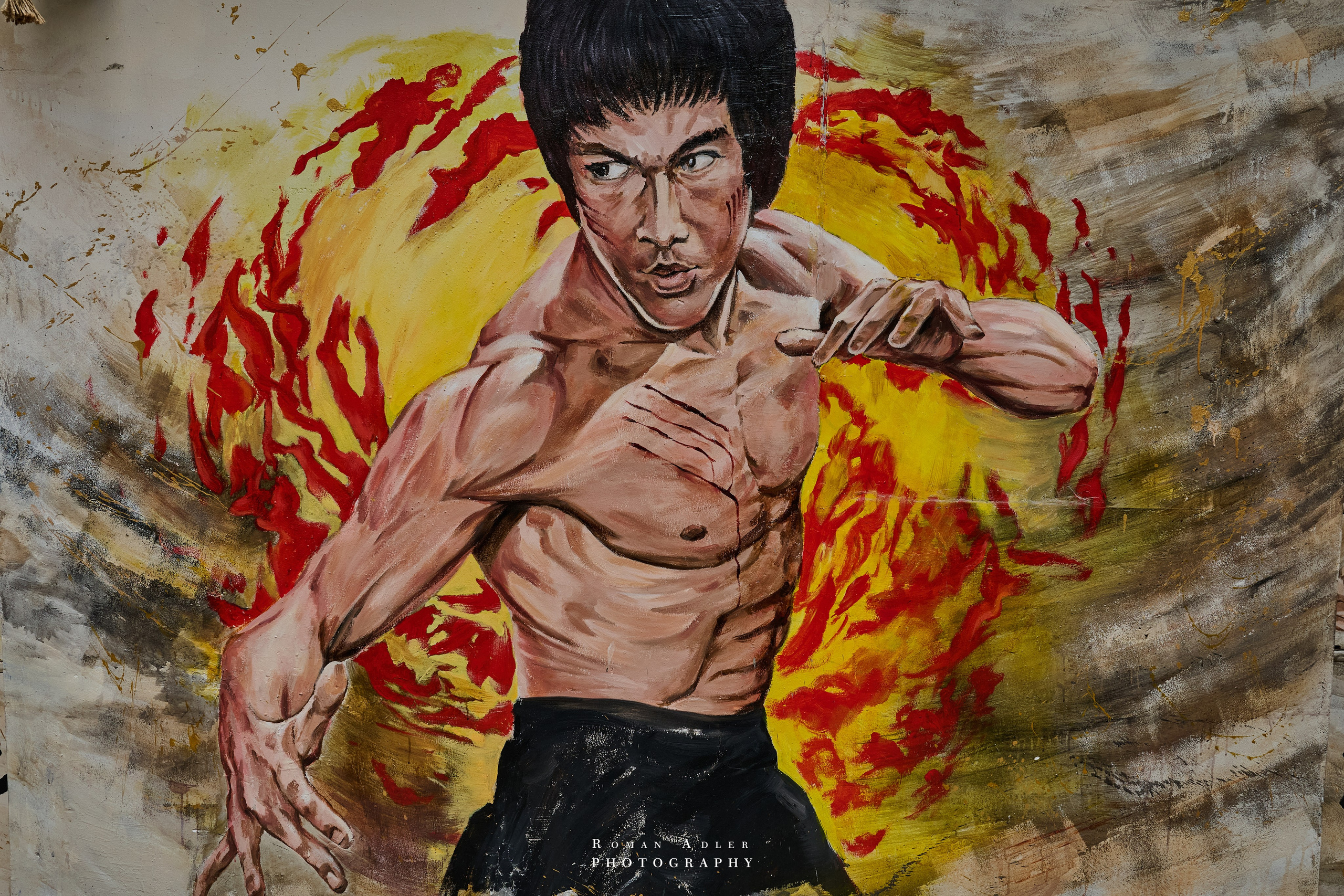
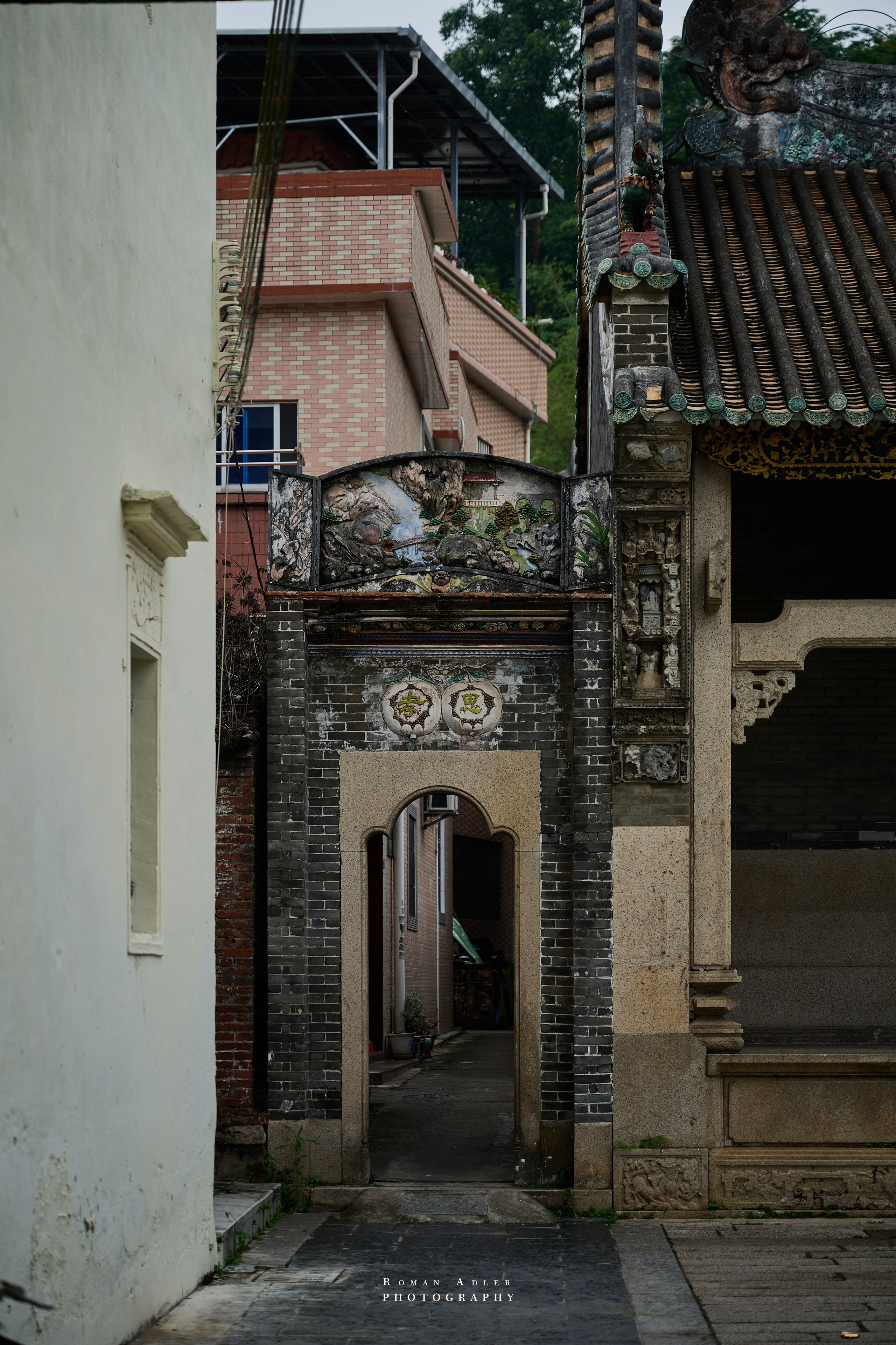
Legacy: Freedom is More Important Than Greatness
Bruce Lee died on July 20, 1973, in Hong Kong at the age of 32. But he left more than just films. He left a way of thinking.
“In reality, martial arts is the direct expression of the human soul… All training is about becoming a fully human person, not some superhuman. To be free is more important than to be a great fighter.”
He fought against stereotypes in cinema and helped change the perception of Asians in Hollywood. Time magazine included him in its list of the 100 most influential people of the 20th century. But for me, something else is more important: he showed that freedom is not the absence of limitations. It is the ability to flow through them.
Interesting Facts About Bruce Lee’s Life
Birth and Names
· Born under the Sign of the Dragon: Bruce was born in the year, day, and hour of the Dragon — according to Chinese belief, this was considered an incredibly powerful and auspicious omen.
· The Name “Return Again”: His mother gave him the name Lee Jun-fan (李振藩), which means “Return Again”, believing he would return to the United States, where he was born.
· English Name: The name “Bruce” was given to him by a nurse at the maternity hospital.
· “Little Phoenix”: He had a feminine name, Sai Fung (Little Phoenix), and even a pierced ear — a superstition to fool evil spirits that might take his soul. This was done because the family’s first child had died.
Childhood and Adolescence
· First film: At the age of 3 months, Bruce “played” the role of a baby girl in the film “Golden Gate Girl” (1941).
· Dancer: As a teenager, Bruce became the Hong Kong cha-cha-cha dance champion.
· Introduction to kung fu: At 13, he began studying Wing Chun under the legendary master Ip Man.
· Troubled teen: At school, he was the leader of a street gang and often got into fights, which led his parents to send him to the United States at the age of 18.
Philosophy and Unique Abilities
· Jeet Kune Do: He developed his own martial arts style, which he called “The Way of the Intercepting Fist”.
· Phenomenal Speed: His movements were so fast that cameras with a frame rate of 32 fps were used for filming instead of the standard 24.
· Strength: He could do push‑ups on two fingers, lift three times his own body weight, and pierce an unopened steel can with his fingers.
· Philosophy: His famous quote: “Be like water. Freeze like a mirror. Respond like an echo.”
Complete Filmography
Bruce Lee starred in dozens of films, but the most famous are those released in the early 1970s.
Main Films (Golden Classics)
1971 — The Big Boss — Cheng Chao-an
1972 — Fist of Fury — Chen Zhen
1972 — The Way of the Dragon — Tang Lung (also director and screenwriter)
1973 — Enter the Dragon — Lee (his first Hollywood film)
1978 — Game of Death — Billy Lo (released posthumously, using stand‑ins)
Early Childhood and Cameo Roles
1941 — Golden Gate Girl
1946 — The Birth of Mankind
1950 — The Kid
1960 — The Orphan
1966–1967 — The Green Hornet (TV series)
Documentary and Posthumous Projects (using archival footage)
1980 — The Silent Flute
1984 — Bruce Lee: The Man, The Legend
2000 — Bruce Lee: A Warrior’s Journey
2012 — I Am Bruce Lee
Legacy
· Fighter Against Racism: He fought against stereotypes in film and helped change the perception of Asians in Hollywood.
· Influence: Time magazine included him in its list of the 100 most influential people of the 20th century.
This publication is part of the research project The Humans v.21. Act V “Russian Gaze. China”.


