

The Ip Man Memorial Hall: The Discipline of Form and the Silence of Spirit
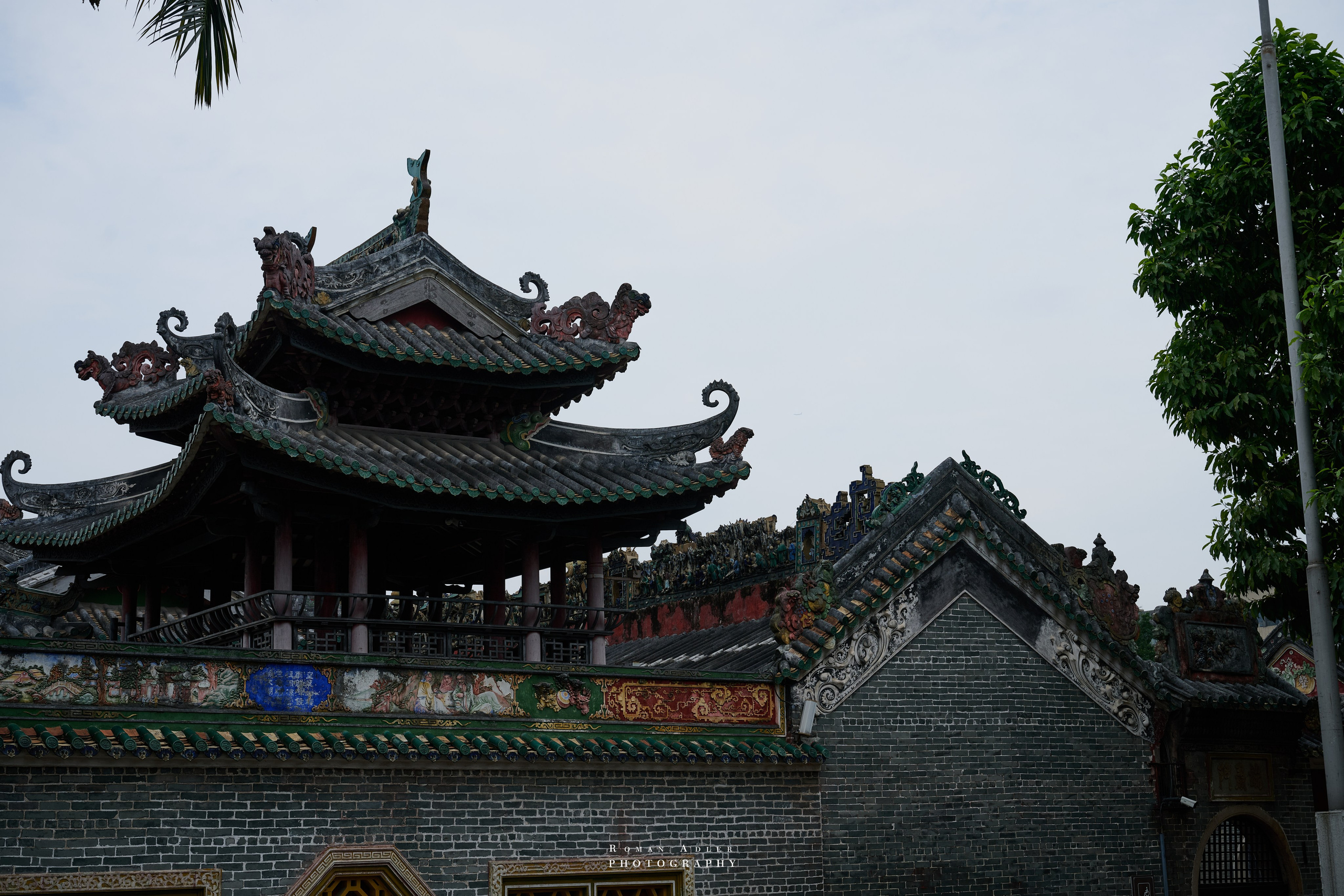
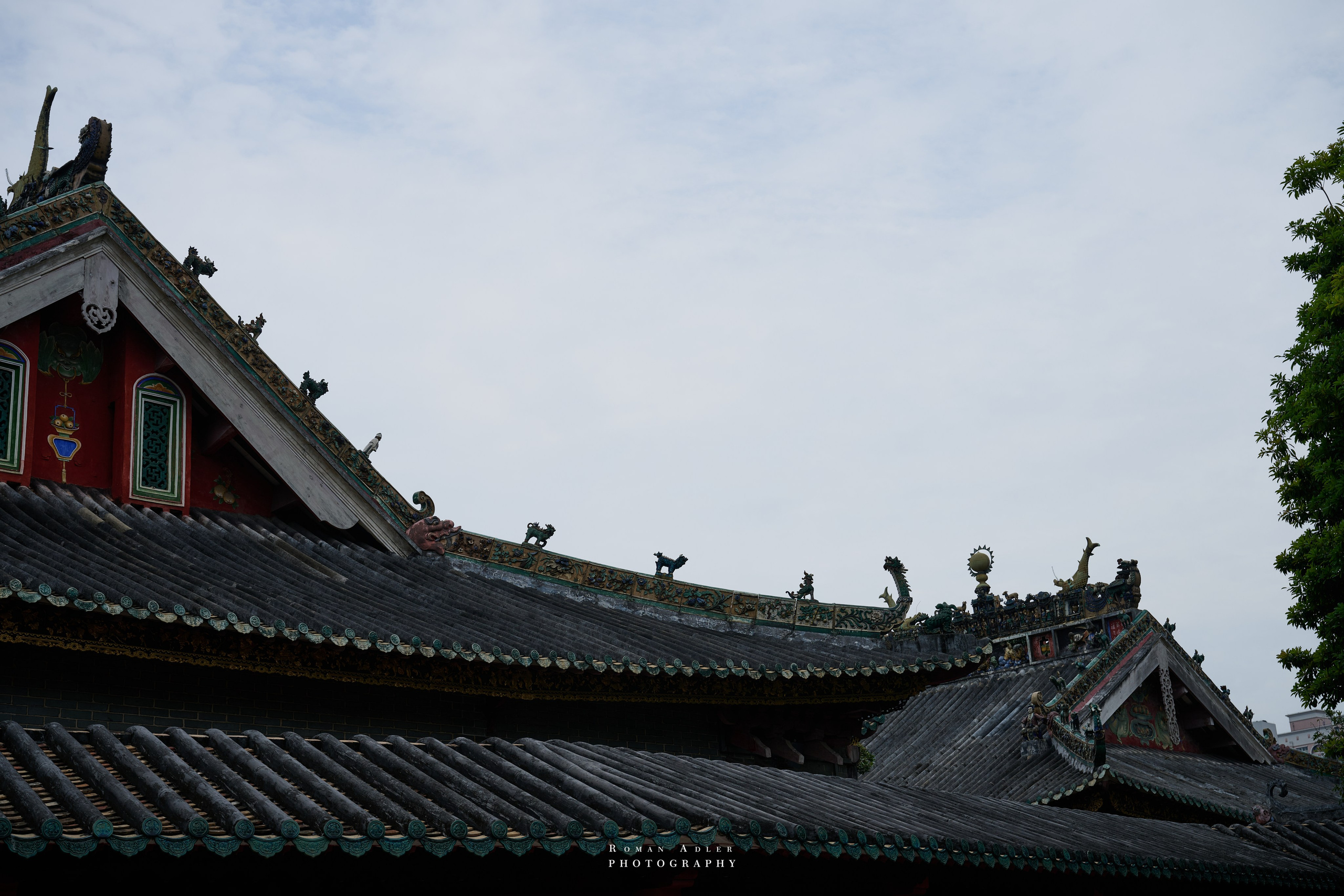
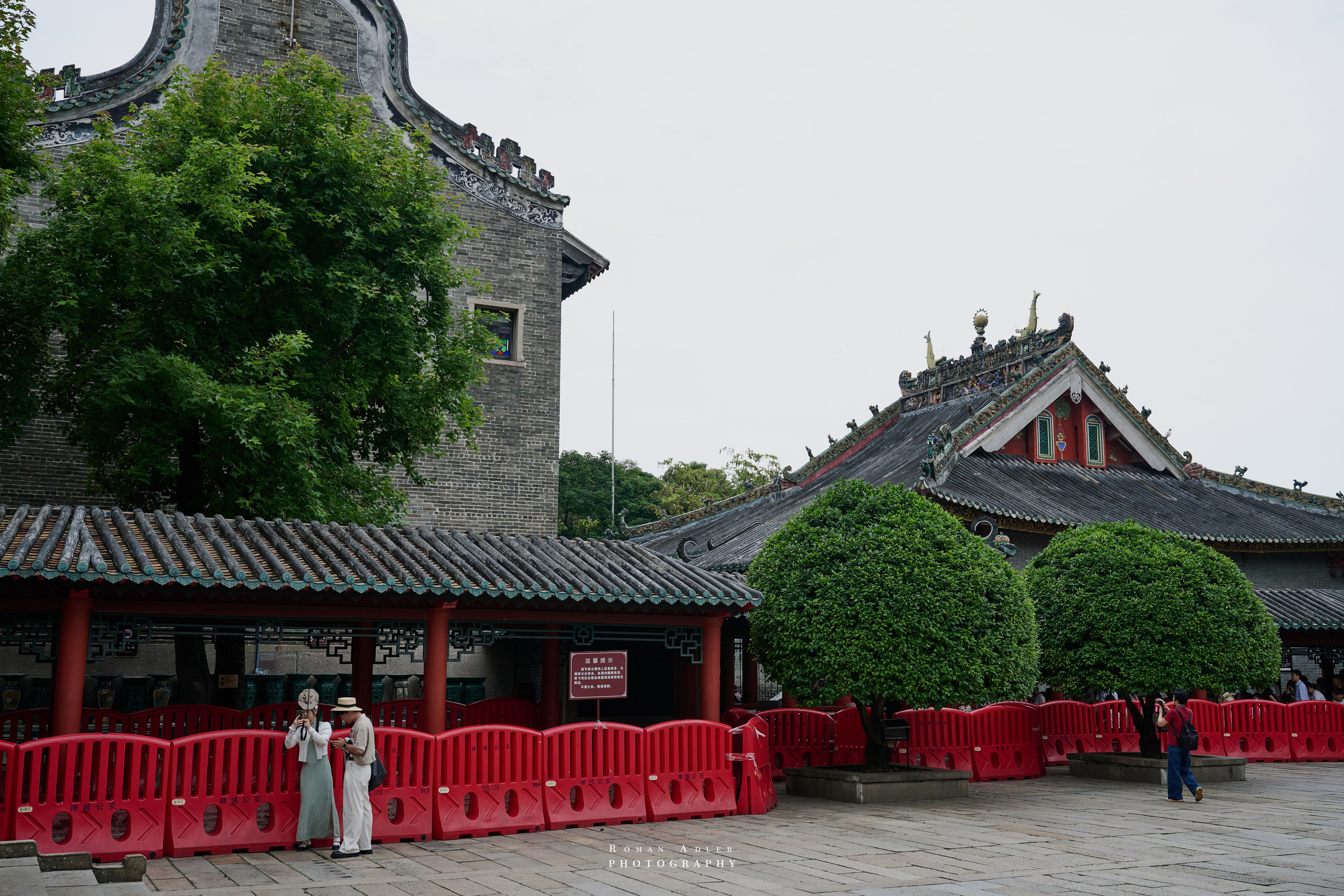
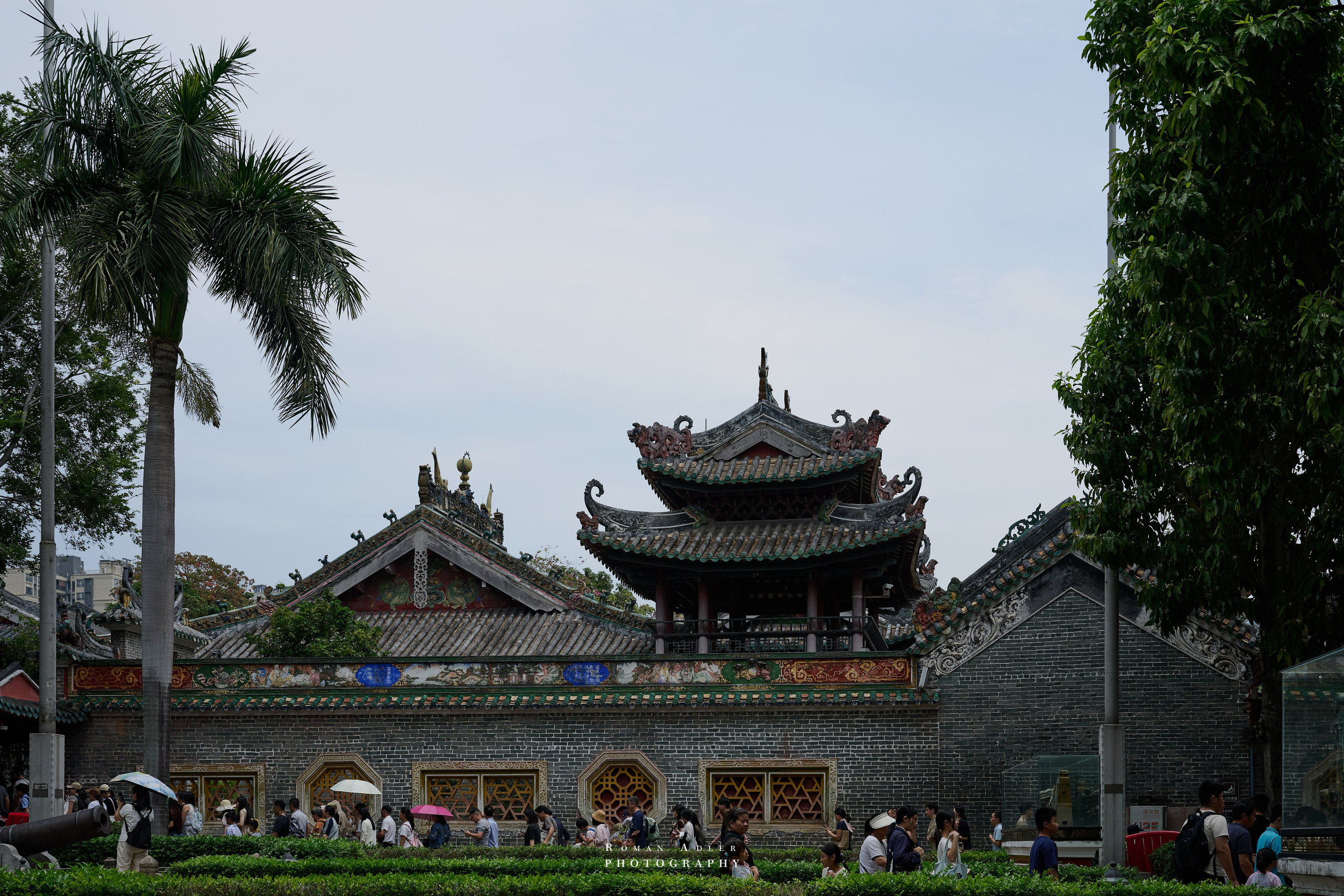
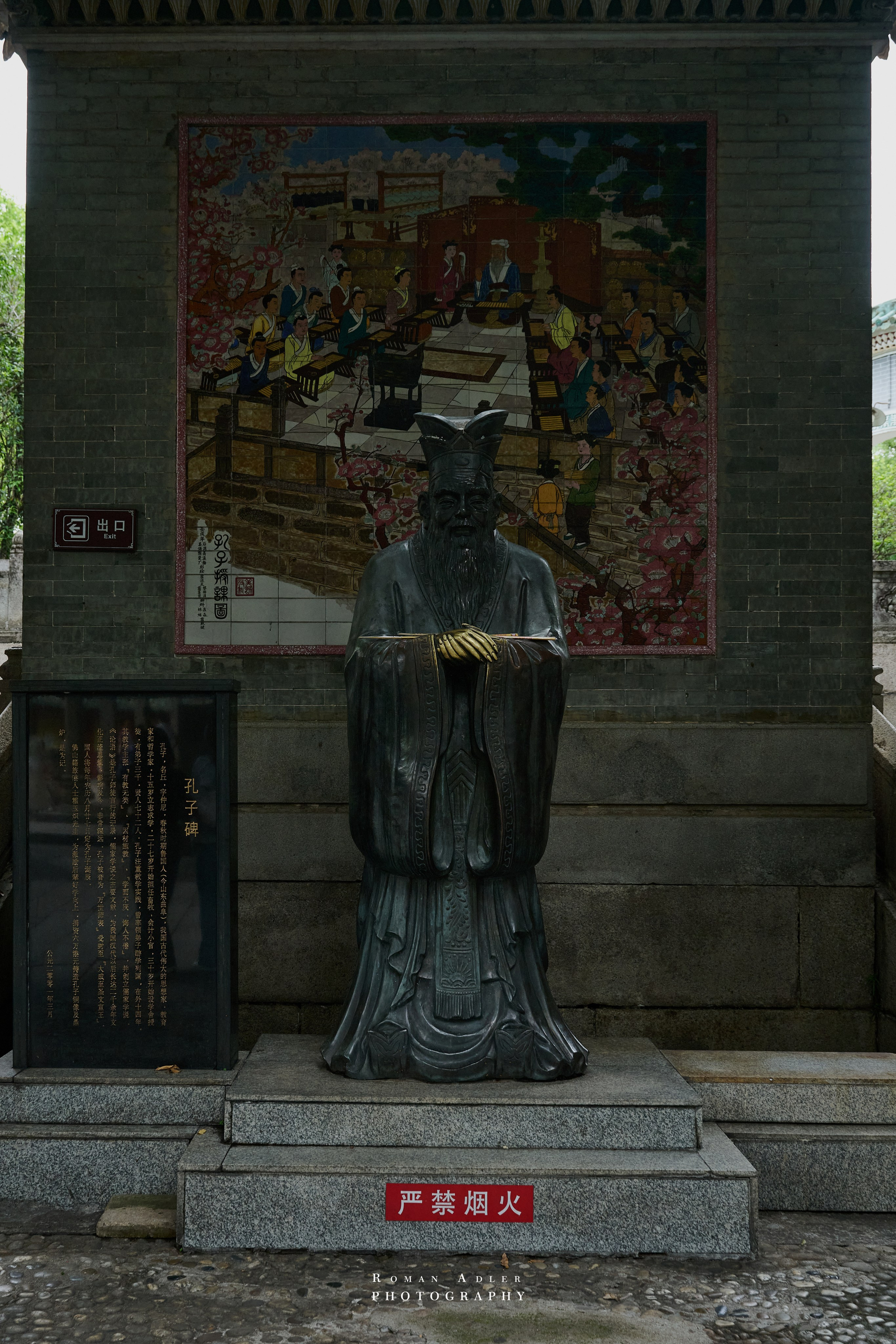
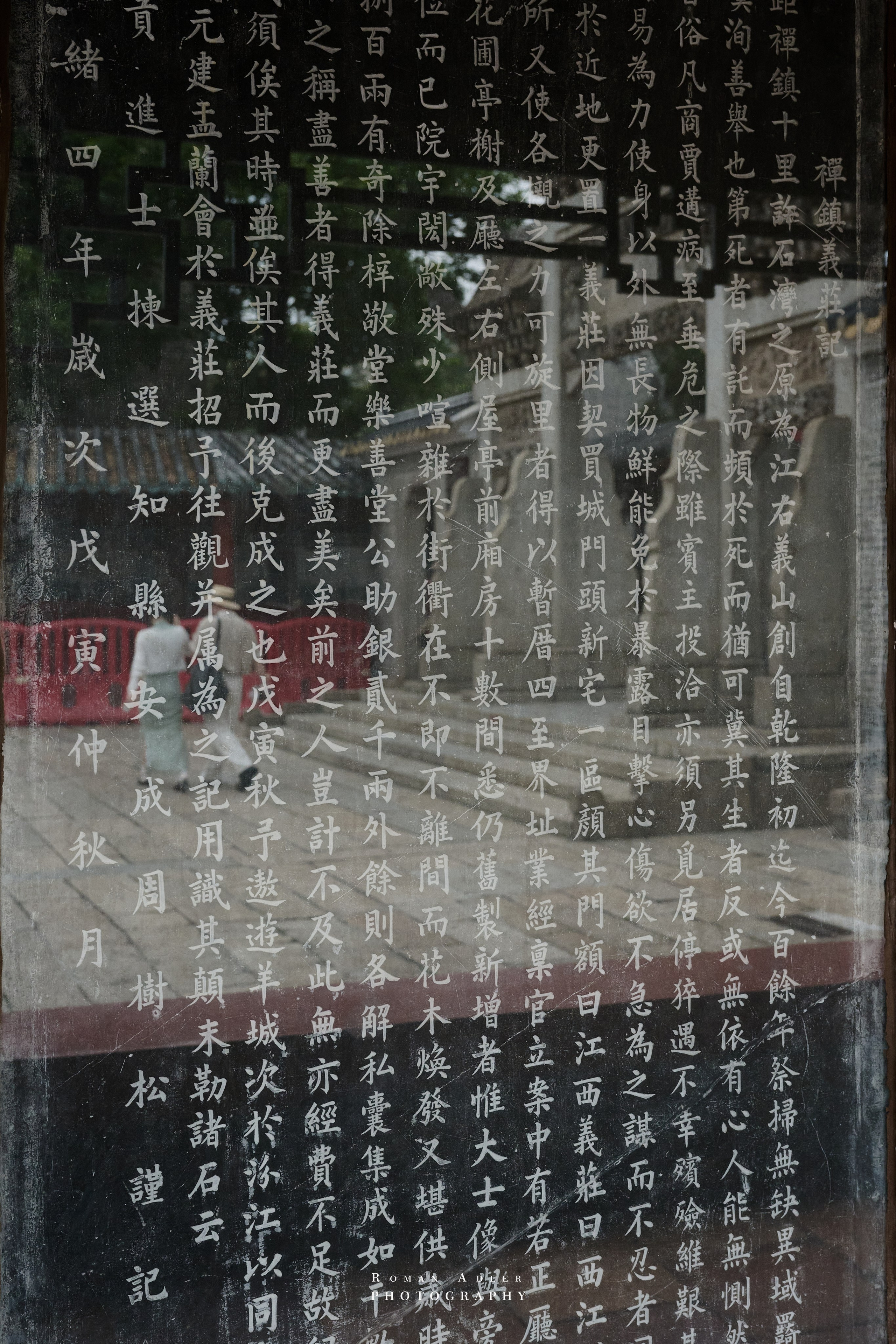
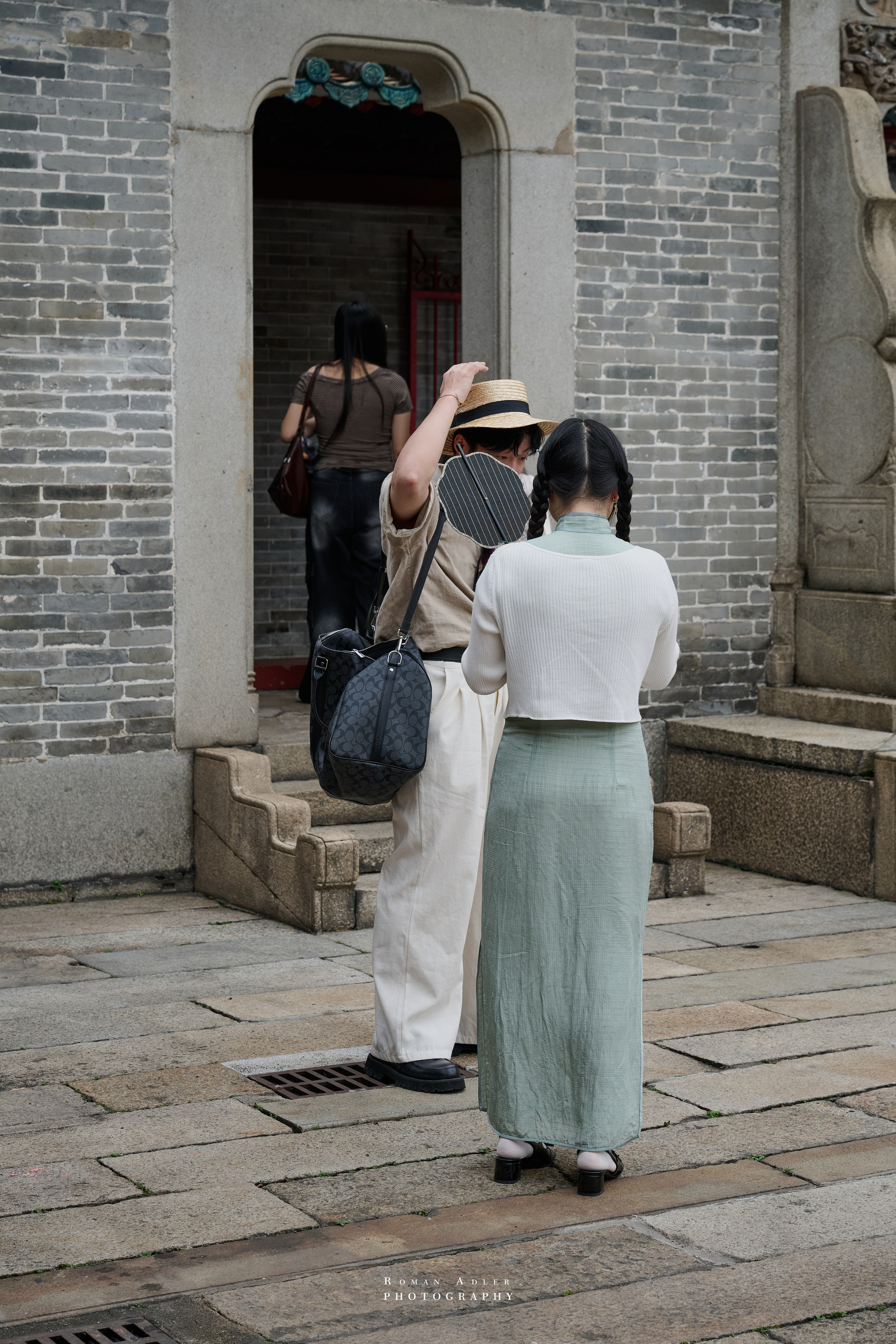
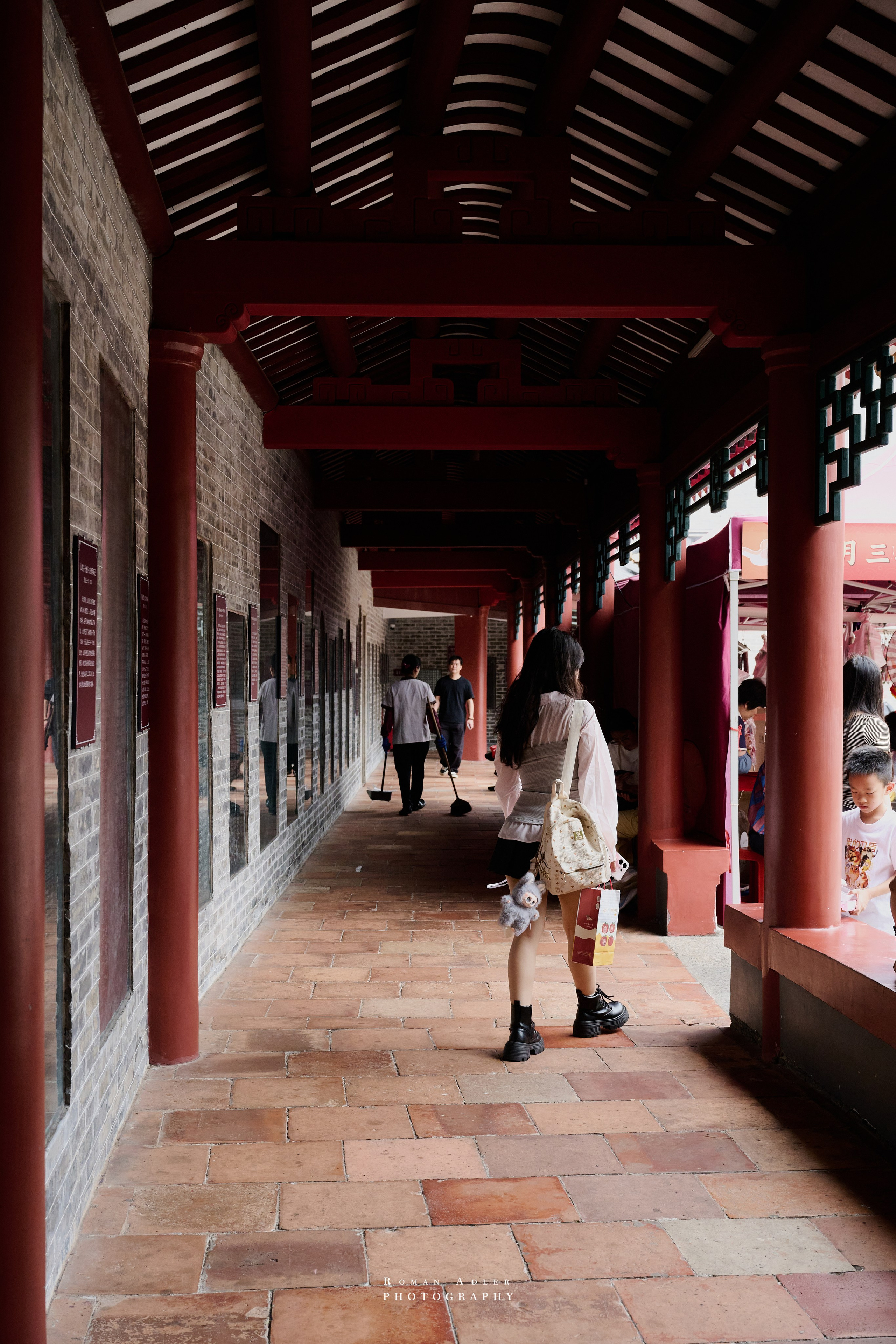
Foshan, Ancestral Temple
“Kung Fu is more than a system of fighting. It is a system of thought. You must outthink your opponent, no matter what form he takes…”
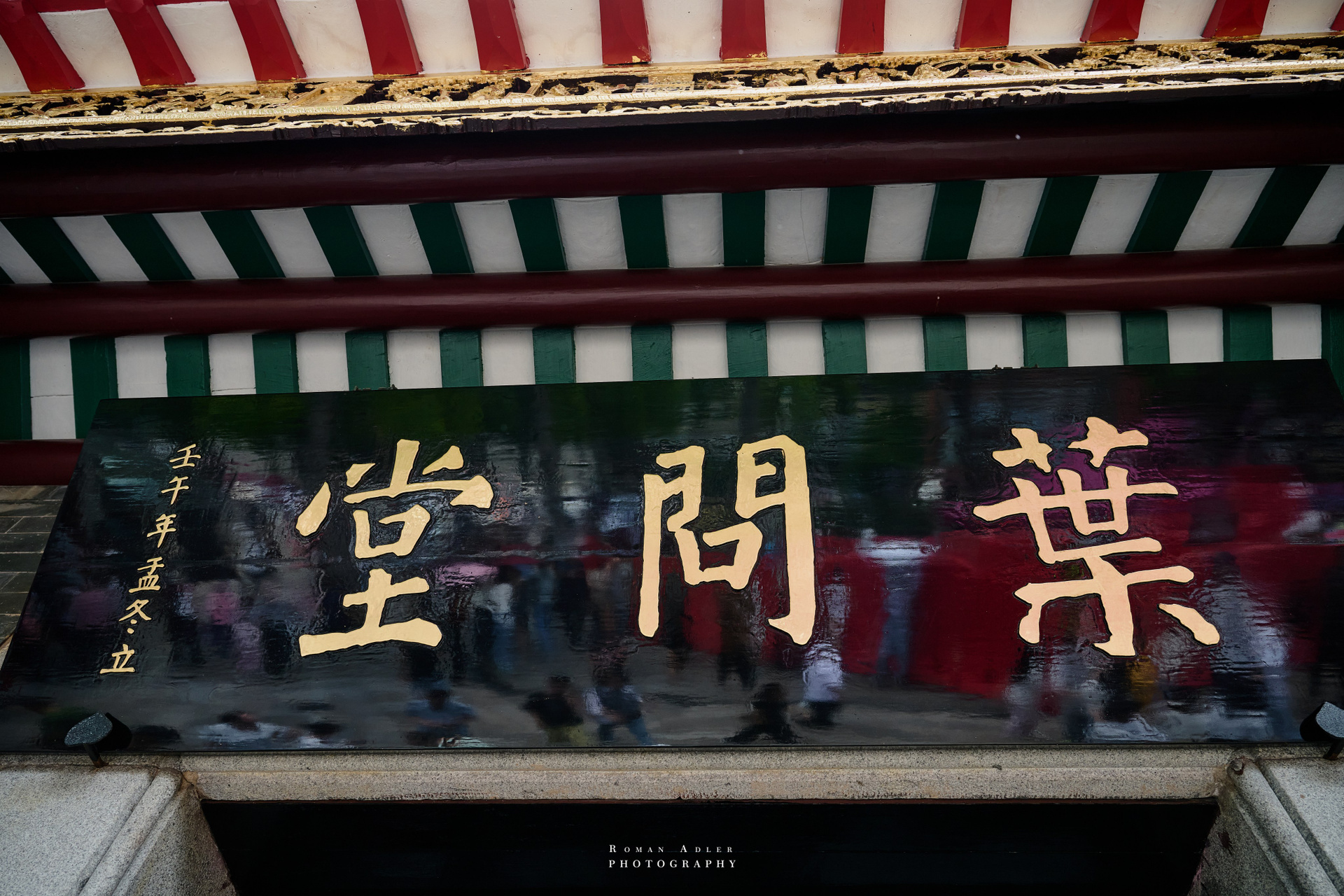
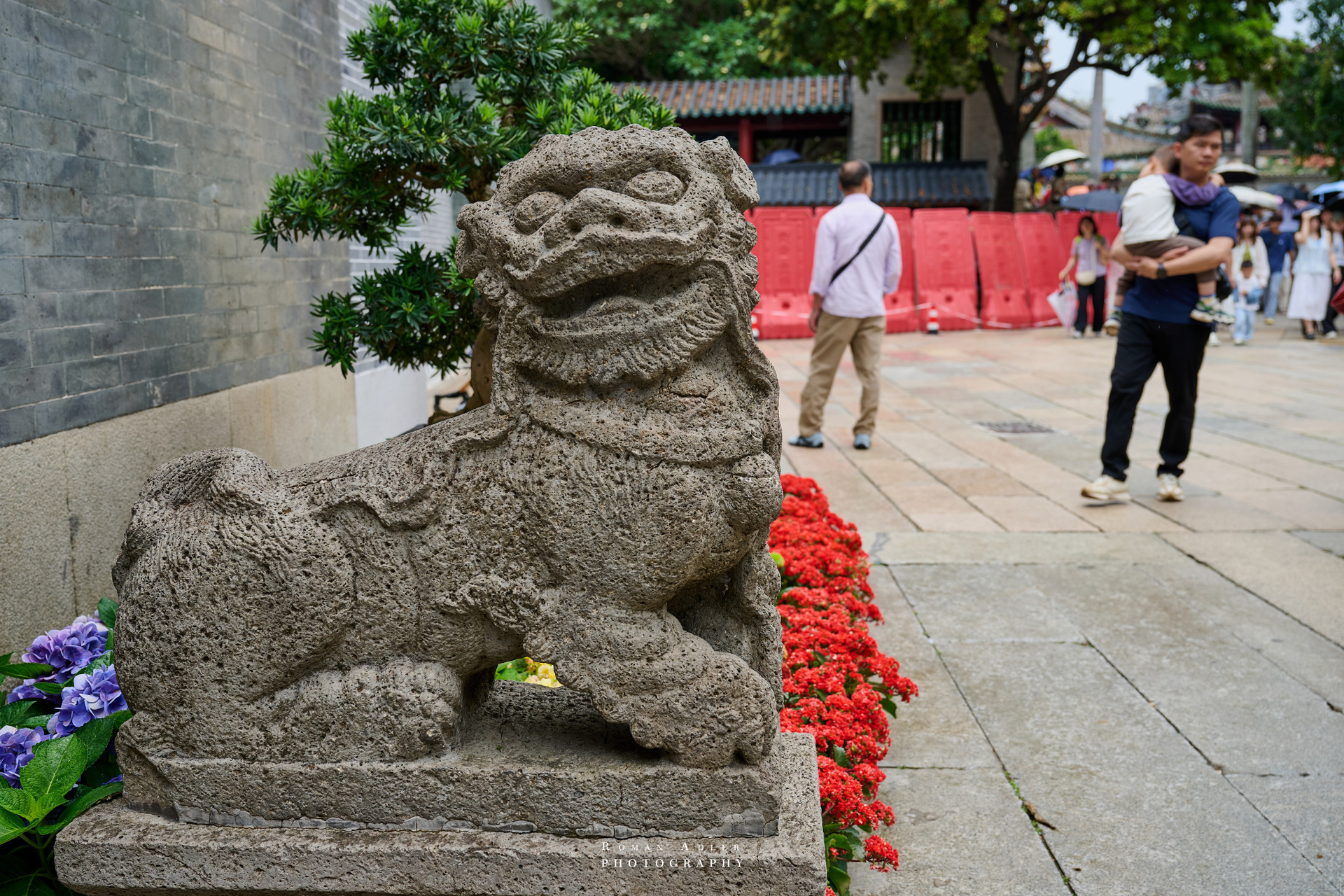
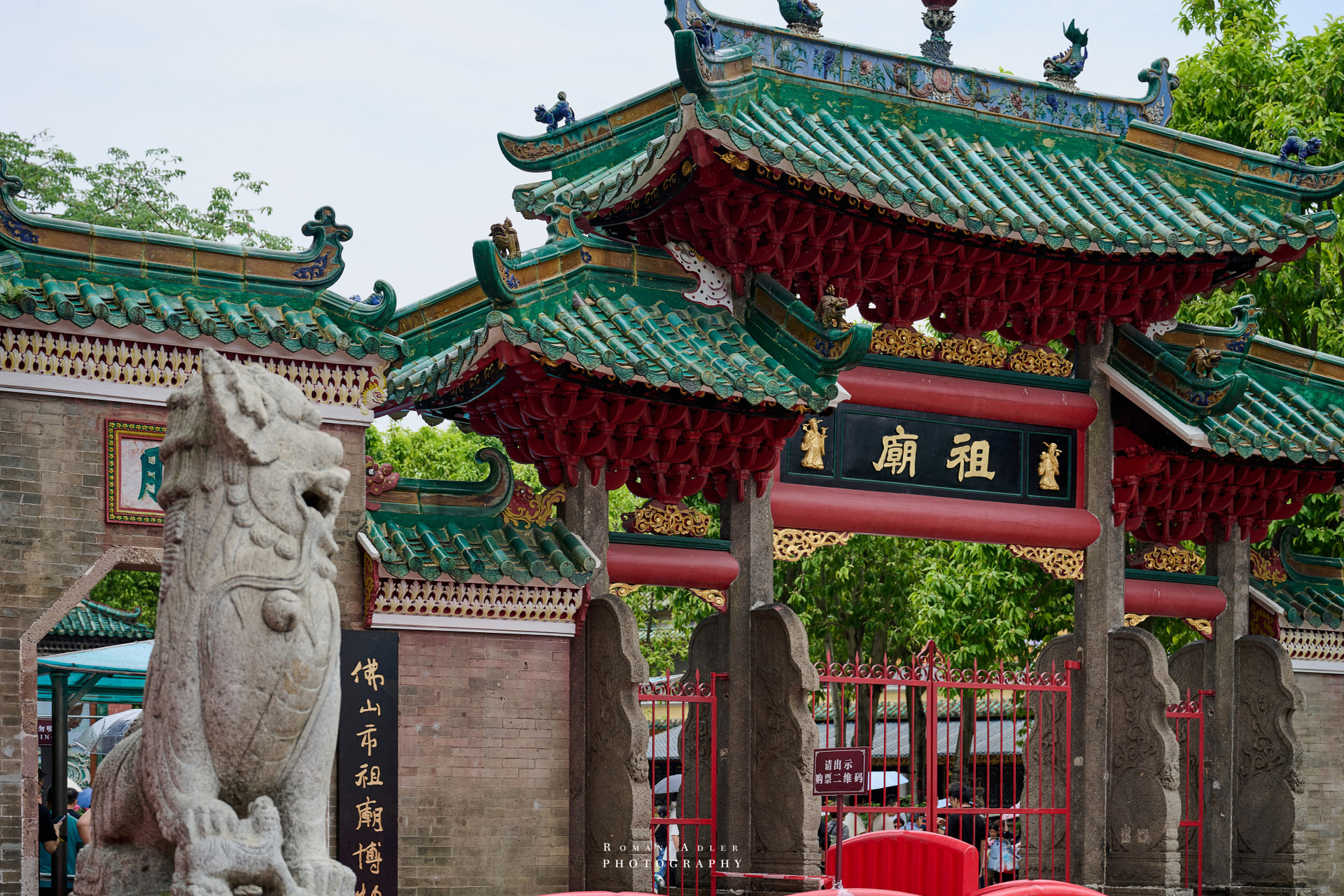
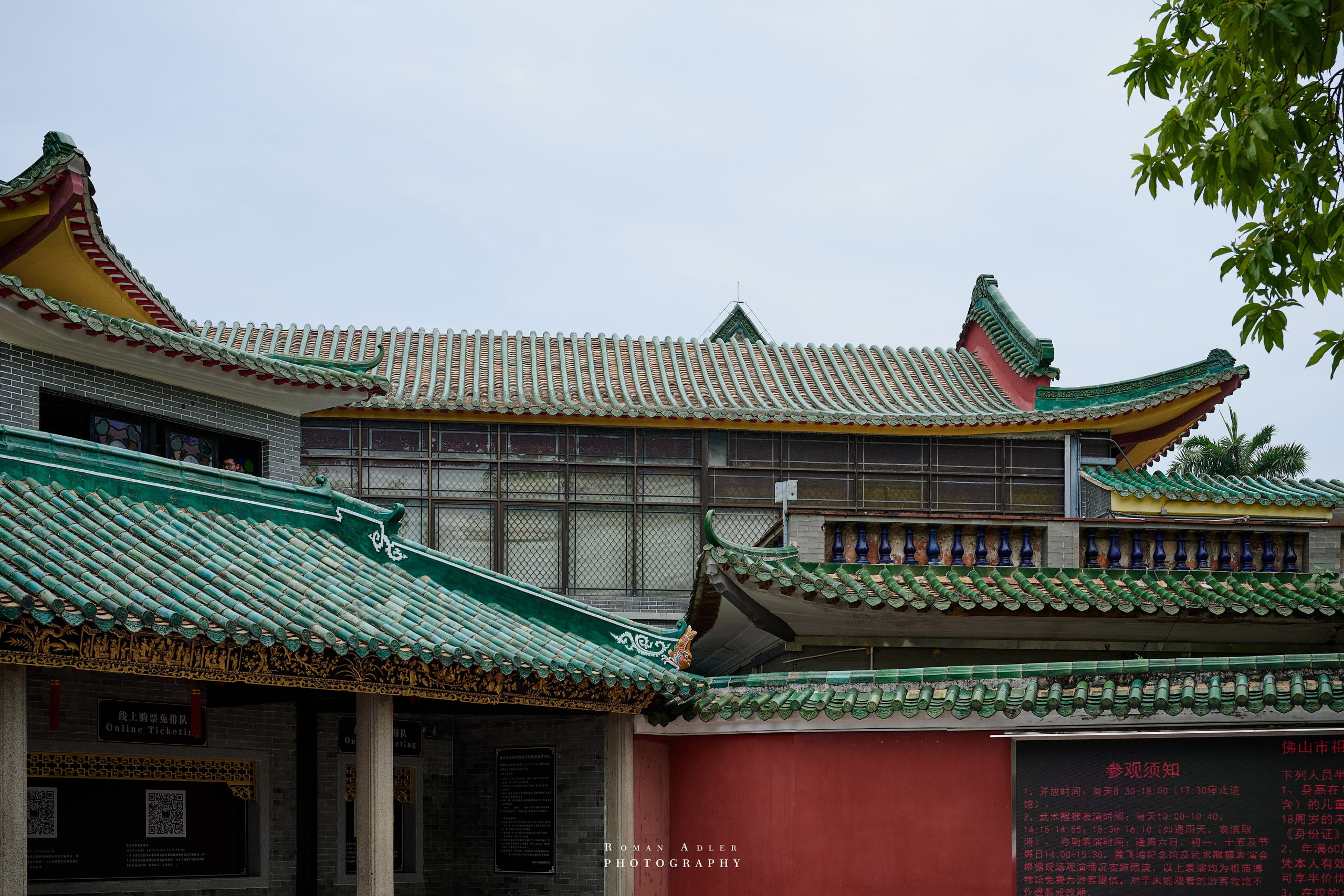
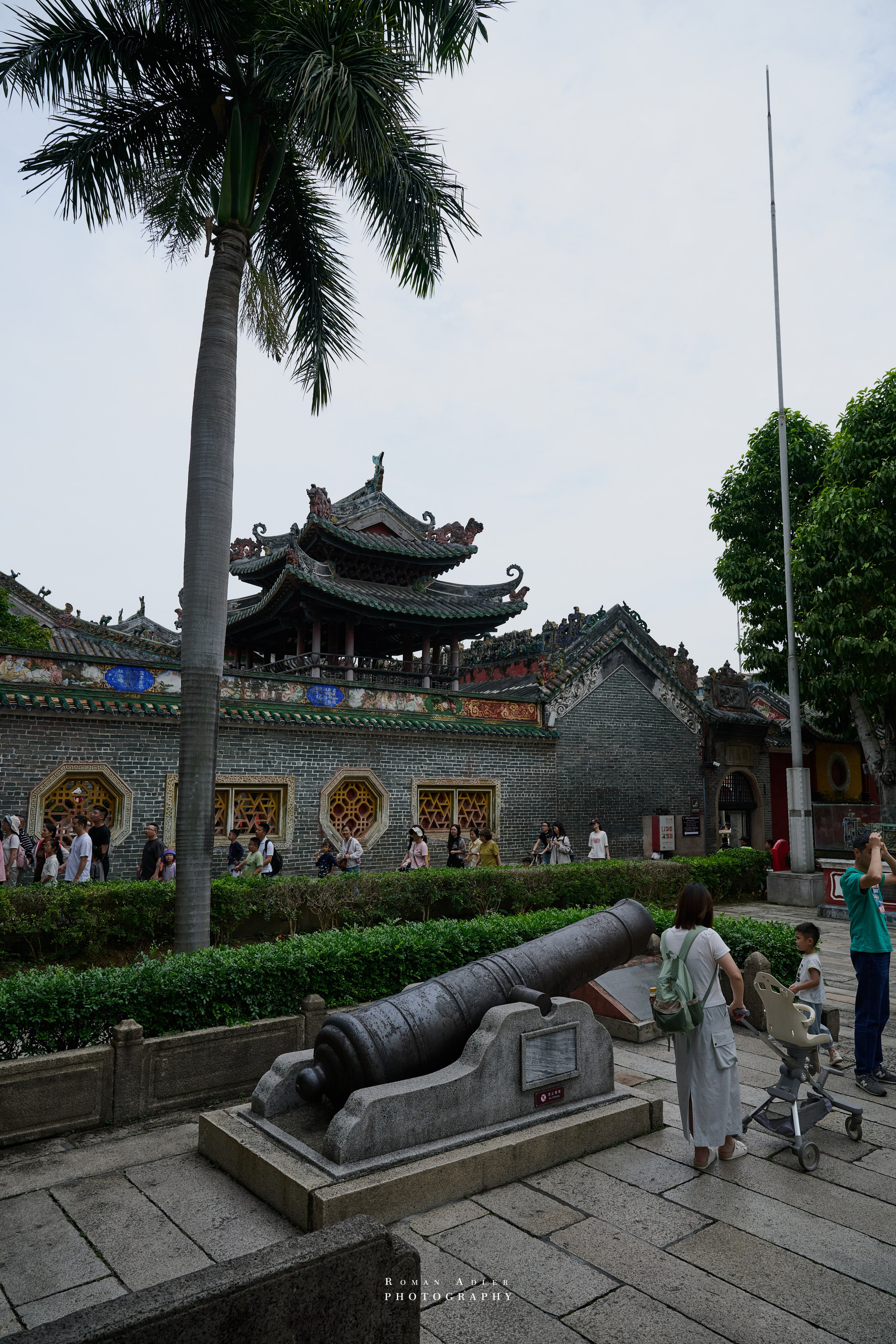
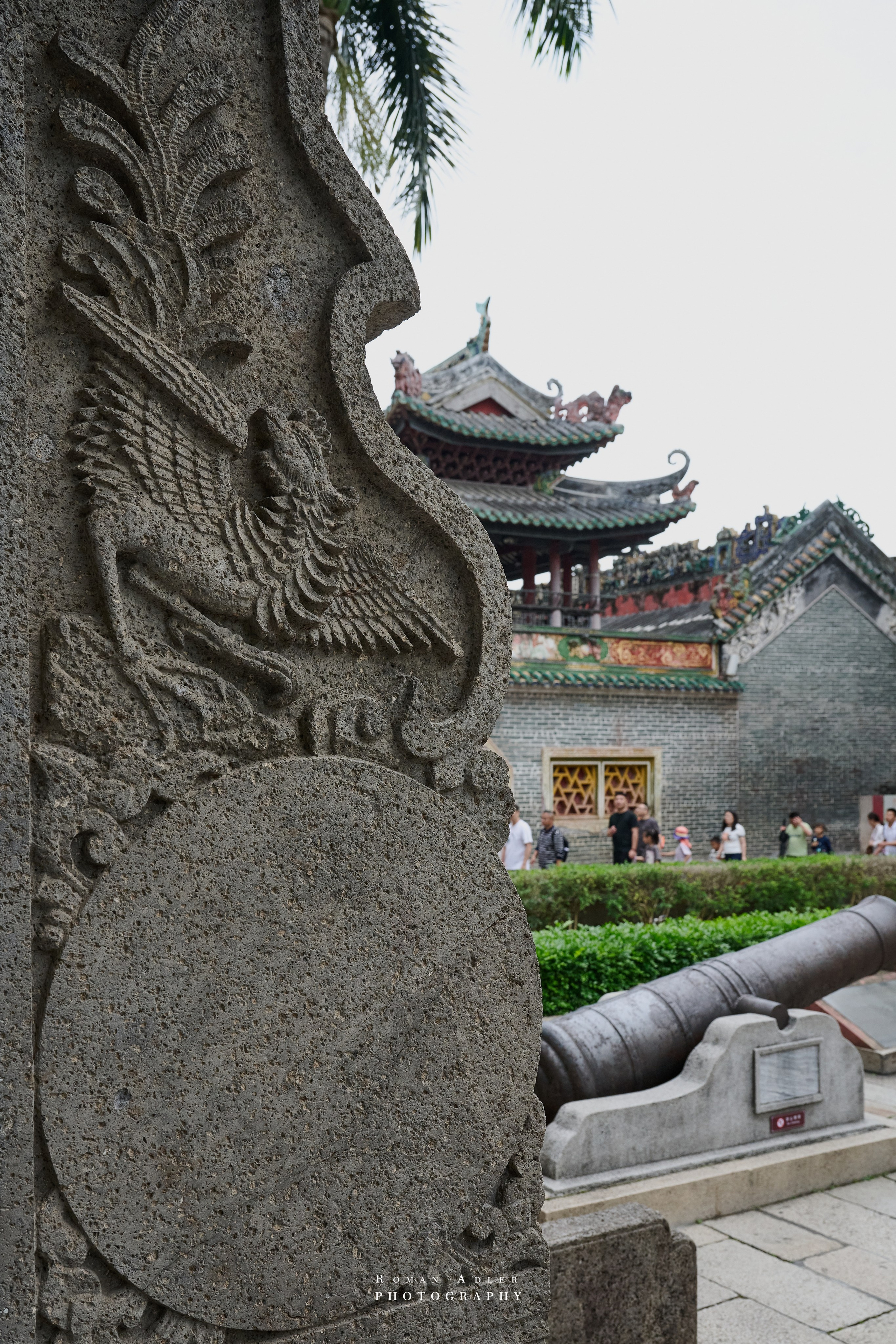
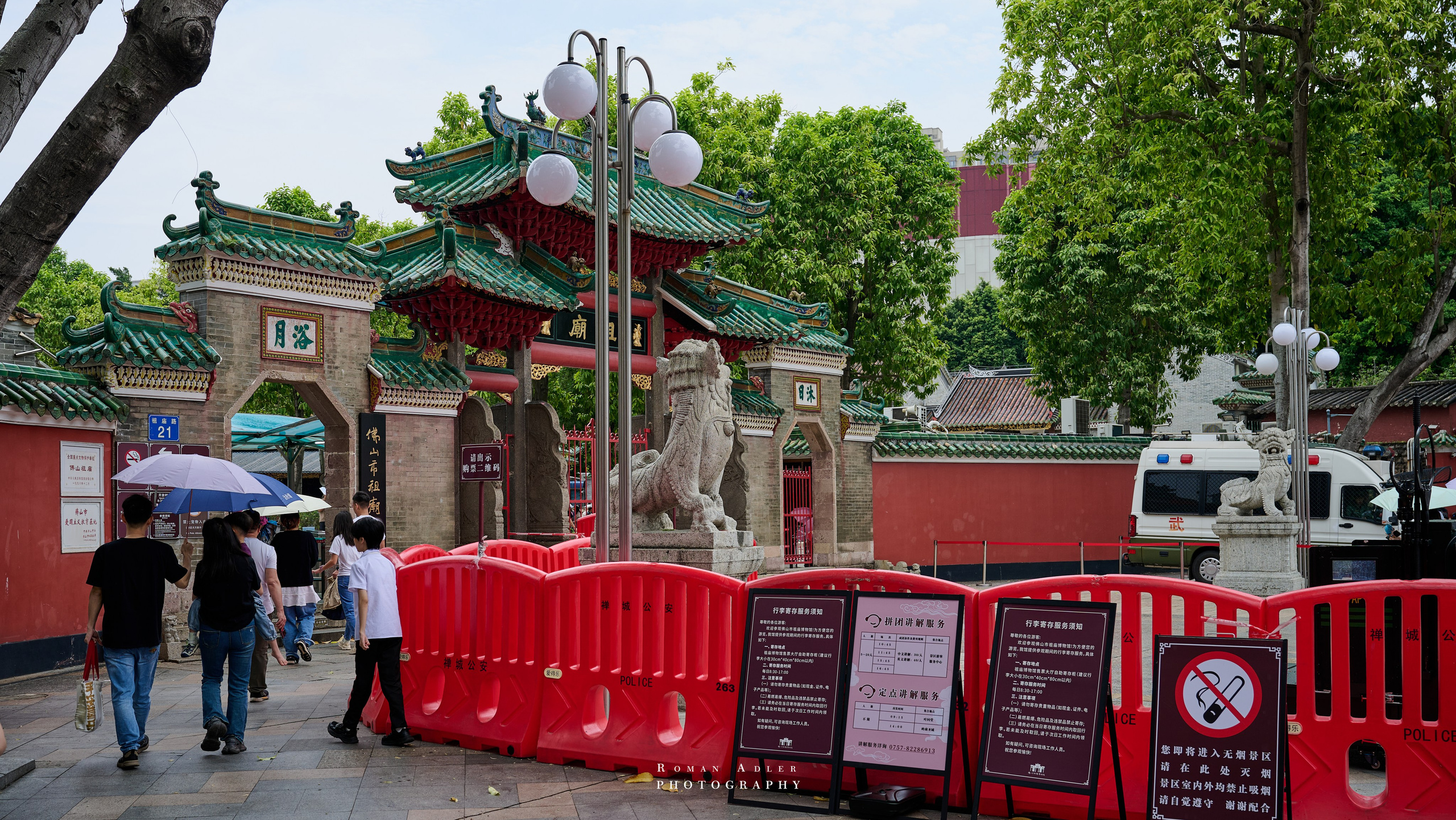
If you have ever watched movies about martial arts masters and dreamed of touching the origins of Wing Chun, you should come here — not for the special effects, but for the silence. Forget the pompous Hollywood sets — everything here is different: strict, simple, and real. In the very heart of Foshan, inside the ancient Ancestral Temple (Zumiao), lies the Ip Man Memorial Hall (叶问堂) — a place worth visiting for anyone who cares not so much about the choreography of combat as about a person’s inner work on themselves.
Where Form Comes From
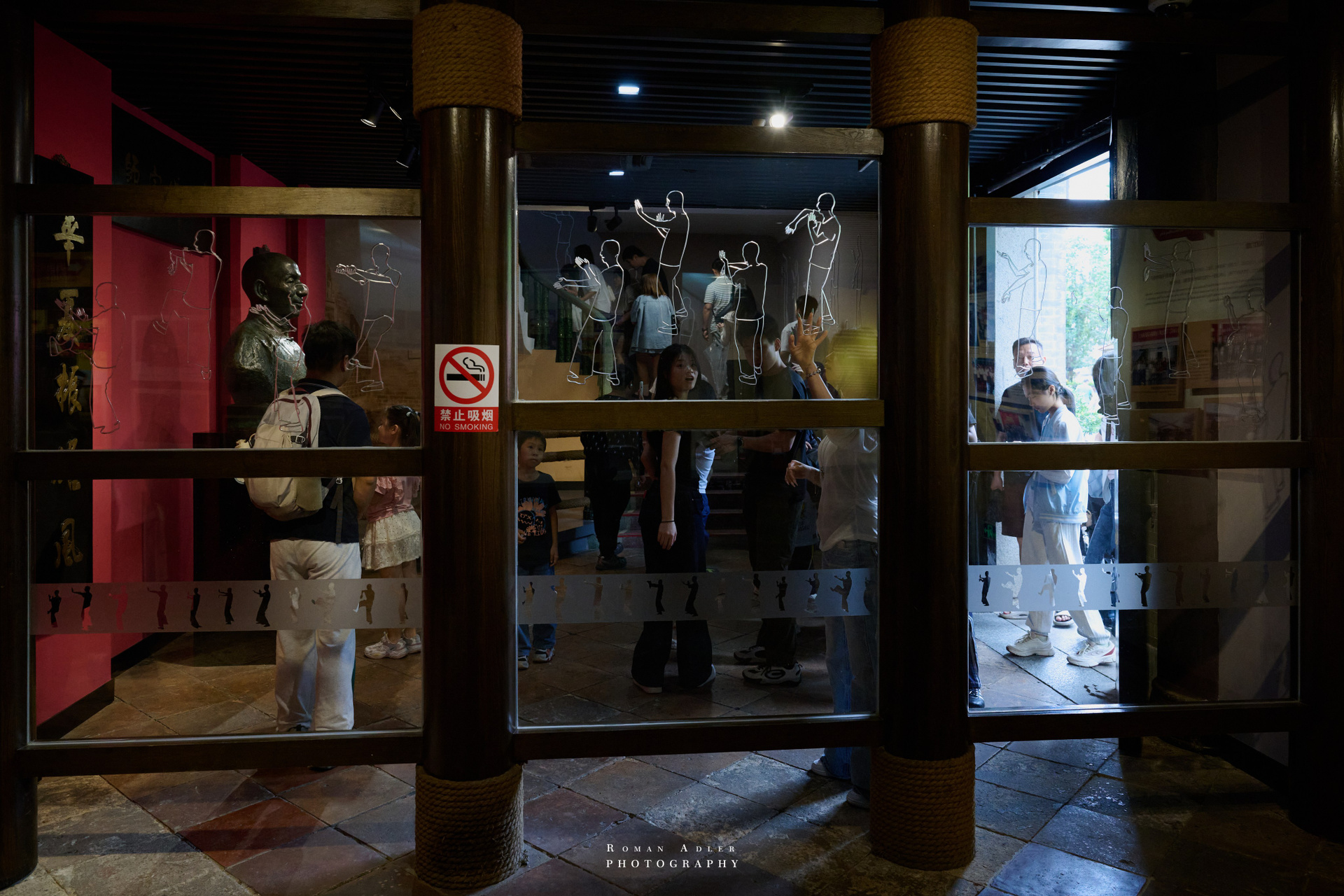
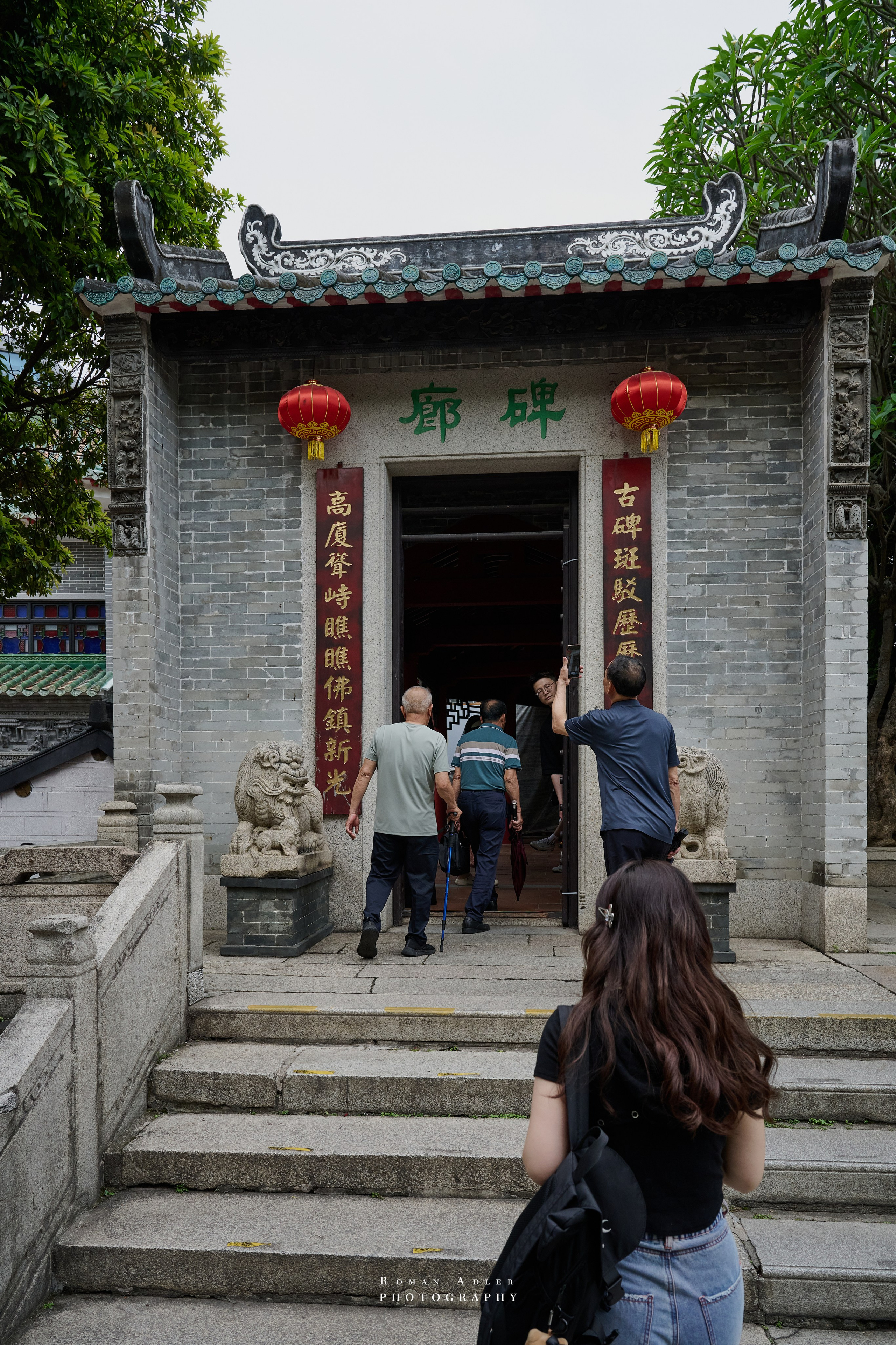
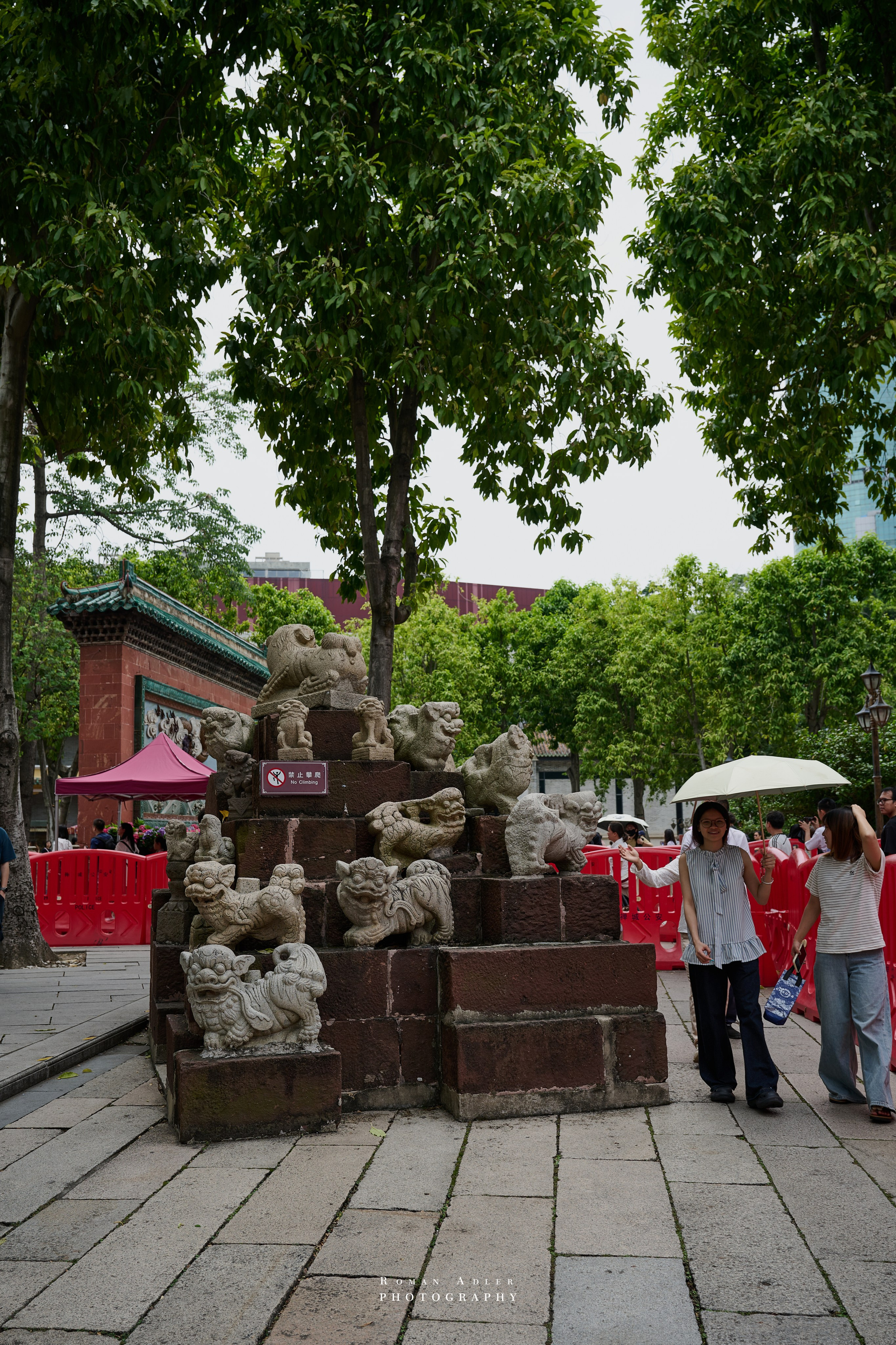
Contrary to popular belief, there is no separate “Wing Chun temple” in the city. The main point of attraction is the Ip Man Hall in the Ancestral Temple museum (Chancheng District, 21 Zumiao Road). It was opened back in 2002, and in 2018 it was completely renovated, turning it into a modern space with a historical soul.
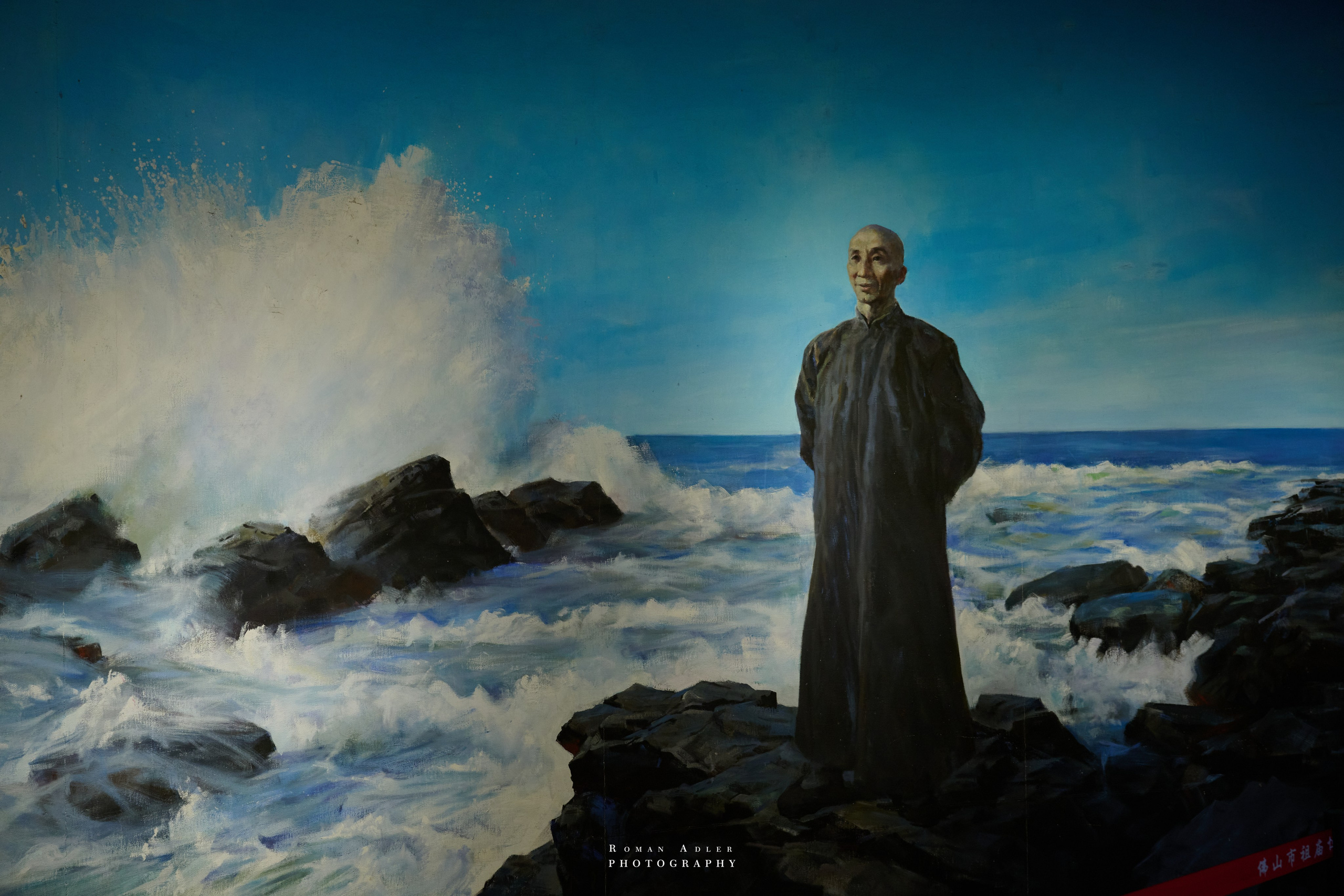
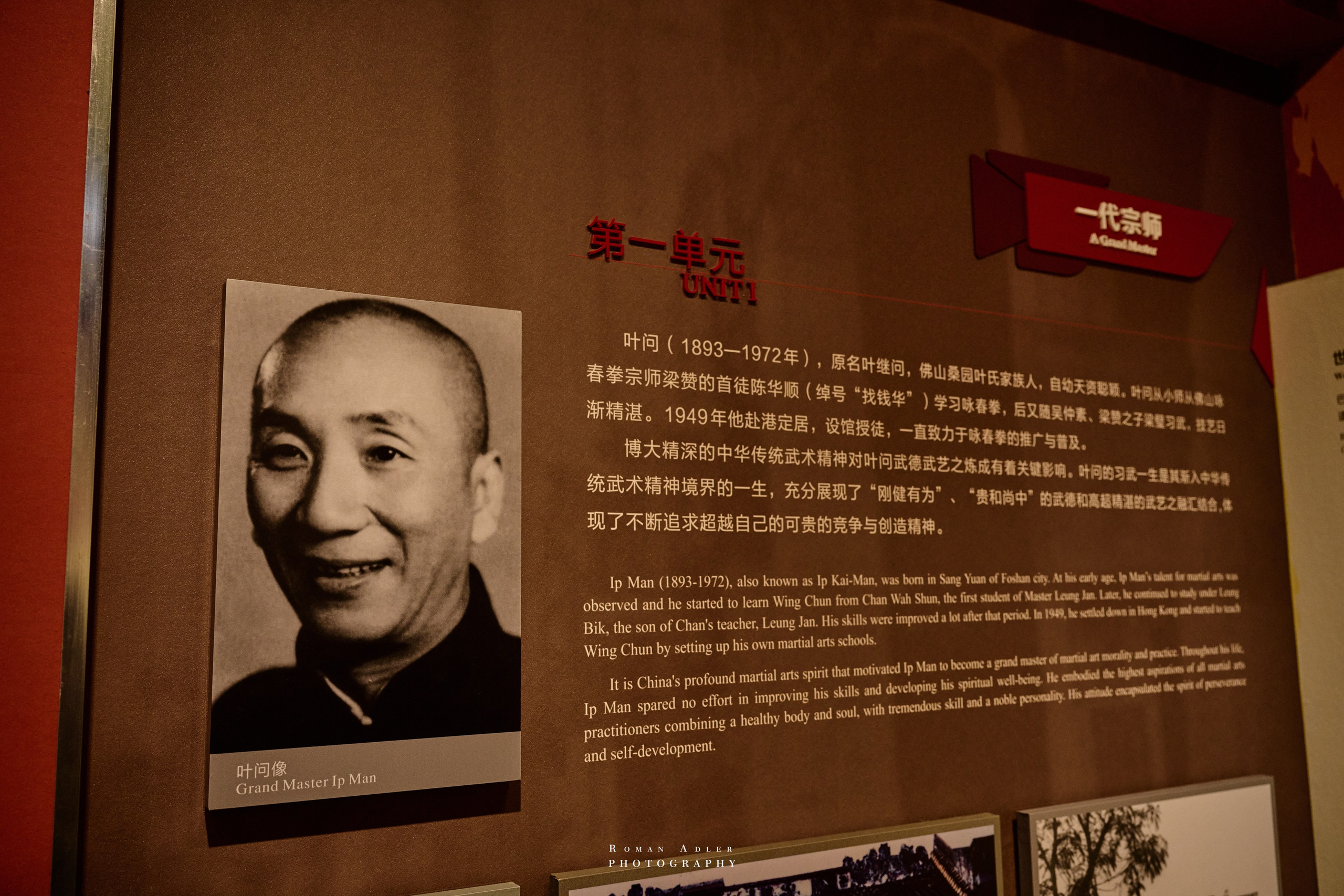
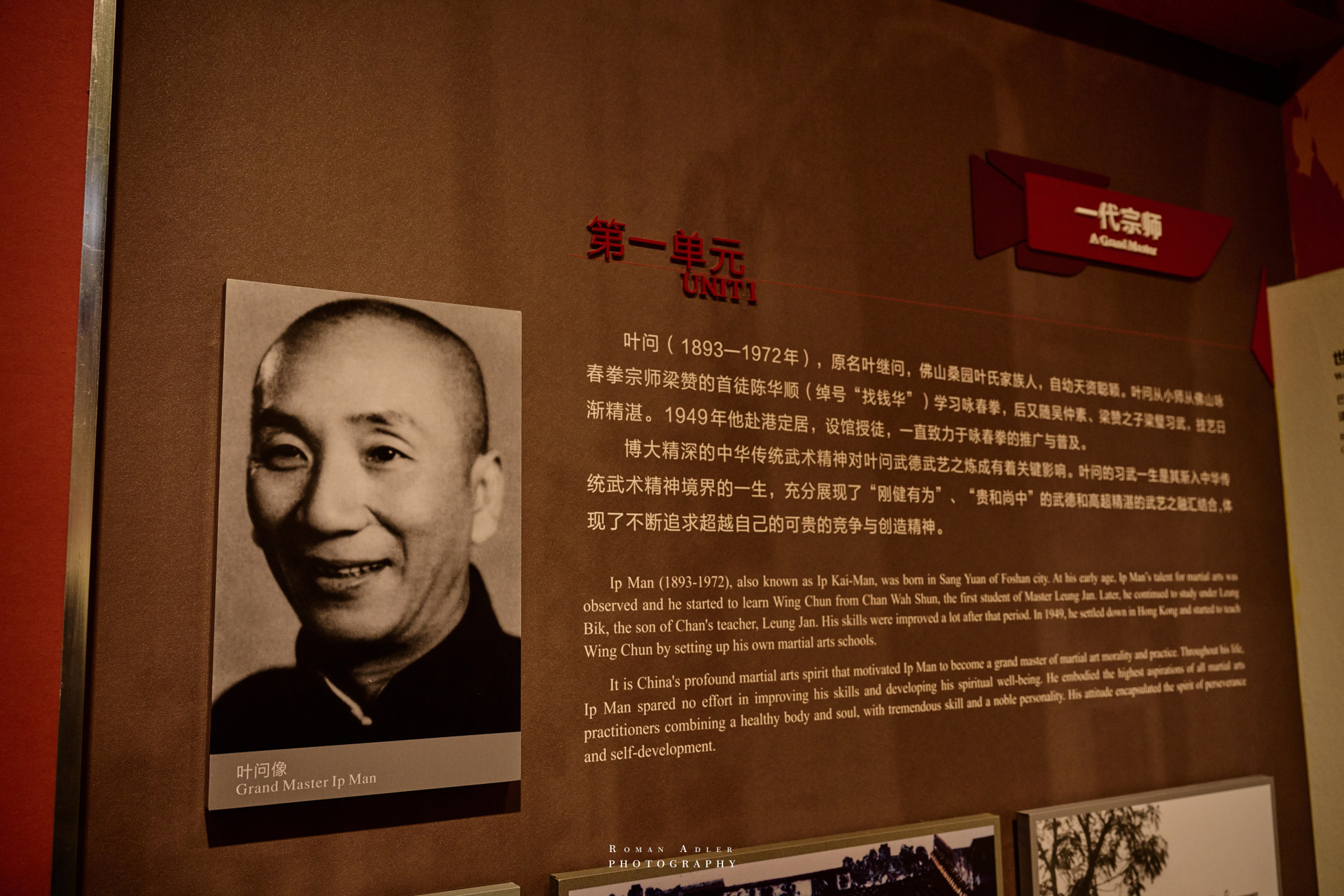
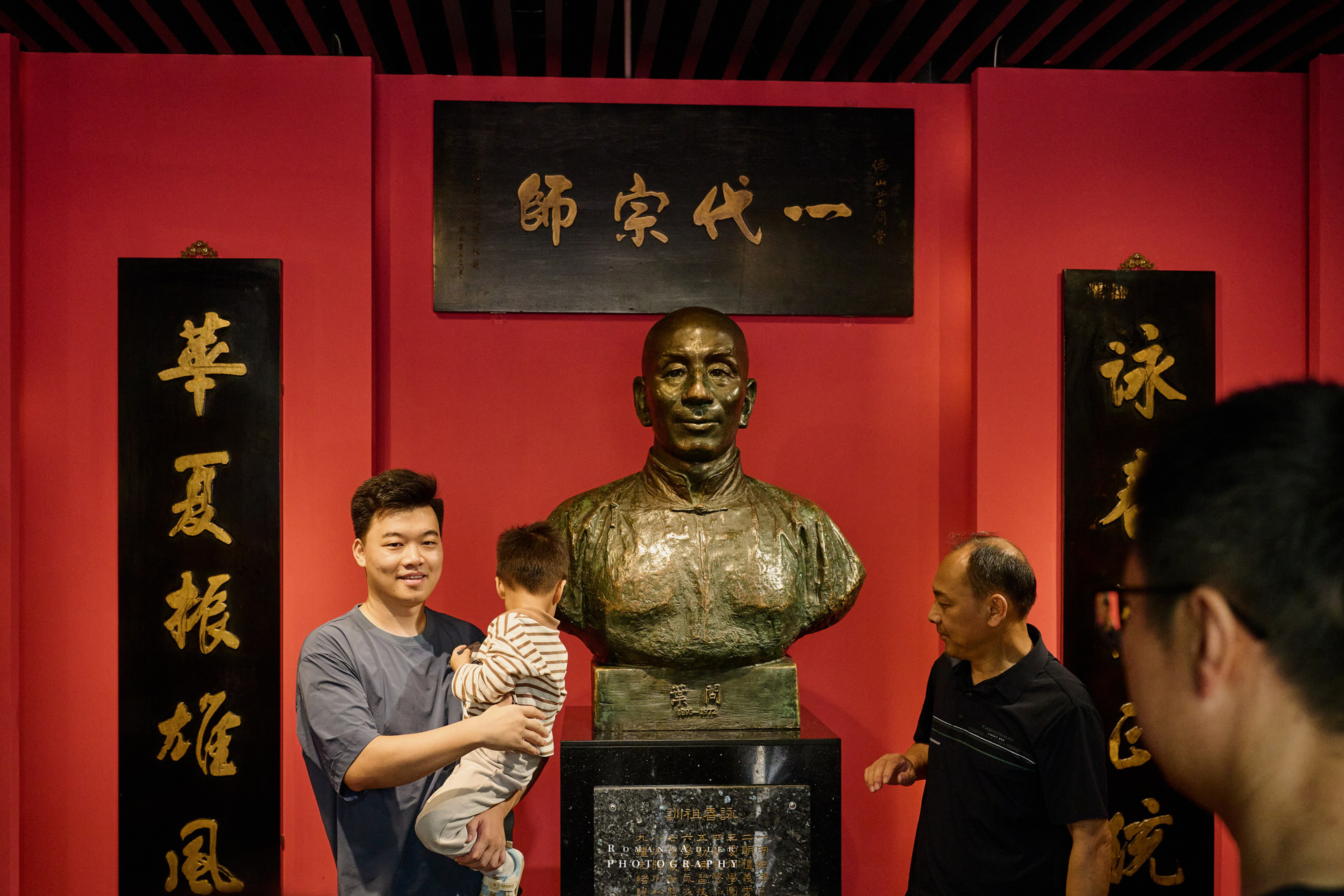
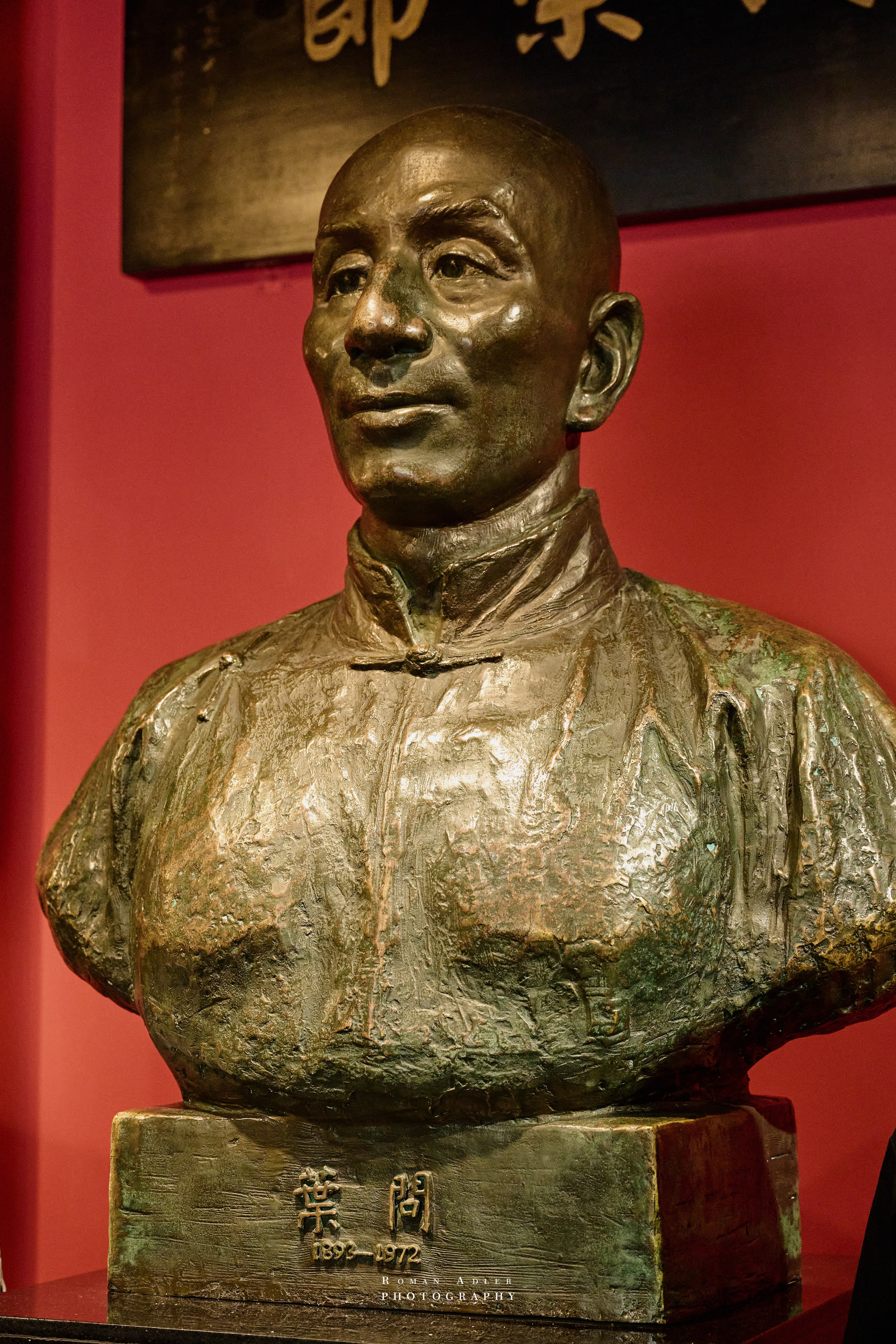
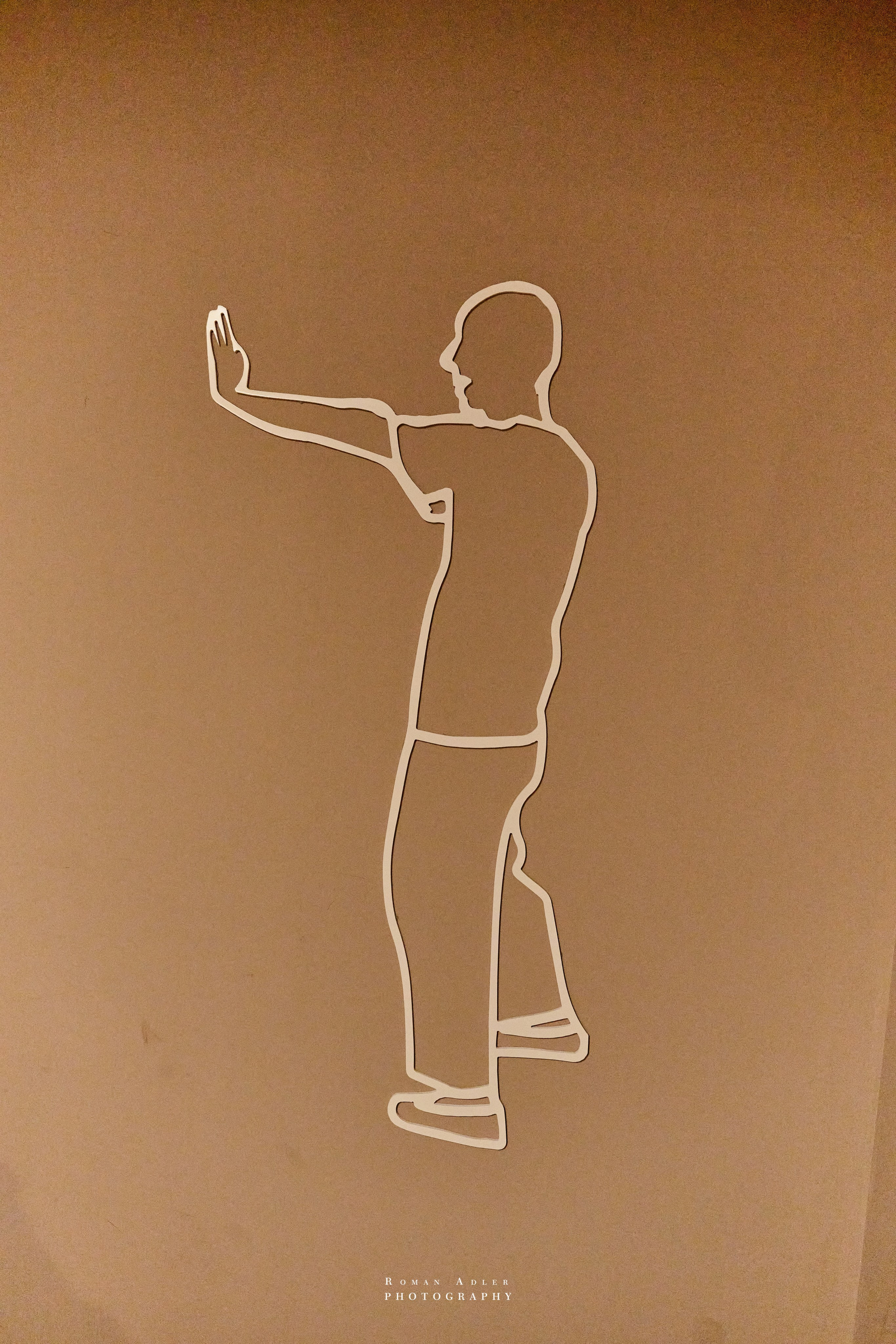
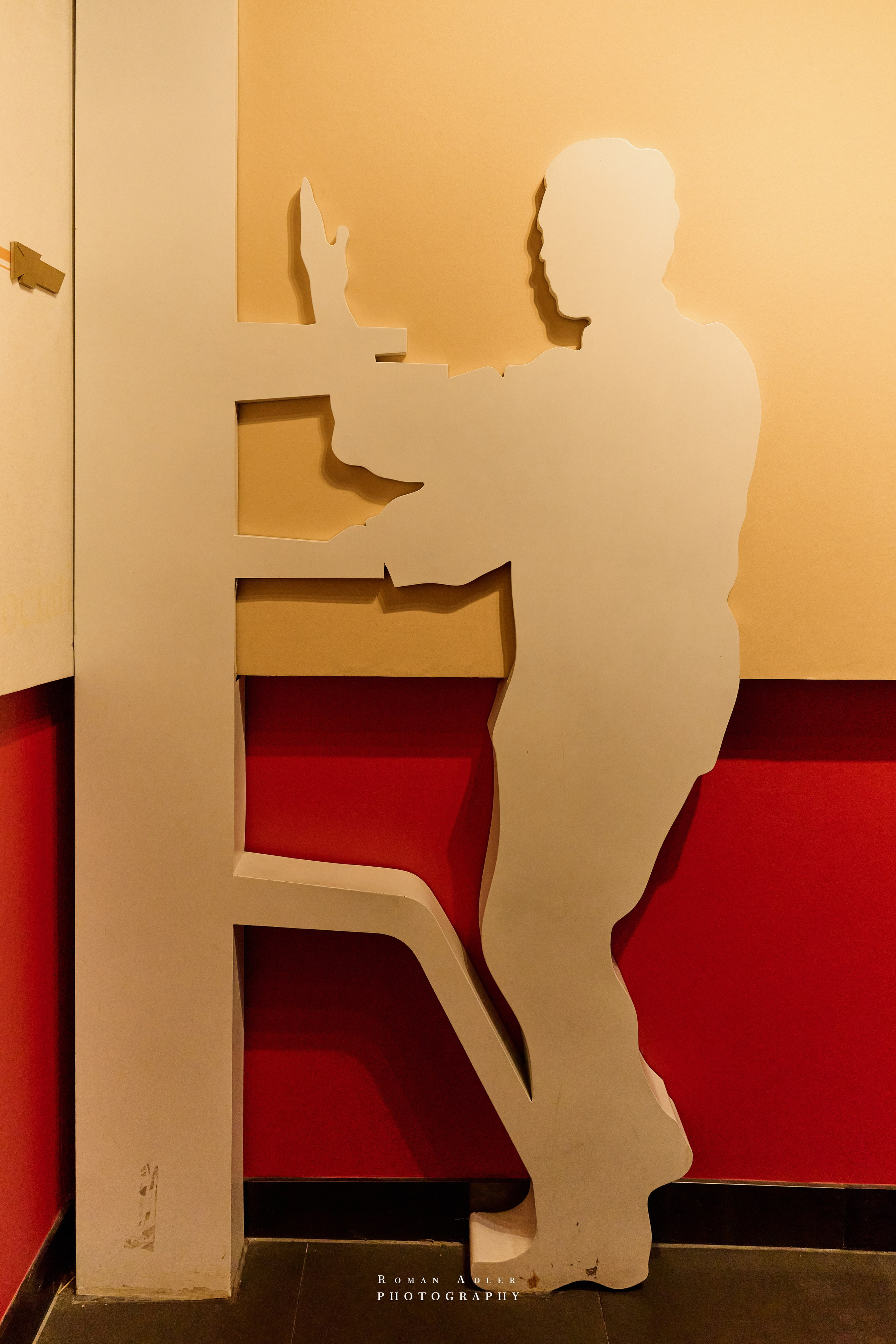
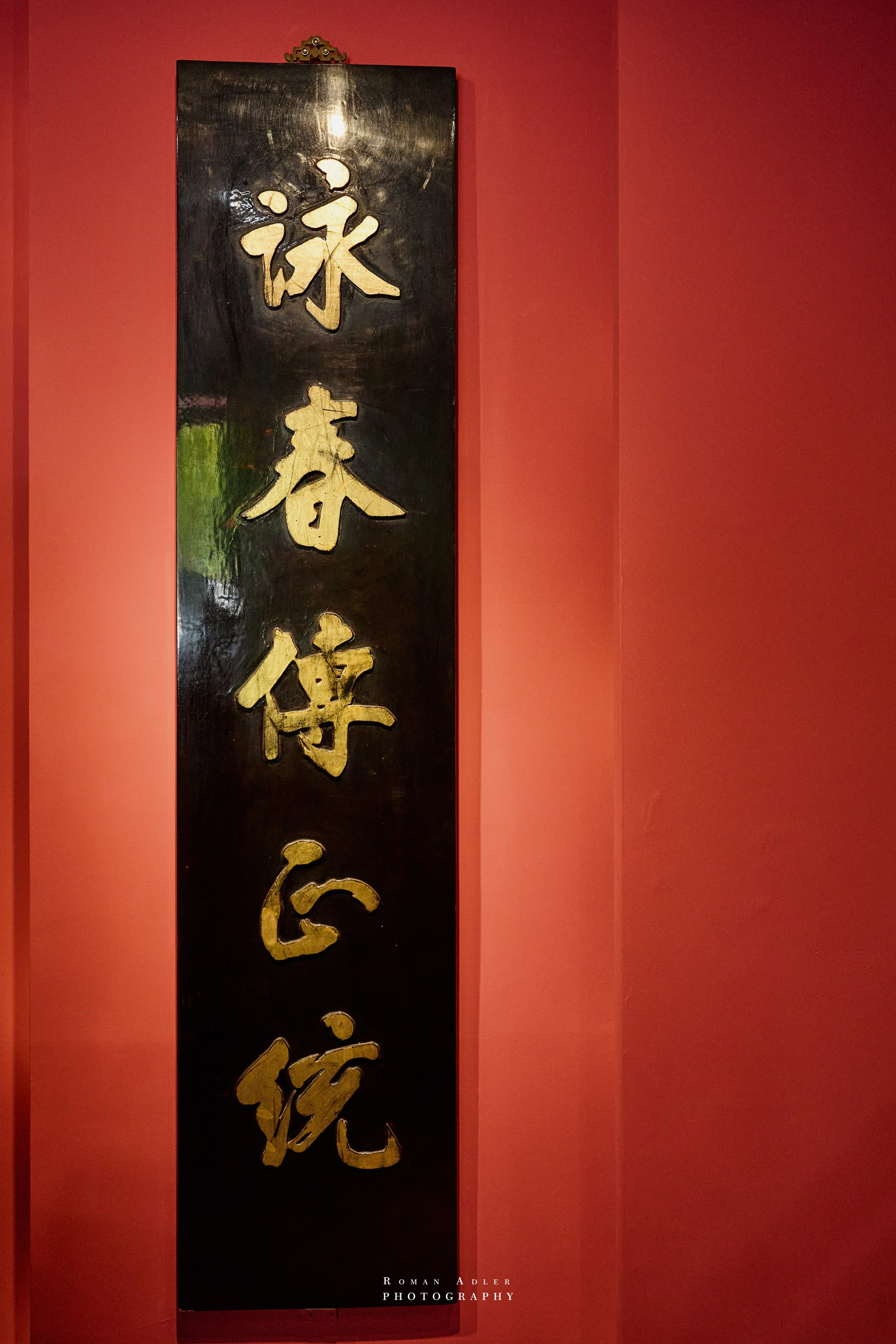
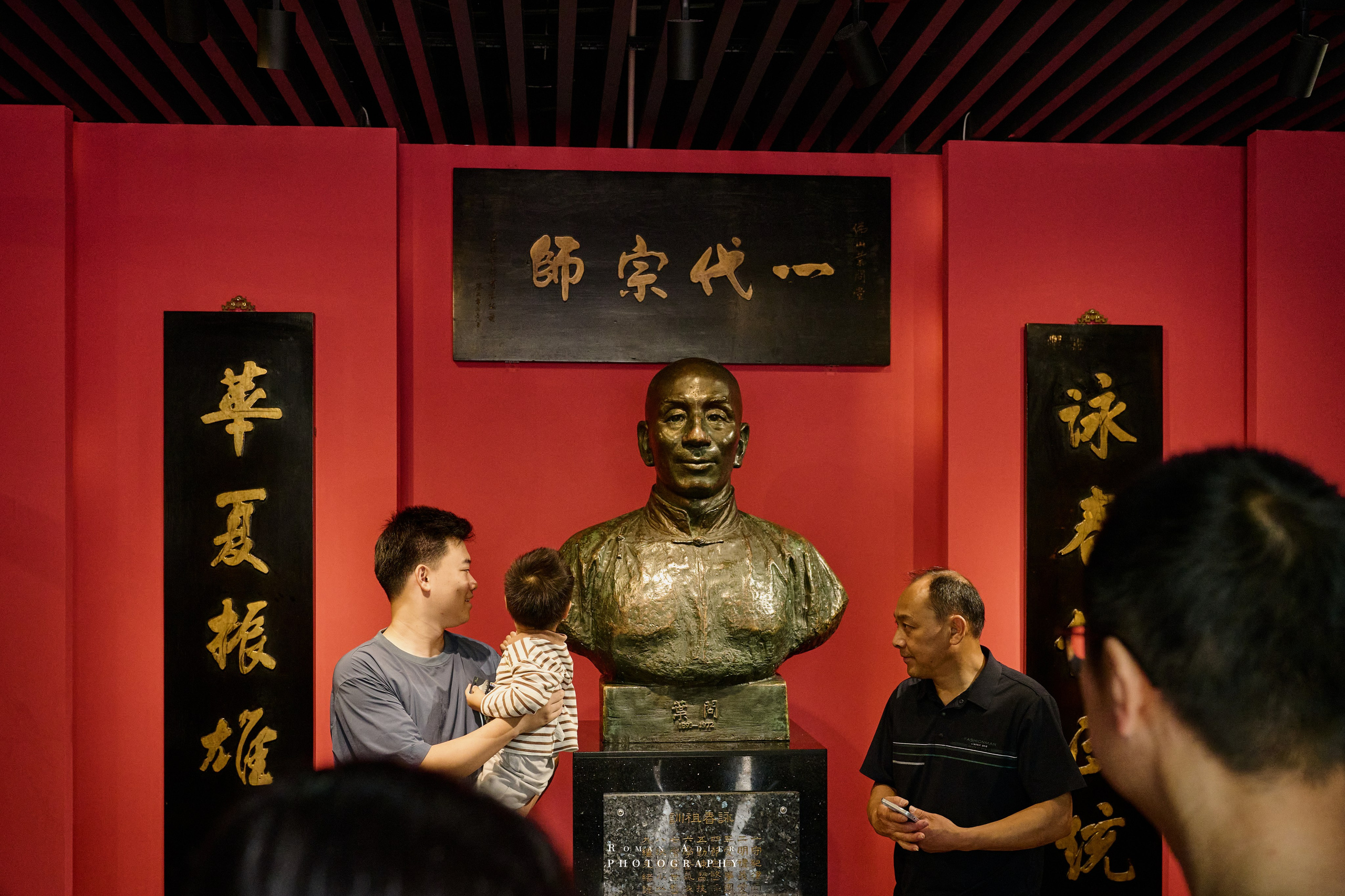
This is not just a hall with photographs. It is a two-level space of almost 600 square meters, styled after Qing Dynasty architecture. Right at the entrance, you are greeted by a bronze bust of the master and the characters “一代宗师” — “Grandmaster”. But behind this solemnity hides not pomposity, but the essence: a teacher is one who transmits not only technique, but a way of seeing the world.
The Weight of Wood and the Lightness of Thought
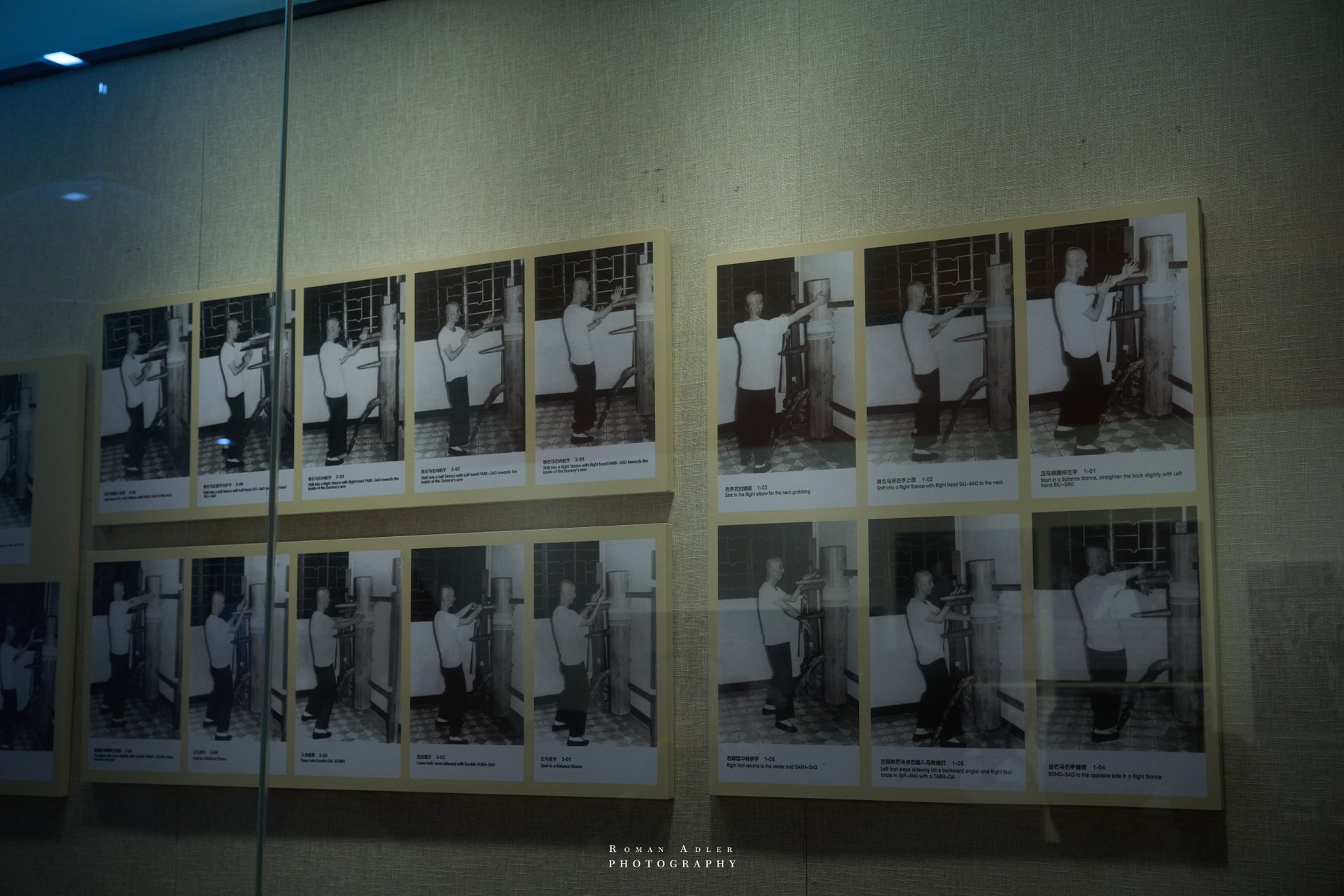
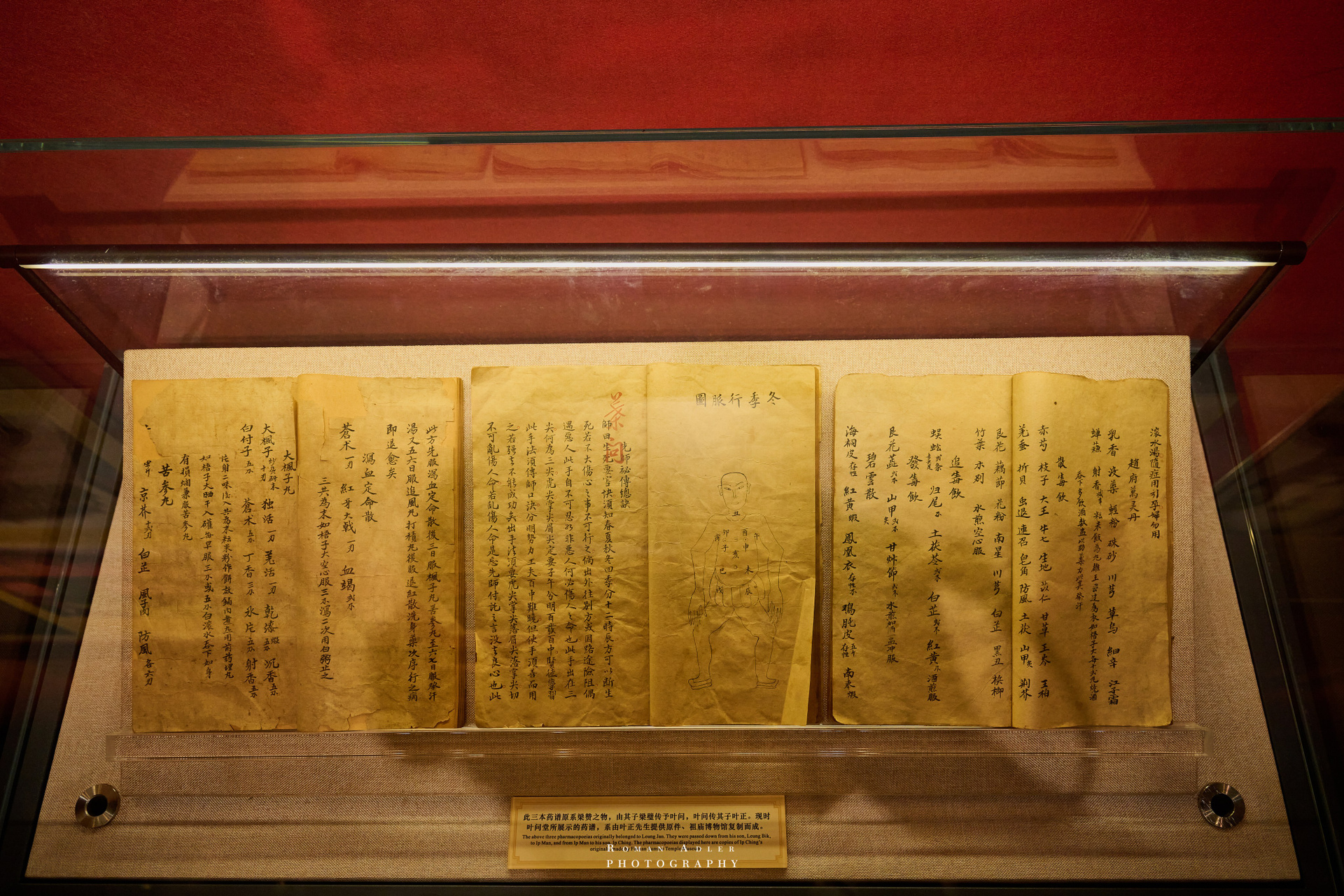
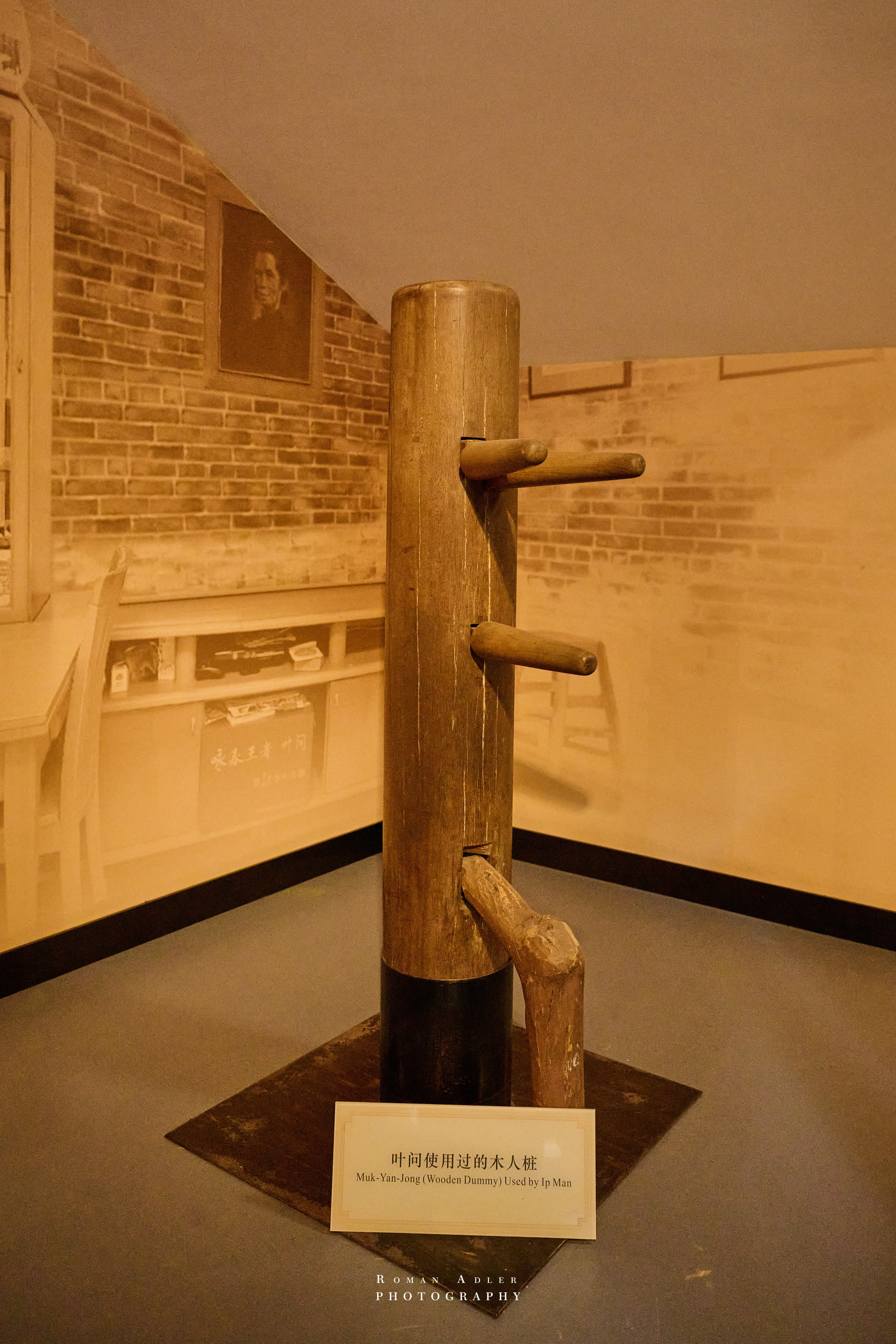
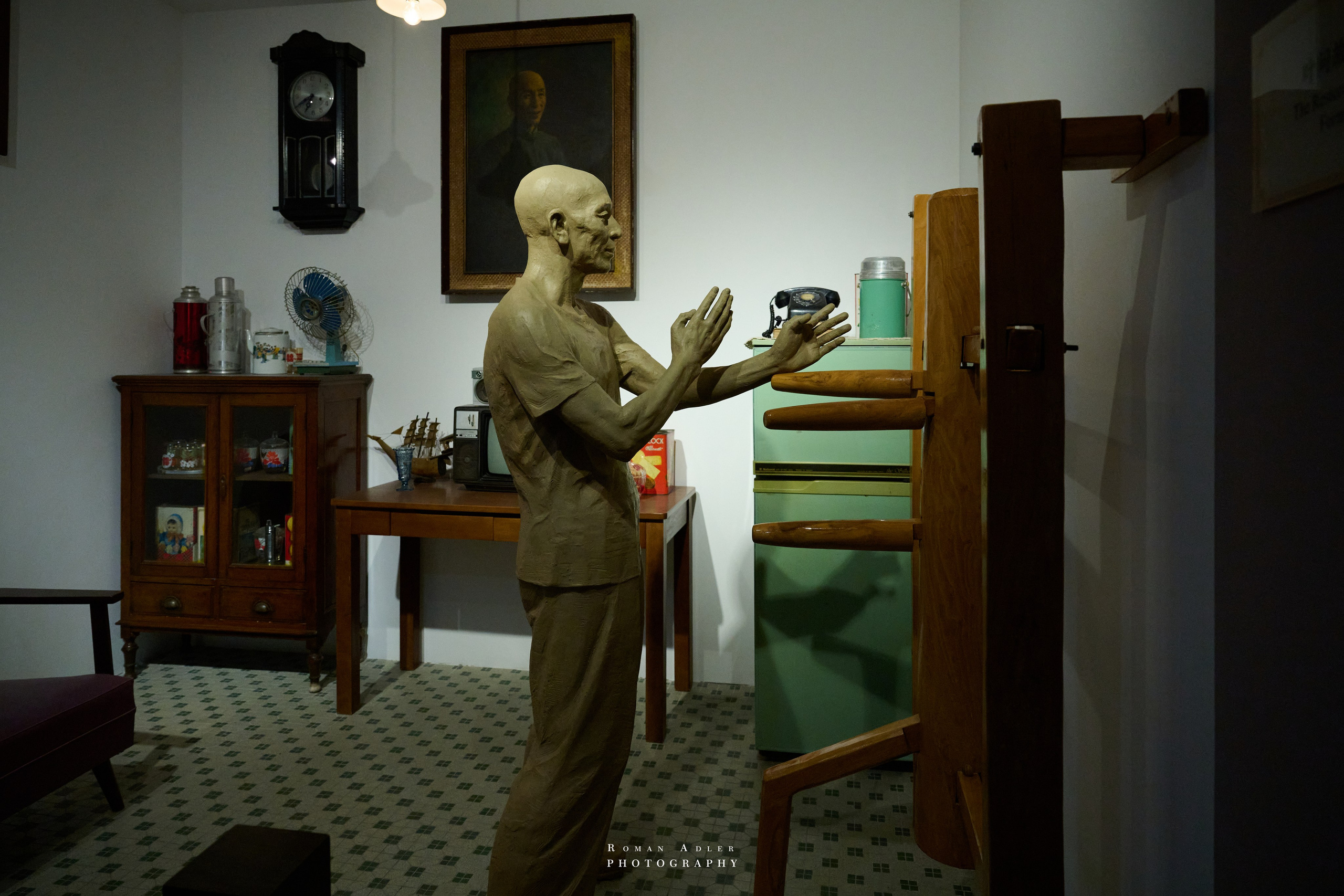
In the display cases are Ip Man’s authentic belongings: his shoes, a training bag and, most importantly, the legendary “wooden dummy” (muk yan jong). It bears the marks of thousands of strikes — that very energy of the old school of kung fu that cannot be imitated.
But the true value of these objects is not in their age or historical worth. It lies in the fact that they remind us: form without content is dead. The wooden dummy is not a machine for muscles; it is a partner for dialogue. You hit it, and it answers you with its stillness, forcing you to seek precision rather than force. This is the paradox of discipline: to gain freedom, you must first accept limitations.
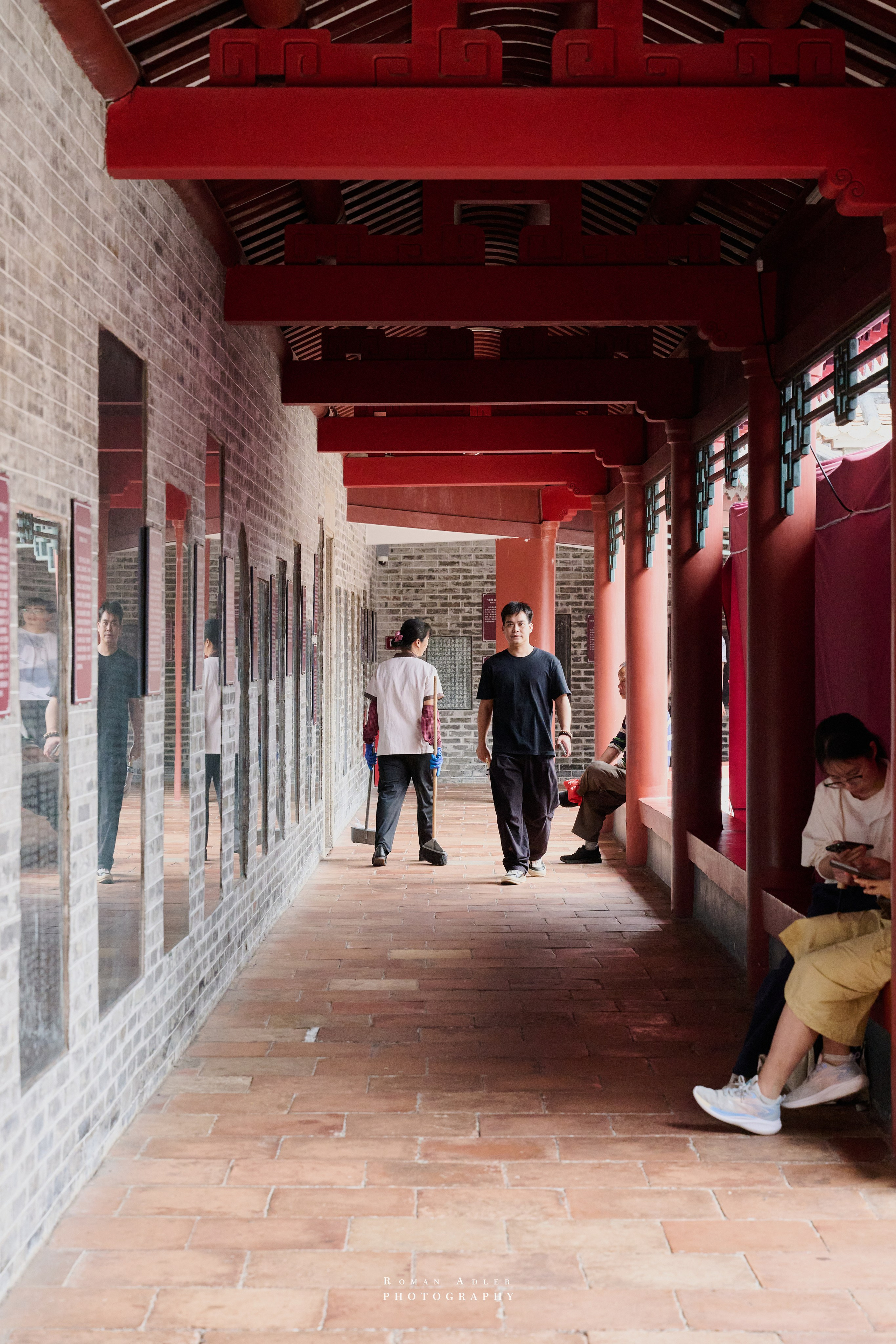
On the second floor, an exact replica of the master’s 1960s Hong Kong room, where he lived and taught, has been recreated. The interior was restored from the memories of Ip Man’s son — Ip Chun, which is why the atmosphere there is incredibly alive. There is no museum coldness here — there is a sense of the presence of a man who knew how to be strict and gentle at the same time.
The Quiet Revolution
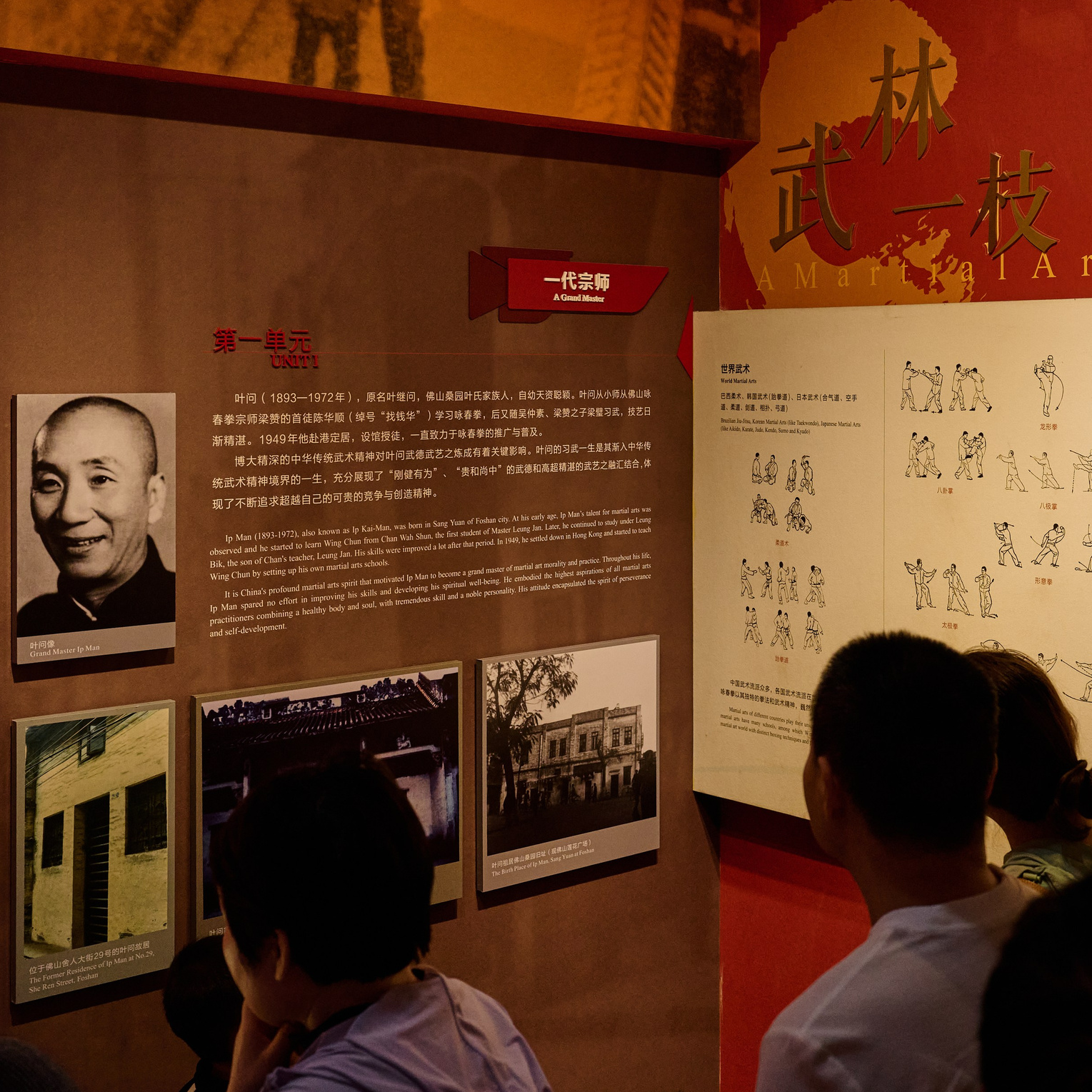
Ip Man was not just a “tough fighter.” He was a revolutionary in teaching — and this revolution was quiet, almost imperceptible.
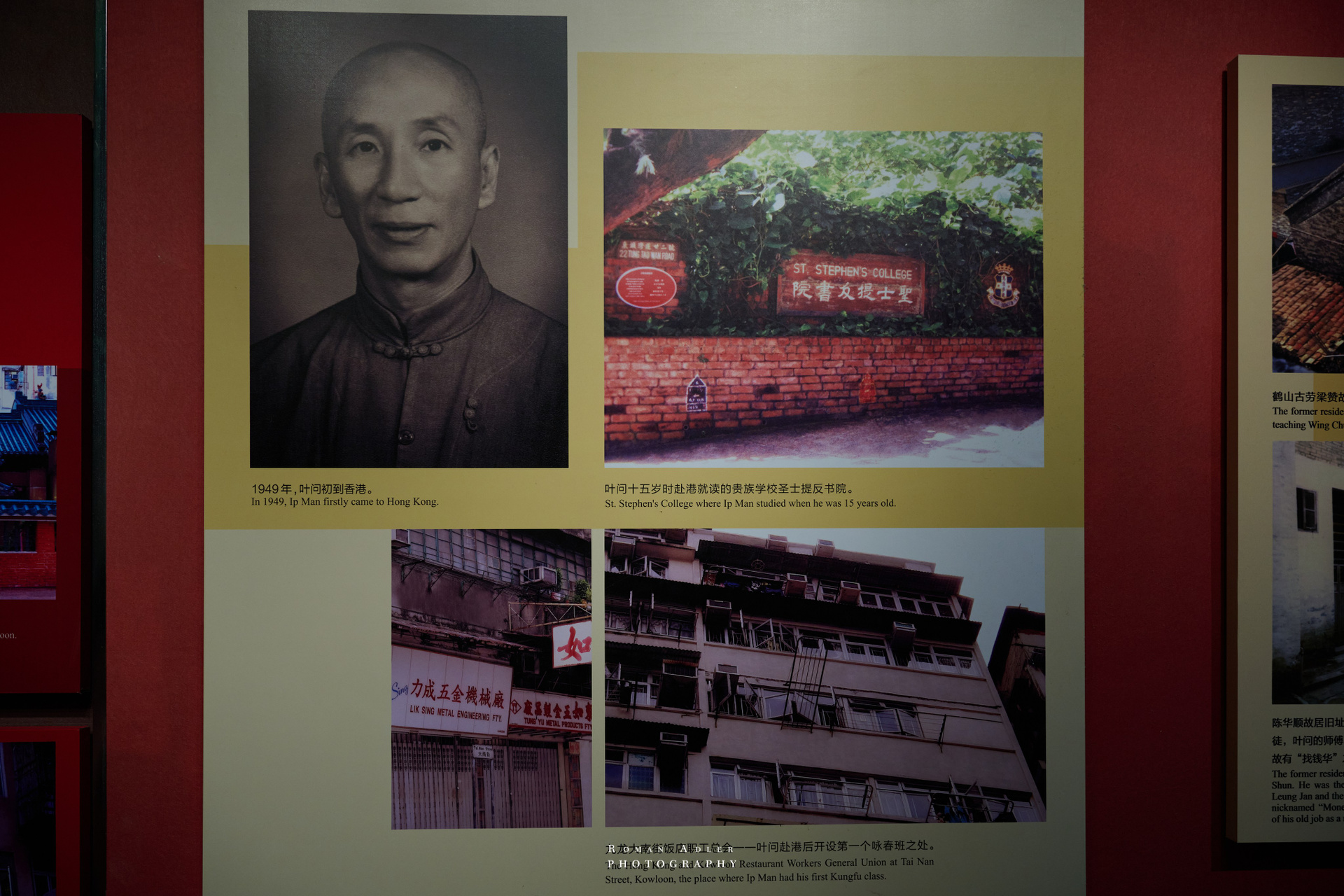
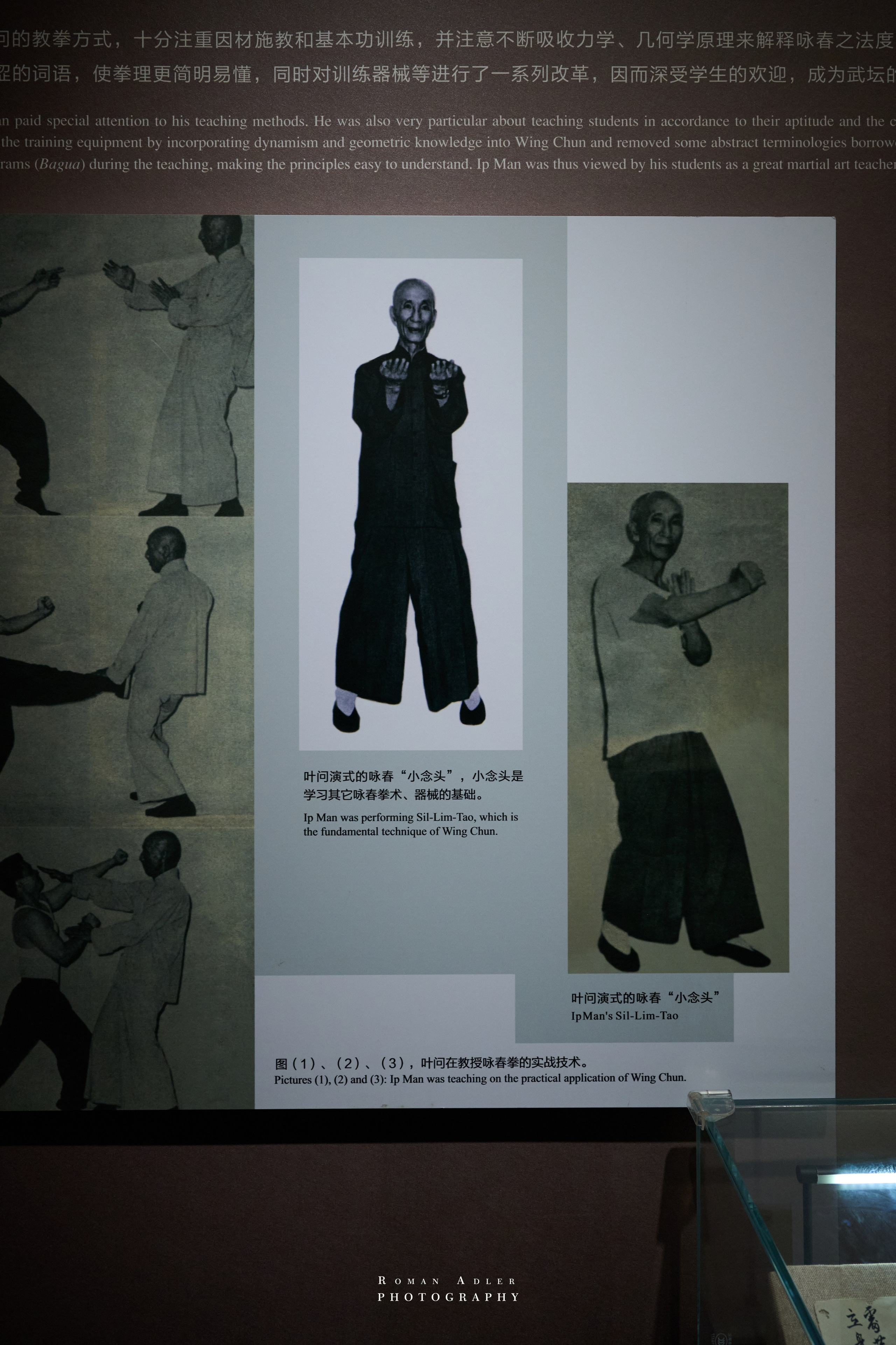
In those days, it was believed that the secrets of mastery were passed down only to the chosen few. Ip Man broke this rule: starting in 1949 in Hong Kong, he began teaching everyone who wished to learn, systematizing the knowledge. He simplified the complex hierarchical relationship between teacher and student, abandoning outdated rituals in favor of the direct transmission of experience. His school became not a business, but a way to help people — he treated his students as family, and in his class there were no “firsts” and “lasts.”
He replaced vague traditional terms like “两仪八卦” (Two Poles and Eight Trigrams) with understandable modern words explaining the principles of combat — so that people from different cultural backgrounds could quickly grasp the essence. It was a rejection of elitism in favor of openness. And this is exactly what led Wing Chun to step out of the shadows — not because it became more aggressive, but because it became more understandable.
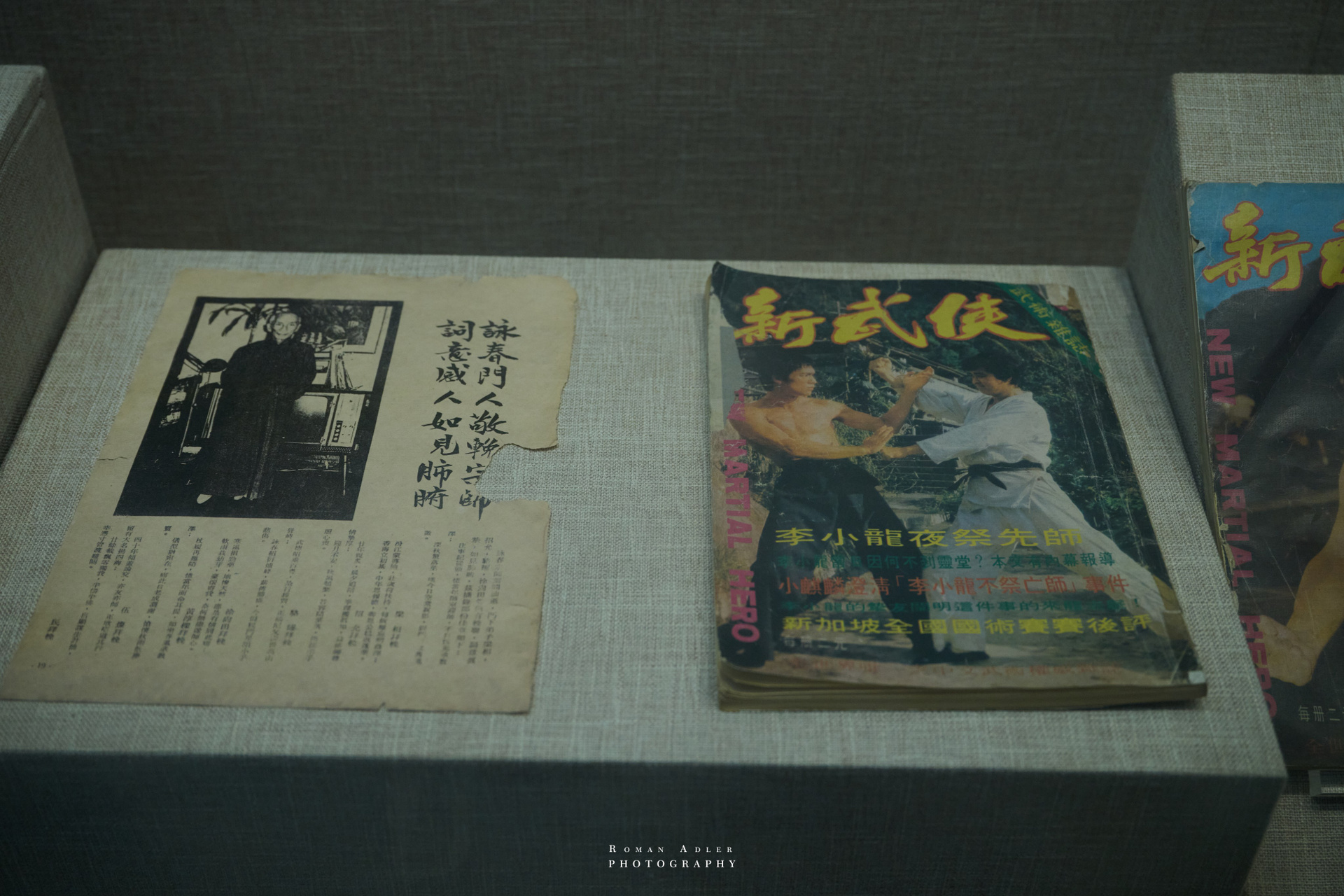
In the exhibition, there is a separate stand dedicated to his most famous student — Bruce Lee. When Bruce began to depart from the classics, creating his own style of Jeet Kune Do, many criticized him. But, according to stories, Ip Man was proud of his student, understanding that it was he who instilled in him the spirit of innovation. A teacher who teaches not to copy oneself, but to seek one’s own path — this is true transmission of knowledge.
Inner Demons
“We all have inner demons to fight. We call these demons 'fear', 'hatred' and 'anger'. If you do not defeat them, then a life of a hundred years will become a tragedy. If you defeat them, then a life of one day can become a triumph.”
This quote, attributed to Ip Man, reveals the essence of his philosophy. Kung fu is not about victory over others. It is about victory over oneself. And the Memorial Hall is not a place of worship for fists, but a space where you meet your own demons.
How to Plan a Visit
The hall is located inside a huge museum complex, so it is best to allocate at least 2–3 hours. Be sure to catch the lion dance performance and kung fu demonstrations. They take place daily at 10:00, 14:15 and 15:30. Seats fill up in advance, the best view is to the right of the drums. Museum admission is about 20 yuan, and at night (from 18:30) tickets are cheaper — 15 yuan. You can get there by metro (Guangfo Line, “Zumiao” station, Exit C) — a 5-minute walk.
Touching the Legend
Come here for the spirit. In Foshan, the air is saturated with history, and the Ip Man Hall is the best proof of that. Here you understand that Wing Chun is not just fighting in movies, but a whole philosophy, discipline, and a lifelong path.
All photographs are already available in a separate gallery below via the button.
This publication is part of the research project The Humans v.21. Act V “Russian Gaze. China.”


