Shenzhen: How a Fishing Village Became China’s “Silicon Valley”
A City That Built Itself from Scratch
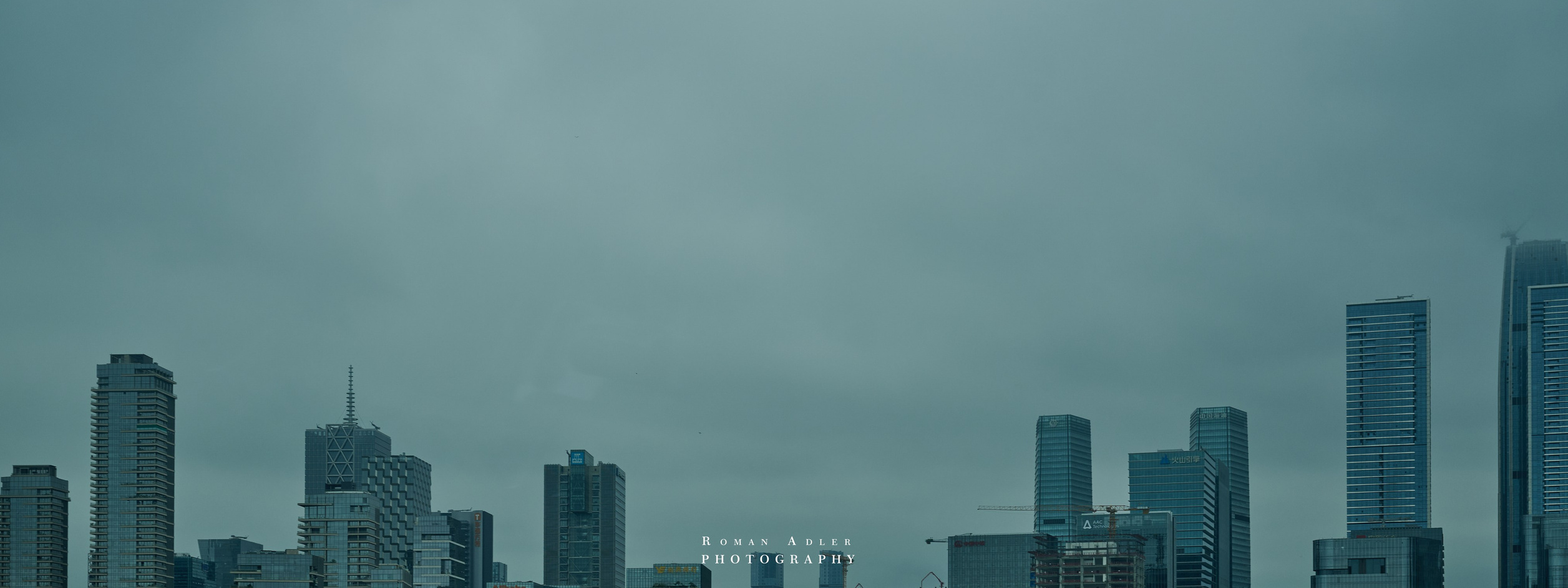
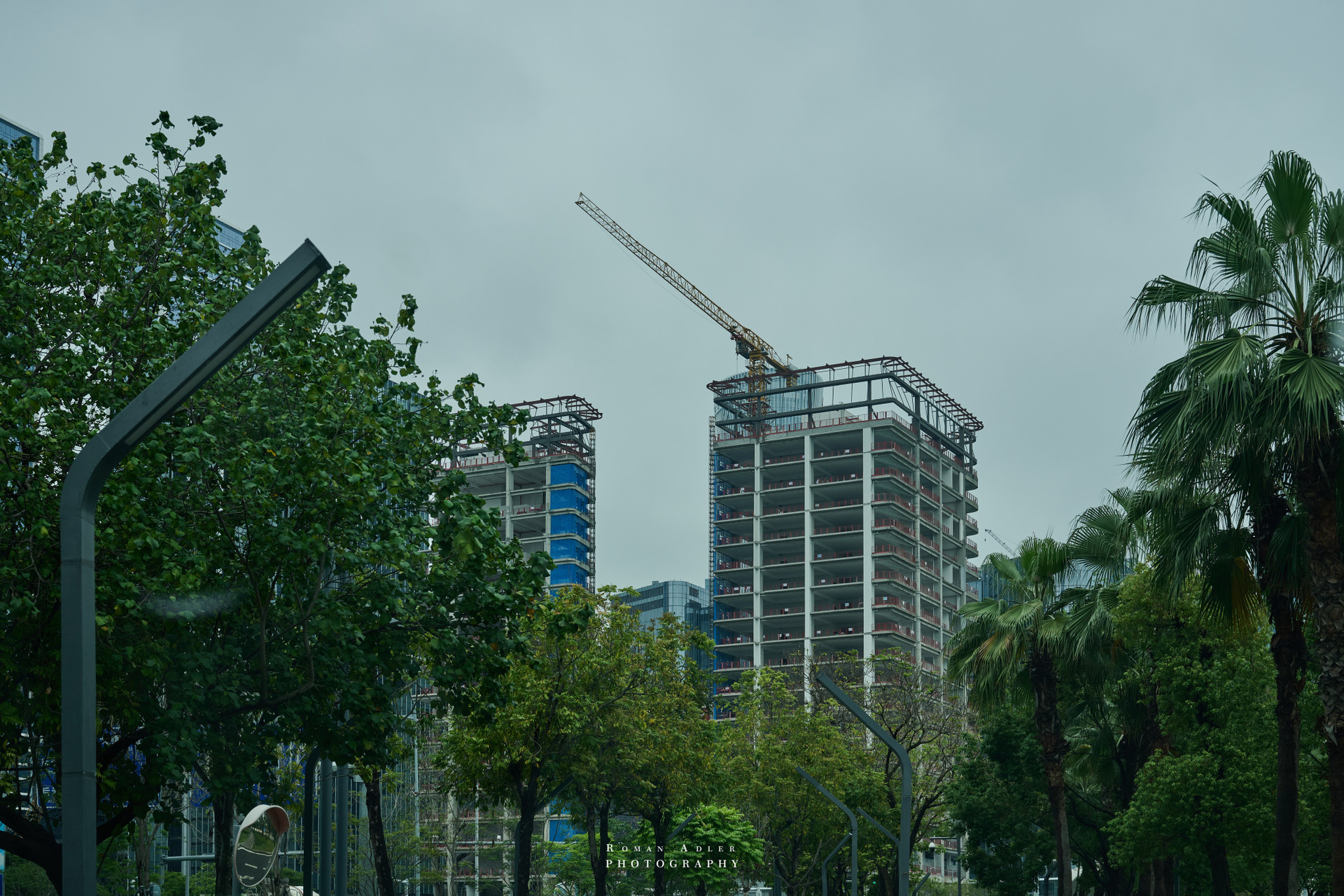
Imagine a city that simply did not exist on maps 50 years ago. Today, it is an ultramodern metropolis with a population of nearly 20 million, “China’s Silicon Valley, ” and a place where construction speed is measured in floors per day. Welcome to Shenzhen — a miracle city, built from scratch within a single human lifetime.
“The Master stood by a river and said: 'Everything flows on like this, without ceasing, day or night.'”
— Confucius, The Analects, Book 9
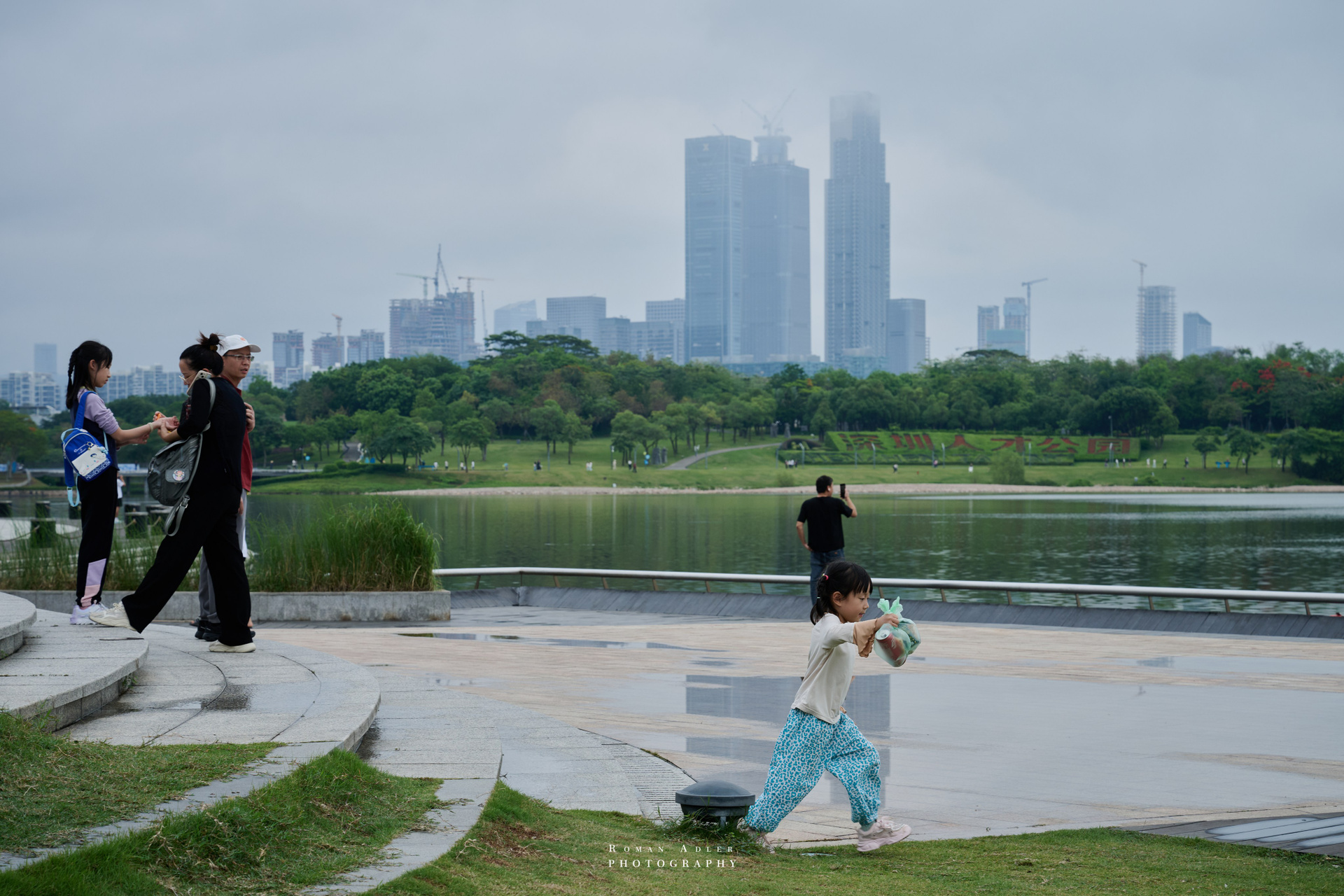
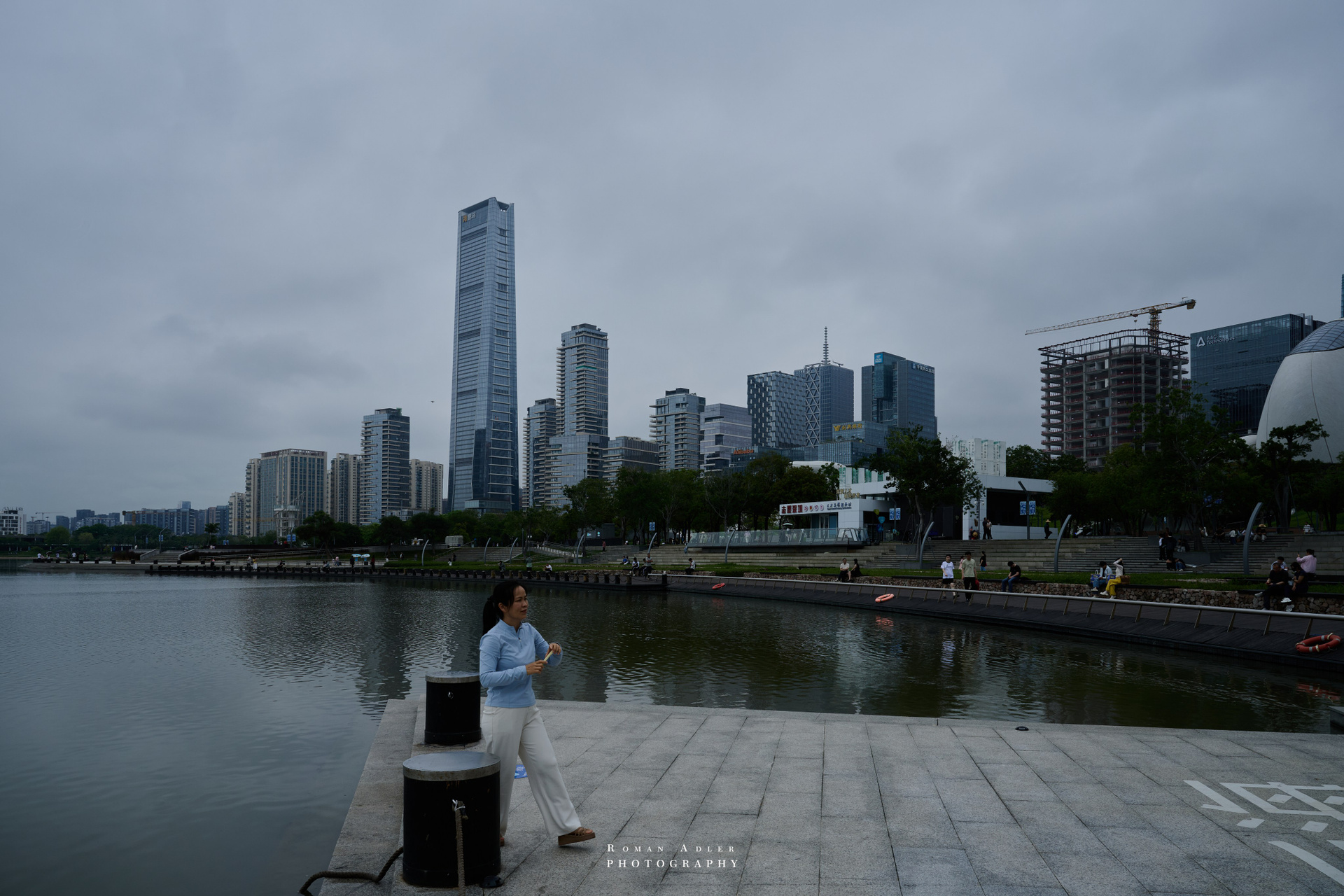
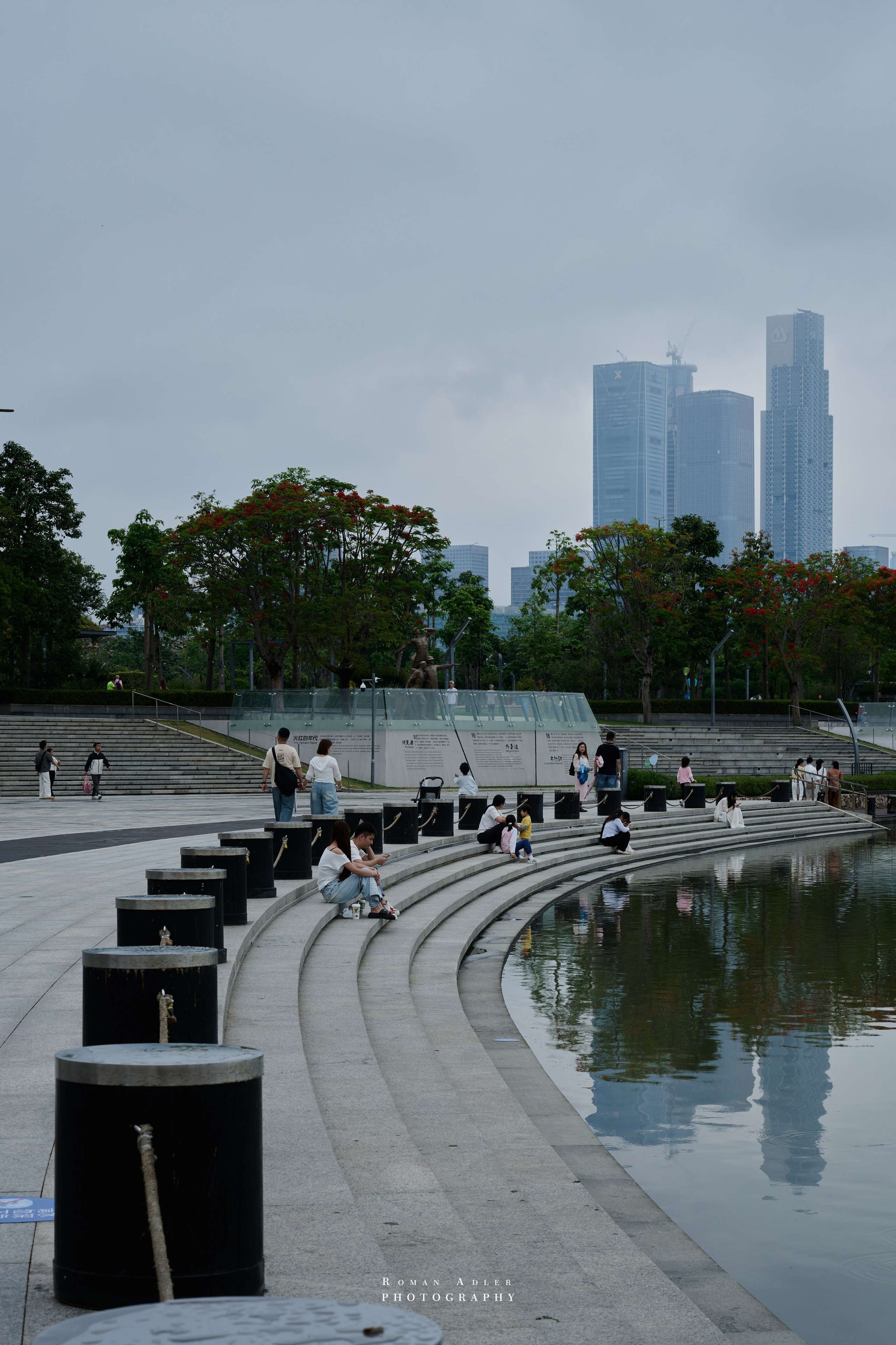
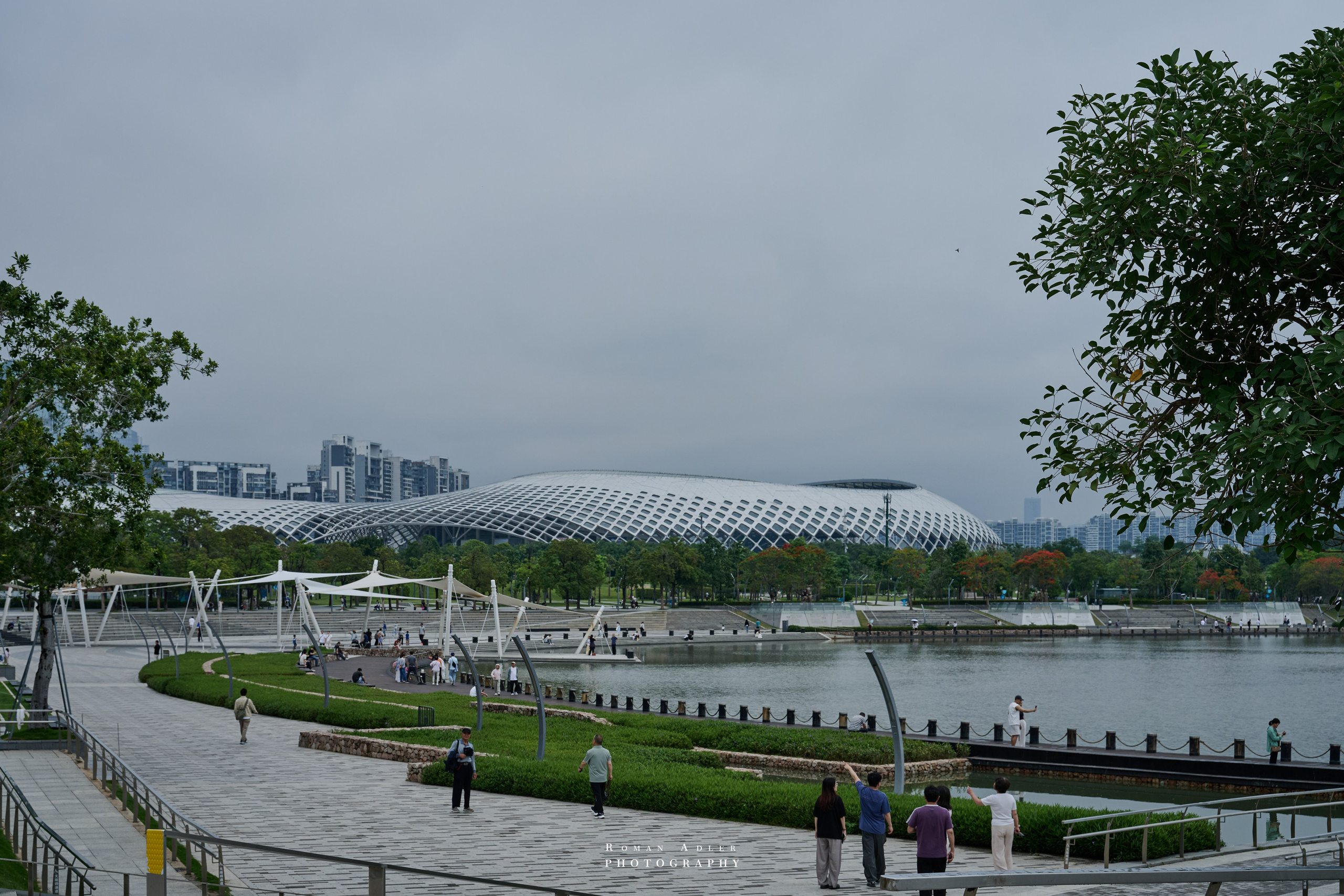
I stand on the Shenzhen waterfront and watch the water. Somewhere out there, beyond the strait, is Hong Kong. And beneath my feet — a city that shouldn’t exist.
Back in the 1970s, this was a fishing village of about thirty thousand people. The name “Shenzhen” translates as “deep furrow” — a ditch left in a rice paddy by water and time. A place where water wore away the stone. Slowly. For millennia.

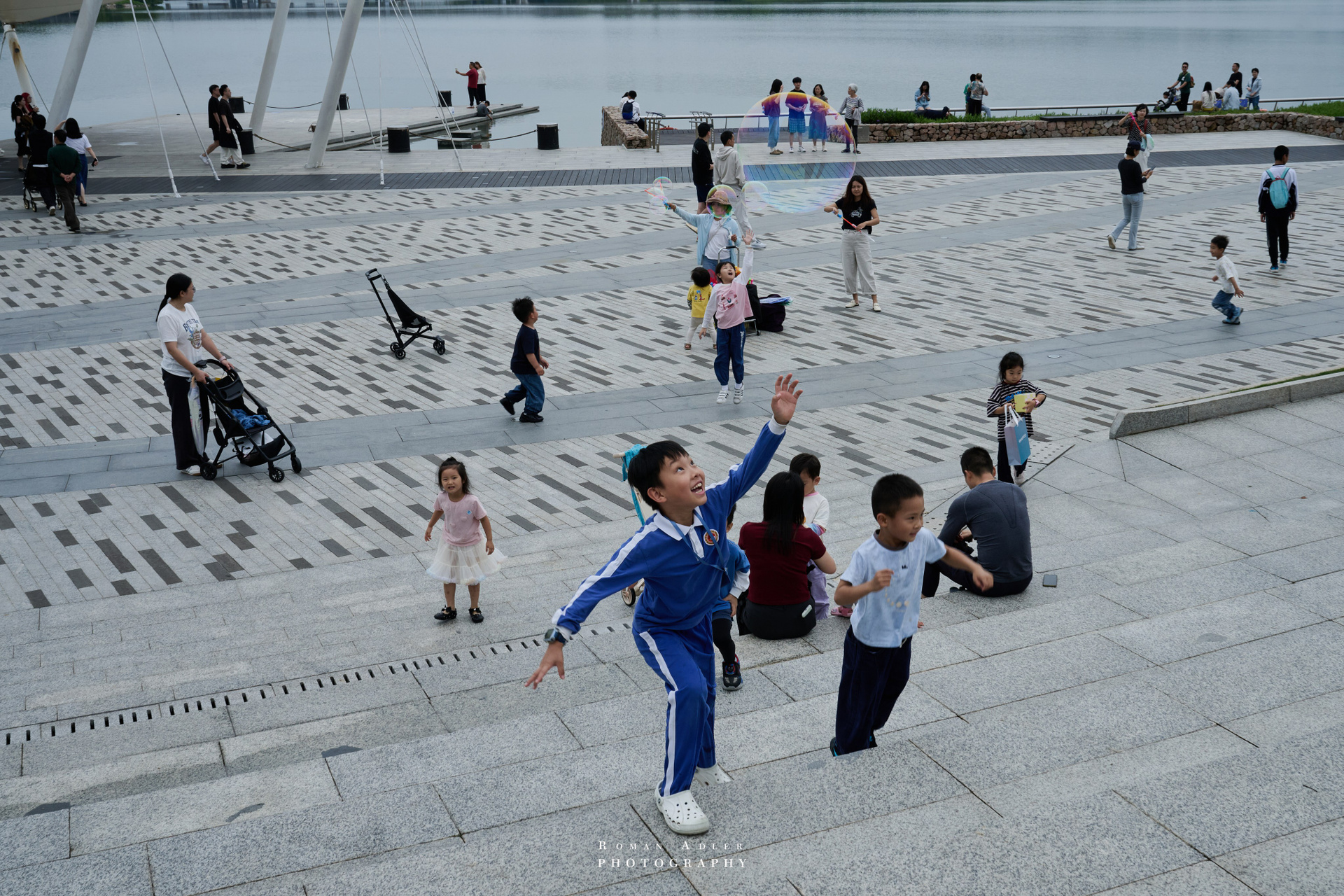
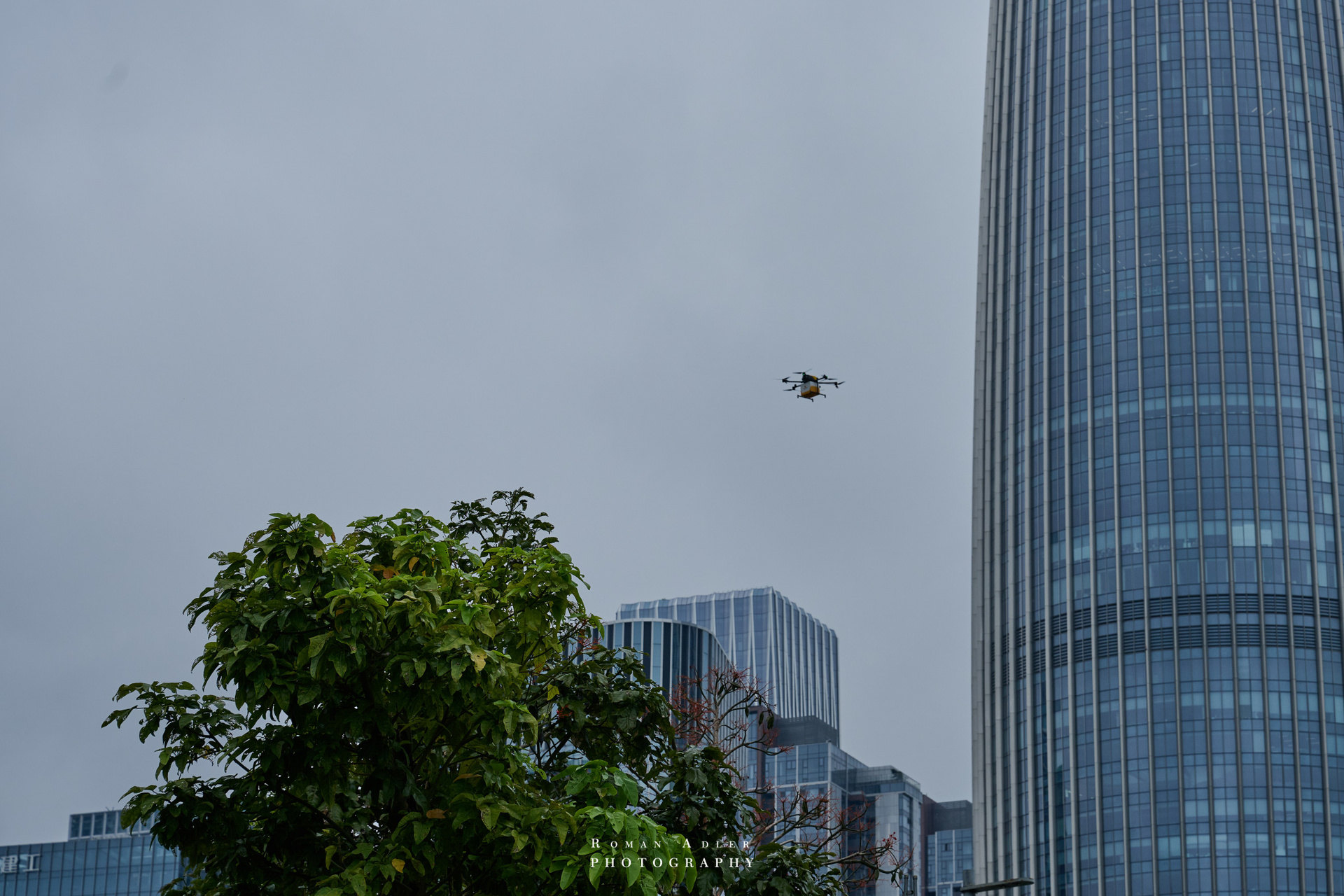
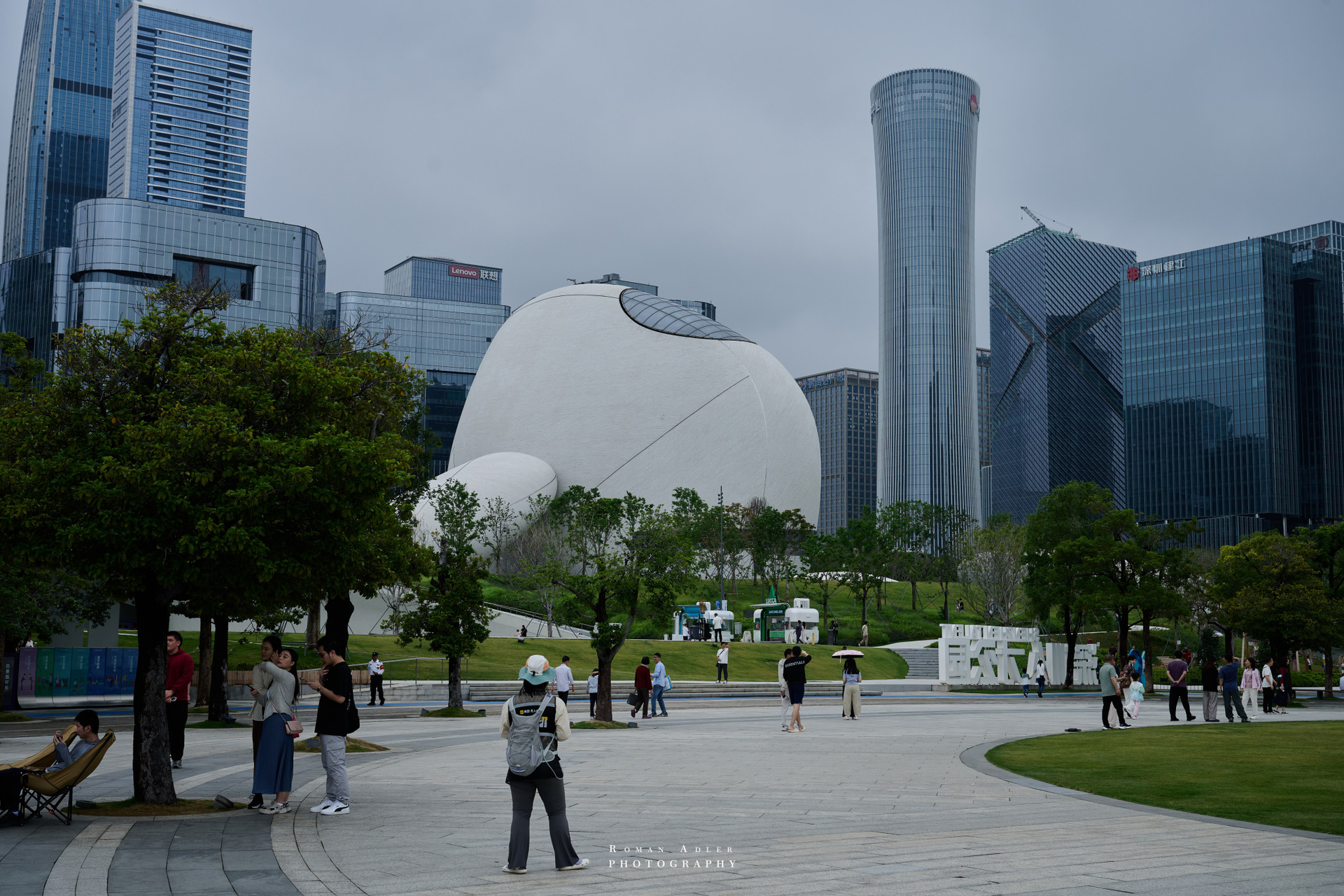
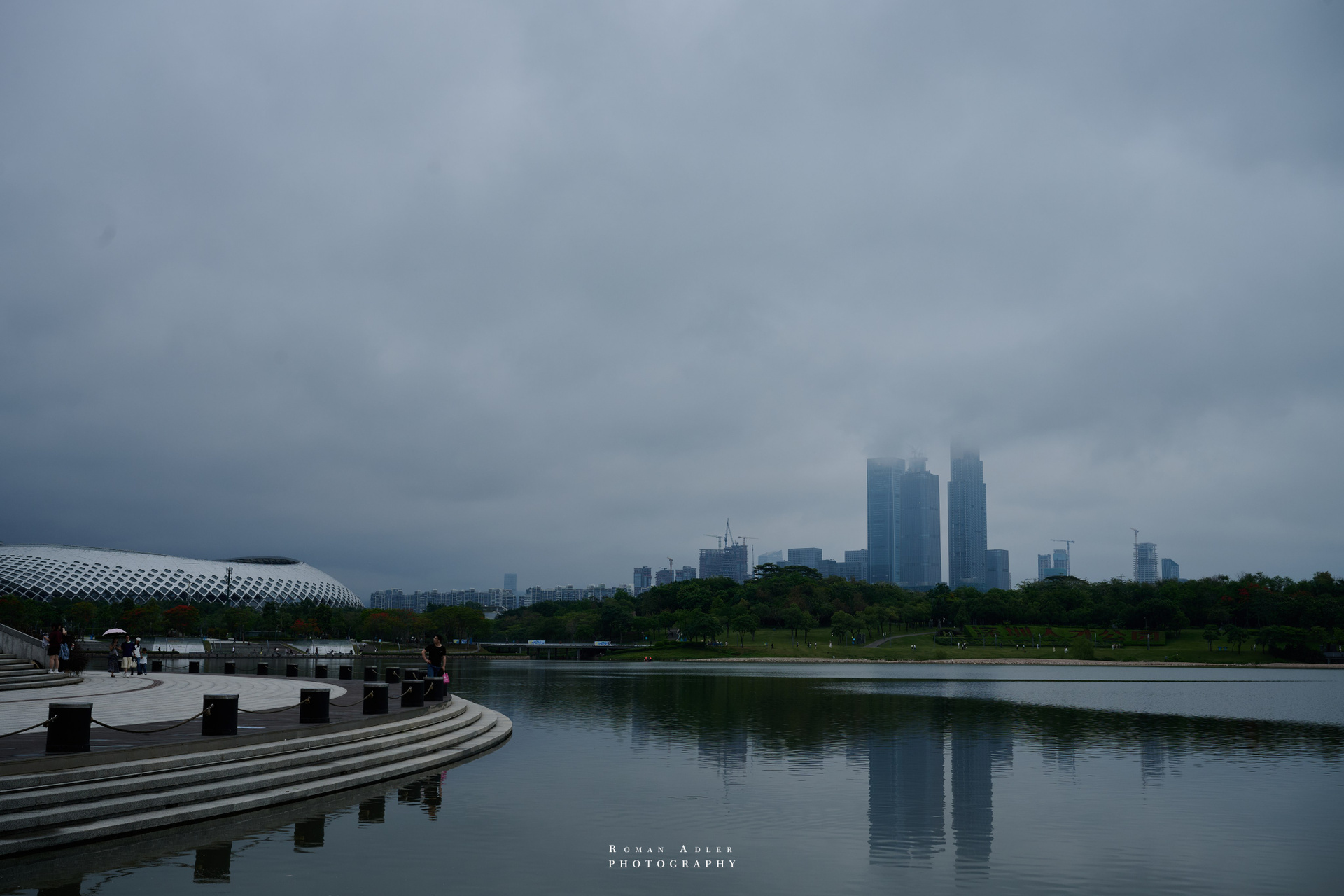
A City Without a Past
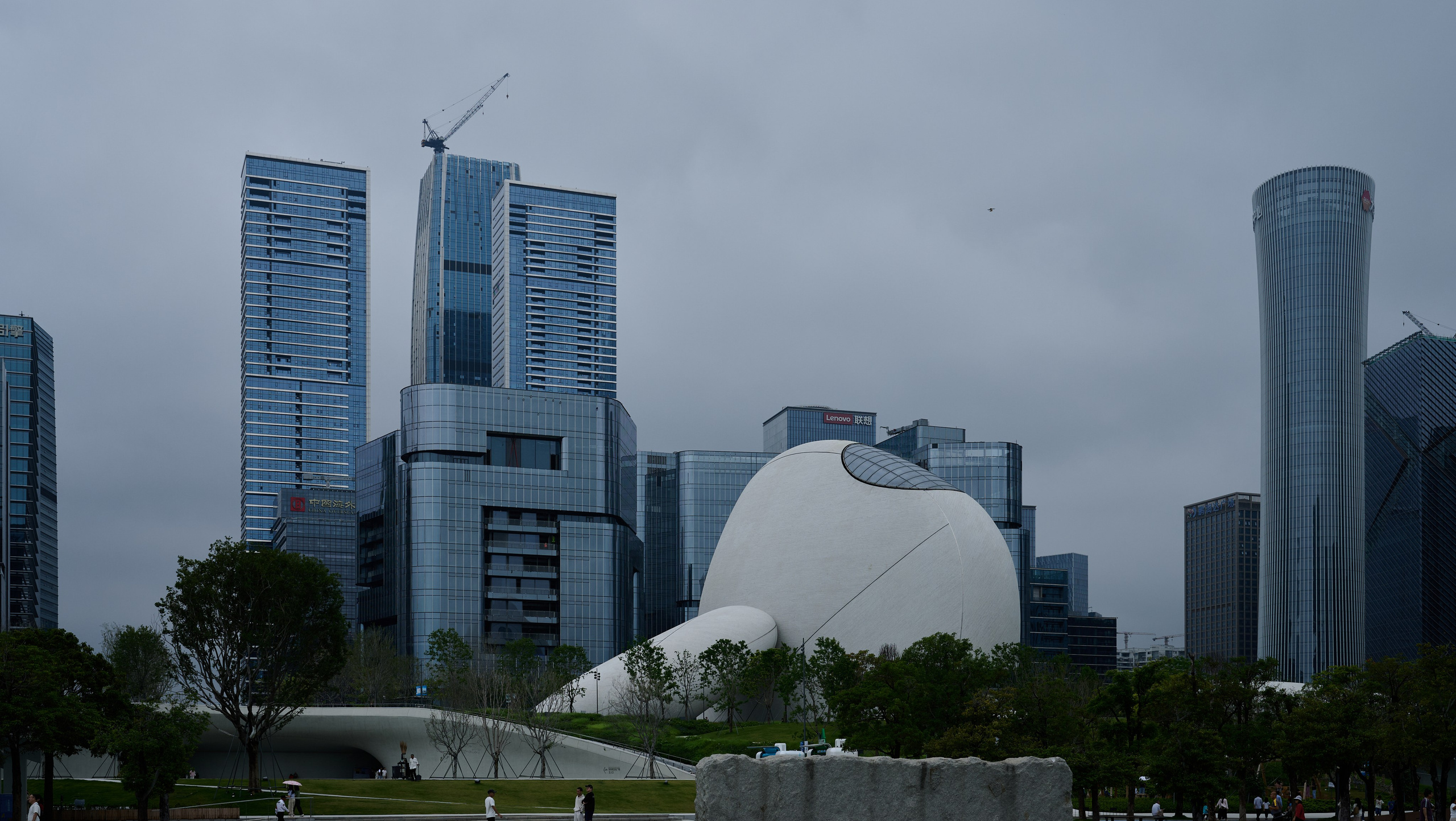
Shenzhen is not a city that grew. It is a city that was designed. As a project. As a blueprint. As a challenge to the old world.
It doesn’t know the slow, organic life that permeates old cities of Europe or even neighboring Guangzhou. There are no centuries-old alleys here, holding the memory of generations. There is only speed and change.
This creates a strange sensation. You are in a place that looks incredibly modern, but lacks the depth that comes with time. As one urban culture researcher noted, Shenzhen “looks like the future, but the future is not yet culture.”
In Act V, I write that China is for me “another and incomprehensible civilization, ” which I explore “like someone opening a very ancient book for the first time”. Shenzhen is not an ancient book. It is a blank page on which an entire library was written in forty years.
And here the question arises: can the “uncarved block” be found in a city built of glass?
People Who Came from Everywhere
The answer comes not through architecture. It comes through people.
Shenzhen is a city of migrants. Over 80% of its population are newcomers. Over 90% are people whose families moved here within one or two generations. Here people speak “plastic” Putonghua with accents from all over China. Here they eat Hunan, Sichuan, and Northeast Chinese food, because everyone brought the taste of home with them.
This is a city where almost no one has deep roots. And this creates a special form of loneliness. The “migrant mentality, ” the lack of a sense of belonging, a weak sense of home — these things have become part of the urban fabric.
And it is precisely here, in this emptiness, that I see what I am looking for.
Here my principle works: “I do not create reality. I allow it to be.” Shenzhen allows itself to be. It does not pretend to be ancient. It does not try to appear to be what it is not. It simply is — with all its speed, with all its rootlessness, with all these people who came here to build something new.
Water That Wears Away Stone
I return to the river. To that very water.
At the foundation of Act V lies a striking quote from Lao Tzu:
“Water wears away stone not by force, but by constancy. The soft overcomes the hard. The quiet drowns out the loud.”
Shenzhen is stone. Hard, fast, loud. A city that built itself in one generation. A city that does not look back — and there is nowhere for it to look back to right now.
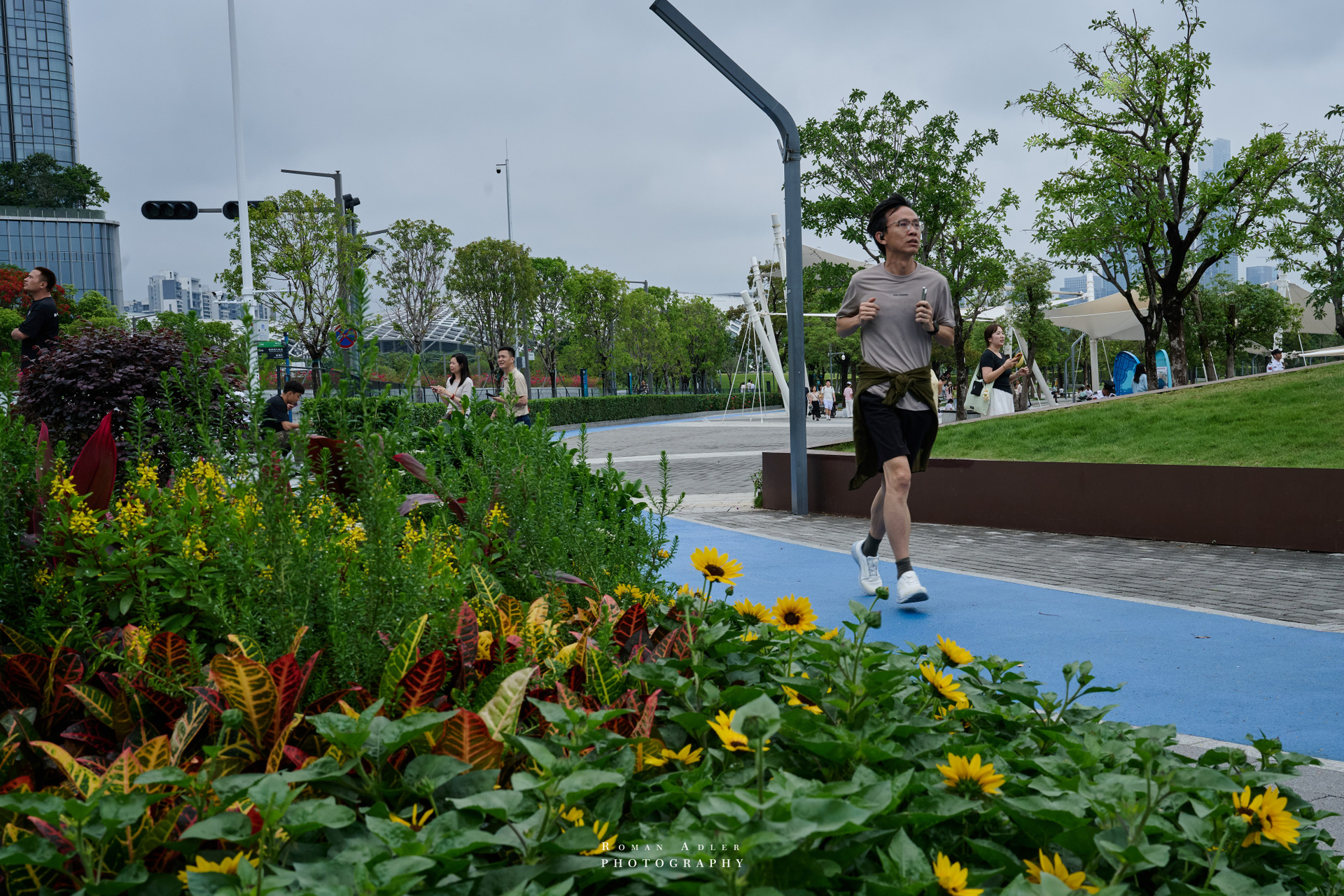
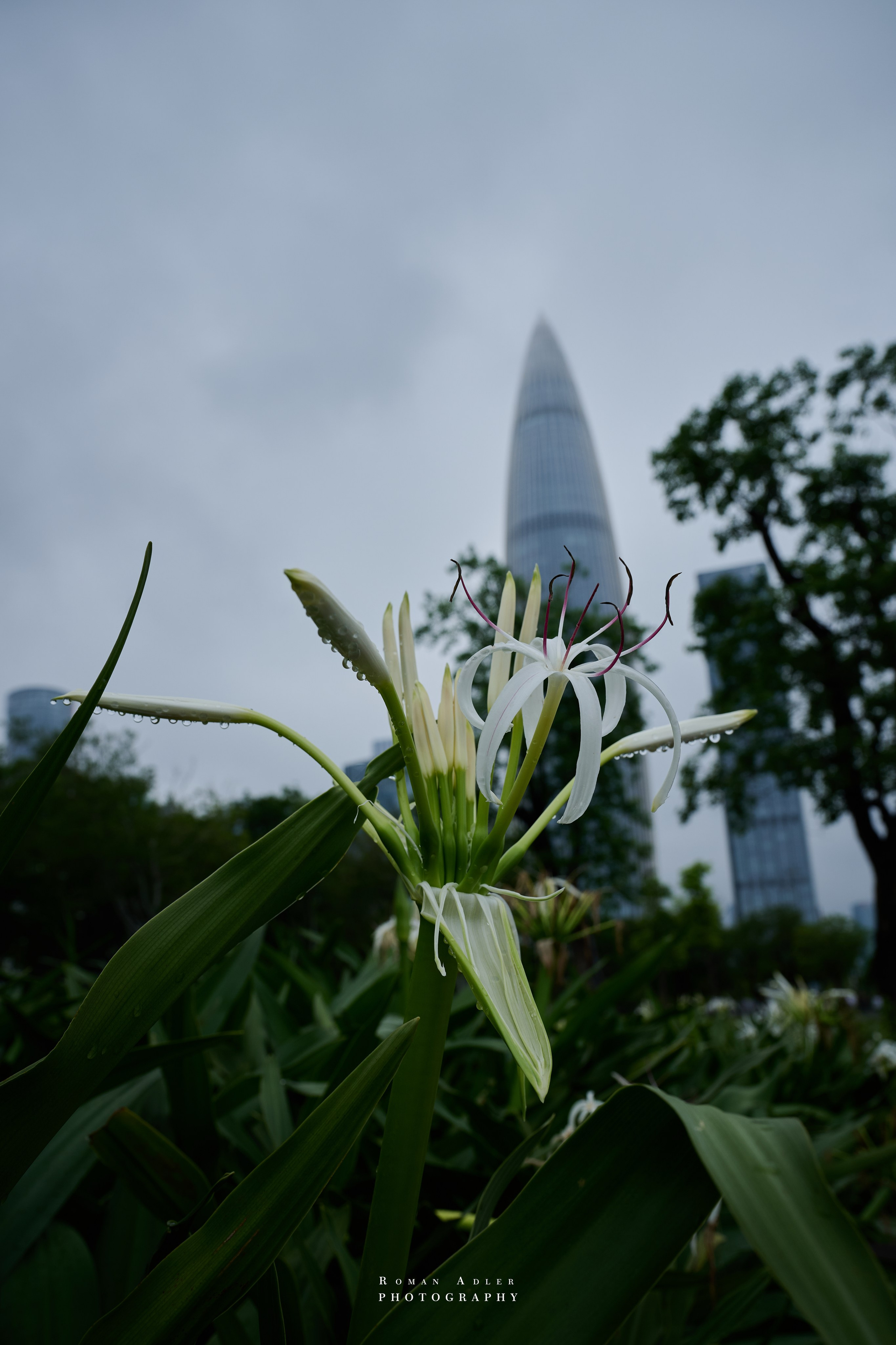
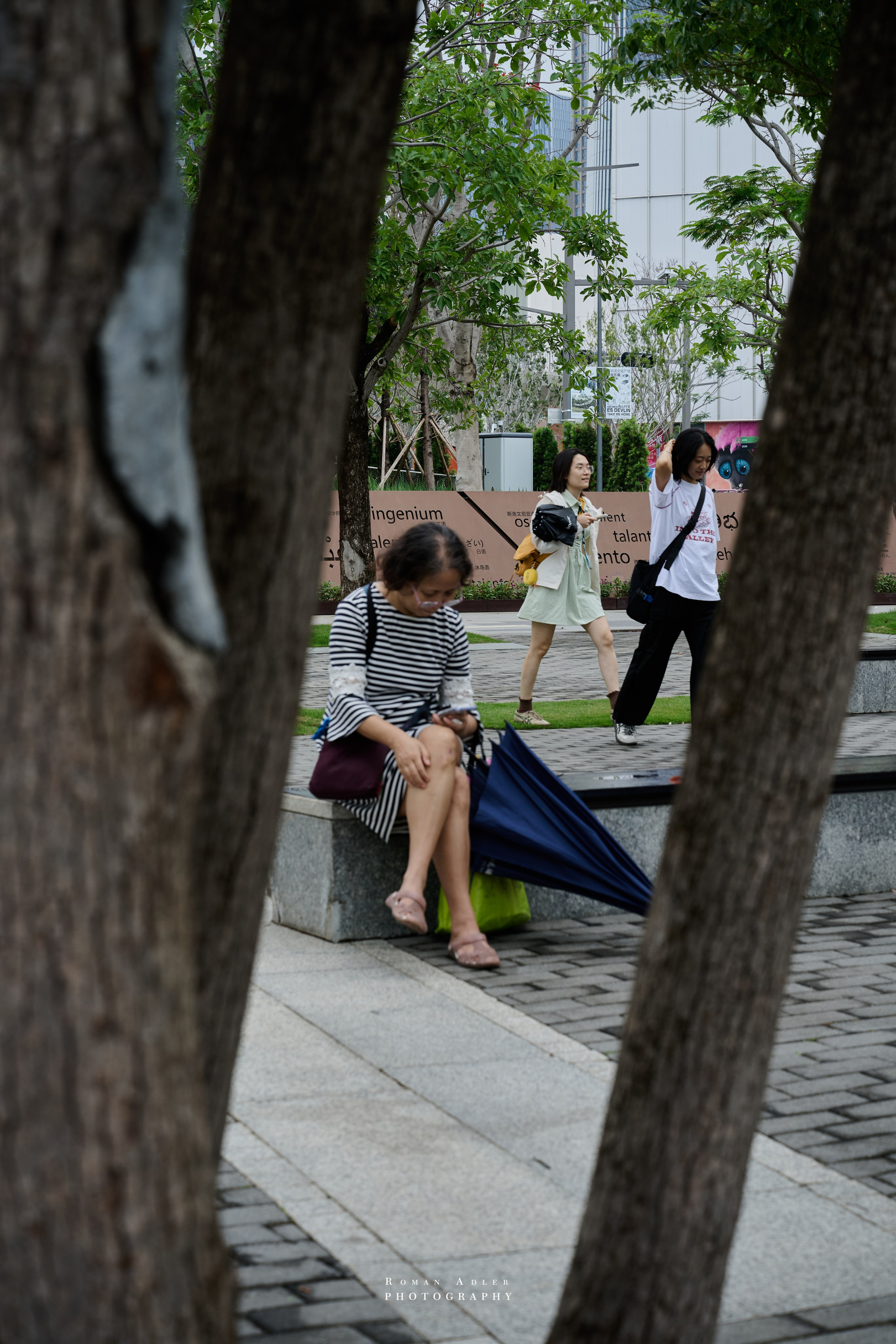
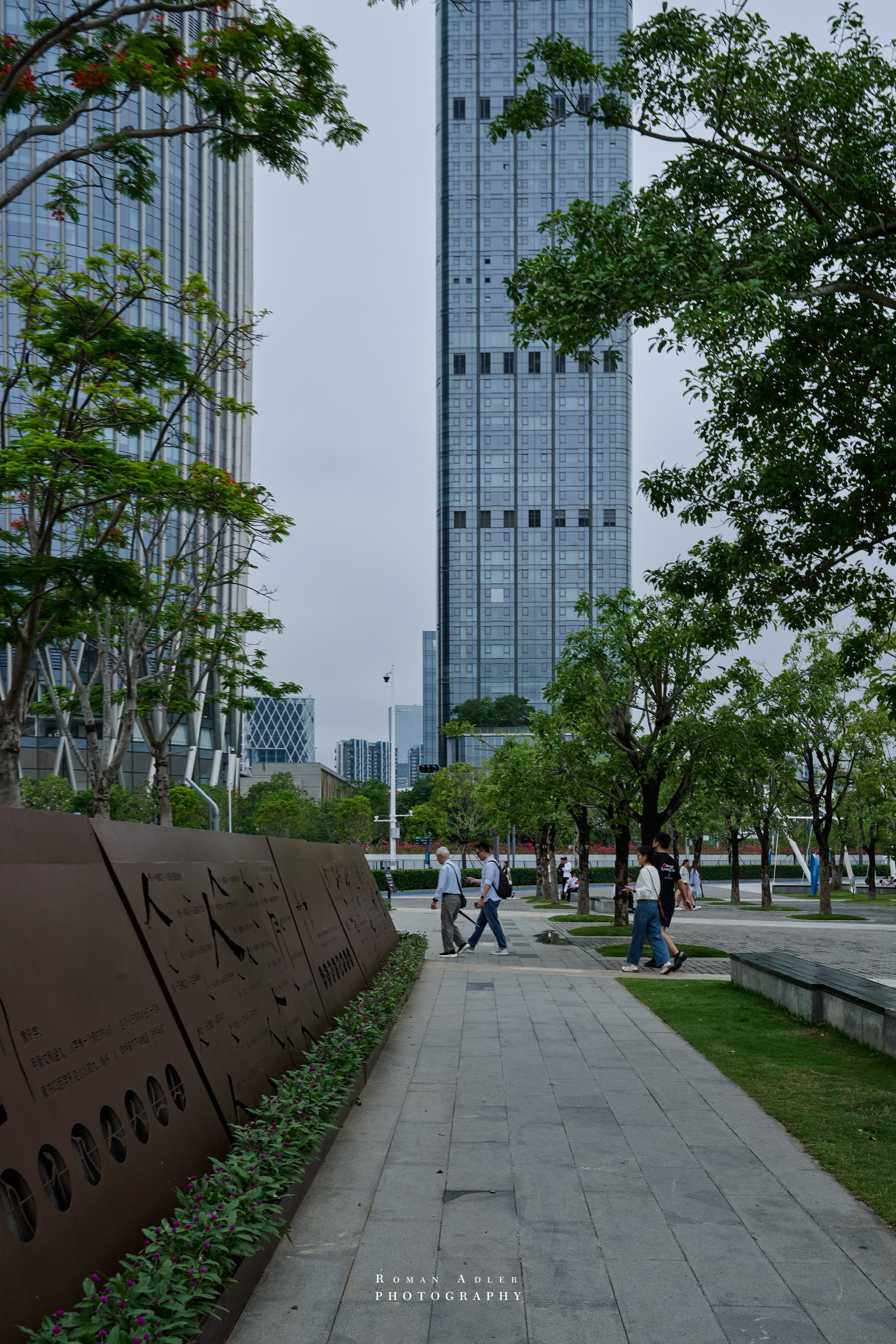
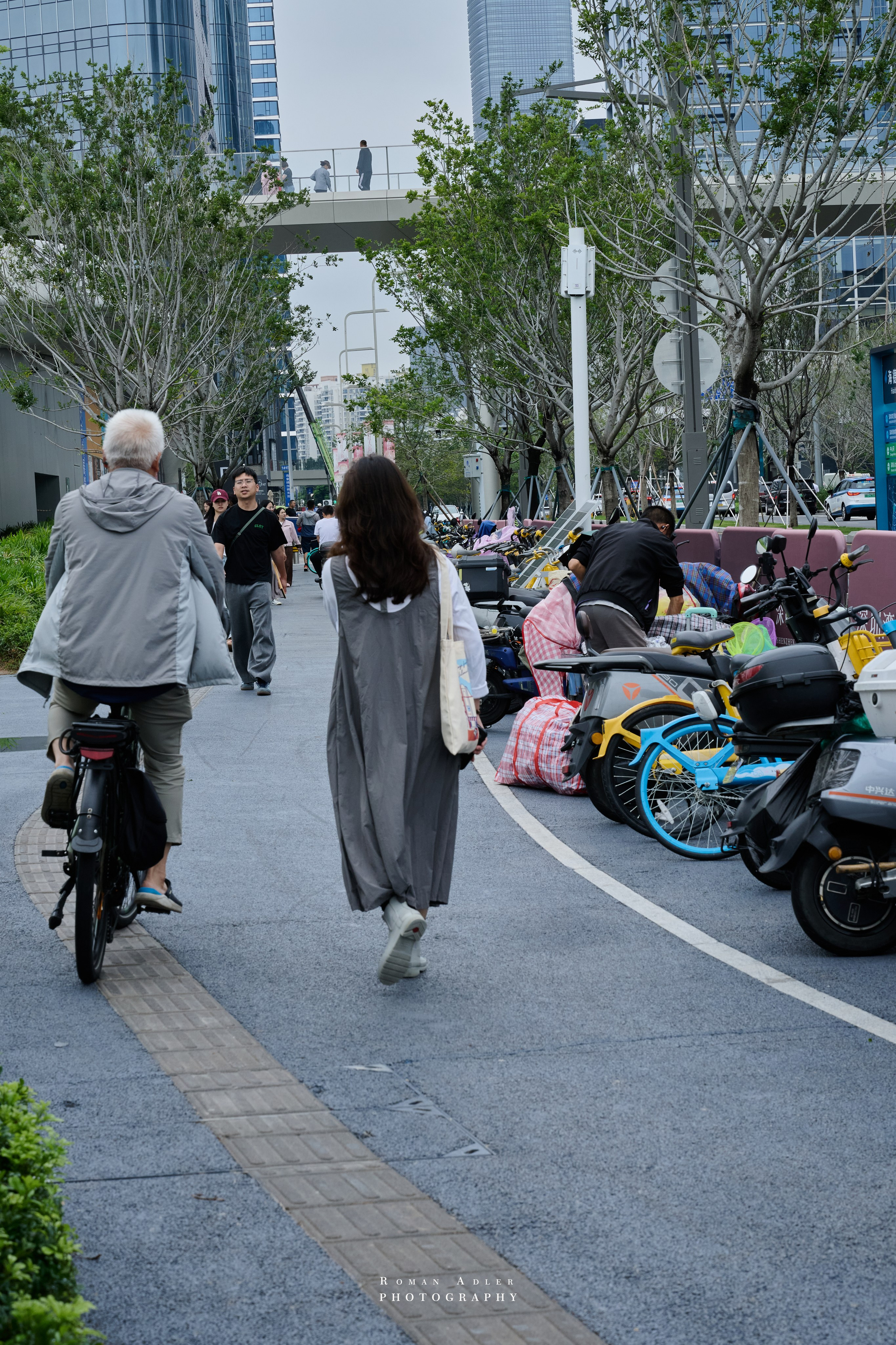
But beneath this stone, water flows. In the stories of people who arrived empty-handed and built skyscrapers. In the small parks between highways, where office workers, couriers, and street vendors find a moment of peace. In the “plastic” language that is becoming a new native tongue for millions.
This is not the water that existed here before the city. This is new water. Water that flows through the city, not beneath it. And it, too, is already wearing away the stone.
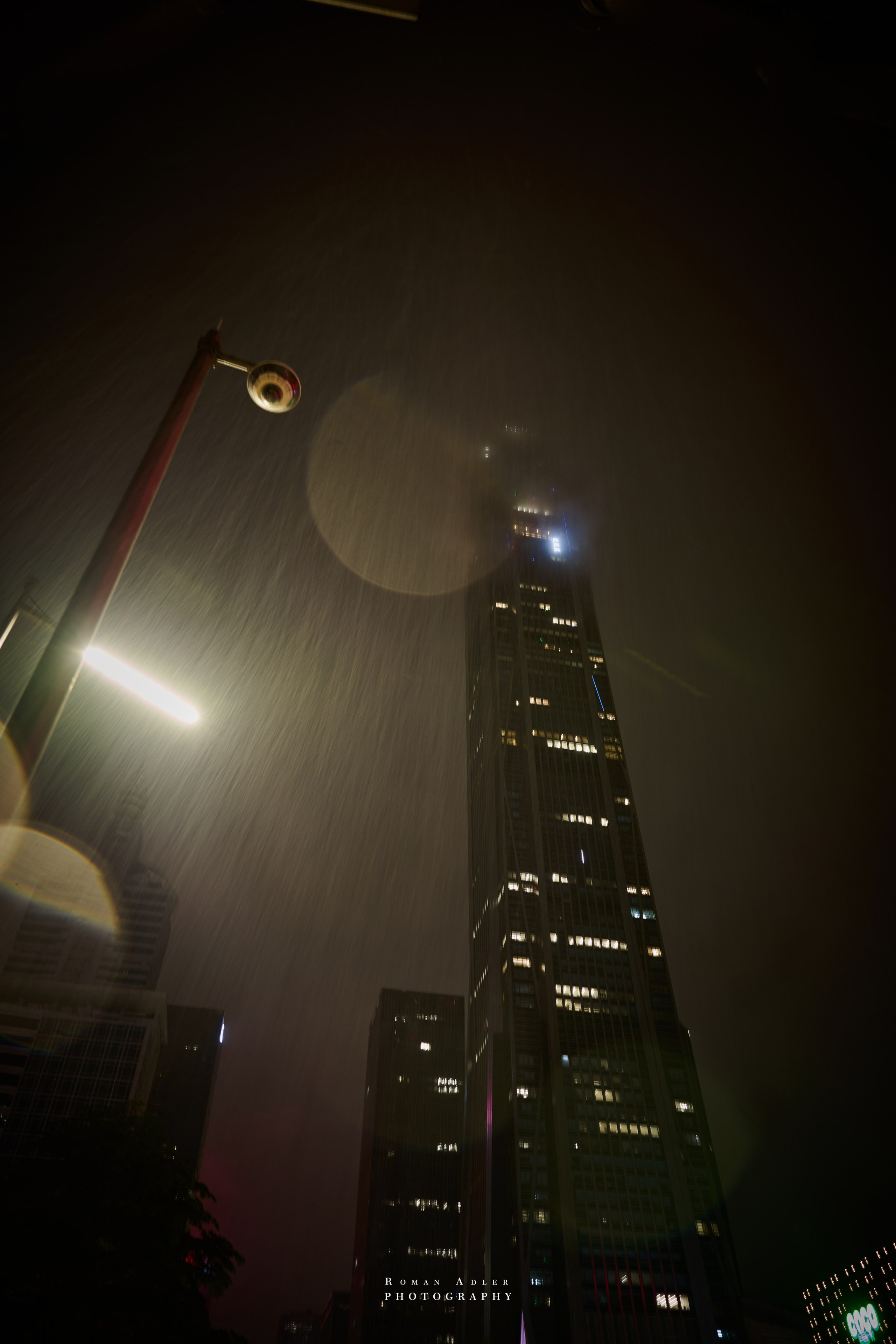
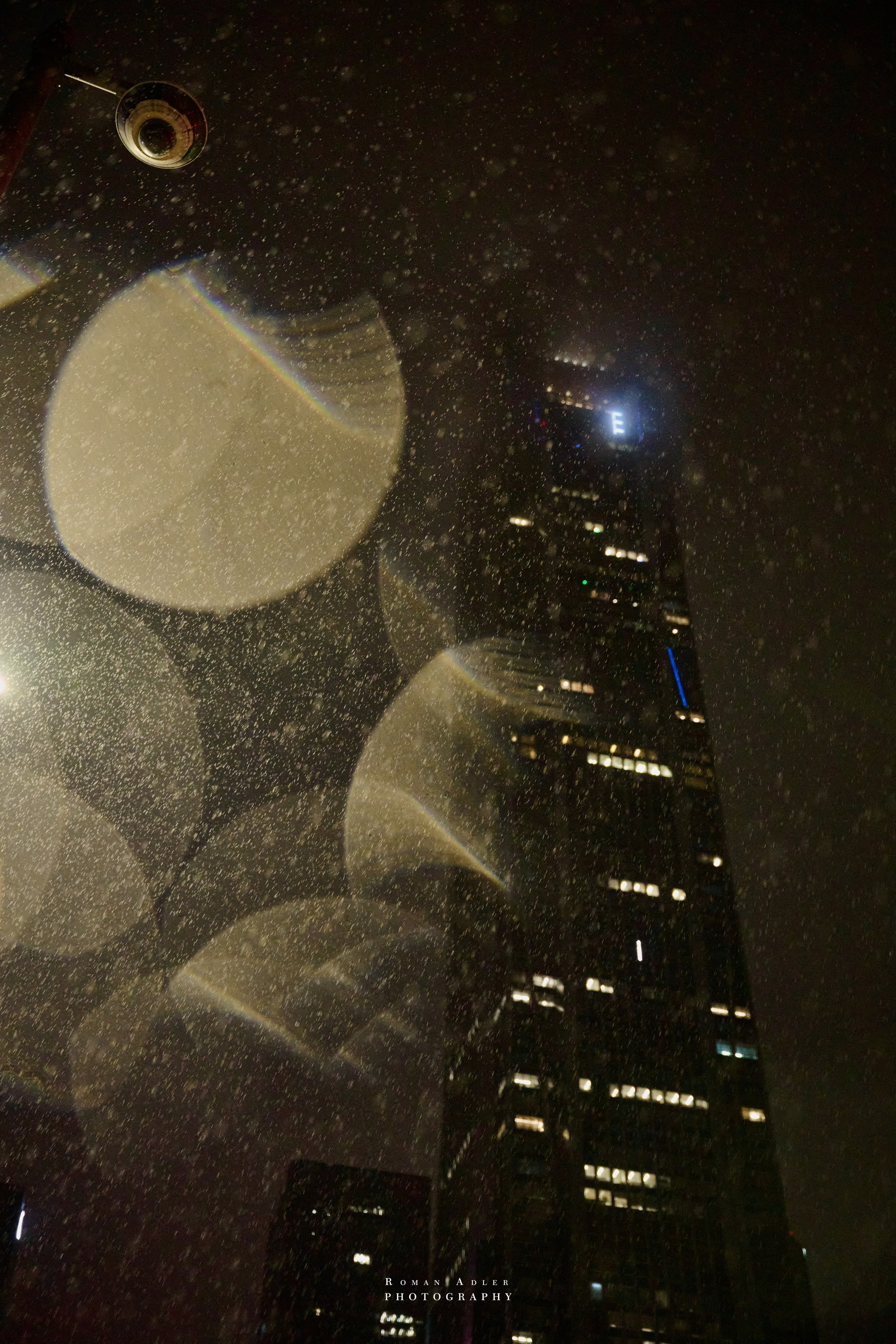
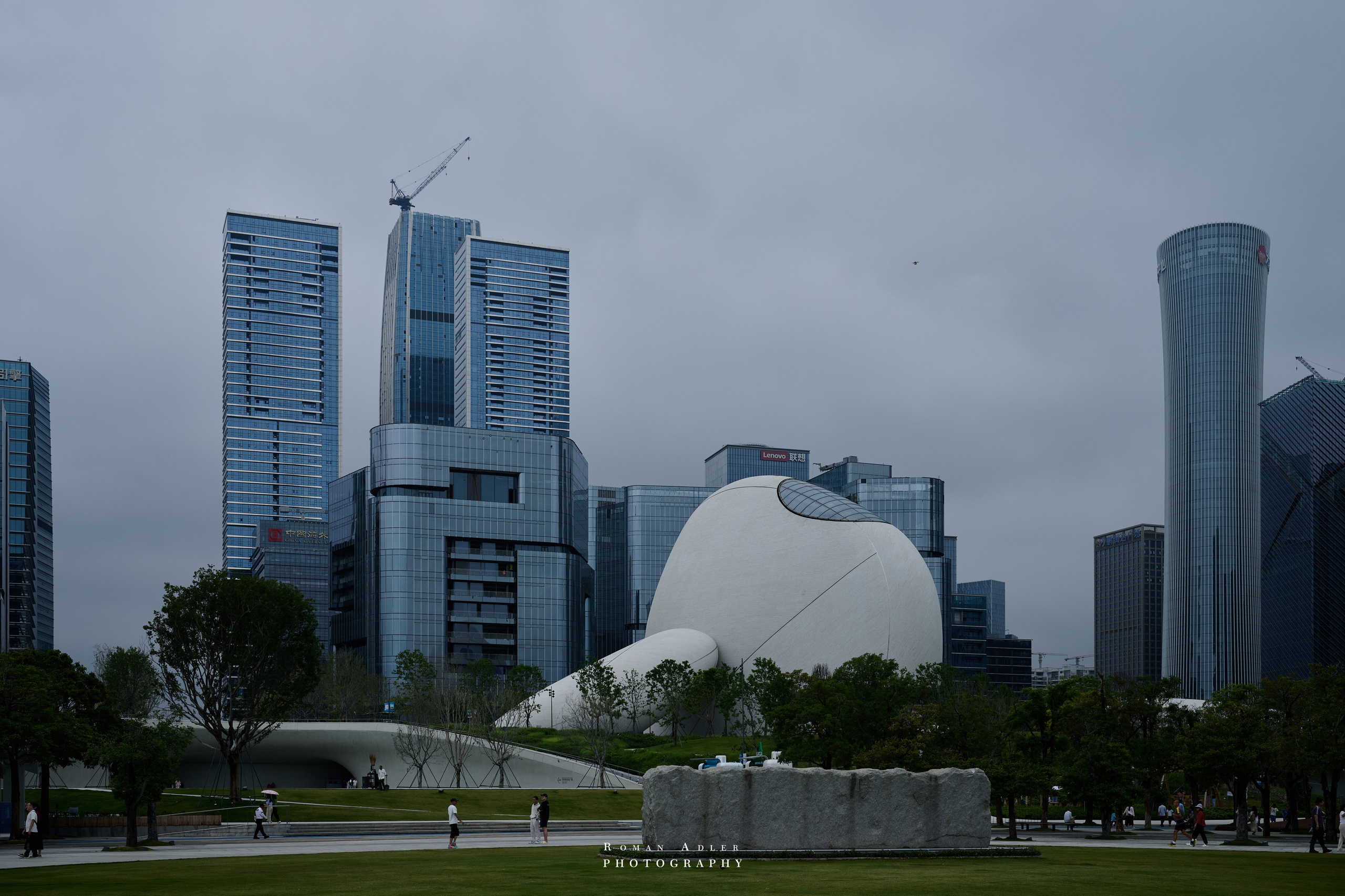
The Limit of Speed: Ping An
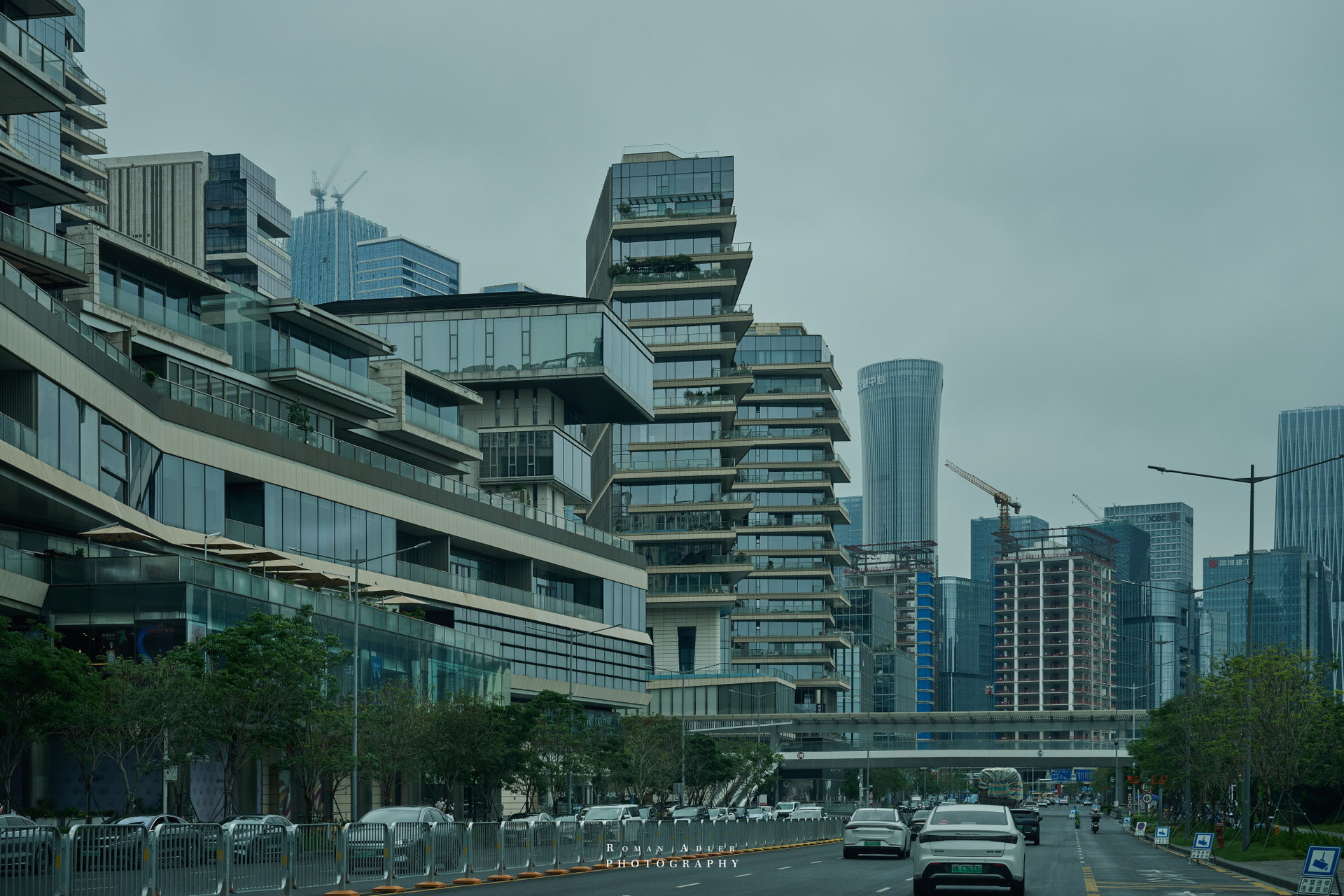
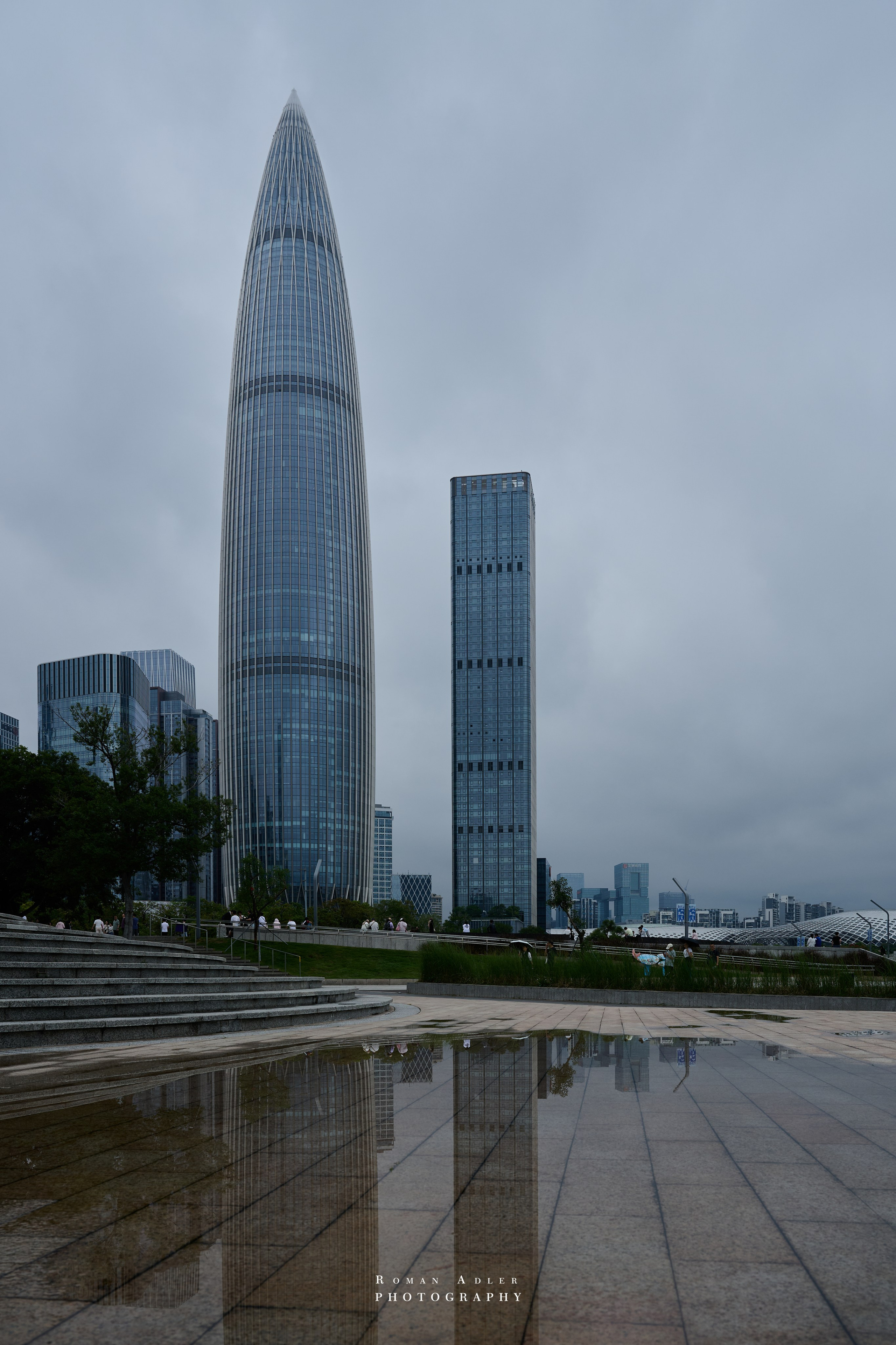
Shenzhen is a true open-air museum of modern architecture. In terms of skyscrapers, it ranks second in the world, second only to Hong Kong, but ahead of New York.
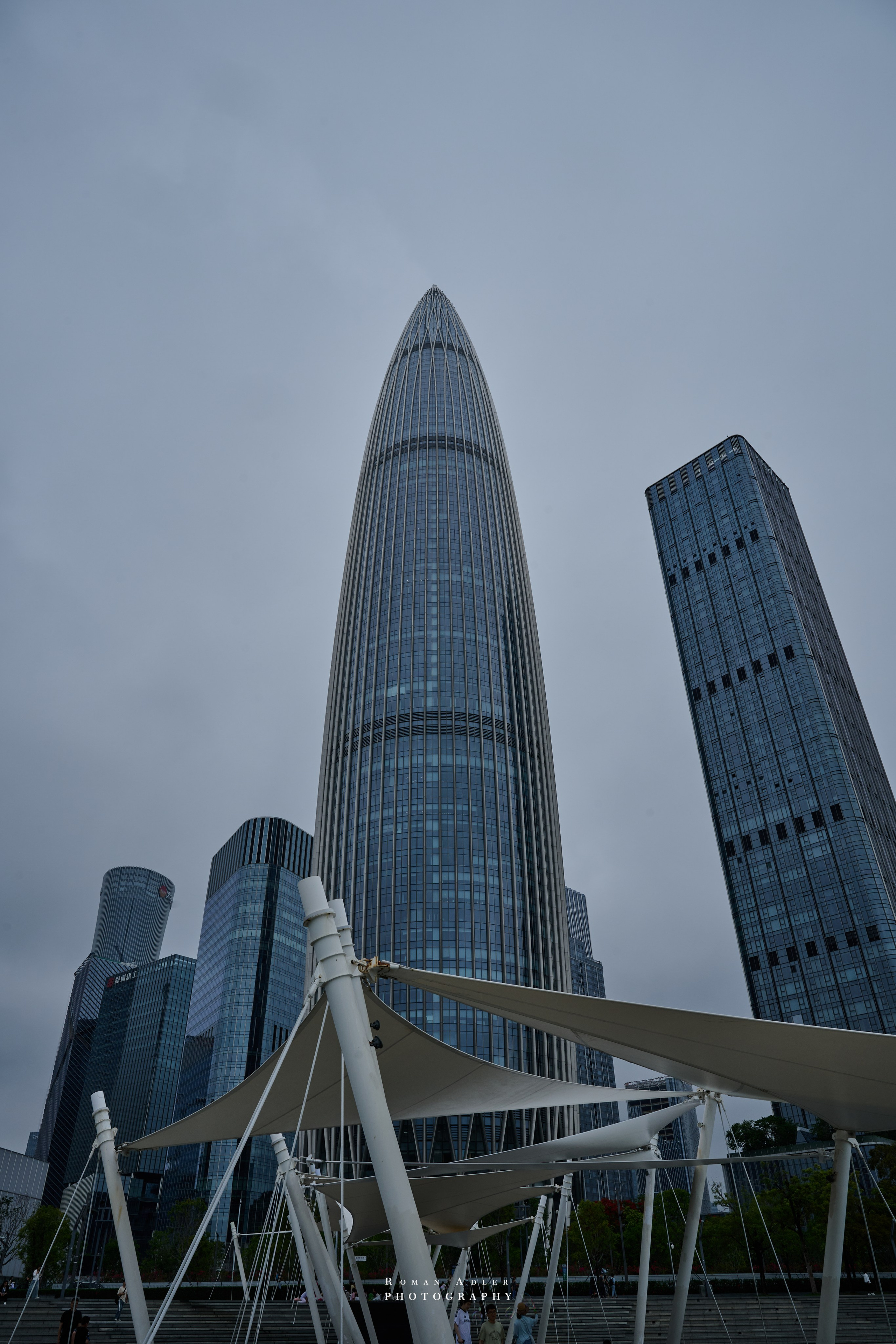
Its main architectural pearl is the Ping An International Finance Center. At 599 meters tall, it is the tallest office tower in the world. From its observation deck, there is a breathtaking view of the city and the Pearl River Delta.
But for me, this tower is not just a record. It is that very “deep furrow,” only made of glass and steel, piercing the sky. It is material proof of what “Shenzhen speed” means. And at the same time — a challenge. Can this vertical become something more than just an office building? Will it fill with that very “water” we spoke of?
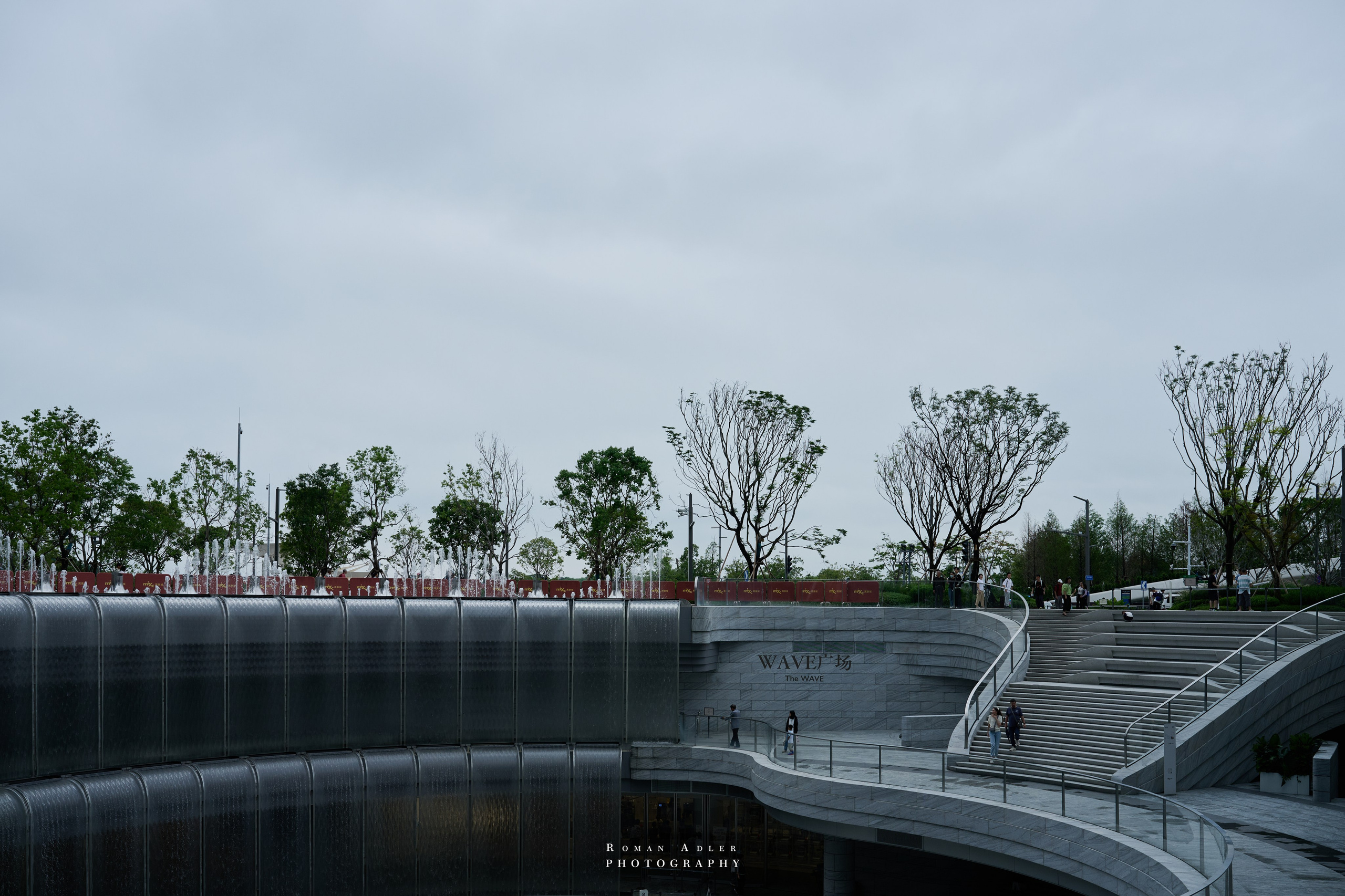
What Remains When Everything Flows
Shenzhen is not a place that can be understood through landmarks. It cannot be “visited” in the usual sense of the word. Because it does not stand still. It moves. Like that river in Confucius.
I think about what the The Humans v.21 project does. I seek people where the world breaks. Shenzhen is not a place where the world broke. It is a place where the world reassembled itself. Fast. Hard. Without regrets.
And there is a beauty in this. Not the beauty found in ancient temples or quiet villages. The beauty of something entirely new, which has not yet taken shape, but is already breathing.
Perhaps the “uncarved block” here is not the simplicity of the past. It is the openness of the future. A city that does not yet know what it will become. People who do not yet know who they will be. Water that has only just begun to wear away the stone.
I do not know if I will love Shenzhen the way I love other places I have photographed. But I know I will return. Because here, in this endless flow of neon and speed, I seek that very water. Quiet. Deep. Life-bearing.
And sometimes — I find it.
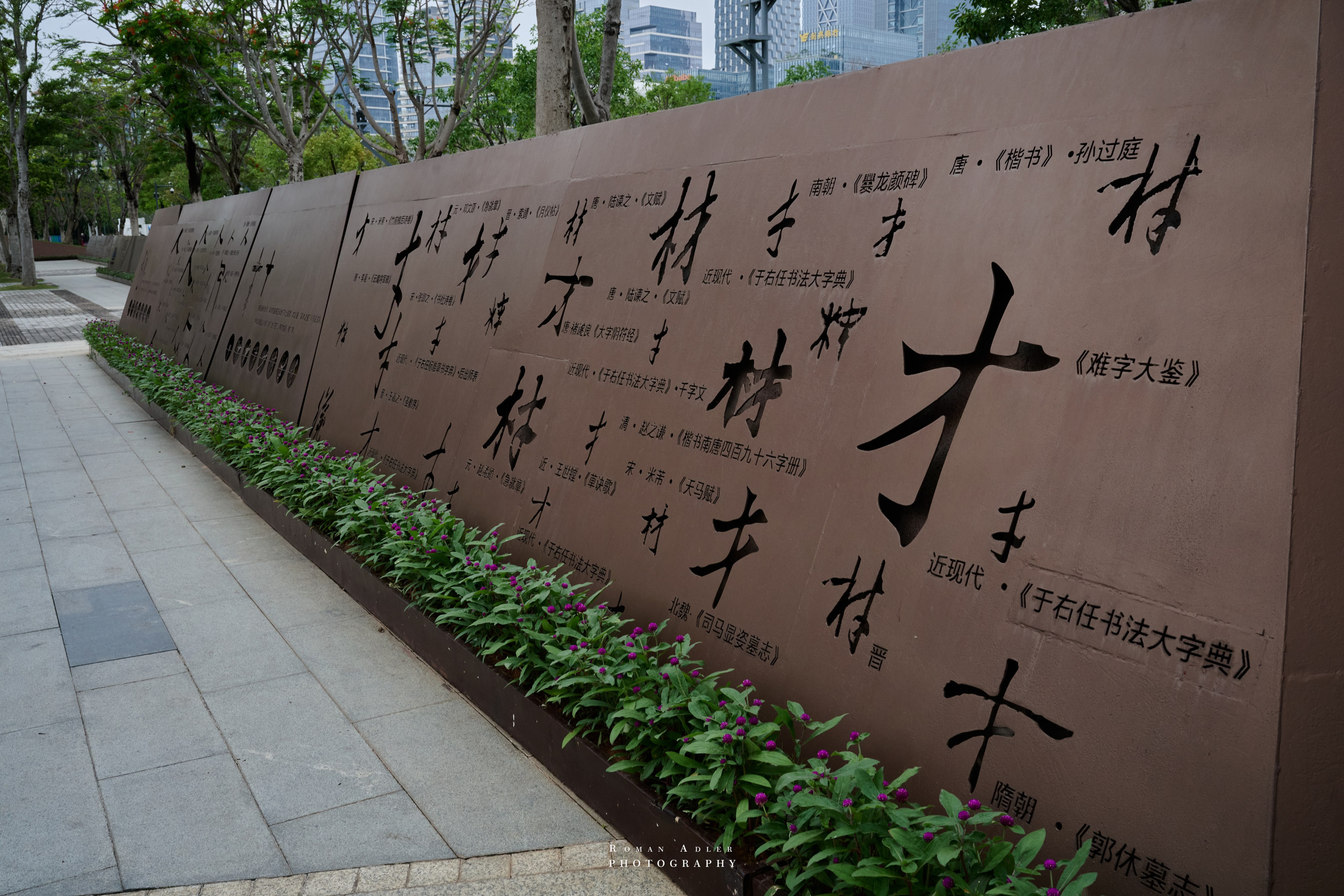
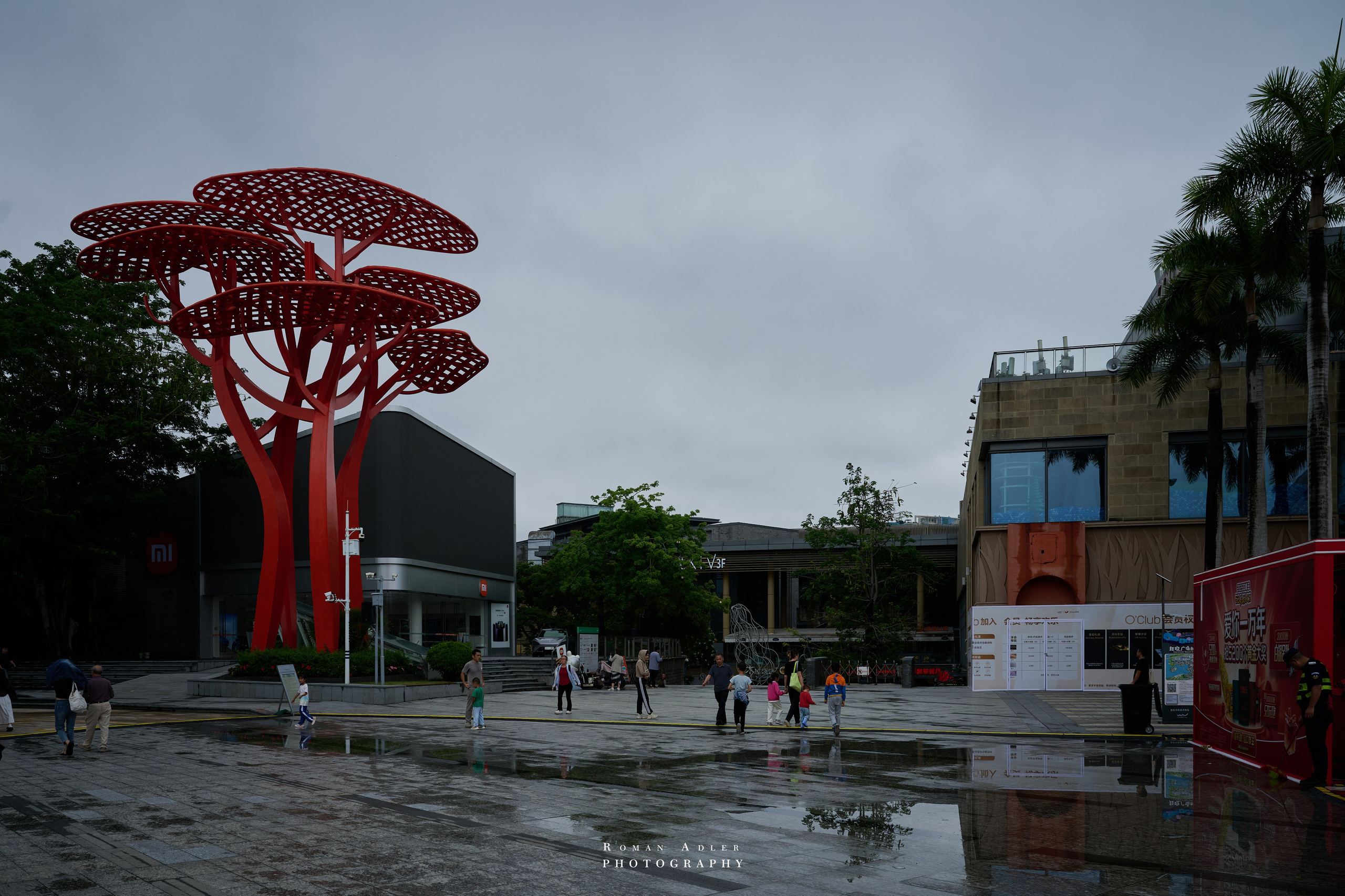
Shenzhen is perhaps the best example of the transformation a country can undergo within a single generation. It is not just a city — it is a symbol of the future, built on the site of the past.