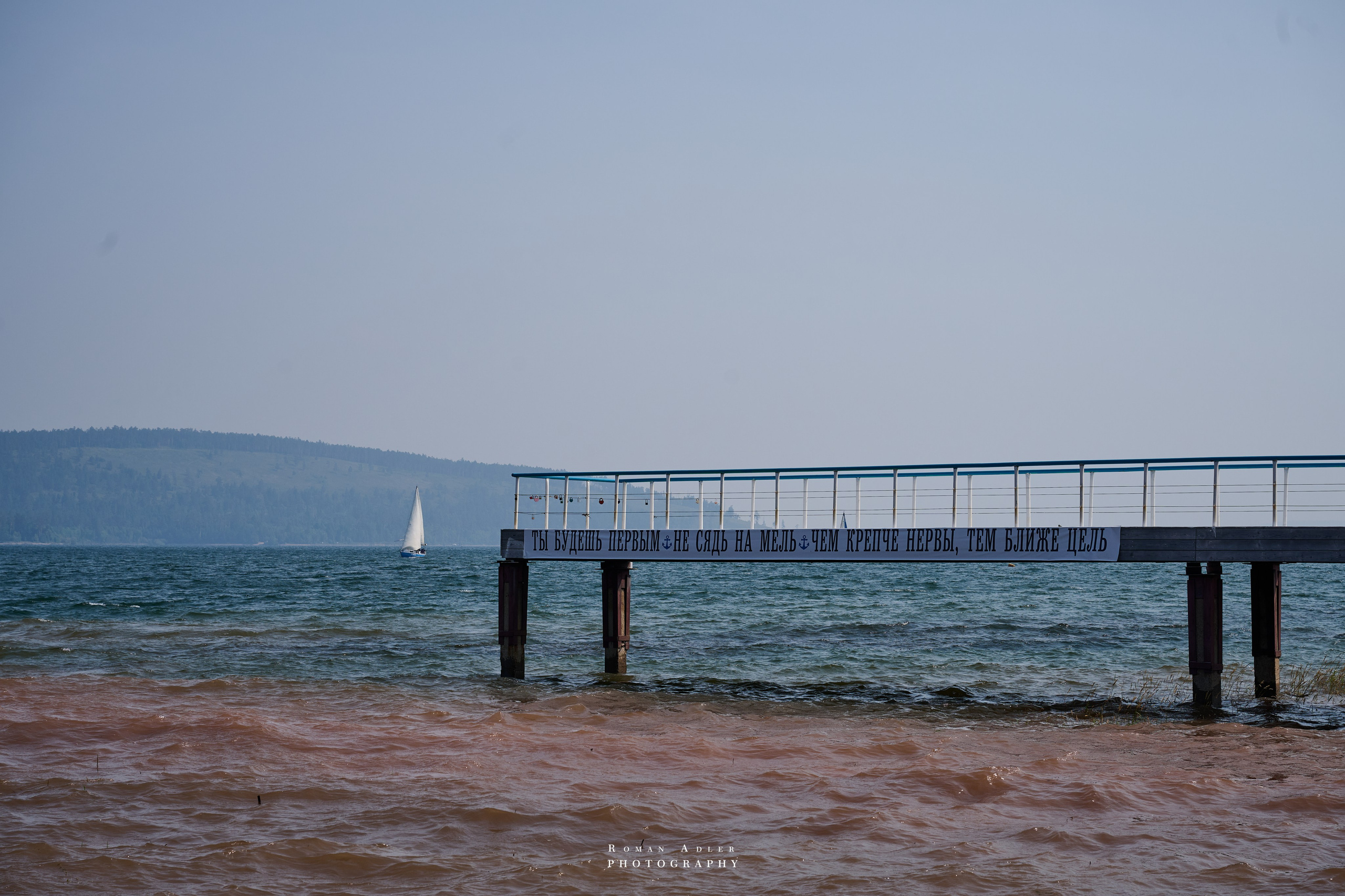
On the banks of the Angara, among the hills of Eastern Siberia, stands Bratsk. The Angara is the only river that flows out of Lake Baikal. The city stretches along the Bratsk Reservoir for 65 kilometres. Its districts are separated by tens of kilometres. Between them — water, forest, road, silence and the secrets of the taiga.
Winter here lasts a long 246 days, and frost reaches -40 °C. The long-awaited summer is short but hot — up to +30 °C. Thanks to its harsh climate, Bratsk is considered part of the Far North of the planet. Here people do not complain about the cold. It is part of local life, and of the life of the locals. A part that tests people, machinery, buildings for strength. Every year, with a very short respite.
The history of Bratsk does not begin with a city. It begins with a small fortress.
In 1631, forty Cossacks led by ataman Maxim Perfilyev (according to other sources — by Pantelei Demidov Penda) founded this fortress at the Padun rapids on the Angara. They gave it a name — the Bratsk Ostrog.
The name, according to historians, comes from the Russian reinterpretation of the ethnonym “Buryats.” The locals came to be called “brotherly people,” or simply “brothers.” Someone else’s word became their own.
The ostrog endured much. In 1635 it was burned. In 1636 it was rebuilt — on the right bank of the Oka. In 1654 it was moved to the left bank. Over time its military significance faded. The ostrog became a village — Bratsko-Ostrozhnoe, later Bratskoe.
In the 18th and 19th centuries the village became a place of political exile. Here served their sentences Archpriest Avvakum, the Decembrist Mukhanov, the writer Radishchev, the Polish naturalist Chekanovsky. Those whom the world pushed out were brought here. Here they lived. Left their mark. Moved on.


Modern Bratsk was born of a dream, water, and meaning.
In 1946, the Council of People’s Commissars of the USSR adopted a resolution to establish “Angarstroy.” In 1951, the village of Bratskoye was moved to a new location. The old village remained on the shore — waiting for the water.
On 23 September 1954, a resolution was adopted to build the Bratsk Hydroelectric Station. On 15 July 1955, the construction of the dam and the city was declared an all-Union shock Komsomol project. People came from across the country. Not for comfort. For meaning. For the chance to do something monumental for all humanity with their own hands — not merely to place a dam across a river.
The official birth date of the city is 12 December 1955. On that day, the workers' settlement of Bratsk was merged with several other settlements and transformed into a city. In 1959, the general plan was drawn up: industrial zone, residential zone, recreation zone. The city had a blueprint. The people had addresses.
In 1961, the filling of the Bratsk Reservoir began. By then, the residents of old Bratsk had already been evacuated. Water came to the place of houses, streets, cemeteries. One of the largest artificial reservoirs in the world. A sea beneath which lies the old village, the old story, and the memory now guarded by water.
The population of Bratsk is a story of rise and slow decline.
In 1959, 51.5 thousand people lived in the city. By the 1980s, the population reached its peak — about 259 thousand. The city grew together with the country. Factories worked, new districts were built, people kept arriving.
According to Rosstat, at the beginning of 2025, 219.4 thousand people lived in Bratsk. For 2026, the population is estimated at around 218–219 thousand. The city is losing people. Quietly, year after year.
How I wish this were simply a decline, and not a sure path toward oblivion.
An interesting demographic feature:
women make up 55.4% of the population, men — 44.6%. For every 1,000 men there are 1,241 women. The average age of men is 38, of women — 44.
Bratsk is a multi-ethnic city, home to representatives of 80 ethnic groups. The city accounts for 9.4% of the population of the entire Irkutsk Oblast.
Interesting facts about Bratsk
Bratsk has no centre in the usual sense. Nor does it have a compact territory. It is one of the few Russian cities assembled from several separate parts scattered over tens of kilometres. The distance between districts reaches 45 kilometres. The streets in the central part began to receive names only in 1963. The city already stood. People already lived in it. And the streets still had no names.
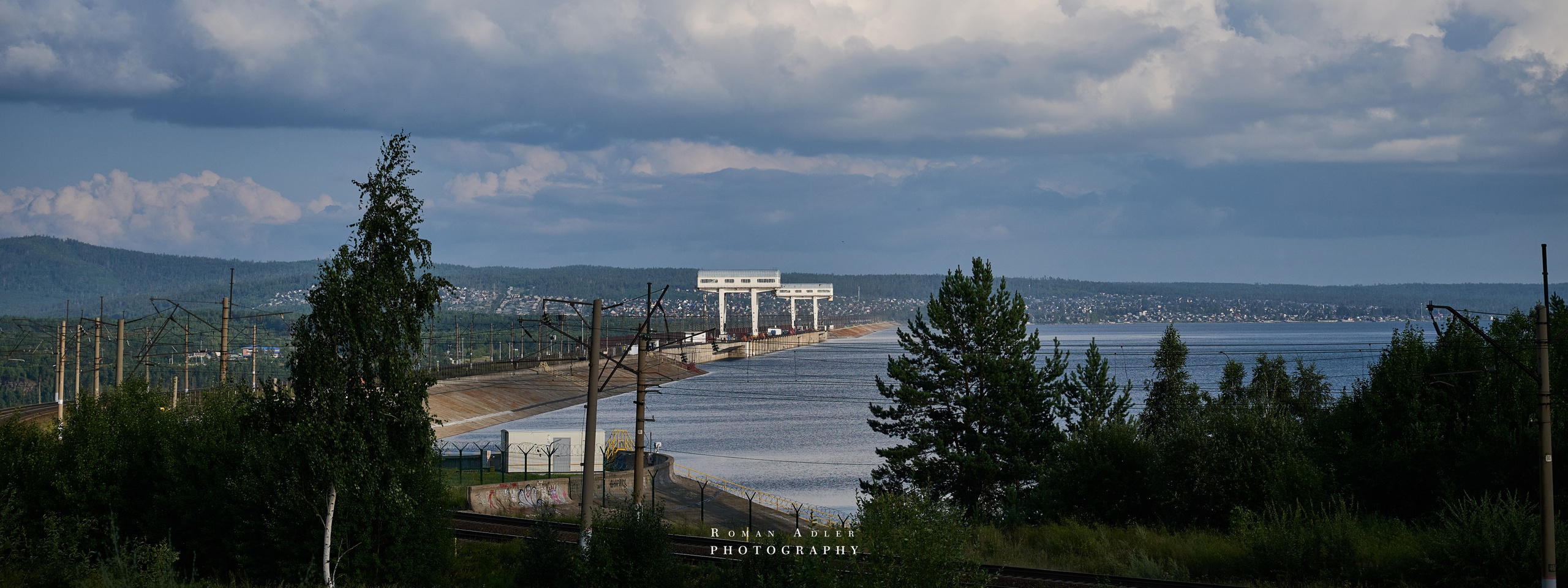
The Bratsk Hydroelectric Station — the dam that stopped the Angara.
It was built from 1954 to 1967. Representatives of 50 nationalities of the Soviet Union took part in the construction. People came here to say: there will be a sea here, there will be light here.
Until 1971, the station remained the largest hydroelectric plant in the world. In 2010, it became the first in Russia and the second in the world to generate one trillion kilowatt-hours. Today it ranks third in capacity in Russia. About 30 billion kilowatt-hours a year. Behind these figures — light in homes, the work of factories, the life of cities, towns and villages. The life of tens of thousands of people.
The people of Bratsk have a tradition: on the first day of their wedding, newlyweds come to the dam. To look at the water their fathers and grandfathers stopped. And very soon — their great-grandfathers too.
In 1963, Fidel Castro came here. He walked through the construction site, looked at the dam. They say he was impressed. This is already a story. It is retold with a smile. And no one remembers anymore how it really was.
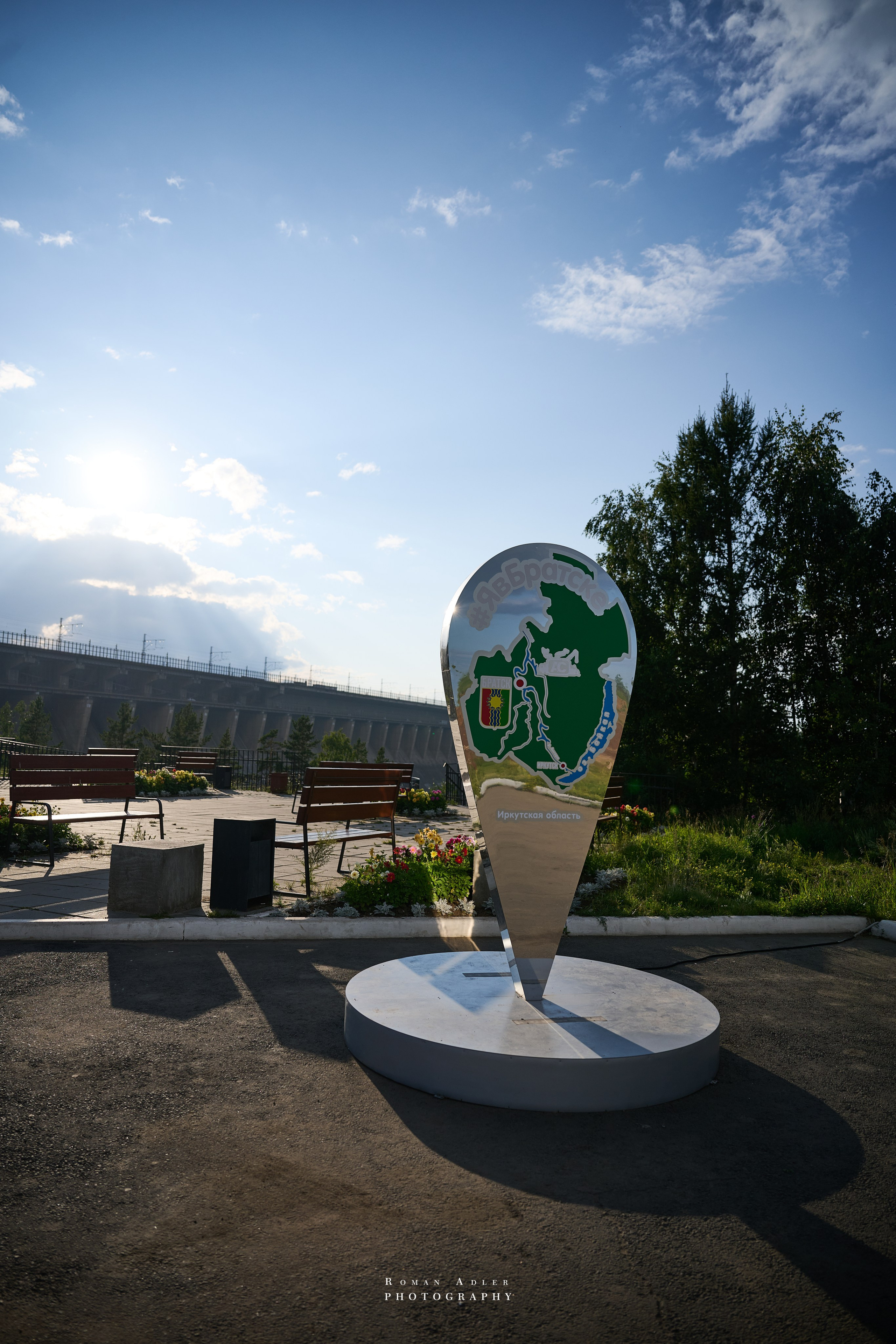
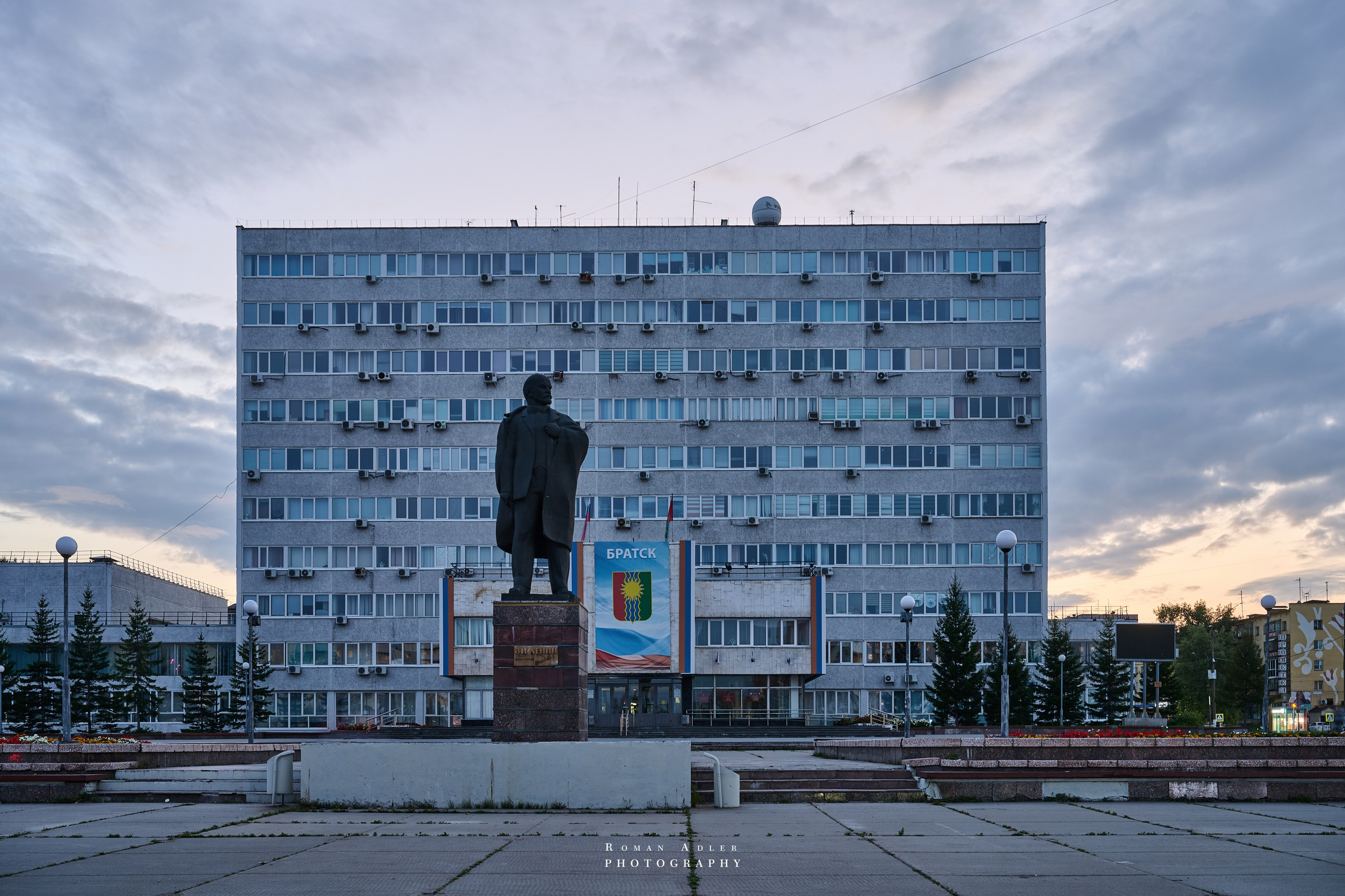
Today Bratsk is an industrial centre of Eastern Siberia. The city accounts for about 20% of all industrial production in Irkutsk Oblast.
Here stands the Bratsk Aluminium Plant. Thirty percent of Russia’s aluminium. Four percent of the world’s. Metal born of energy. Energy given by the Angara.
Here works the Bratsk Timber Industry Complex. Twenty-two percent of all Russia’s marketable cellulose is produced in Bratsk. Forest that comes from the taiga that stands around the city.
Water gives it light. Forest gives it paper. People go to their shift every morning. So the city lives. Its simple and complex life, not only for itself. For the country, for the world. And one day someone will open a new notebook to write down their story, and will hardly remember such a wonderful city whose taiga and hands made this page. And flying over the expanses of our planet, no one will notice either that the thing they are flying in is that very piece of the Angara, and of that first phrase: “There will be light here!”


Cultural Heritage
Of the first ostrog, one tower remains. Since 1654 it has stood in Bratsk — wood that remembers more than any archive.
Some of the other 17th-century wooden towers are now in Moscow, in the Kolomenskoye museum-reserve. The fortress that was burned and moved eventually scattered across the country. But it did not vanish.
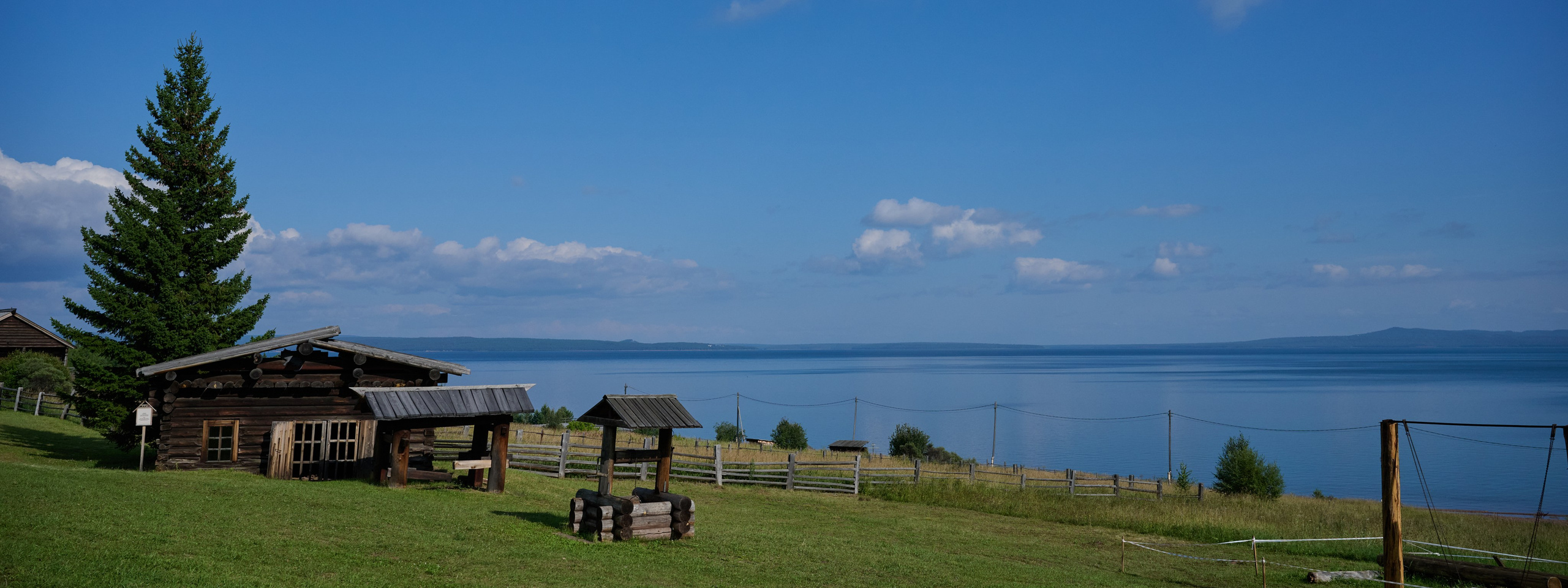
The city has a Museum of the History of Political Exile. It was founded in 1913. There is the City United Museum of the History of the Angara’s Development, 1990. There is “Angarskaya Derevnya” — an open-air museum, opened in 1983.
The entrance to “Angarskaya Derevnya” is adorned by a stone block with a drawing by an ancient human. Someone drew it thousands of years ago. They did not know the drawing would outlive them. Or that people would come here for memory, and look at it.
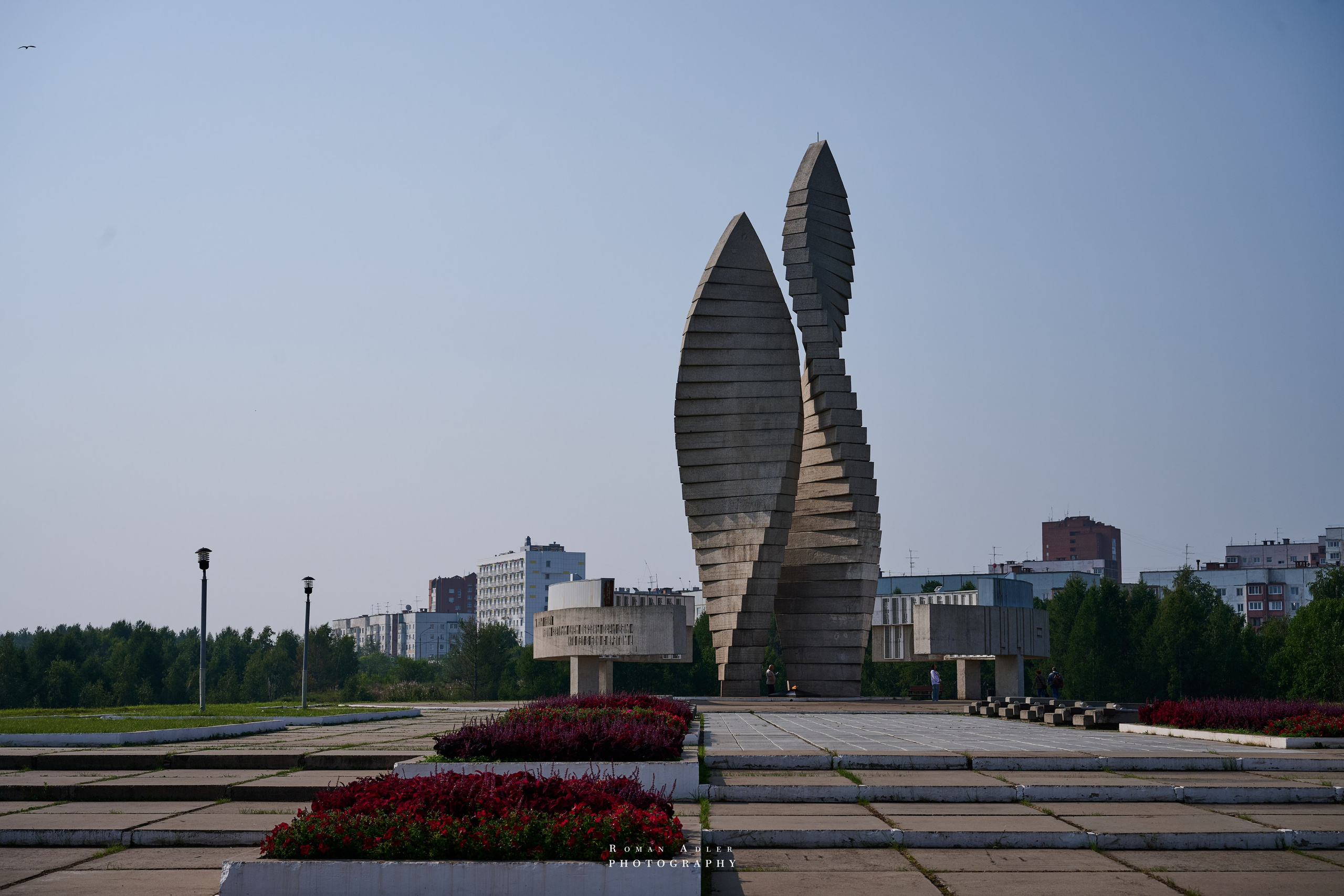
The Status of the “Northern Gates”
Bratsk is called the “northern gates of the Far East.” The Baikal-Amur Mainline runs through the city. It connects Bratsk with Irkutsk and other cities.
Bratsk is a city with a rich history, a unique architectural fate and a powerful industrial potential. From a small Cossack ostrog of the 17th century to one of the largest industrial centres of Siberia — such is the path of this remarkable city on the Angara.
The full gallery is available on the website. Enjoy the view.