PEOPLE AS GADGETS:
HOW WE TRADED LIVING FEELINGS FOR A “CONVENIENT SERVICE”
“People were created to be loved, and things were created to be used. The world is in chaos because it’s the other way around.”
I look around and see a strange, terrifying inversion.
We know how to take care of our smartphones: we buy them expensive cases, change their batteries, and worry if they fall. We are ready to spend hours choosing the perfect coffee or curating a playlist for our mood. But we have forgotten how to take care of relationships. We find it hard to spare ten minutes to just sit with a loved one and listen to them without being distracted by a screen.
Things have started to demand more attention than people. We collect them, upgrade them, and grow attached to them. And people? People have imperceptibly turned into functions. Colleagues — to get tasks done. Friends — for likes and maintaining social status. Partners — for convenience and comfort. We use each other the way we used to use hammers or spoons.
And the scariest part is that we don’t even notice this substitution. We find it normal to carefully wipe our smartphone screen while walking right past a person who needs simple human warmth.
Recently, I read a science fiction story by Robert Sheckley that describes a future corporation selling “true love” in beautiful packaging. There is a striking phrase: “Sexual pleasures are available to everyone… But love is a rarity, love is a special commodity.” And do you know what this corporation offers? The perfect partner. Someone who will adore your flaws, never start a conflict, and never require you to be vulnerable.
Today, this fiction has become our reality. Dating apps with matching algorithms, paid subscriptions to “perfect relationships, ” virtual boyfriends and girlfriends powered by AI. We want love, but without the risk. We want passion, but with a money-back guarantee. We want to control that which is, by its very nature, uncontrollable. We want people to behave like gadgets — without bugs and without software that needs to be configured.
But true love is always a system failure. It is the loss of speech when your eyes meet. It is the tears that cloud your vision so you can’t evaluate your partner’s figure or their resume. It is chaos that cannot be organized or packaged. It does not “strengthen the nervous system” (as marketers promise); it shakes it to its limit, exposing our deepest fears. And it is precisely in this vulnerability, in this refusal of total control, that we become truly alive.
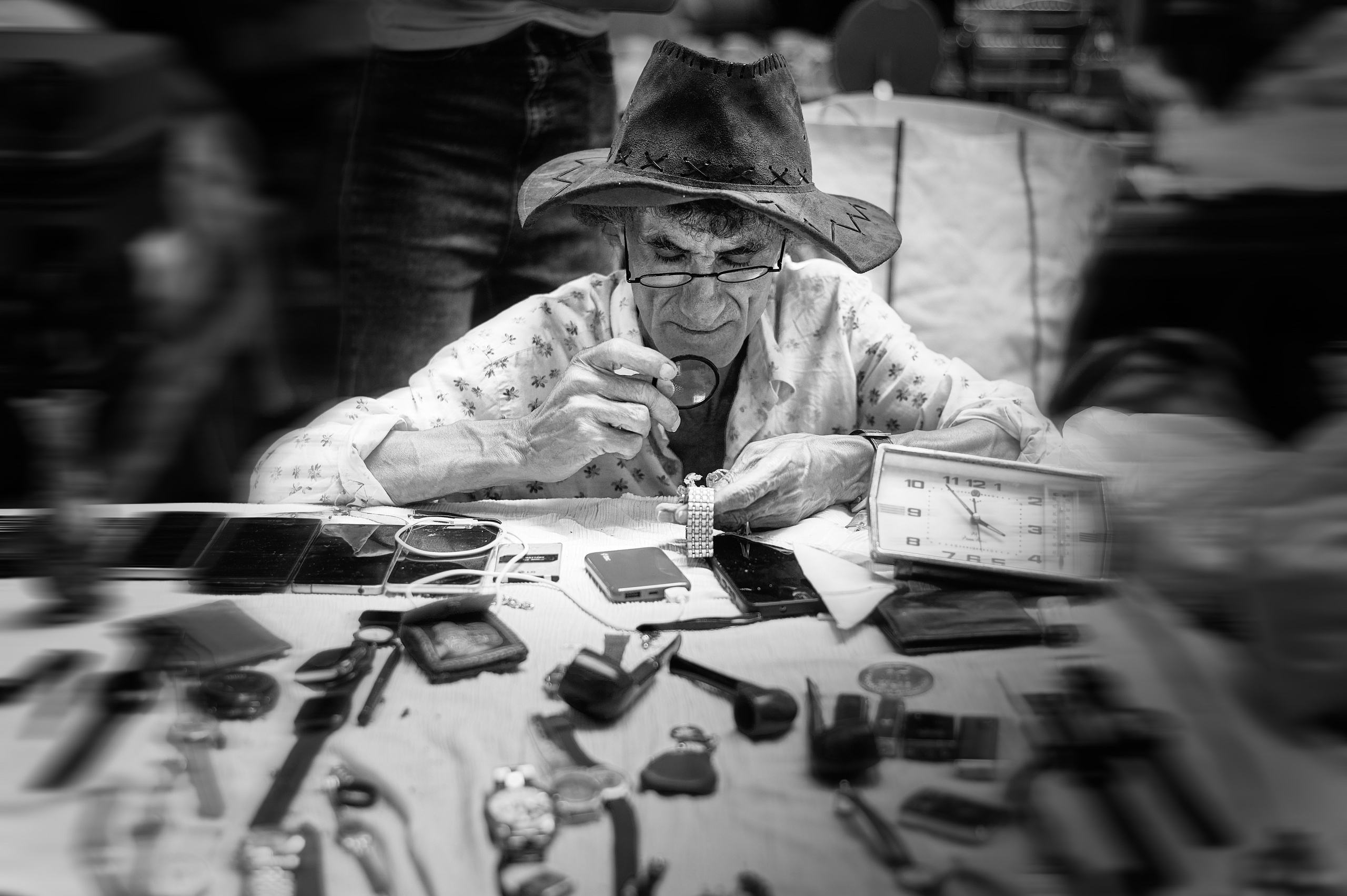
I often think about this when I work on my photo projects. A camera is a thing. It must serve, and it serves as a bridge, not a wall. And the person in front of the lens is not an object for shooting. It is an entire universe that deserves to be noticed, heard, and understood, not used.
The world truly is in chaos. But maybe this chaos can be stopped — at least on the scale of one day, one conversation, one glance.
Stop using. Start noticing. Leave things as things. And give people back their fundamental right — to be loved not for what they do, but simply for who they are.